
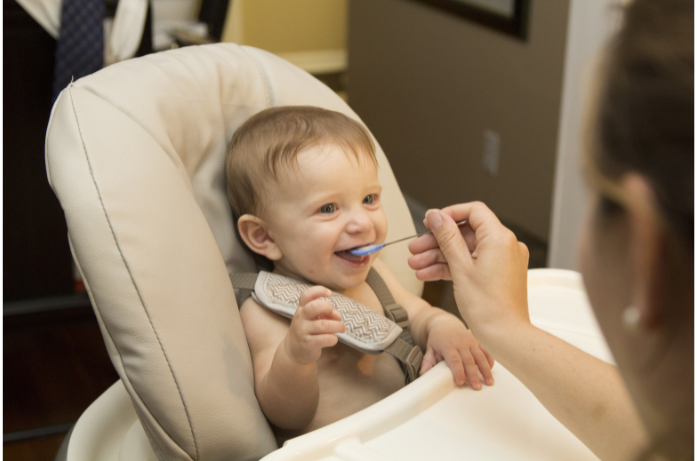
Watching your baby try their first bite of solid food can feel exciting, messy, and a little overwhelming. Many parents wonder when to start, which foods are safest, and how to know if their baby is truly ready.
The truth is, starting solids is not based on age alone. It depends on a baby’s developmental readiness, nutritional needs, and safety signals.
This guide will help you clearly understand when to begin solids, the signs of readiness, suitable first foods, and safe feeding practices based on trusted pediatric recommendations.
When Can Babies Start Solid Foods?
Most babies are ready to start solid foods at around 6 months of age. This timing is widely recommended by global health organizations and pediatric experts.
At this stage, a baby’s body is more prepared to handle foods beyond milk because:
• Their digestive system is more developed and ready for new textures
• Nutritional needs like iron and zinc begin to increase beyond what milk alone provides
• Oral motor skills such as chewing and swallowing start to develop
Starting solids at the right time helps support healthy growth, development, and safe eating habits.
Key takeaway:
Breast milk or formula should remain the primary nutrition source for the first 6 months.
Why Timing Matters for Starting Solid Foods
Introducing solid foods at the right time plays an important role in a baby’s healthy development and overall nutrition.
When solids are introduced at the appropriate stage, they can support:
• Healthy brain and body growth
• Strong immune system development
• Safe swallowing and chewing skill development
• Better acceptance of different tastes and textures
• Long-term healthy eating habits
However, introducing solid foods too early (before around 4 months) may increase certain risks, such as difficulty digesting food, choking hazards, and reduced milk intake, which is still the primary source of nutrition in early infancy.
Signs Your Baby Is Ready for Solid Foods
Instead of focusing only on age, it is more important to look for developmental readiness signs. These cues show that your baby is physically and behaviorally prepared to begin solid foods.
1. Good head and neck control
Your baby can hold their head steady without support, which is important for safe feeding.
2. Sitting with support
Your baby can sit upright in a high chair or supported position without slumping forward.
3. Reduced tongue-thrust reflex
Food is no longer automatically pushed out of the mouth, allowing swallowing to develop.
4. Interest in food
Your baby may watch you eat, reach for food, or open their mouth when food is offered.
5. Ability to move food in the mouth
Your baby can move food from the front of the mouth toward the back for safe swallowing.
Signs Your Baby May NOT Be Ready for Solid Foods
It is important to wait until your baby shows clear developmental readiness. Starting solids too early may make feeding more difficult and uncomfortable for both baby and parent.
You may want to delay introducing solids if your baby:
• Cannot sit upright even with support
• Has poor head and neck control
• Continues to push food out of the mouth using the tongue
• Shows little or no interest in food
• Struggles to coordinate swallowing
In many cases, waiting a few more weeks can make the transition to solid foods much smoother and safer.
Best First Foods for Babies (6 Months+)
Once your baby is ready for solids, it is best to start with soft, simple, and nutrient-rich foods that are easy to digest and gentle on the stomach.
Iron-rich foods (very important at this stage)
After 6 months, a baby’s natural iron stores begin to decrease, making iron-rich foods essential for healthy development.
• Iron-fortified baby cereals
• Lentils (dal puree)
• Beans
• Pureed meat or chicken
Fruits & vegetables
These foods introduce natural flavors and important vitamins while being soft and easy to swallow.
• Banana
• Apple puree
• Pear
• Sweet potato
• Pumpkin
• Carrot
• Avocado
Not sure how to prepare it safely? Follow our simple step-by-step guide on how to make apple puree for babies for an easy and baby-friendly first-food recipe.
Grains
Gentle grains provide energy and help introduce different textures.
• Oatmeal
• Rice cereal
Protein foods (later stage introduction)
These are usually introduced gradually once earlier foods are tolerated well.
• Well-cooked eggs
• Unsweetened yogurt
• Tofu
• Chicken puree
Foods to Avoid in the First Year
During the first year of life, a baby’s digestive system is still developing, so certain foods should be avoided to ensure safety and reduce health risks.
Foods that should be strictly avoided:
• Honey (risk of infant botulism)
• Cow’s milk as a main drink before 12 months
• Whole nuts
• Popcorn
• Hard candies
Common choking hazards:
• Whole grapes (always cut into small pieces)
• Raw carrots
• Large chunks of food that are difficult to chew
Foods to limit or avoid:
• Added sugar
• Excess salt
Baby-Led Weaning vs Purees
Both Baby-Led Weaning (BLW) and puree feeding are safe approaches when introduced at the right developmental stage and done in a safe, responsive way.
Many parents also choose a combined approach, depending on their baby’s comfort and readiness.
Baby-Led Weaning (BLW)
In Baby-Led Weaning, babies feed themselves soft, appropriately sized finger foods. This method helps babies explore textures and develop self-feeding skills.
Babies should always be seated upright, supervised during meals, and offered foods prepared in safe sizes and textures to reduce choking risk.
Examples of BLW foods:
• Banana slices
• Steamed vegetables
• Soft avocado pieces
• Well-cooked scrambled eggs
Puree feeding
In puree feeding, parents offer smooth, mashed foods using a spoon. This approach is often used in the early stages of introducing solids.
Examples of puree foods:
• Vegetable purees
• Fruit mash
• Lentil soup puree
Many parents use a mixed or flexible approach, combining both methods based on their baby’s development and comfort level.
How to Introduce Solid Foods Safely
Introducing solid foods should be done gradually and in a way that helps your baby adjust comfortably while ensuring safety and proper nutrition.
Follow these simple guidelines:
• Start with one small meal per day
• Introduce one new food at a time
• Wait 3–5 days before adding another new food to monitor for allergies
• Continue milk feeds (breast milk or formula) as the main source of nutrition
• Avoid forcing your baby to eat if they refuse
Remember: In the early stage, solid foods are meant for learning taste, texture, and feeding skills, not replacing milk or filling the stomach.
Introducing Allergens (Important Update)
Recent research suggests that introducing common allergenic foods early, when done safely and appropriately, may help reduce the risk of developing food allergies in some children.
Once your baby is comfortably trying a few first foods, many parents start wondering when and how to introduce common allergens safely.
Common food allergens include:
• Eggs
• Smooth peanut butter (thin or diluted for safety)
• Dairy products
• Wheat
• Soy
• Fish
Watch for possible allergy symptoms:
• Skin rash or hives
• Swelling of the lips or face
• Vomiting
• Difficulty breathing
If any severe symptoms occur, seek immediate medical attention without delay.
Sample Feeding Schedule (6–8 Months)
At this stage, breast milk or formula remains the main source of nutrition, while solids are introduced gradually.
| Time of Day | Milk Feeds | Solid Foods (Optional) |
| Morning | Breast milk / formula | Oatmeal or banana puree |
| Afternoon | Breast milk / formula | Vegetable puree or mashed avocado |
| Evening | Breast milk / formula | Small solid meal (if ready) |
Key point: Breast milk or formula should remain the primary nutrition source during this stage.
Common Mistakes Parents Should Avoid
When introducing solid foods, small mistakes are common. Being aware of them can help make the feeding journey smoother and safer for your baby.
1. Starting too early
A baby’s digestive system may not be fully ready for solid foods, which can make feeding more difficult.
2. Expecting full meals
In the early stages, solid foods are only small tastings, usually just a few spoonfuls, not full meals.
3. Forcing the baby to eat
Pressuring a baby to eat can lead to long-term feeding difficulties and resistance.
4. Introducing too many foods too quickly
Adding multiple new foods at once can make it harder to identify possible food allergies or sensitivities.
5. Ignoring iron-rich foods
Iron is essential after 6 months, so it’s important to include iron-rich foods in early meals.
Helpful Tips for Parents
Introducing solid foods is a learning process for both babies and parents. Keeping things simple and relaxed can make this stage much easier.
• Try offering solids at about the same time each day and keep the atmosphere calm, without pressure to finish everything.
• Messy mealtimes are completely normal. Touching, squishing, and dropping food are all part of how babies explore new textures and learn to eat.
• Offer foods repeatedly, as babies may need 10–15 exposures before accepting a new taste
• Allow your baby to decide how much they want to eat
• Use safe, baby-friendly feeding tools to support a smoother and more comfortable feeding experience
Frequently Asked Questions
Can babies start solids at 4 months?
Most babies are not developmentally ready to start solid foods at 4 months. Pediatric experts generally recommend waiting until around 6 months, unless advised otherwise by a healthcare provider.
Do I need to stop milk when starting solids?
No. Breast milk or formula should remain the primary source of nutrition during the first year. Solid foods are introduced gradually alongside milk feeds.
What should I do if my baby refuses solids?
Food refusal is very common in the early stages. It is best to stay patient and try again later without pressure, as babies often need repeated exposure to new foods.
And if mealtimes are becoming stressful because your baby keeps refusing solids, our guide on baby not eating solids can gently walk you through possible reasons and simple next steps.
How much solid food should a baby eat?
Start with small amounts, usually 1–2 teaspoons, and gradually increase based on your baby’s interest and appetite.
Can babies drink water after starting solids?
Small amounts of water can be introduced once solids begin, but breast milk or formula should still remain the main source of hydration.
Final Thoughts
Introducing solid foods is not a race, it is a gradual learning process that unfolds differently for every baby.
Most babies are ready to begin solids around 6 months of age, but developmental readiness is more important than age alone. The key is to focus on:
• Safe and appropriate timing
• Simple, nutrient-rich first foods
• Responsive feeding practices
• Patience and consistency throughout the process
Every baby develops at their own pace, and this variation is completely normal.
With a calm and supportive approach, introducing solid foods can become a positive milestone that lays the foundation for healthy eating habits in the future.
For more gentle, practical, and parent-friendly guidance on feeding, baby development, and everyday parenting, explore more helpful resources at Little One Haven.
Medical Disclaimer
This article is for educational purposes only and is not a substitute for professional medical advice. Always consult your pediatrician or qualified healthcare provider before introducing solid foods.
Trusted health guidelines: