

Pregnancy has a funny way of making you notice parts of your body you barely thought about before. One day, you may look down and wonder when your ankles disappeared or why your favourite sandals suddenly feel two sizes too small. Swollen feet during pregnancy are incredibly common, especially as your belly grows and you move further into the second and third trimesters.
Although a little puffiness can be a perfectly normal part of pregnancy, I know that seeing your feet suddenly looking swollen can still make you worry. When you’re growing a baby, every new change seems to come with the same question: Is this normal, or should I call my doctor?
Most mild swelling develops because your body is carrying extra fluid and your growing uterus puts more pressure on the veins that return blood from your legs. But there are also times when sudden or unusual swelling deserves medical attention.
So, let’s talk about why pregnancy makes your feet swell, what you can safely do to feel more comfortable, and the signs you shouldn’t ignore.
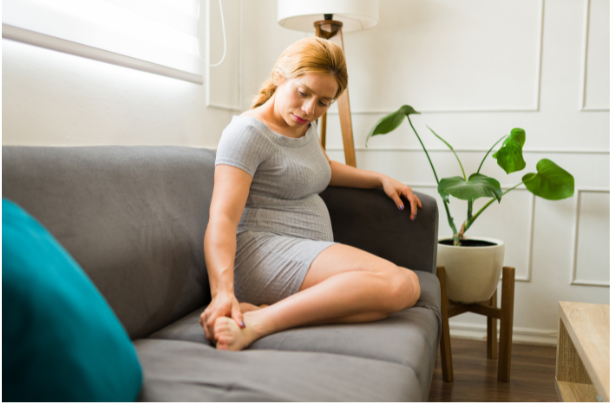
Why Do You Get Swollen Feet During Pregnancy?
Your body is doing an enormous amount of work throughout pregnancy.
Blood volume increases, your hormones change, your uterus becomes heavier, and your body naturally holds onto more fluid. All of this helps support your growing baby, but some of that extra fluid can settle in the tissues of your feet and ankles.
This type of swelling is often called edema.
As your uterus grows, it can also place pressure on the large veins in your pelvis. This may slow the return of blood from your legs toward your heart, allowing more fluid to collect around your ankles and feet.
That’s why your shoes may feel comfortable in the morning but surprisingly tight by the end of the day.
Why Does Swelling Often Get Worse Later in Pregnancy?
Many moms notice very little swelling early on and then suddenly find themselves living in their roomiest pair of shoes during the third trimester.
As your baby and uterus become larger, there is more pressure on the blood vessels in your lower body. You’re also carrying more fluid than you were at the beginning of pregnancy.
Gravity plays a role too. After spending hours sitting, standing, walking, working, or caring for older children, fluid naturally tends to settle lower in the body.
By evening, your ankles may look noticeably puffier than they did when you first got out of bed.

Are Swollen Feet During Pregnancy Normal?
In many pregnancies, gradual and mild swelling in both feet and ankles is normal.
You might notice that your ankles become puffy in the evening, your socks leave deeper marks than usual, or your shoes feel snug after you’ve been standing for a long time.
Swelling may also become more noticeable during hot weather. If you’ve ever been heavily pregnant in summer, you probably don’t need anyone to explain how quickly heat can make your feet feel heavy and uncomfortable.
What matters is how the swelling develops and whether anything else is happening alongside it.
Gradual swelling affecting both feet is generally less concerning than swelling that appears suddenly, becomes severe, or occurs mainly on one side.
And when something simply doesn’t feel right to you, contacting your maternity care provider is always reasonable.
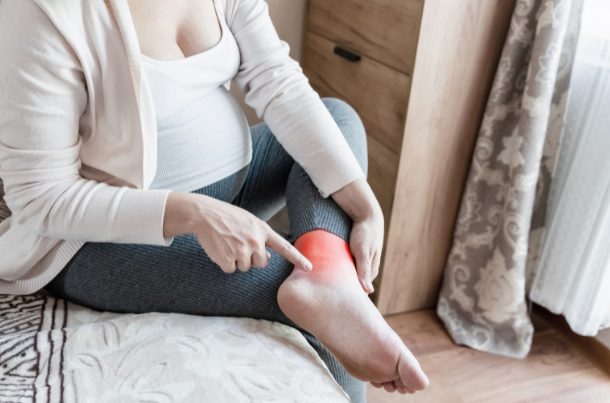
Simple Ways to Ease Pregnancy Foot Swelling
Unfortunately, there isn’t usually one magic trick that makes pregnancy swelling disappear completely.
But a few small changes throughout your day can make your feet feel considerably more comfortable.
1. Put Your Feet Up Whenever You Can
You don’t need an elaborate pregnancy routine. Sometimes the simplest thing is the most helpful.
When you’re sitting on the sofa, working at a desk, or relaxing in bed, try raising your feet on a cushion or footrest instead of leaving them hanging toward the floor.
Even short periods of elevation throughout the day can feel lovely when your ankles are aching and puffy.
If you have older children running around the house, perfect rest may not be realistic. Take the little opportunities when they appear, even ten quiet minutes with your feet up counts.
2. Avoid Standing in One Place for Too Long
Standing for long stretches can encourage fluid to collect around your feet and ankles.
If your job requires you to stand, change position frequently and take sitting breaks when possible. Gentle walking can also be more comfortable than remaining completely still.
The same applies to sitting.
If you’ve been at your desk or on the sofa for a long time, get up occasionally and walk around the room. Small, regular movements help keep your circulation going.
3. Wear Shoes That Give Your Feet Room
Pregnancy is not the time to force your swollen feet into shoes that pinch.
Choose comfortable, supportive shoes with enough room for your feet to expand slightly throughout the day. Avoid anything that leaves painful marks or feels restrictive around your ankles.
You may even find that your usual shoes temporarily stop fitting.
That’s frustrating, especially if you’re already buying countless things for your baby, but your comfort matters too. A simple pair of roomy, supportive shoes can make everyday walking much easier.
4. Stay Hydrated
It can seem strange to drink more water when your body already feels like it’s holding too much fluid, but reducing water intake isn’t the answer.
Your body needs adequate hydration throughout pregnancy.
Keep a water bottle nearby and drink regularly rather than waiting until you’re desperately thirsty. Your individual fluid needs can vary depending on your activity level, climate and health, so follow any specific guidance your healthcare professional has given you.
If plain water has become boring, adding slices of lemon, cucumber, berries, or other pregnancy-safe flavours can make it more appealing.
Staying comfortable during pregnancy often comes down to several small habits working together. If you are looking for more gentle ways to care for yourself, these tips for enjoying your pregnancy include practical ideas for hydration, movement, rest, and everyday comfort.
5. Try Gentle Movement
When you’re tired, uncomfortable, and carrying a growing belly, exercise may be the last thing you feel like doing.
It doesn’t have to mean an intense workout.
A gentle walk, simple ankle movements, or other pregnancy-appropriate activity can help keep blood circulating through your legs.
Try slowly pointing and flexing your feet while sitting. You can also gently rotate your ankles in circles.
If you have been advised to restrict activity or have pregnancy complications, ask your healthcare provider what kind of movement is appropriate for you.
6. Rest on Your Side
As pregnancy progresses, resting on your side can feel more comfortable and may reduce pressure from the growing uterus. If you wake in another position, simply reposition yourself comfortably rather than worrying.
7. Keep Cool When the Weather Is Hot
Hot days and pregnancy swelling are not exactly best friends.
If your feet seem much puffier during warm weather, try spending time somewhere cool, wearing breathable clothing, and avoiding unnecessary time outdoors during the hottest part of the day.
A cool, not painfully cold, foot soak or cool compress may also feel soothing.
Sometimes the goal isn’t to completely eliminate swelling. It’s simply to make yourself more comfortable while your body works through this stage.
8. Ask About Compression Stockings
Compression stockings or socks can sometimes help with leg and ankle swelling by supporting circulation.
They tend to be easiest to put on earlier in the day, before your legs become more swollen.
However, pregnancy isn’t one-size-fits-all. Ask your midwife, doctor, or another qualified healthcare professional whether compression stockings are suitable for you and what level of compression you should use.

Little Everyday Habits That May Make a Difference
One thing pregnancy taught me is that comfort often comes from lots of tiny adjustments rather than one big solution.
Keep an extra pair of comfortable shoes nearby if you know your feet tend to swell later in the day. Avoid socks with painfully tight bands around your ankles. Take movement breaks during long journeys, when it is safe to do so, and give yourself permission to sit down when your body asks for it.
You may also notice patterns.
Perhaps your feet swell more after a busy shopping day, during very hot afternoons, or after sitting at your computer for several hours.
Once you recognise those patterns, you can build little breaks into your day before your feet become unbearably uncomfortable.
Should You Reduce Salt When Your Feet Are Swollen?
It’s easy to assume that swollen feet mean you should immediately remove salt from your diet.
Pregnancy nutrition is a little more nuanced than that.
Your body still needs sodium, so you shouldn’t drastically restrict it unless your healthcare professional specifically recommends doing so for a medical reason.
Instead, focus on balanced meals with a variety of nourishing foods.
If much of your diet currently consists of highly processed or very salty foods, you can talk with your maternity provider or a registered dietitian about sensible adjustments without making extreme changes.
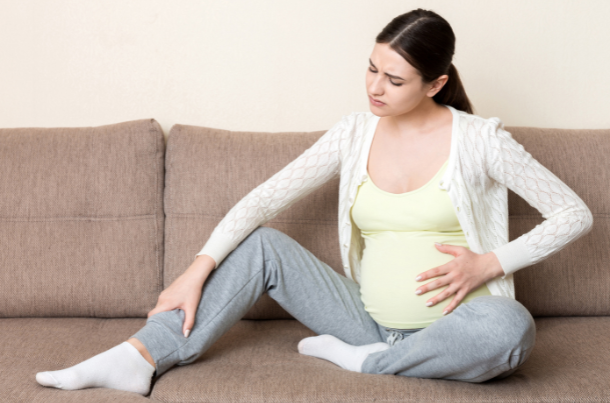
When Should Swollen Feet During Pregnancy Worry You?
This is the part I want every expectant mom to know.
Common pregnancy swelling tends to develop gradually, often affects both feet and ankles, and may become more noticeable later in the day.
Sudden or severe swelling can be different.
Contact your maternity care provider promptly if swelling suddenly becomes much worse, particularly if you also develop swelling in your face or hands.
These symptoms can sometimes occur with preeclampsia, a pregnancy complication involving high blood pressure.
Other warning symptoms can include a severe or persistent headache, changes in vision, pain in the upper abdomen or beneath the ribs, nausea or vomiting later in pregnancy, shortness of breath, or generally feeling very unwell.
Don’t wait for every symptom on a list to appear before asking for help. If swelling changes suddenly or you are worried about how you’re feeling, contact your healthcare provider.
What If Only One Leg or Foot Is Swollen?
Swelling that is noticeably worse in only one leg deserves particular attention.
Seek prompt medical advice if one leg becomes suddenly swollen, painful, warm, tender, or red.
These can sometimes be symptoms of a blood clot called deep vein thrombosis (DVT). Pregnancy increases the risk of blood clots, so this isn’t something to diagnose or manage at home.
If you develop sudden difficulty breathing, chest pain, cough up blood, feel faint, or experience other severe symptoms, seek emergency medical care immediately.
I’d always rather a pregnant mom make the call and discover everything is fine than sit at home worrying about symptoms that need medical attention.
Will the Swelling Go Away After My Baby Is Born?
For most women, pregnancy-related swelling doesn’t last forever.
But don’t be surprised if your feet and ankles remain puffy, or even seem puffier, for a short time after giving birth.
Your body still needs to get rid of the extra fluid it carried during pregnancy. Over the following days, you may notice yourself urinating and sweating more as your body gradually releases that fluid.
Swelling should generally improve as your body recovers.
If swelling after birth is severe, appears suddenly, affects one side, or occurs alongside symptoms such as headache, vision changes, chest pain or shortness of breath, seek medical attention. Preeclampsia and blood clots can also occur after delivery.
Be Kind to the Body Carrying Your Baby
There may be moments in pregnancy when you hardly recognise your own body.
Your belly is changing. Your clothes fit differently. Sleeping comfortably becomes a nightly project. And then, just when you think you’ve adjusted to everything, your ankles decide to disappear too.
It’s okay if you don’t love every physical change that comes with pregnancy.
You can feel incredibly grateful for your baby while also wishing you could put your old shoes on without a struggle. Those feelings can exist together.
Give your body what comfort you can. Sit down. Put your feet up. Wear the roomy shoes. Ask someone else to handle the errand when you’ve already been standing all afternoon.
You don’t earn extra pregnancy points for pushing through discomfort.
FAQ
Is it normal to have swollen feet during pregnancy?
Mild, gradual swelling affecting both feet and ankles is common, particularly later in pregnancy. Sudden, severe, or unusual swelling should be discussed with your maternity care provider.
When should I worry about swollen feet during pregnancy?
Seek medical advice if swelling develops suddenly, becomes severe, affects your face or hands, occurs mainly in one leg, or is accompanied by headache, vision changes, upper abdominal pain, breathing difficulty, or feeling very unwell.
How can I reduce swollen feet during pregnancy?
Elevating your feet, avoiding long periods of standing or sitting, staying hydrated, gentle movement, comfortable shoes, and keeping cool may help with ordinary pregnancy swelling.
Why are my feet more swollen at night during pregnancy?
Gravity and spending the day sitting, standing, or walking can allow more fluid to collect in the feet and ankles, making swelling more noticeable by evening.
Does drinking more water help swollen feet during pregnancy?
Adequate hydration remains important during pregnancy. You should not deliberately restrict water simply because your feet are swollen unless your healthcare professional has given specific instructions.
FAQ
Is it normal to have swollen feet during pregnancy?
When should I worry about swollen feet during pregnancy?
How can I reduce swollen feet during pregnancy?
Why are my feet more swollen at night during pregnancy?
Does drinking more water help swollen feet during pregnancy?
A Gentle Word From a Caring Mom at Little One Haven
Swollen feet during pregnancy can be uncomfortable, surprising, and sometimes downright annoying, but mild swelling in both feet and ankles is a common experience as pregnancy progresses.
Give yourself small pockets of relief throughout the day. Elevate your feet when possible, keep gently moving, stay hydrated, choose comfortable shoes, and listen when your body tells you it has had enough for the day.
At the same time, trust yourself when something feels different from ordinary pregnancy puffiness. Sudden or severe swelling, swelling accompanied by concerning symptoms, or swelling mainly affecting one leg deserves medical attention.
Pregnancy asks so much of your body, often in ways nobody really prepares you for.
So tonight, if you’re sitting on the sofa with your feet propped on three cushions because your ankles have vanished again, know that you certainly aren’t the only mom who has been there.
Your body is doing extraordinary work quietly, every single day.
Take care of those tired feet, take the rest when you can get it, and keep bringing your worries to the people caring for you during pregnancy. You and your growing little one both deserve that care.
For more practical pregnancy guidance, gentle parenting advice, and support for every stage of motherhood, explore more helpful resources at Little One Haven.
Please note: This article is intended for general information and supportive education and is not a substitute for personalised medical advice, diagnosis, or treatment. Pregnancy symptoms can vary from person to person. If you’re concerned about swelling or any other symptom during pregnancy, contact your doctor, midwife, or maternity care team.
Trusted Resources
ACOG, Preeclampsia and High Blood Pressure During Pregnancy
NHS, Swollen Ankles, Feet and Fingers in Pregnancy
ACOG or CDC, Blood Clots During Pregnancy/Postpartum
Disclaimer
This article is intended for general information and supportive education and is not a substitute for personalised medical advice, diagnosis, or treatment. Pregnancy symptoms can vary from person to person. Contact your doctor, midwife, or maternity care team if swelling develops suddenly, becomes severe, affects your face or hands, occurs mainly in one leg, or is accompanied by severe headache, vision changes, upper abdominal pain, breathing difficulty, chest pain, or feeling very unwell. Seek emergency medical care for sudden breathing difficulty, chest pain, coughing up blood, fainting, or other severe symptoms.
About the Author
Geeta Yogi writes warm, practical, and supportive content about pregnancy, motherhood, baby care, and everyday family wellbeing. She focuses on helping expectant mothers understand common pregnancy changes, find realistic ways to stay comfortable, and recognise when a symptom deserves professional medical attention.