
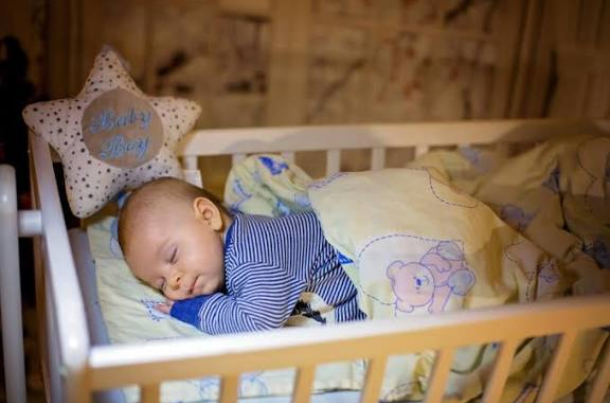
When can babies sleep on their side? There is no particular month when parents should begin placing a baby in this position. Throughout the first year, put your baby on their back at the beginning of every nap and bedtime.
The short answer is there is no particular month when parents should begin placing a baby on their side to sleep. For every nap and bedtime throughout the first year, start by placing your baby on their back. When your baby can roll comfortably both from back to tummy and from tummy to back and moves onto their side independently, you generally do not need to keep turning them back. The important difference is between a position your baby gets into on their own and one you choose when putting them down.
Why isn’t side sleeping recommended for a newborn?
Parents asking when can babies sleep on their side should know that placing a newborn in this position is not recommended.
Side sleeping can look comfortable, especially if a newborn naturally curls to one side. But the side position is unstable: a baby placed there can roll onto their stomach before they have the strength to move safely. Sleeping on the back is the recommended starting position because it lowers the risk of sleep-related infant death, including sudden infant death syndrome (SIDS).
This applies to daytime naps as well as nighttime sleep. It also applies if your baby seems to sleep longer on their side or has reflux. If a clinician has given your baby an individual medical plan, follow that advice and ask them to explain how it fits with safe-sleep guidance.
If reflux is part of why side sleeping seems tempting, our guide to arching of the back in infants explains possible causes of discomfort and why back sleeping still matters.

When Can Babies Sleep on Their Side After Rolling?
Babies learn to roll at different times, so the answer depends on ability rather than a birthday. Some start showing signs of rolling surprisingly early; others take longer. Once your baby can roll confidently in both directions, you can continue putting them down on their back and let them settle in a position they reach by themselves.
If your baby has started rolling but cannot yet roll comfortably in both directions, continue placing them on their back for every sleep. If they repeatedly roll into a position they cannot get out of, ask your pediatrician for guidance. Once they can comfortably roll both ways, you generally do not need to reposition them after they roll on their own.
Even after rolling becomes easy, keep starting every sleep on the back until your baby turns one. Rolling independently does not mean it is time to place them on their side or stomach at bedtime.
What if my newborn rolls onto their side?
A newborn may appear to tip onto one side, particularly in the early weeks. Do not take this as a sign that side sleeping is safe. Place them back on their back and make sure their sleep surface is firm, flat, and free of objects that could cover their face.
When considering when can babies sleep on their side, remember that a newborn tipping sideways is different from an older baby rolling confidently in both directions.
If they repeatedly turn onto their side, mention it to their pediatrician, especially if you have concerns about their movement or breathing. Avoid using rolled towels, pillows, wedges, or sleep positioners to hold them in place. These items can create a suffocation hazard.
When should you stop swaddling?
Stop swaddling as soon as your baby shows signs of trying to roll, even if they have not completed a full roll yet. A swaddled baby who turns onto their stomach may have trouble using their arms to change position. Rolling can start earlier than many parents expect, so watch for the skill rather than waiting for a specific age.
An appropriately sized wearable sleep sack that leaves the arms free may be an option if you need an extra layer. Check the product’s fit and avoid weighted sleepwear.
Set up a safe sleep space
Understanding when can babies sleep on their side becomes less stressful when you follow a few consistent safe-sleep practices.
- Put your baby on their back for every nap and nighttime sleep.
- Use a firm, flat mattress in a crib, bassinet, or play yard with a fitted sheet.
- Keep pillows, loose blankets, bumpers, toys, and positioners out of the sleep area.
- Keep your baby in their own separate sleep space in your room for at least the first six months rather than sharing an adult bed.
- If your baby falls asleep in a car seat while traveling, move them to a firm, flat sleep surface on their back when you reach your destination. Swings, strollers, infant carriers, and slings should not be used as routine sleep spaces.
- Offer supervised tummy time while your baby is awake to help them build strength for rolling.
FAQ
Can I put my three-month-old baby on their side to sleep?
Is side sleeping safer for a baby with reflux?
Should I keep flipping my baby back all night?
Final Thoughts
There is no age at which you need to start laying your baby on their side. Back to sleep remains the rule for the first year. As your baby grows and learns to roll both ways, they may choose their own sleep position after you put them down. Your part stays simple: begin on the back, keep the sleep space clear, and stop swaddling when rolling starts.
For more reassuring guidance on baby sleep, newborn safety, development, and everyday parenting, explore Little One Haven.
Trusted Resources
- American Academy of Pediatrics: How to Keep Your Sleeping Baby Safe
- American Academy of Pediatrics: Safe Sleep and Rolling Guidance
- CDC: Providing Care for Babies to Sleep Safely
- NHS: Sudden Infant Death Syndrome (SIDS)
Disclaimer
This article is for general educational and parenting information only and does not replace individualized medical advice. Always place your baby on their back at the start of every nap and nighttime sleep during the first year, unless your baby’s healthcare professional has given you specific medical instructions. Speak with your pediatrician if you have concerns about rolling, reflux, breathing, movement, or your baby’s sleep position.
About the Author
Geeta Yogi writes practical and reassuring parenting content focused on newborn care, baby sleep, development, feeding, and everyday family concerns. She aims to make important safety guidance easier for parents to understand and apply with confidence.
