The benefits of outdoor time for babies and toddlers can be seen in simple everyday moments—from a baby watching leaves move in the breeze to a toddler excitedly discovering a rock on the ground. These experiences can support movement, sensory exploration, curiosity, focus, and connection without requiring special equipment or a complicated outing.
Parenthood also gives adults an opportunity to rediscover the natural world through a child’s eyes. A short walk, a few minutes in the garden, or time at a nearby park can bring outdoor exploration back into the family routine while benefiting children and parents alike.
It Supports Their Growth
Spending time outdoors is one of the best ways to improve both your physical and mental health, for everyone from newborns to seniors. Parents feel the benefits of outdoor activity even earlier, during pregnancy and the postpartum period.
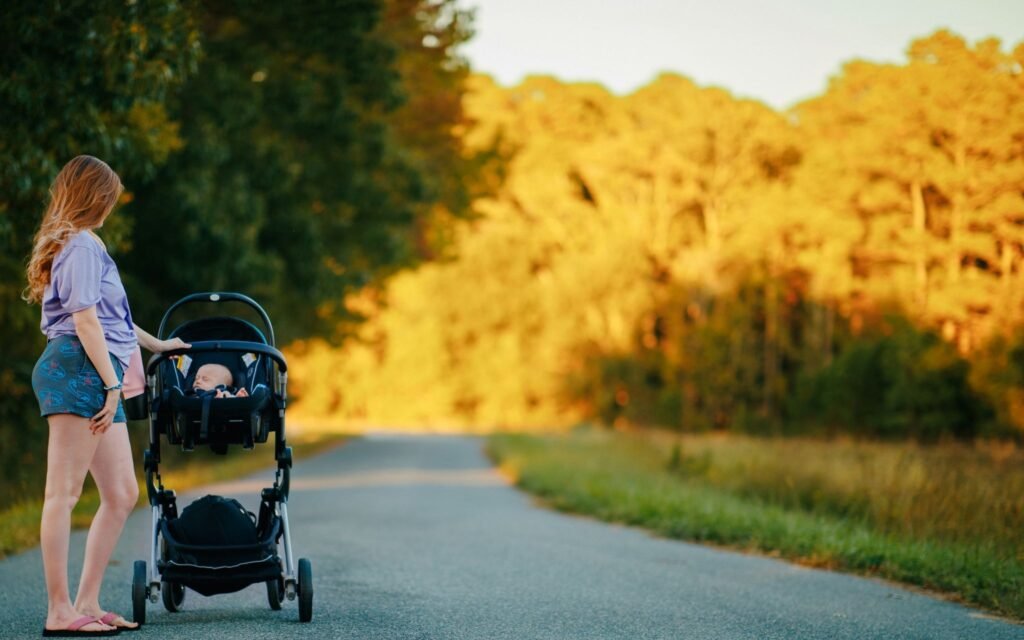
You can take your baby outside from their earliest days. Dress them appropriately for the weather, choose a time that fits their daily routine, and make the most of a simple walk. As your baby grows, rolls onto their tummy, and begins to crawl, head to a nearby park, lay down a blanket, and let them practice their newly developed skills in the fresh air.
The excitement is indescribable once your baby transitions into a toddler and takes those first steps. From running freely across the lawn to walking barefoot and feeling the cool grass beneath their feet, these early outdoor experiences build strong muscles, sharpen motor coordination, and create a lifelong connection to nature.
It Improves Focus
Have you ever seen a child discover something new? It is mesmerizing. The focus and seriousness in their little eyes will sweep you off your feet, reminding you just how rewarding it is to discover new things.
Nature is an ideal environment for discovery. It introduces children to the Earth’s cycles, like watching leaves change color with the seasons, and gives them a closer look at living creatures and their habitats, from ants and birds to reptiles.
By six or seven months old, babies actively process their surroundings as their hand-eye coordination rapidly develops. Offer them a smooth rock (make sure it’s too big to swallow) and watch them turn it over in their hands, taking in its size, shape, and texture.
With toddlers, the possibilities are endless: encourage them to collect branches of similar lengths, stack a rock tower, or quietly observe a squirrel gathering acorns for the winter.
It Encourages Sensory Development
Craving a spa day? Spend time in nature. Surrendering to natural sounds, smells, and sights gives your senses a luxurious reset that costs practically nothing, yet remains priceless.
If you know what these small moments do for your own well-being, imagine how magical they are for your little one. Beyond being calming, time outdoors serves a vital developmental purpose by stimulating all five senses.
Encourage your child to scoop up a handful of sand and watch it sift through their fingers, or point out how sunlight glints off leaves and water. Pause to listen to birdsong or rustling leaves. Let them smell flowers in the garden or, with your guidance, sample safe, edible herbs. These simple rituals may look like pure play, but they profoundly shape early sensory processing and overall growth.
Simple outdoor play can complement other activities for baby development by giving babies opportunities to move, observe, and explore different sights, sounds, and textures.
It Builds Trust and Strengthens the Bond Between Kids and Parents
No material item will ever mean more to your child than the time you spend with them. This is especially true during early childhood, when little ones don’t care about the difference between an expensive toy and the cardboard box it came in (and will almost certainly prefer the box!).
Habitats last. The dedicated time, shared moments, and family traditions you start now are what children carry into adulthood. Almost everyone remembers learning to ride a bike, swimming for the first time, family weekend trips, and outdoor picnics.
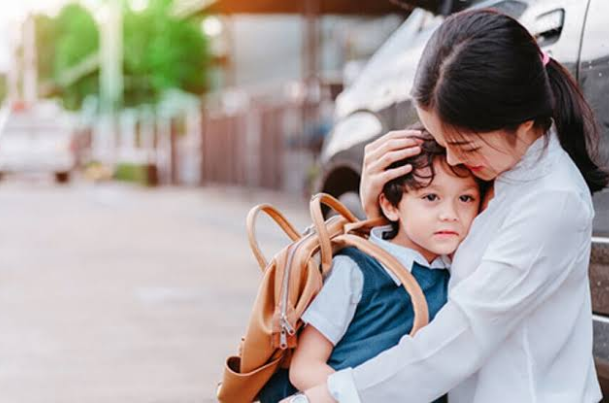
It’s completely normal for adults not to be wildly enthusiastic about children’s games, but this isn’t about us. It’s about your child’s pure joy as they splash in a puddle or bake a mud pie. Being right by their side and sharing in their happiness builds deep trust, making them feel safe, protected, loved, and supported.
It Teaches Respect for Nature
As adults, we tend to forget that we are part of nature, not above it. When you spot an insect, point it out without harming it, and take a moment to explain its role in the ecosystem. Teach your children to gather fallen flowers rather than picking live ones. Simple habits, like knowing what to recycle and how to do it, make a lasting impact. Kids learn by watching us, so it pays to be mindful. Our actions are their lessons. Teaching children to respect nature means teaching them to respect others and themselves.
You don’t need a big trip or special gear. A walk around the block, an afternoon at the park, or a few minutes in the backyard is enough. Each time outdoors helps your little one grow stronger, stay curious, and explore with all five senses, bringing the two of you closer.