Watching your baby grow is one of the most heartwarming experiences. From their tiny giggles to curious expressions, every moment feels special. But behind these adorable actions, something incredible is happening, your baby’s brain is developing rapidly.
One of the most powerful ways to support baby brain development through play is simple, everyday playtime. In fact, playtime for baby development plays a key role in helping babies understand the world around them.
Play is not just fun; it is one of the most important ways babies explore the world. Through play, babies begin learning, communicating, and building essential brain connections that support their development.
For parents, understanding the importance of play for babies can help create meaningful interactions that nurture a child’s development from the very beginning.
Why Early Brain Development Matters
During the first few years of life, a baby’s brain develops faster than at any other stage. Scientists estimate that millions of neural connections are formed every second during early childhood.
These connections are influenced by daily experiences, especially playtime for baby development.
According to the Centers for Disease Control and Prevention, early experiences play a key role in shaping a child’s cognitive, emotional, and social development.
Play helps stimulate different areas of the brain that support learning and growth.
Learning and Memory
When babies play, they begin recognizing patterns, objects, sounds, and faces.
For example, when your baby repeatedly plays with the same toy, they start remembering its shape, color, and texture. This repetition strengthens memory and improves learning ability.
This is a simple example of baby learning through play, where everyday activities help build cognitive skills naturally.
Over time, these experiences improve attention, curiosity, and early thinking abilities.
Language and Communication
Even before babies speak their first words, they begin learning language through interaction.
When parents talk, sing, or respond to their baby’s sounds during playtime, babies begin connecting sounds with meaning.
These playful interactions help babies:
- Recognize voices
- Understand basic words
- Practice early communication
This is one of the clearest examples of how play helps baby brain development, because playful conversations strengthen language and communication skills.
Read more here: healthy child development
Emotional Understanding
Playtime is also an important way babies learn about emotions.
When parents smile, laugh, or comfort their baby during play, the child begins to recognize feelings such as happiness, excitement, and safety.
This emotional connection strengthens the parent-child bond and supports emotional well-being.
The importance of play for babies becomes clear when we see how these early emotional experiences help build confidence and security.
Social Skills
Through playful interaction, babies learn how to connect with others.
Simple games such as peek-a-boo teach babies about:
- attention
- response
- bonding
These early social experiences help babies develop trust and confidence.
Over time, baby learning through play encourages cooperation, empathy, and social awareness.
Problem-Solving Abilities
Even simple activities like reaching for a toy help babies develop thinking skills.
For example:
- Dropping a toy teaches cause and effect
- Reaching for an object encourages focus
- Grabbing and exploring items improves coordination
These small discoveries show how play helps baby brain development by encouraging curiosity and early problem-solving abilities.
Types of Play That Boost Brain Development
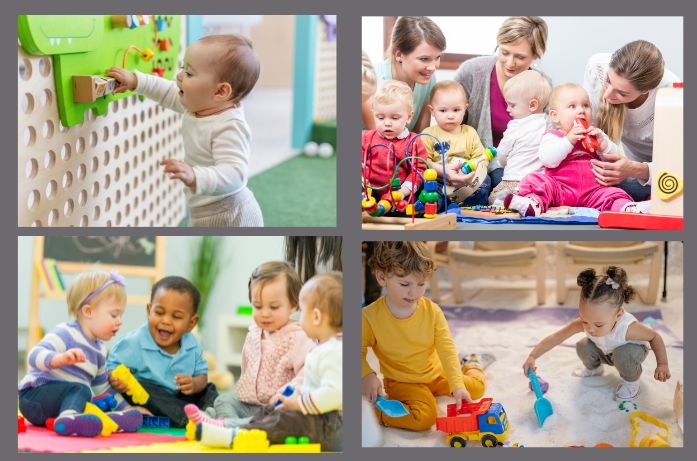
Different types of play stimulate different areas of the brain. Including a variety of play experiences helps support playtime for baby development.
1. Sensory Play
This type of play stimulates your baby’s senses.
Instead of just saying it helps, let’s understand how:
When your baby touches different textures like soft blankets or hears sounds like rattles, their brain processes new information. These sensory experiences strengthen neural connections and improve focus, awareness, and curiosity.
2. Interactive Play
This is the time you spend actively engaging with your baby.
For example, when you play peek-a-boo or sing songs, your baby watches your expressions and listens to your voice. This helps them learn communication, emotional bonding, and social interaction in a very natural way.
This type of stimulation strengthens neural connections and supports baby brain development through play.
3. Physical Play
Movement is essential for brain growth.
When your baby crawls, stretches, or tries to reach objects, their brain and body work together. This improves coordination, balance, and motor skills. It also builds confidence as they learn new movements step by step.
4. Exploratory Play
Babies are naturally curious, and exploration helps them learn.
When they pick up objects, drop them, or observe their surroundings, they are actually experimenting. This type of play develops curiosity, creativity, and early problem-solving skills.
How Playtime Builds Language and Communication Skills
Playtime is one of the easiest ways to encourage language development.
Parents can support communication skills by:
- Talking to their baby during play
- Naming objects (“This is a ball”)
- Responding to sounds and gestures
These simple interactions help babies connect sounds with meaning.
Over time, this leads to stronger vocabulary, better communication, and increased confidence in expressing themselves.
Emotional and Social Development Through Play
Playtime creates a safe space where your baby feels loved and secure.
When you engage with them:
- They feel valued and understood
- They learn to trust
- They become emotionally stronger
This emotional support highlights the importance of play for babies and helps shape their future relationships.
Playtime and Problem-Solving Skills
Many play activities naturally encourage thinking and exploration.
For example:
- Reaching for a toy improves focus
- Dropping objects teaches cause and effect
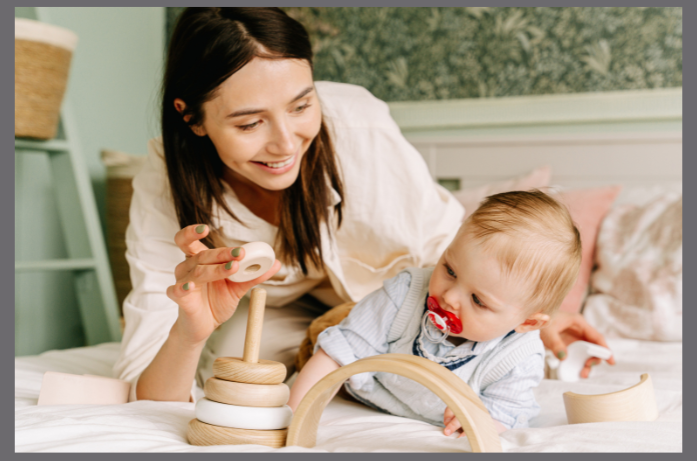
- Stacking toys develops patience and balance
These small moments show how play helps baby brain development by encouraging curiosity and experimentation.
Screen Time vs Playtime
While digital screens may seem convenient, they cannot replace real human interaction.
Playtime offers benefits that screens cannot provide.
Playtime:
- encourages active learning
- builds real experiences
- strengthens bonding
That is why experts recommend prioritizing interactive play instead of passive screen exposure during early childhood.
How Much Playtime Does Your Baby Need?
There’s no fixed rule. Babies learn through everyday moments.
Even short, meaningful play sessions, like talking, singing, or playing together, can make a big difference.
Babies learn through everyday interactions. Even short, meaningful moments of playtime for baby development can make a big difference.
Easy Ways to Encourage Play at Home
You do not need expensive toys to support baby learning through play.
Simple activities work best:
• Talk and sing regularly
• Let your baby explore safely
• Spend time playing together
• Read colorful books
• Encourage movement
Your attention, interaction, and love are the most powerful tools for how play helps baby brain development.
Final Thoughts
Playtime is much more than entertainment, it is the foundation of baby brain development through play.
Every smile, sound, and playful interaction helps build brain connections that support learning, emotions, and social skills.
As a parent, simply spending time playing with your baby can make a huge difference in their development.
So enjoy these precious moments. While your baby is playing, they are also learning, growing, and building the foundation for a bright future.
For more helpful parenting tips, baby development guides, and expert advice, visit Little One Haven.
Frequently Asked Questions
1. How does play help baby brain development?
Play helps babies build neural connections, improve memory, and develop social and emotional skills.
2. How much playtime does a baby need daily?
Babies learn through everyday interactions. Even short play sessions throughout the day support healthy development.
3. What type of play is best for babies?
Sensory play, interactive play, and physical play are excellent for stimulating brain development.
Disclaimer
This content is for informational purposes only and does not replace professional medical advice. Every child develops at their own pace. For any concerns, consult a pediatrician.