
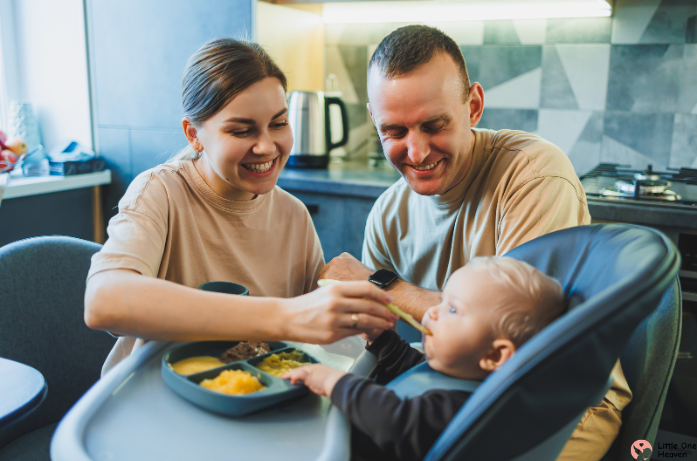
Watching your baby grow is filled with exciting milestones, and introducing solid foods is often one of the most memorable. Around 4 to 6 months of age, many babies begin showing signs that they may be ready to explore foods alongside breast milk or formula.
For new parents, however, this stage often comes with plenty of questions:
• What should be a baby’s first food?
• Should I start with fruits, vegetables, or cereal?
• How much food should my baby eat?
• Are there foods I should avoid?
The good news is that introducing solids doesn’t have to be complicated. By focusing on nutrient-rich, age-appropriate foods and following your baby’s cues, you can help make your baby’s first foods a positive and enjoyable experience while building healthy eating habits from the start.
In this guide, we’ll explore the best first foods for babies aged 6 months, signs of readiness, foods to avoid, and practical feeding tips to help make the transition to solids smooth and enjoyable.
When Is a Baby Ready for First Foods?
Before introducing solids, it’s important to make sure your baby is developmentally ready. Readiness signs are often more important than age alone when deciding whether it’s time to start solids.
Many health organizations, including the American Academy of Pediatrics (AAP) and Centers for Disease Control and Prevention (CDC), recommend introducing complementary foods around 6 months of age while continuing breast milk or formula.
Some babies may show signs of readiness slightly earlier, but developmental milestones should guide the decision rather than age alone.
Signs Your Baby May Be Ready for Solids
Your baby may be ready if they:
• Can hold their head up steadily
• Sit with minimal support
• Show interest in food when others are eating
• Open their mouth when food approaches
• Have lost the tongue-thrust reflex that automatically pushes food out
• Can move food from the front of the mouth to the back and swallow
If you’re unsure whether your baby is ready for first foods, talk with your pediatrician before starting solids.
Why First Foods Matter
The first foods your baby experiences do more than introduce new tastes. They help:
• Support healthy growth and development
• Provide important nutrients such as iron and zinc
• Encourage oral motor skill development
• Build familiarity with different flavors and textures
• Establish positive eating habits early in life
Remember, breast milk or formula remains your baby’s primary source of nutrition during this stage. Solid foods are intended to complement milk feedings while helping your baby gradually learn new eating skills and explore different foods.
Best First Foods for a
6-Month-Old Baby
The best first foods are soft, nutrient-dense, and easy for babies to swallow. Many of these foods can be offered as smooth purees, while some may also be adapted for baby-led weaning when your baby is developmentally ready.
Let’s look at some of the best options for introducing solids.
1. Iron-Fortified Baby Cereal
Iron plays an important role in healthy growth and development, making it one of the key nutrients for babies who are beginning solids.
Around 6 months of age, a baby’s natural iron stores begin to decrease, which is why iron-rich foods are often recommended among the first foods introduced.
Popular options include:
• Iron-fortified oatmeal cereal
• Iron-fortified multigrain cereal
• Iron-fortified rice cereal
Mix the cereal with breast milk, formula, or water until it reaches a smooth, easy-to-swallow consistency.
2. Avocado
Avocado is often recommended as one of the best first foods for babies thanks to its naturally soft texture and nutrient-rich profile.
Why parents love it:
• Healthy fats that support brain development
• Fiber for digestive health
• Potassium and folate
• Easy to mash without cooking
Simply mash a ripe avocado until smooth and serve in small amounts. For baby-led weaning, ripe avocado can also be offered in soft, easy-to-grasp slices.
3. Sweet Potato
Sweet potatoes are a popular first food because they are naturally sweet, nutritious, and easy to prepare.
Why it’s a great choice:
• Rich in vitamin A
• Contains fiber
• Soft texture when cooked
• Mild, naturally appealing flavor
Steam or bake until tender, then puree until smooth. For baby-led weaning, soft-cooked sweet potato spears can also be offered when your baby is ready for self-feeding.
4. Banana
Bananas are a popular first food because they are naturally soft, easy to prepare, and widely accepted by many babies.
Why parents love them:
• Naturally soft
• Easy to digest
• Good source of potassium
• Convenient for home or travel
Mash a ripe banana thoroughly and serve plain. For baby-led weaning, larger pieces of ripe banana can also be offered to help babies practice self-feeding.
5. Pears
Cooked or ripe pears offer a gentle introduction to fruit and are often well tolerated by babies who are just starting solids.
Why they’re a great choice:
• Mild, naturally sweet flavor
• Source of vitamin C
• High water content that helps keep babies hydrated
• Easy to puree into a smooth texture
Pears can be steamed and blended until smooth for younger babies. For baby-led weaning, soft, ripe pear slices may also be offered when prepared appropriately for your baby’s age and developmental stage.
6. Apples
Cooked apples are a nutritious first food that offer a naturally sweet flavor and a smooth texture when prepared properly.
Why they’re a great choice:
• Source of fiber
• Contains vitamin C
• Naturally sweet taste that many babies enjoy
For younger babies, cook apples until soft and puree until smooth. As your baby gains experience with different textures, apples can be prepared in other age-appropriate ways.
7. Carrots
Carrots are a popular first vegetable because of their naturally mild sweetness and impressive nutritional value.
Why they’re a great choice:
• Rich in beta-carotene, which the body converts into vitamin A
• Supports healthy eye growth and development
• Naturally mild flavor that many babies enjoy
Steam carrots until very soft, then blend or puree until smooth. For baby-led weaning, soft-cooked carrot sticks may also be offered when prepared appropriately for your baby’s age and developmental stage.
8. Peas
Peas are a nutritious first food that provide fiber, plant-based protein, and several important vitamins.
Why they’re a great choice:
• Source of fiber that supports digestive health
• Contains plant-based protein
• Provides vitamins A, C, and K
• Mild flavor that pairs well with other vegetables
Cook peas until tender, then blend or puree until smooth. For baby-led weaning, well-cooked peas can also be lightly mashed and served in age-appropriate ways.
9. Butternut Squash
Butternut squash is a nutritious first food with a naturally smooth texture and mild, slightly sweet flavor that many babies enjoy.
Why it’s a great choice:
• Rich in vitamin A
• Contains potassium
• Naturally creamy texture when cooked
• Easy to puree and serve
Roast or steam butternut squash until tender, then blend or puree until smooth. For baby-led weaning, soft-cooked strips can also be offered when prepared appropriately for your baby’s age and developmental stage.
10. Plain Yogurt
Plain yogurt is often recommended as one of the early foods babies can enjoy when introduced appropriately.
Why it’s a great choice:
• Source of calcium for growing bones
• Provides protein to support growth and development
• Contains beneficial probiotics that help support digestive health
Choose plain, unsweetened yogurt without added sugars. Whole-milk yogurt is generally recommended for babies unless advised otherwise by a healthcare professional.
For the best nutritional value, look for yogurt with minimal ingredients and no added sweeteners.
Should Babies Eat Vegetables Before Fruits?
Many parents worry that introducing fruit first will cause their baby to prefer sweet foods and reject vegetables later.
Current research does not strongly support this concern. What matters most is offering a wide variety of foods and continuing to introduce different flavors and textures over time.
Even if your baby seems hesitant about certain vegetables at first, don’t give up. Babies often need multiple exposures to a new food before they learn to accept and enjoy it.
Introducing Allergenic Foods
Current recommendations encourage introducing common allergenic foods during infancy rather than delaying them unnecessarily.
Examples include:
• Peanut products
• Eggs
• Dairy
• Wheat
• Soy
According to guidance from the National Institute of Allergy and Infectious Diseases (NIAID), introducing allergenic foods during infancy may help reduce the risk of developing certain food allergies.
When introducing allergenic foods:
• Offer only one new allergenic food at a time
• Start with a very small amount
• Watch for signs of a reaction over the next several hours
• Consult your pediatrician if your baby has severe eczema, existing food allergies, or a strong family history of allergies
How Much Food Should a Baby Eat?
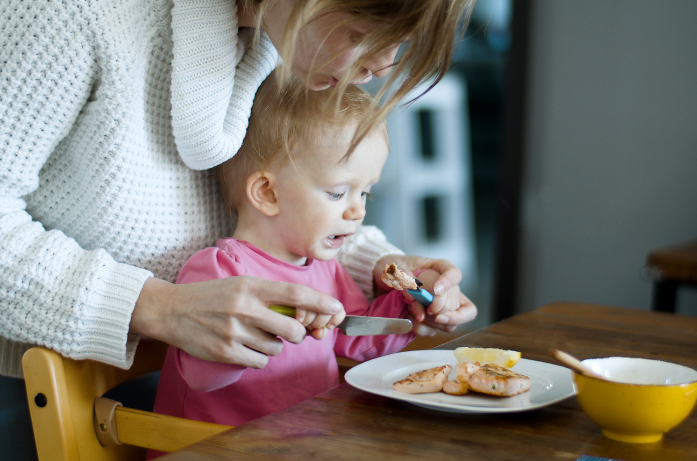
When babies first begin solids, they only need small amounts of food. At this stage, the goal is to explore new tastes and textures rather than consume large quantities.
Typical Starting Amount
• 1–2 teaspoons once daily
Gradually increase the amount based on your baby’s interest, developmental readiness, and tolerance for new foods.
Remember:
• Breast milk or formula remains the primary source of nutrition
• Appetite can vary from day to day
• Follow your baby’s hunger and fullness cues
• It’s normal for babies to eat very little when first starting solids
Avoid forcing bites. Creating a positive and relaxed feeding experience can help encourage healthy eating habits over time.
Foods to Avoid During the First Year
While many foods can be safely introduced during infancy, some should be avoided until your baby is older.
| Food | Why It Should Be Avoided |
| Honey | May contain bacteria that can cause infant botulism. Avoid all forms of honey before 12 months of age. |
| Whole Nuts | Present a choking hazard for babies and young children. |
| Large Chunks of Food | Can increase the risk of choking. Always offer foods in age-appropriate sizes and textures. |
| Excess Salt | Babies’ kidneys are still developing and do not need added salt. |
| Added Sugar | Offers little nutritional value and may encourage a preference for overly sweet foods. |
| Unpasteurized Products | May contain harmful bacteria that can cause foodborne illness. |
Tips for a Successful First Feeding Experience
Keep Expectations Realistic
The first few weeks of introducing solids are about exploration and learning, not eating large amounts of food.
Introduce One New Food at a Time
Wait about 3–5 days before introducing another new food. This can make it easier to identify possible food sensitivities or allergic reactions.
Follow Your Baby’s Cues
Pay attention to your baby’s signals. If they turn away, close their mouth, or become upset, it may be time to stop the feeding session.
Stay Consistent
Babies often need multiple exposures to a new food before they begin to accept it. Continue offering a variety of foods without pressure.
Make Mealtime Positive
Smile, talk gently, and create a relaxed environment. Positive feeding experiences can help encourage healthy eating habits as your child grows.
Common Mistakes Parents Make
Starting Too Early
Introducing solids before your baby shows signs of developmental readiness may increase feeding challenges and make mealtimes more frustrating for both parent and child.
Expecting Large Portions
Many parents are surprised by how little babies eat when first starting solids. Small amounts are normal during the early stages.
Offering Too Few Foods
Providing a variety of foods helps expose babies to different flavors, textures, and nutrients that support healthy eating habits.
Giving Up After One Attempt
It’s common for babies to reject a new food at first. Many babies need multiple exposures before they learn to accept and enjoy it.
Using Food as Entertainment
Feeding should be guided by your baby’s hunger and fullness cues rather than used solely to distract or entertain. Responsive feeding helps support a healthy relationship with food over time.
Frequently Asked Questions
Can I start solids at exactly 4 months?
Not necessarily. Signs of developmental readiness are more important than age alone. While some babies may be ready slightly earlier, many are developmentally ready closer to 6 months.
Should I use homemade or store-bought baby food?
Both can be healthy options. The best choice is the one that fits your family’s lifestyle, budget, and feeding preferences.
How often should I feed solids?
Most babies begin with one small serving per day. As your baby becomes more comfortable with eating, the frequency and variety of foods can gradually increase.
What if my baby spits food out?
This is very common when babies are learning to eat. Continue offering foods patiently and avoid forcing bites. Practice and repeated exposure often help.
Can babies drink water?
Small amounts of water may be introduced around the time solids begin. However, breast milk or formula should remain your baby’s primary source of hydration during the first year.
Final Thoughts
Introducing first foods is an exciting milestone that helps your baby develop important nutrition and feeding skills. While every child progresses at their own pace, nutrient-rich options such as avocado, sweet potato, banana, pears, iron-fortified cereals, vegetables, and plain yogurt can provide excellent starting points.
The goal isn’t perfection, it’s exploration, learning, and creating positive experiences around food. By following your baby’s developmental cues and offering a variety of healthy foods, you can help lay the foundation for lifelong healthy eating habits.
As always, if you have concerns about feeding, allergies, growth, or readiness for solids, speak with your pediatrician for personalized guidance.
At LittleOneHeaven, we believe every milestone deserves support and encouragement. Our goal is to provide parents with trusted, practical information to help make the journey through infancy and childhood a little easier.
Trusted Resources for Parents
Parents interested in learning more about introducing solid foods can explore these evidence-based resources:
• HealthyChildren.org (American Academy of Pediatrics) – Starting Solid Foods
• CDC Infant & Toddler Nutrition – When, What, and How to Introduce Solid Foods
Medical Disclaimer
This article is for informational and educational purposes only and is not intended as medical advice. Always consult your pediatrician or qualified healthcare professional before introducing solid foods or making changes to your baby’s diet.