
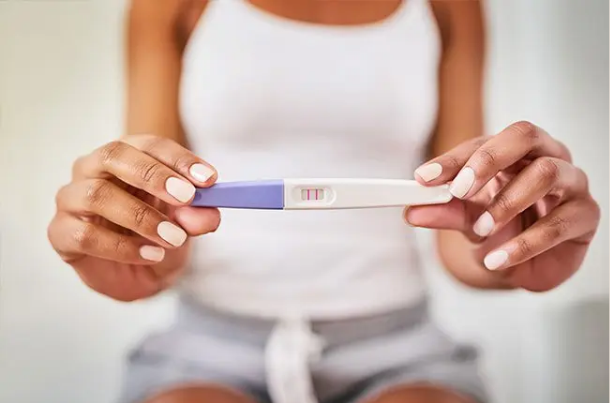
If you mean three days after intercourse, it is too early for a home pregnancy test to detect a pregnancy resulting from that encounter. Your body needs time for fertilization, implantation, and the production of enough pregnancy hormone (hCG) to show up on a test.
If you mean three days after your missed period, however, that’s a very different story. By then, many home pregnancy tests can give a much more reliable result.
Waiting can feel difficult when you have questions and want a clear answer. Let’s walk through the timing together so you know when testing makes sense and what your result may actually mean.

Can We Confirm Pregnancy in 3 Days?
It depends on what you mean by “3 days.”
If you’re asking whether pregnancy can be confirmed three days after intercourse, the answer is generally no. Even if sperm and egg meet quickly, pregnancy does not immediately produce the hormone detected by home pregnancy tests.
After fertilization, the fertilized egg travels toward the uterus. It then needs to implant in the uterine lining. Only after implantation does the body begin producing increasing amounts of human chorionic gonadotropin, better known as hCG.
That means taking a test only three days after intercourse is usually testing before your body has had enough time to produce detectable hCG.
On the other hand, a pregnancy test three days after a missed period can be much more useful because hCG may already be high enough to detect.
Can Pregnancy Be Detected After 3 Days?
If you’re wondering whether pregnancy can be detected after three days, the answer depends entirely on when those three days are being counted from.
Three days after intercourse is generally too soon. Three days after a missed period is often late enough for a home pregnancy test to detect pregnancy.
This difference is important because intercourse, fertilization, implantation, and a positive pregnancy test don’t all happen at the same time.
Think of pregnancy as a little sequence of events rather than something the body can detect instantly.
What Happens After Intercourse?
Sperm can survive inside the female reproductive tract for several days. If ovulation occurs during that time, sperm may fertilize an egg.
But fertilization still doesn’t mean you’ll immediately get a positive pregnancy test.
The fertilized egg needs time to travel toward the uterus and implant. Implantation commonly happens several days after ovulation rather than immediately after intercourse.
Once implantation occurs, hCG begins to rise. That’s the hormone pregnancy tests are looking for.

Pregnancy Test 3 Days After Intercourse: Is It Too Early?
Yes, in most cases, a pregnancy test three days after intercourse is much too early.
Even a very sensitive home pregnancy test is unlikely to give you useful information at this point because implantation may not have happened yet.
You could therefore get a negative test even if conception eventually results in pregnancy. This is called a false-negative result.
If you test this early and get a valid negative result, try not to assume that pregnancy has definitely been ruled out. Your body may simply need more time.
Waiting isn’t easy, I know. But waiting until an appropriate testing date can save you from unnecessary confusion and emotional ups and downs caused by testing too early.
How Early Can Pregnancy Be Detected?
When you ask how early pregnancy can be detected, there isn’t one perfect answer for everyone.
Ovulation doesn’t always happen on exactly the same day each month. Implantation timing can vary too, and different pregnancy tests have different sensitivities.
Some highly sensitive home tests may detect pregnancy before a missed period. However, an early negative result is less reliable than a result obtained on or after the expected period.
For the clearest answer, testing after your period is due is usually a better choice.
What About a Blood Pregnancy Test?
Blood tests can detect hCG at lower levels than many urine tests and may identify pregnancy earlier.
However, blood testing isn’t usually necessary simply because you’re eager to know a few days sooner. A healthcare professional may recommend it in particular circumstances, such as fertility treatment or when pregnancy needs closer medical monitoring.
If you’re unsure whether you need a blood test, your doctor or midwife can guide you based on your situation. A blood test still cannot confirm a pregnancy from intercourse only three days earlier. It also cannot, on its own, establish where a pregnancy is located. When symptoms are concerning, clinicians may use repeat blood tests and an ultrasound as part of an assessment.
When to Take a Pregnancy Test for the Most Reliable Result
Knowing when to take a pregnancy test can make the whole process much less confusing.
For most people with regular cycles, a sensible time to use a home pregnancy test is from the first day of a missed period. If your period is already late, testing can usually provide a more meaningful answer than testing immediately after intercourse.
If your periods are irregular or you do not know when your next period is due, test at least 21 days after the last time you had unprotected sex. If you have unprotected sex again, that later encounter needs its own testing timeline.
Always read the instructions that come with your particular test. Different brands may have slightly different directions and sensitivity levels.
If you test early and receive a negative result but your period still doesn’t arrive, wait a few days and test again.
Is Morning the Best Time to Test?
When testing very early, using your first urine after waking can be helpful because it is usually more concentrated.
Try not to drink a huge amount of water immediately before testing. Very diluted urine may make hCG harder to detect when hormone levels are still low.
Once your hCG levels have risen sufficiently, the time of day may matter less. Still, following your test manufacturer’s instructions gives you the best chance of getting an accurate result.
Pregnancy Test 3 Days After Missed Period: Can You Trust It?
A pregnancy test three days after a missed period is generally much more informative than one taken three days after intercourse.
By this point, if pregnancy has occurred, hCG will often have risen enough to be detected by a home urine test.
A positive result is usually meaningful when the test has been used correctly. A negative result, however, may occasionally happen even when you’re pregnant, particularly if you ovulated later than you thought.
If the result is negative and your period still doesn’t come, repeat the test after a few days.
If a second test is negative but your period remains absent, it’s worth speaking with your healthcare provider.
How Soon Does hCG Show in Urine?
Understanding when hCG becomes detectable in urine helps explain why those first few days can be so frustrating.
Your body begins producing hCG after implantation. It then rises rapidly during early pregnancy.
However, the exact timing varies from woman to woman. That’s why one person may see a positive test before her expected period while another doesn’t see one until several days later.
This variation can happen and is one reason comparing your test results with someone else’s experience isn’t always helpful.
Your body has its own timeline. A home test cannot tell you exactly when fertilization happened, and the darkness of a test line is not a reliable measure of whether a pregnancy is developing normally.
How Accurate Are Early Pregnancy Tests?
Early pregnancy test accuracy depends heavily on timing.
A test taken too soon can miss a pregnancy because there simply isn’t enough hCG in the urine yet. As you get closer to, and pass, the expected date of your period, home tests generally become more reliable.
How you use the test matters as well.
Check the expiration date, follow the instructions carefully, use the recommended amount of urine, and read the result within the manufacturer’s specified time window.
Reading a test much later than instructed can cause confusion because marks may appear as it dries.
Check the control indicator as well. If the expected control line or symbol is missing, the result is invalid, even if another mark is visible. Use a new test and follow its instructions. Digital tests may display an error rather than a missing line.
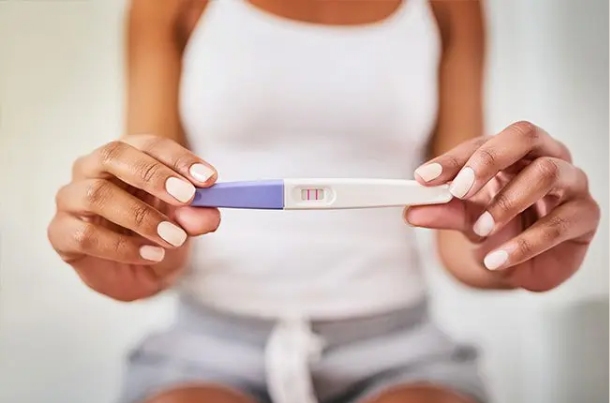
What If You See a Very Faint Line?
Oh, the famous “Is that actually a line?” moment.
On a line-based test, a faint colored test line in the correct position within the instructed reading window generally indicates a positive result, provided the control indicator is also present. Check the diagram supplied with your test: a colorless shadow or a mark that appears later should not be treated as confirmation. When you’re testing early, hCG levels may simply be low.
Try another test after a couple of days, or contact your healthcare provider if you’re unsure about the result.
Once the reading window has passed, put the test aside. Rechecking it under different lights cannot make an out-of-time result reliable. If you remain unsure, use a new test at the appropriate time rather than interpreting photographs or shadows.
Earliest Signs of Pregnancy Before a Positive Test
When you’re waiting to test, it’s natural to pay close attention to your body.
Some of the earliest signs of pregnancy may include breast tenderness, tiredness, mild cramping, bloating, nausea, increased urination, or changes in appetite and smell.
But here’s the tricky part: many of these symptoms can also happen before your period.
Progesterone rises after ovulation whether or not pregnancy occurs, so PMS and very early pregnancy can feel surprisingly similar.
Symptoms alone cannot reliably confirm pregnancy.
What If I Don’t Have Any Symptoms?
Please don’t worry.
Not everyone experiences obvious early pregnancy symptoms. Some women feel completely normal when they first receive a positive pregnancy test.
Symptoms also vary enormously between pregnancies. You might have noticeable symptoms during one pregnancy and very few during another.
The absence of morning sickness, breast tenderness, or other early symptoms doesn’t automatically mean something is wrong.
A Simple Pregnancy Testing Timeline
If all these dates are starting to feel confusing, here’s an easier way to think about it.
Around 3 days after intercourse: Usually too early to test.
About a week after intercourse: Often still too early for a dependable home urine test, depending on when ovulation and implantation occurred.
Around the expected period: A much better time to take a home pregnancy test.
A few days after a missed period: Home pregnancy tests are generally more reliable, though a negative result may need repeating.
If the expected period date is unknown: Test at least 21 days after the last unprotected sex.
If you test negative but still don’t get your period, repeat the test after a few days or speak with your healthcare provider.
The key is not to treat an extremely early negative result as a final answer.
What Should You Do If Your Pregnancy Test Is Negative?
Seeing a negative result when you desperately want two lines can hurt more than people sometimes realize.
Before assuming you’re definitely not pregnant, consider when you tested.
If you tested before your expected period or only a few days after intercourse, you may simply have tested too early. Wait a little longer and try again.
If your period is significantly delayed and repeated tests remain negative, contact your healthcare provider. Pregnancy isn’t the only reason a period can be late. Stress, illness, weight changes, hormonal changes, intense exercise, and other factors can affect your menstrual cycle.
What Should You Do After a Positive Pregnancy Test?
Seeing that positive line can bring excitement, disbelief, happiness, fear, or all of those emotions at once.
Take a moment. You don’t have to figure everything out immediately.
Contact your healthcare provider to ask about the next steps and when they recommend your first prenatal appointment. If you are continuing the pregnancy and are not already taking folic acid or a prenatal vitamin containing it, ask your healthcare professional or pharmacist about an appropriate supplement promptly. Your clinician can advise if your medical history calls for a different dose.
If you are unsure how you feel about the result or whether you want to continue the pregnancy, a qualified healthcare professional can explain your options confidentially. You do not have to feel excited, or make every decision immediately, to deserve respectful care.
It’s also a good time to avoid alcohol and smoking and check whether any medicines or supplements you’re taking are considered appropriate during pregnancy. Don’t abruptly stop an important prescribed medication without medical advice.
One little step at a time is enough.
If you’re continuing your pregnancy and wondering how to approach the months ahead, our guide to enjoying pregnancy without pressure to feel happy every day offers gentle ideas for rest, support, and making room for your feelings.
When Should You Contact a Doctor Urgently?
Most early pregnancy symptoms are not emergencies, but there are situations where you shouldn’t wait for another home pregnancy test.
Seek prompt medical care if you have a positive pregnancy test—or think you could be pregnant, and develop severe or worsening abdominal or pelvic pain, particularly pain mainly on one side.
Seek emergency care immediately for sudden intense abdominal pain, fainting, collapse, or heavy bleeding with dizziness or weakness. Call your local emergency number if you feel seriously unwell; do not drive yourself if you are faint. Shoulder-tip pain or one-sided pelvic pain with possible pregnancy also needs urgent assessment.
You do not need a positive home test before seeking help. A very early negative result does not safely rule out an ectopic pregnancy when concerning symptoms are present.
These symptoms can have different causes, but they can sometimes occur with an ectopic pregnancy or another condition that needs immediate evaluation.
When something feels seriously wrong, getting checked is always more important than waiting to see what the next test says.
What If Pregnancy Is Not Wanted After Recent Unprotected Sex?
If the sex happened only three days ago and you do not want to become pregnant, do not wait for a pregnancy test to turn positive. Contact a pharmacist, clinician, or sexual-health service today about emergency contraception.
Depending on the method, emergency contraception is used within three to five days after unprotected sex, and earlier use is generally better. A copper IUD is the most effective option and can usually be fitted within five days; a trained clinician must assess suitability and arrange insertion. The available pill options and appropriate timing depend on your circumstances and local access.
Tell the professional exactly when sex happened and about any medicines you take. Follow their advice about contraception afterward and when to test. An early negative test does not mean emergency contraception is unnecessary.
Practical Tips While You’re Waiting to Test
The waiting period between intercourse, an expected period, and a pregnancy test can feel surprisingly emotional. A few simple things can make those days easier:
Don’t test repeatedly from day three onward. It may increase anxiety without giving you a reliable answer.
Mark the expected date of your period. This gives you a clearer testing date instead of guessing every morning.
Follow the test instructions exactly. Even if you’ve used pregnancy tests before, brands can differ.
Repeat an early negative test. If your period hasn’t arrived, testing again after a few days can give you a clearer answer.
Try not to symptom-spot constantly. Early pregnancy and PMS can feel almost identical.
Talk to someone you trust. Whether you’re hoping for pregnancy or worried about it, you don’t have to hold all those feelings by yourself.
Most importantly, be gentle with yourself. Wanting an answer immediately is completely understandable.
FAQs
Can I know if I’m pregnant 3 days after intercourse?
Can pregnancy be detected 3 days after conception?
Can I take a pregnancy test before my missed period?
Is a pregnancy test accurate 3 days after a missed period?
How long should I wait after a negative pregnancy test?
Can pregnancy symptoms start before a positive test?
When should I test if my periods are irregular?
What does a missing control line mean?
Can fertility treatment affect a home pregnancy test?
Does a positive home test confirm a healthy pregnancy?
Final Thoughts
So, can we confirm pregnancy in 3 days? If you’re talking about three days after intercourse, probably not. Your body needs time for fertilization, implantation, and hCG levels to rise enough for a pregnancy test to detect them.
If you’re already three days past your expected period, however, taking a home pregnancy test can give you a much clearer answer.
Waiting can feel much longer when there’s something important on the other side of that little test window.
Whether you’re praying for two lines or feeling nervous about seeing them, try not to let one very early test decide the whole story. Give your body the time it needs, test at the appropriate time, and reach out to a healthcare professional whenever you’re uncertain.
Whatever the result brings, you don’t have to have every next step figured out today.
For more practical guidance as you navigate pregnancy and prepare for parenthood, explore Little One Haven. Take the next step at your own pace, with support when you need it.
Resources
NHS: Ectopic Pregnancy Symptoms
Office on Women’s Health: Pregnancy Tests
Disclaimer
This article is for general educational information only and does not replace individualized medical advice. Contact a healthcare professional if pregnancy tests remain negative while your period is absent, if you are unsure how to interpret a result, or if you need advice about emergency contraception after recent unprotected sex. Seek urgent medical assessment if you may be pregnant and develop severe or worsening abdominal or pelvic pain, one-sided pain, shoulder-tip pain, bleeding, or faintness. Seek emergency care for sudden severe abdominal pain, collapse, fainting, or heavy bleeding with dizziness or weakness.
About the Author
Geeta Yogi writes warm, practical content about pregnancy, early pregnancy symptoms, testing, prenatal care, baby development, and everyday parenting concerns. She focuses on clear, reassuring guidance that helps readers understand pregnancy timing and know when professional medical advice may be useful.
