

Becoming a parent is one of the most emotional and responsible experiences in life. When a baby arrives in a family for the first time, along with happiness come many new concerns. New parents constantly think about small and big things, whether the baby is eating properly, sleeping well, and whether their health is okay.
For many people, parenting is completely new, which is why new parents parenting mistakes are very common. These mistakes are not intentional; they usually happen because parents are still learning how to take care of their child. That is why understanding common parenting mistakes can help parents become more confident and relaxed.
New parents often find themselves constantly thinking about their baby, whether the baby is eating well, sleeping properly, or feeling comfortable. Because everything is new, it is natural for parents to feel confused or make small mistakes while learning how to care for their child.
Let’s understand why new parents often make mistakes and how they can avoid them.
1. Lack of Experience
In the early days after a baby is born, new parents often feel very worried and confused. Everything is new for them, so it takes time to understand the baby. Parents may find it difficult to understand why the baby is crying, when the baby wants to sleep, or what the baby actually needs.
Many times parents cannot immediately understand what is right or wrong for the baby because it is their first experience of taking care of a child. But this is completely natural. With time, parents slowly begin to understand their baby’s habits, the reasons behind the baby’s crying, and the baby’s needs.
As parents gain experience, things become easier. During this time it is very important to stay patient, and if needed, taking advice from doctors or experienced people can be very helpful.
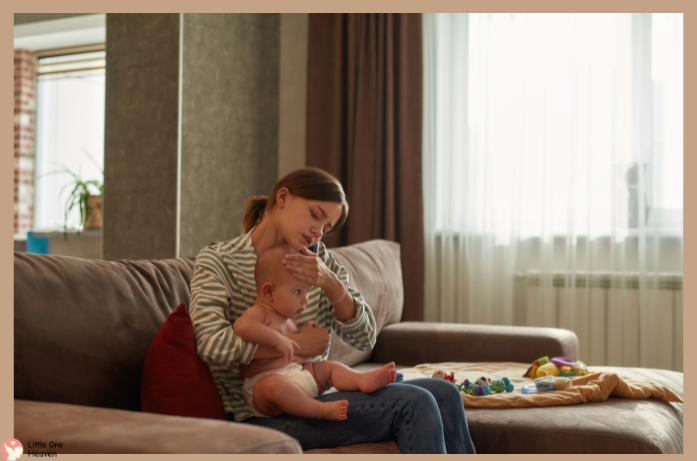
2. Too Much Worry About the Child’s Health
New parents often worry a lot about their baby’s health. Even small things can make them feel anxious. For example, if the baby eats a little less, cries more than usual, or seems uncomfortable, parents may start thinking that something is wrong. Sometimes they become scared and wonder if the baby has a stomach ache, if the baby is not feeling well, or why the baby is crying so much.
This kind of worry is very common among new parents. Almost every mother and father goes through this phase, especially in the beginning, because they want their child to be healthy and safe. Their concern comes from love, care, and the new responsibility of taking care of a baby.
What you should do:
Instead of panicking over every small change, try to slowly understand your baby’s behavior, habits, and daily patterns. With time, parents learn to recognize what is normal for their child and when they truly need to worry.
3. Confusion Due to Too Many Opinions
When a baby is small, family members, relatives, and people around often start giving different kinds of advice. Someone may suggest one way of taking care of the baby, while another person may recommend something completely different. Everyone shares suggestions based on their own experience.
In such situations, new parents often become confused. They may not understand whose advice is right and whose they should follow. Sometimes listening to so many different opinions can make them even more worried and stressed.
Understanding these situations can help parents avoid some common parenting mistakes and develop better parenting habits.
What you should do:
Instead of following every piece of advice, take time to think carefully before making decisions. When necessary, give priority to professional advice from a doctor or a qualified expert to ensure the baby receives proper care.
4. Comparing Your Child With Others
Many times parents start comparing their child with other children. If another child begins to speak or walk earlier, they start wondering why their own child has not started doing the same yet. Because of this, new parents often become worried about their child.
They think that another child has already started speaking and walking, so why their own child is not learning these things yet. Such thoughts can make them feel anxious and troubled.
But the truth is that every child is different, and every child develops at their own pace. Some children learn to speak earlier, while others may take a little more time to start walking or learn other skills.
What you should do:
Allow your child to grow and learn at their own pace. Instead of worrying, try to notice and celebrate their small efforts and achievements, because every little step is an important part of their development.
According to the CDC, children reach developmental milestones such as speaking, walking, and social skills at different times as they grow and learn.
5. Trying to Protect the Child All the Time
Many parents feel scared that their child might get hurt or injured. Because of this fear, they often stop the child from running, playing, or trying new things. We all know that a child is very precious to every parent, and it is natural for mothers and fathers to worry about their child’s safety.
However, constantly stopping a child from exploring or playing can slow down their learning process. Children learn many important things through play, movement, and small experiences.
What you should do:
Instead of stopping the child again and again, try to provide a safe environment where they can play and explore freely. This helps them learn, grow, and become more confident.
Learning patience and setting small boundaries are simple but powerful parenting tips for new parents that can help children develop better behavior.
6. Fulfilling Every Demand Immediately
When children are small, they often cry for things like toys or other items they want. Seeing their child cry, parents quickly try to fulfill their demands because they believe it will make the child happy. Out of love and care, they do not want to see their child upset.
However, many parents do not realize that always giving the child what they want right away can slowly make the child more stubborn. The child may start expecting that every demand will be fulfilled immediately.
What you should do:
It is important to help children understand that they cannot get everything instantly. Gently teaching them patience and explaining things to them can help them develop better habits as they grow.
7. Not Giving Enough Time Because of Mobile Phones and Busy Life
In today’s fast-paced life, many parents remain busy with work, household responsibilities, or mobile phones. Because of this busy routine, they sometimes do not get enough time to sit with their children or pay full attention to them.
However, children need their parents’ time and presence more than expensive toys or gifts. When parents spend time playing with their children, talking to them, listening to their thoughts, or telling them stories, it makes children feel loved and secure. These simple moments help build a child’s self-confidence and strengthen the emotional bond between parents and children.
What you should do:
Try to keep some “no-phone time” every day and spend that time fully with your child. Playing together, having conversations, or telling stories can make a big difference in a child’s emotional and personal development.
When parents learn to listen and understand their child’s emotions, they slowly discover how to be a better parent in everyday situations.
8. Not Trying to Understand the Child’s Emotions
Small children often cannot express their feelings clearly in words. Because of this, they usually show their emotions by crying, getting upset, or sometimes becoming angry. For them, this is one of the few ways to communicate what they are feeling or what they need.
However, many times parents misunderstand this behavior and think that the child is being stubborn or throwing a tantrum. In reality, the child may simply be trying to express discomfort, tiredness, or a need for attention.
Read more: Harvard Center on the Developing Child
What you should do
Instead of reacting with anger, try to understand your child’s feelings with patience. Talk to them calmly and handle the situation with love. When children feel understood and cared for, they slowly learn to express their emotions in better ways.
9. Expecting Perfection From Yourself
New parents sometimes feel pressure to be perfect. They may believe that they must always know the right answer for their child. When something goes wrong, they may blame themselves or feel guilty.
However, parenting is a learning process. No parent is perfect, and mistakes are part of the journey.
What you should do
Be kind to yourself. Focus on learning and improving instead of trying to be a perfect parent. What matters most is your love, care, and effort for your child.
Signs You Are Doing Good Parenting
Many parents often worry about whether they are raising their child the right way. They sometimes feel unsure and wonder if they are making mistakes. However, good parenting is not about being perfect. It is about showing love, understanding, and support to your child every day.
If you notice some of the following signs, it usually means you are doing a good job as a parent:
Your child feels safe around you
when a child feels comfortable and secure with their parents, it shows that they trust them. If your child comes to you when they are scared, sad, or happy, it is a sign of a strong emotional bond.
Your child talks openly with you
If your child shares their thoughts, experiences, or small daily stories with you, it means they feel heard and valued. Open communication helps build trust between parents and children.
You try to understand your child’s feelings
Good parents try to understand what their child is feeling instead of immediately reacting with anger. Listening patiently and responding with care helps children feel emotionally supported.
You spend quality time with your child
Spending time playing, talking, reading stories, or simply sitting together helps children feel loved and important. These moments strengthen the emotional connection between parents and children.
Remember, parenting is a journey of learning and growth. If you are trying your best to understand and support your child with love and patience, you are already on the right path.
FAQ (Frequently Asked Questions)
1. What is the most common mistake new parents make?
New parents often panic over small things related to their child or start comparing their child with other children. This is common because they have less experience in parenting.
2. Is it normal to make mistakes in parenting?
Yes, making mistakes in parenting is completely normal. Every parent becomes better with time and experience. The most important thing is to learn from mistakes and adopt better approaches.
3. Why is spending time with children important?
Children need their parents’ love, attention, and time. When parents play with their children, talk to them, and listen to them, it helps children become emotionally stronger.
4. Does excessive mobile use affect children?
Yes, if parents or children use mobile phones too much, it can affect a child’s behavior and learning habits. That’s why it is better to limit screen time.
5. What is the most important thing to become a good parent?
Patience, love, understanding, and spending quality time with your child are the most important aspects of good parenting.
6. How can new parents reduce parenting stress?
New parents can reduce stress by sharing responsibilities, talking openly with their partner, taking small breaks, and asking for help from family members when needed.
Conclusion
Parenting is not about being perfect; it is about learning, growing, and understanding your child with love and patience. Every parent makes mistakes, especially in the beginning. What truly matters is the effort to learn and improve.
When parents provide love, guidance, and emotional support, children grow into confident and happy individuals.
Remember, there is no perfect guide to parenting. The best parenting advice for beginners is to stay patient, keep learning, and spend meaningful time with your child.
When parents provide love, guidance, and emotional support, children grow into confident and happy individuals. The most important thing is to trust yourself and continue learning how to be a better parent every day.
Safety Disclaimer
This article is written for general information and awareness purposes only. Every child is different, and their needs may also vary. If there is any serious concern related to a child’s health, development, or behavior, it is important to consult a pediatrician (doctor).
Parents should always seek expert advice before making any decisions related to their child’s health or development.