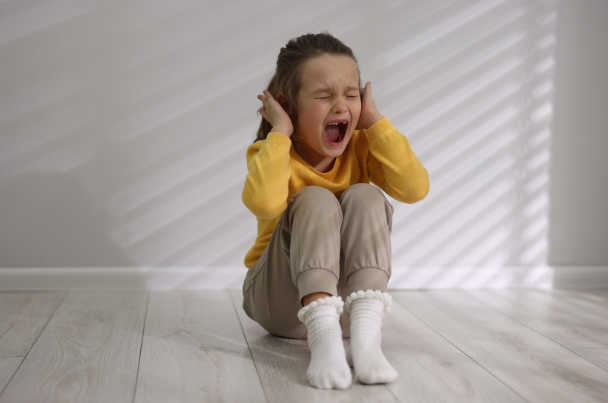
Every child has difficult days. They may throw a tantrum because they cannot have another snack, refuse to put their shoes on, argue about bedtime, or become upset over something that seems very small to you.
But when challenging behavior happens frequently, parents may start wondering, “How do I know if my child has behavioral issues?”
It is an understandable question, especially when you are trying to figure out whether your child’s behavior is simply part of growing up or something that needs more attention.
Occasional tantrums, anger, defiance, fears, and emotional outbursts can all occur during normal childhood development. What usually matters more is how often the behavior happens, how intense it is, how long it has been happening, and whether it is affecting your child’s everyday life. The CDC notes that disruptive behavior becomes more concerning when it is unusual for a child’s age, persists over time, or is severe.
Understanding the difference can help you respond calmly, support your child, and know when it may be time to speak with a pediatrician.
Quick Answer
Behavioral issues in children are not defined by one tantrum or difficult moment. Parents should look at patterns: how often the behavior happens, how intense it is, how long it continues, and whether it affects daily life, relationships, school, or family routines.
Parents often wonder how to know if your child has behavioral issues, but the answer usually comes from looking at behavior patterns rather than one difficult moment.
What Are Behavioral Issues in Children?
Behavioral issues in children generally refer to patterns of behavior that make it difficult for a child to function comfortably at home, at school, with friends, or in everyday situations.
A child might struggle with anger, following directions, controlling impulses, managing emotions, interacting with other children, or adjusting to expectations.
However, having some of these behaviors does not automatically mean your child has a behavioral disorder.
Children are still learning emotional regulation, communication, patience, independence, and social skills. Younger children in particular may express feelings through behavior because they do not yet have the words or skills to explain what they are experiencing.
For example, the American Academy of Pediatrics explains that tantrums are common in young children and tend to improve as children develop greater emotional and communication skills.
The bigger picture matters.
Normal Child Behavior vs Behavioral Problems
One of the hardest things for parents is knowing what is normal.
A three-year-old dropping to the floor because you turned off a cartoon may be frustrating, but it can still fall within normal development.
Knowing how to know if your child has behavioral issues becomes easier when you look at whether the behavior is age-appropriate, how often it happens, and how much it affects everyday life.
A school-age child occasionally arguing about homework does not necessarily indicate a behavioral problem either.
Children test boundaries. They get tired, hungry, overstimulated, jealous, frustrated, anxious, and disappointed.
What deserves closer attention is a persistent pattern that seems significantly more intense than what you would expect for your child’s developmental stage.
For example, you may want to pay closer attention if your child’s behavior happens almost every day, lasts for a long time, appears in several settings, seriously disrupts family or school life, or puts your child or someone else at risk.
The CDC similarly distinguishes occasional arguing or defiance from behavior that is severe, persistent, or unusual for the child’s age.
Behavioral Issues in Children by Age
Children’s behavior changes as they grow, and what is considered typical depends greatly on their developmental stage. A behavior that seems challenging in one age group may be a normal part of learning and emotional development in another.
Age is especially important when understanding how to know if your child has behavioral issues, because the same behavior may be completely normal at one developmental stage but more concerning at another.
Toddlers
Toddlers are learning independence, communication, and emotional control. During this stage, behaviors such as frequent tantrums, saying “no,” testing boundaries, and becoming upset quickly are common. These reactions often happen because young children are still developing the skills needed to express their feelings and manage frustration.
Preschoolers
Preschool children continue developing emotional regulation, patience, communication, and social skills. They may still have occasional emotional outbursts, struggle with sharing, or need reminders to follow instructions. As children grow, they gradually learn better ways to handle disappointment, cooperate with others, and express their needs.
School-Age Children
Older children are expected to manage more responsibilities at home, school, and with friendships. Behavioral concerns at this age may appear as ongoing difficulty following rules, major changes in emotions, problems maintaining friendships, struggles at school, or behavior patterns that interfere with everyday life. Looking at how long the behavior continues and how much it affects the child is more important than one difficult moment.
How to Know If Your Child Has Behavioral Issues: Key Signs
There is no single behavior that tells you something is definitely wrong. Instead, look for patterns and changes over time.
Some signs of behavioral issues in children that may deserve attention include:
- Frequent or unusually intense tantrums for your child’s age
- Extreme irritability or anger much of the time
- Regular hitting, kicking, biting, pushing, or aggressive behavior
- Deliberately hurting people or animals
- Constantly refusing reasonable, age-appropriate instructions
- Repeatedly breaking important rules
- Serious difficulty controlling impulses
- Very short attention span that interferes with school or everyday activities
- Extreme restlessness compared with children of a similar age
- Frequent problems getting along with other children
- Losing friendships because of behavior
- Becoming unusually withdrawn or avoiding people and activities
- Strong fears, worries, or anxiety that interfere with normal activities
- Significant changes in eating or sleeping
- Frequent unexplained headaches or stomachaches alongside emotional distress
- Sudden decline in school performance
- Behavior that regularly causes major disruption at home, school, or childcare
NIMH identifies persistent irritability, frequent tantrums, excessive worry, sleep changes, difficulty making friends, physical complaints without an identified medical cause, and difficulty sitting still among signs that can warrant closer attention when they persist or interfere with a child’s life.
One sign by itself does not provide a diagnosis. The child’s age, development, environment, health, and the circumstances surrounding the behavior all matter.
Pay Attention to How Often the Behavior Happens
Frequency can tell you a lot.
Imagine your child has a major meltdown after staying up late during a family celebration. That behavior may have an obvious explanation: exhaustion.
Intensity is another important clue when figuring out how to know if your child has behavioral issues, especially when reactions seem extreme for your child’s age or situation.
But if similar meltdowns happen nearly every afternoon regardless of sleep, hunger, or the situation, it may be worth looking more closely.
Ask yourself whether the behavior happens occasionally or has become part of your child’s normal day.
Keeping a simple behavior diary for a week or two can help you notice patterns you may otherwise miss.
You might write down what happened before the behavior, what your child did, how long it lasted, and what helped them calm down.
Consider How Intense the Behavior Is
Intensity matters just as much as frequency.
A child saying, “I’m angry!” and stomping into their bedroom is very different from a child regularly destroying objects or seriously hurting another person when angry.
Young children naturally have limited emotional control, but extremely aggressive or fearful behavior can deserve professional attention. The American Academy of Pediatrics recommends discussing concerns with a pediatrician when aggressive behavior seems unusually severe or continues despite efforts to address it.
Instead of comparing your child with one sibling or one classmate, think about the overall level of distress and disruption the behavior causes.
Does It Happen in More Than One Place?
Where the behavior occurs can provide useful clues.
A child who struggles only at home may be responding to a particular routine, relationship, boundary, or family stressor.
A child who struggles only at school may be having difficulty with academics, friendships, sensory demands, bullying, attention, or the classroom environment.
When similar difficulties consistently appear at home, school, extracurricular activities, and social situations, it may suggest that your child needs additional support.
Teachers and childcare providers can therefore be valuable sources of information.
Try asking what they observe rather than simply asking whether your child is “behaving.”
You may discover that your child’s behavior looks very different in different environments.
Is the Behavior Affecting Everyday Life?
This is one of the most important questions parents can ask.
Behavior deserves closer attention when it begins interfering with your child’s ability to learn, sleep, maintain friendships, participate in family activities, or enjoy things they normally like.
One of the clearest ways to understand how to know if your child has behavioral issues is to notice whether the behavior is interfering with school, friendships, sleep, family routines, or your child’s emotional well-being.
For example, occasional worries about going to school can happen.
But if fear becomes so strong that your child repeatedly cannot attend school, sleep comfortably, separate from you, or participate in ordinary activities, additional support may be helpful. Persistent or extreme fears and sadness can sometimes be associated with anxiety or depression.
The same principle applies to anger, impulsivity, aggression, and defiance.
It is not simply about whether the behavior is inconvenient for adults. The important question is whether your child is struggling because of it.
What Can Cause Behavior Problems in Children?
Difficult behavior can have many possible explanations, and sometimes several factors are happening at the same time.
A child who is acting out may be overwhelmed, stressed, frustrated, or unable to communicate what they need. The American Academy of Pediatrics notes that children may sometimes act out when strong emotions overwhelm the coping skills they currently have.
Changes in behavior may also be associated with poor sleep, family changes, school stress, friendship problems, bullying, communication difficulties, developmental differences, learning difficulties, anxiety, depression, ADHD, or other emotional and behavioral conditions.
This is why trying to diagnose a child based on one symptom—or an online checklist—is rarely helpful.
A professional evaluation considers the whole child rather than one difficult behavior.
Could My Child Just Be Going Through a Phase?
Yes.
Development is full of phases.
Toddlers may say “no” constantly while discovering independence. Preschoolers can have big reactions because emotional regulation is still developing. School-age children may test rules and become more influenced by friends. Teenagers often seek greater privacy and independence.
Age and developmental stage therefore make a huge difference when deciding whether behavior is concerning.
For example, intense emotions are common around age two. The American Academy of Pediatrics notes that two-year-olds can naturally move through a wide range of emotions, although persistent withdrawal, sadness, or other particularly concerning patterns should be discussed with a pediatrician.
Instead of asking only, “Is this behavior bad?” ask, “Is this behavior expected for a child at this developmental stage, and is my child able to recover and continue with everyday life?”
What Should I Do If I Am Worried About My Child’s Behavior?
Start by observing before assuming the worst.
If you are still unsure how to know if your child has behavioral issues, keeping track of triggers, frequency, duration, and what helps your child calm down can give you a clearer picture.
Notice when the behavior happens.
Does it usually occur before meals? After school? When your child is tired? During homework? When transitioning away from screens? In crowded or noisy environments?
Patterns can reveal needs that are difficult for children to communicate directly.
It can also help to keep routines predictable, set clear and realistic limits, praise positive behavior, and give simple instructions. If your child often refuses directions or pushes back against everyday rules, learning how to change stubborn child behavior can give you practical ways to respond calmly while still maintaining healthy boundaries.
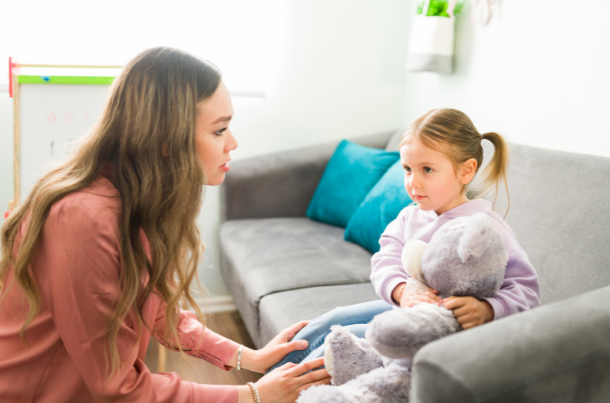
When your child is calm, talk about what happened.
Instead of beginning with “Why did you behave like that?” you might say, “You looked really frustrated when it was time to stop playing. What were you feeling?”
The goal is not to excuse unsafe behavior. It is to understand what is driving it while teaching your child safer ways to respond.
Talk With Your Child’s Teacher or Caregiver
Parents only see part of their child’s day.
Teachers, grandparents, coaches, and childcare providers may notice patterns you do not.
Ask whether they have noticed difficulties with attention, friendships, transitions, frustration, following instructions, aggression, anxiety, or schoolwork.
If everyone is noticing the same pattern, sharing those observations with your pediatrician can be especially helpful.
If the difficulty occurs only in one environment, that information is useful too.
When Should I Speak With a Pediatrician?
You do not need to wait until behavior becomes unbearable before asking for help.
Consider speaking with your child’s pediatrician if the behavior has continued for weeks or months, is becoming more severe, is causing significant problems at school or home, is damaging friendships, or is making everyday family life extremely difficult.
Your pediatrician can consider developmental, physical, emotional, social, and environmental factors and decide whether additional evaluation would be useful. They may recommend support from a psychologist, developmental-behavioral pediatrician, psychiatrist, therapist, school professional, or another specialist depending on your child’s needs.
Seeking an evaluation does not mean your child will automatically receive a diagnosis.
Sometimes the most useful outcome is simply understanding why a behavior is happening and learning better ways to support your child.
When Does a Child’s Behavior Need Immediate Help?
Some situations should not wait for a routine appointment.
Seek urgent professional help if your child is talking about suicide, threatening serious harm to themselves or someone else, displaying dangerous violence, or behaving in a way that creates an immediate safety risk.
NIMH advises getting immediate help when a child’s behavior is unsafe or when they talk about wanting to hurt themselves or someone else.
If there is an immediate danger, use your local emergency services or appropriate urgent mental health services.
Avoid Labeling Your Child
When behavior becomes difficult, it is easy to start thinking of a child as “naughty,” “aggressive,” “difficult,” or “out of control.”
But behavior is something a child does. It is not their identity.
Try separating your child from the behavior.
“You hit your brother, and hitting is not okay” gives a very different message from “You are a bad kid.”
Children often need boundaries and consequences, but they also need help developing the skills that allow them to behave differently next time.
Frequently Asked Questions
How do I know if my child’s behavior is normal?
Look at your child’s age, developmental stage, frequency of the behavior, intensity, duration, and how much it interferes with daily life. Occasional tantrums, arguments, and emotional outbursts can be normal. Persistent, severe, or developmentally unusual behavior deserves closer attention.
What are the most common signs of behavioral problems in children?
Possible signs include frequent severe tantrums, aggression, persistent defiance, extreme irritability, impulsive behavior, difficulty maintaining friendships, attention difficulties, significant anxiety, withdrawal, and behavior that interferes with school or family life. These signs can have many explanations and do not automatically mean that a child has a behavioral disorder.
At what age do behavioral problems start?
Behavior difficulties can appear at many ages, but what is considered concerning depends heavily on the child’s developmental stage. Behaviors that are common in toddlers may be less expected in older children. A pediatrician can help determine whether a behavior falls outside typical developmental expectations.
Are tantrums a sign of behavioral problems?
Not necessarily. Tantrums are particularly common in toddlers and young children as they learn to handle frustration and strong emotions. Concern increases when tantrums are unusually frequent or severe for the child’s age, continue over time, cause injuries, or significantly interfere with everyday life.
Can anxiety cause behavior problems in children?
Yes. Anxiety in children does not always look like an adult saying, “I feel anxious.” It can sometimes appear as irritability, avoidance, physical complaints, sleep difficulties, fearfulness, or emotional outbursts. Persistent or extreme anxiety that interferes with everyday activities should be discussed with a healthcare professional.
Does bad behavior mean my child has ADHD?
No. Difficult behavior alone cannot diagnose ADHD. Attention, activity level, impulse control, learning difficulties, sleep, anxiety, and other developmental or emotional factors may overlap. A proper evaluation is needed when ADHD or another condition is suspected.
When should I seek professional help for my child’s behavior?
Consider professional guidance when the behavior persists, becomes increasingly severe, occurs across different settings, interferes with school or relationships, causes significant distress, or creates safety concerns. Your child’s pediatrician is a good place to start.
How do I discipline a child with behavioral problems?
Discipline works best when it focuses on teaching skills rather than punishment. Clear boundaries, consistent routines, and positive reinforcement can help children learn better ways to manage emotions and behavior. If yelling has become a common response during difficult moments, these gentle strategies for how to discipline a child without shouting can help you set limits in a calmer, more constructive way.
Final Thought
Understanding how to know if your child has behavioral issues can help parents respond with patience while remembering that every child develops at their own pace. What matters most is noticing patterns, responding with patience and consistency, and seeking help when something does not feel right.
Early support can make a meaningful difference, not because every challenging behavior signals a problem, but because understanding your child’s needs can help them feel safer, more confident, and better able to manage their emotions and behavior over time.
For more gentle parenting guidance, child development tips, and practical support for everyday parenting, visit Little One Haven and explore more helpful resources for you and your little one.