
Pregnancy is often described as one of the most beautiful phases of life, but if we’re being honest mom-to-mom, it can also feel overwhelming at times. Between changing hormones, sleepless nights, endless thoughts about the baby, and the pressure to “do everything right,” stress during pregnancy is more common than many women realize. And if you’ve been feeling emotionally drained, anxious, or unusually sensitive lately, please know this, you are not alone.
At Little One Haven, we believe motherhood begins long before birth. A mother’s emotional well-being matters deeply, not only for her baby but for her own heart and peace too. This guide is here to gently walk beside you, helping you understand pregnancy stress symptoms, the emotional effects stress can have during pregnancy, and simple, comforting ways to feel calmer and more supported each day.
Learning how to manage stress during pregnancy can help mothers feel more emotionally supported, calm, and connected throughout this important journey.
Understanding Stress During Pregnancy
Pregnancy changes nearly every part of a woman’s life, physically, emotionally, mentally, and even socially. While a little stress is completely normal, ongoing emotional pressure can start affecting your overall well-being.
Some moms feel stressed because of work, finances, relationship worries, or fear about labor and parenting. Others feel emotional for no obvious reason at all. Hormones play a huge role, and sometimes your mind simply needs extra care during this sensitive season.
The important thing to remember is this: feeling stressed does not make you a bad mother. It makes you human.
Common Pregnancy Stress Symptoms
Every mom experiences stress differently during pregnancy. Some women become emotional and tearful, while others may feel quiet, irritated, or mentally exhausted. Because your body and emotions are changing so much, stress can sometimes appear slowly without you even noticing.
One of the most common pregnancy stress symptoms is constant worrying. You may overthink your baby’s health, labor, finances, or whether you’ll be a good mother. Even small things can suddenly feel emotionally overwhelming.
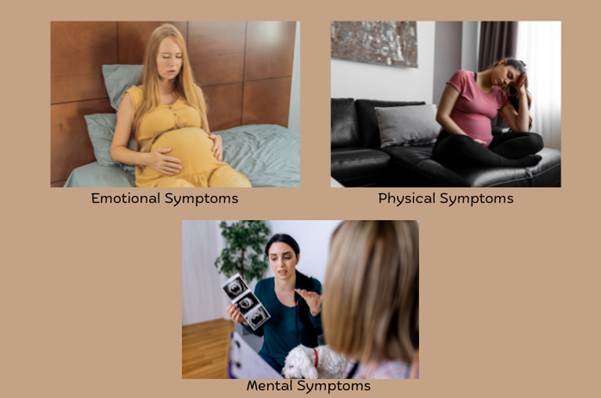
Emotional Symptoms
Feeling anxious or worried
Mood swings or crying more easily
Feeling emotionally drained
Irritability or frustration
Difficulty relaxing
Physical Symptoms
Headaches
Muscle tension
Feeling tired even after rest
Changes in appetite
Trouble sleeping
Mental Symptoms
Racing thoughts
Overthinking labor or your baby’s health
Difficulty concentrating
Forgetfulness
Feeling emotionally disconnected
Stress can affect both your mind and body. Sometimes it grows quietly in the background, leaving you feeling overwhelmed, exhausted, or emotionally stretched thin.
If you’ve been feeling this way, be gentle with yourself. Pregnancy asks a lot from both your body and your heart, and it’s completely normal to need extra support during this season.
Why Emotional Stress During Pregnancy Feels So Intense
One of the hardest parts about emotional stress during pregnancy is how deeply everything feels. A small disagreement may suddenly bring tears. A scary birth story online may stay in your mind all day. Even simple decisions can feel heavy.
This happens because pregnancy naturally makes women more emotionally sensitive. Your mind is preparing for motherhood while your hormones are rapidly shifting. On top of that, many moms carry silent fears:
- “Will I be a good mother?”
- “Is my baby healthy?”
- “How will life change after birth?”
- “Am I ready for this responsibility?”
These thoughts are incredibly common, even among experienced mothers.
As a caring mom who has walked through pregnancy herself, I want you to hear this clearly: you do not need to have everything figured out right now. Motherhood grows gently, one day at a time.
The Effects of Stress on Pregnancy
Many mothers worry after hearing about the effects of stress on pregnancy online. While occasional stress is usually harmless, long-term unmanaged stress can affect both emotional and physical health.
Resources from the American Pregnancy Association also explain that managing ongoing stress during pregnancy is important for a mother’s emotional well-being and overall pregnancy health.
Chronic stress may sometimes contribute to:
- Poor sleep
- High blood pressure
- Increased anxiety
- Fatigue
- Difficulty maintaining healthy routines
In some cases, severe ongoing stress may also affect pregnancy comfort and emotional bonding.
But please don’t panic if you’ve had stressful days. Every mother experiences emotional ups and downs during pregnancy. What matters most is learning healthy ways to care for yourself moving forward.
Your baby does not need a perfect mother.
Your baby needs a loved mother.
Pregnancy Anxiety and Stress: Knowing the Difference
It’s completely normal to feel stressed sometimes during pregnancy. Between physical changes, emotional ups and downs, and worries about the future, most moms experience moments of stress here and there. Usually, stress comes and goes depending on what’s happening in your life.
But sometimes, normal stress can slowly turn into deeper anxiety. Pregnancy anxiety often feels more constant, intense, and difficult to control. Instead of occasional worry, it may start affecting your daily life, sleep, emotions, and overall peace of mind.
Some signs that pregnancy anxiety and stress may be becoming overwhelming include:
- Constant fear, worry, or panic
- Difficulty handling daily tasks
- Avoiding people or social situations
- Feeling hopeless or emotionally drained
- Severe sleep problems
- Persistent sadness or crying often
If these feelings continue for weeks or begin making everyday life feel harder, please know you do not have to carry it alone. Talking to a doctor, counselor, partner, or trusted loved one can make a huge difference. Seeking support during pregnancy is not weakness, it’s a powerful act of self-care for both you and your baby.
How to Reduce Stress During Pregnancy Naturally
Many moms look for simple ways to feel calmer during pregnancy without adding more pressure to themselves. The good news is that reducing stress doesn’t have to mean doing anything complicated. Sometimes the smallest daily habits can gently comfort your mind, relax your body, and help you feel emotionally lighter.
Here are some comforting and natural ways to reduce stress during pregnancy.
Give Yourself Permission to Rest
Many pregnant women feel guilty for slowing down, especially if they’re used to doing everything themselves. But growing a baby is already a full-time job for your body.
Rest is not laziness, it’s part of caring for yourself and your little one.
Take naps when your body feels tired. Sit down while cooking or folding clothes. Let others help you when they offer. Pregnancy is a season where your body truly needs extra gentleness and care.
Limit Negative Information
Reading too many scary birth stories or constantly searching symptoms online can quietly increase anxiety. While it’s natural to want information, too much negativity can make your mind feel overwhelmed.
Try protecting your peace by:
- Following positive and supportive pregnancy content
- Limiting upsetting videos or stories
- Choosing trusted medical sources
- Avoiding comparisons with other moms
Every pregnancy journey is different, and your experience does not need to look like anyone else’s.
Talk About Your Feelings
Keeping stress bottled up inside often makes it feel heavier. Sometimes simply talking about your emotions can bring huge relief.
Share your feelings with:
- Your partner
- A close friend
- Your mother or sister
- Another mom who understands
- A therapist or support group
You don’t have to carry every worry alone. Even hearing someone say, “I understand,” can make your heart feel lighter.
Practice Gentle Breathing
Deep breathing may sound simple, but it can calm the nervous system surprisingly well during stressful moments.
Try this gentle exercise:
- Sit somewhere comfortable.
- Inhale slowly for 4 seconds.
- Hold your breath briefly.
- Exhale slowly for 6 seconds.
Repeat this for a few minutes whenever your thoughts start racing. It can help your body relax and bring a sense of calm back to your mind.
Move Your Body Gently
Light movement during pregnancy can help release emotional tension and improve your mood naturally.
Depending on your doctor’s advice, you can try:
- Slow walks outdoors
- Prenatal yoga
- Gentle stretching
- Soft dancing at home
Movement doesn’t have to be intense to help. Even a short walk in fresh air can make your mind feel clearer and your body feel more relaxed.
Simple Relaxation Tips for Pregnant Women
Sometimes, the smallest comforting habits can make the biggest difference during pregnancy. When your mind feels overwhelmed or your body feels tired, gentle moments of calm can help you feel emotionally lighter and more connected to yourself and your baby.
Here are some simple relaxation tips for pregnant women that feel soothing, comforting, and easy to follow.
Create a Peaceful Evening Routine
The way you end your day can affect how well your mind and body relax at night. Try dimming the lights, putting your phone away for a while, and creating a calm environment before bed.
You can sip on warm milk or a doctor-approved herbal tea, listen to soft music, or simply rest quietly. Avoid stressful conversations or too much screen time late at night, as they can make it harder for your mind to settle down.
Listen to Soft Music
Soft, calming music can help slow down racing thoughts and create a sense of emotional comfort. Whether it’s gentle instrumental music, nature sounds, or soothing lullabies, peaceful sounds can help your body relax after a long day.
Many moms also enjoy playing calming music while resting or talking to their baby.
Keep a Pregnancy Journal
Writing down your thoughts and feelings can feel surprisingly healing. Some days you may want to write about your worries, while other days you may want to record tiny happy moments, like feeling your baby kick or imagining life after birth.
One day, these little memories may become very special to look back on.
Spend Time in Nature
Fresh air, sunlight, and a short walk outside can do wonders for emotional well-being. Nature has a calming effect that helps many pregnant women feel more peaceful and refreshed.
Even sitting quietly on a balcony, in a garden, or near a window with sunlight can help lift your mood.
Place Your Hand on Your Belly
One of the most comforting things you can do is simply pause for a moment and connect with your baby. Place your hand gently on your belly and talk softly to your little one.
Those quiet bonding moments often bring emotional calm, reassurance, and a beautiful sense of connection for both mother and baby.
Coping With Stress While Pregnant When Life Feels Overwhelming
Some days during pregnancy may feel emotionally overwhelming, and that’s completely normal. Between physical changes, worries about the future, and everyday responsibilities, it’s okay to have hard days sometimes.
Coping with stress while pregnant is not about staying calm all the time. It’s about being gentle with yourself and taking care of your emotional well-being during difficult moments.
Here are a few reminders every pregnant mom needs to hear:
- You do not have to do everything perfectly.
- Crying sometimes is completely okay.
- Feeling emotional does not make you a bad mother.
- Asking for support is healthy and important.
- Your mental health matters too.
Motherhood is not about silently carrying pressure alone. You deserve rest, support, comfort, and kindness during this beautiful but emotional journey.
Mental Health During Pregnancy Deserves More Attention
One thing many mothers don’t hear enough is how important mental health during pregnancy truly is. People often focus mostly on physical changes like baby kicks, weight gain, ultrasounds, and preparing the nursery, but a mother’s emotional well-being matters just as much.
Research on maternal stress and emotional well-being during pregnancy also highlights the importance of recognizing and addressing ongoing stress to support both maternal health and overall pregnancy wellness.
Pregnancy can bring a mix of emotions, including excitement, fear, happiness, and anxiety, sometimes all at once. That’s why feeling emotionally supported, understood, and cared for can make such a big difference during this journey.
Every pregnant woman deserves compassion, reassurance, and a safe space to talk openly about difficult feelings without fear of judgment.
If your stress or anxiety ever starts feeling too heavy, reaching out for professional support can really help. Therapists, counselors, and prenatal mental health specialists are there to support and guide mothers with care and understanding. Asking for help is not weakness, it’s an important part of caring for yourself and your baby.
Healthy Daily Habits That Support Emotional Wellness
Small daily habits can gently support your emotional well-being during pregnancy. You don’t need a strict or perfect routine, even simple acts of self-care can help you feel calmer, healthier, and more balanced over time.
Try focusing on habits like:
- Drinking enough water throughout the day
- Eating nourishing meals regularly
- Resting and sleeping whenever possible
- Reducing unnecessary stress or commitments
- Spending time with supportive and positive people
- Taking breaks from social media when needed
Eating balanced, nourishing meals can also support your energy levels and overall well-being during pregnancy. If you’re looking for practical meal ideas, our guide to a pregnancy diet meal plan offers simple nutrition tips for every stage of pregnancy.
Pregnancy is not a time to pressure yourself to do everything perfectly. What matters most is caring for yourself with patience, consistency, and kindness. Even small steps can make a big difference in how you feel emotionally each day.
A Gentle Reminder for First-Time Moms
First pregnancies often come with extra fear because everything feels so new and unfamiliar. It’s completely normal to have moments where you question yourself or wonder if you’re doing things the “right” way.
You may find yourself thinking:
- “What if I do something wrong?”
- “What if I’m not ready for this?”
- “Why am I feeling so emotional lately?”
Every mother starts this journey without knowing everything, Motherhood is something we learn little by little, day by day.
Trust grows slowly.
Confidence grows slowly.
And the love you feel for your baby grows naturally in the most beautiful way.
So be gentle with yourself during this season. You do not need to have all the answers right now. Give yourself permission to learn, grow, and become the mother you’re meant to be one step at a time.
When to Reach Out for Extra Support
It’s completely normal to feel emotional or stressed sometimes during pregnancy. But if those feelings start becoming too heavy or begin affecting your daily life, it’s important to reach out for support.
Please talk to your healthcare provider if you experience:
- Frequent panic attacks
- Ongoing sadness or emotional pain
- Loss of appetite
- Difficulty sleeping for long periods
- Feelings of hopelessness
- Feeling emotionally numb or disconnected
You do not have to go through this alone. Pregnancy can be emotionally challenging, and asking for help is one of the strongest and healthiest things a mother can do for herself and her baby.
You deserve care, support, reassurance, and kindness during this journey. And most importantly, there is absolutely no shame in needing help during pregnancy.
FAQs About Stress During Pregnancy
1. Is stress during pregnancy normal?
Yes, many pregnant women experience stress due to hormonal changes, emotional adjustments, and concerns about pregnancy and motherhood.
2. Can stress affect pregnancy?
Occasional stress is usually normal, but long-term unmanaged stress may affect emotional and physical well-being during pregnancy.
3. What are common pregnancy stress symptoms?
Common symptoms include anxiety, overthinking, fatigue, irritability, headaches, and difficulty sleeping.
4. How can I reduce stress during pregnancy naturally?
Rest, gentle movement, healthy routines, emotional support, deep breathing, and limiting negative information can help reduce stress naturally.
5. When should I seek help for pregnancy anxiety or stress?
If stress or anxiety begins affecting your sleep, emotions, relationships, or daily life, it’s important to speak with a healthcare provider.
Final Thoughts
Pregnancy is a deeply emotional season filled with excitement, uncertainty, love, and change. Some days may feel magical, while others feel exhausting and emotional. Both experiences are real, and both are okay.
If you are struggling with stress during pregnancy, please be gentle with yourself. You are already doing something incredible by carrying and caring for your little one each day.
Take breaks when you need them.
Ask for help when you feel overwhelmed.
Rest without guilt.
And remember, you do not have to be a perfect mother to be a wonderful one.
Pregnancy brings new questions, emotions, and milestones every day. At Little One Haven, you’ll find trusted pregnancy guidance, practical motherhood tips, and supportive resources to help you feel informed and confident throughout your journey.