Watching your child grow is one of the most heartwarming parts of motherhood. From that very first smile to the endless little questions they ask, every day feels like a new and beautiful chapter. And somewhere in between these moments, it’s completely natural to wonder, how to improve child brain development in the best possible way.
If that thought has ever crossed your mind, take a gentle pause. You’re already doing more than you realize. The love you give, the way you respond to your child, the time you spend together, all of it quietly shapes their growing mind in the most meaningful ways.
Yes, there are simple and proven ways to support your child’s development, but they don’t come from pressure or perfection. They come from small, everyday moments filled with care, patience, and connection.
So let’s walk through this together, in a way that feels easy, natural, and reassuring.

How to Improve Child Brain Development Naturally
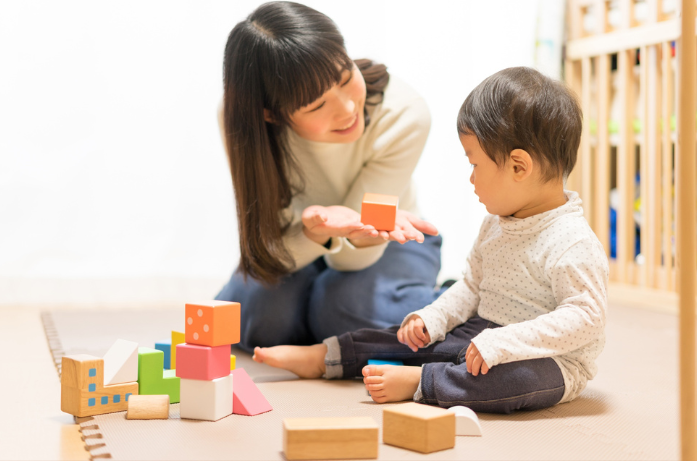
Child brain development isn’t something that grows under pressure or perfect routines. It blossoms quietly in the middle of everyday life, in those little chats while you’re cooking, in shared laughter, in warm cuddles before bedtime, and in the simple moments you spend together.
You don’t need to create a strict plan or buy the latest learning tools. Honestly, the best ways to improve your child’s brain development are often the most natural ones. It’s your presence, your patience, and the love you pour into your child that truly make the biggest difference.
So instead of trying to do everything perfectly, just focus on being there, talking, listening, playing, and connecting. These small, loving moments are exactly what help your child’s mind grow in the most beautiful way.
If you’re looking for simple and practical ideas to support your baby’s learning, here are some easy activities for baby learning and development you can try at home.
The First Few Years Matter More Than You Think
Why early experiences shape the brain
The early years of your child’s life are truly special, not just emotionally, but for their brain too. During this time, their little mind is growing faster than it ever will again. In fact, most of a child’s brain development happens before they even turn five.
What’s amazing is that this growth doesn’t come from big, complicated efforts. It happens through simple, everyday moments. Every time you talk to your child, sing a lullaby, play a small game, or respond to their needs, you’re helping build important connections in their brain.
And here’s the most comforting part, you don’t have to do anything extraordinary. You don’t need to be perfect or follow strict routines. Just being present, loving, and responsive is more than enough.
Because in the end, it’s those small, ordinary moments that quietly shape your child’s beautiful, growing mind.
Talk, Listen, and Connect Every Day
Communication builds strong brains
One of the most beautiful and simple ways to support your child’s growth is just by talking to them. It may feel small, but it’s truly one of the best ways to improve your child’s brain development. Even if your baby isn’t speaking yet, they are always listening, watching, and learning from you. Your voice, your expressions, and the way you respond all help shape how they understand the world.
You can gently bring communication into your daily routine without any extra effort:
• Talk about what you’re doing while cooking or cleaning
• Ask simple, playful questions
• Respond to their little sounds and reactions
• Look into their eyes when you speak
These small, everyday interactions slowly help your child understand language, emotions, and social connection. And over time, you’ll notice something truly special, they begin to express themselves with more confidence, in their own sweet way.
It’s not about saying the perfect words. It’s about being present, warm, and connected. And that alone makes a big difference
Play Is Not Just Fun — It’s Learning
The power of play in brain growth
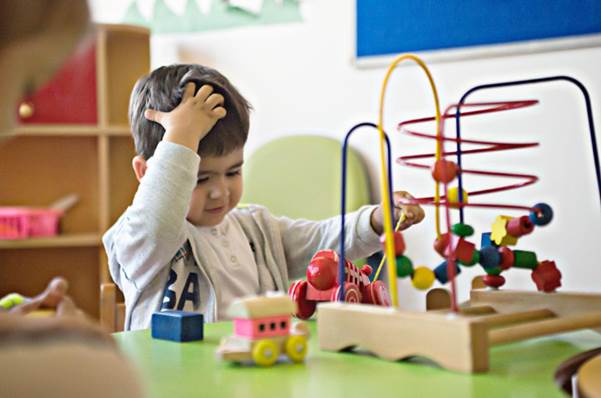
As parents, we sometimes look at play as just a way to keep our little ones busy for a while. But the truth is, play is doing so much more behind the scenes. It’s quietly helping your child learn, grow, and understand the world around them.
When your child is playing, their mind is actively working in beautiful ways. They are figuring things out, exploring ideas, and expressing themselves freely.
• They learn to solve little problems on their own
• Their imagination begins to grow and take shape
• They start understanding how things work (cause and effect)
• Their creativity slowly blossoms
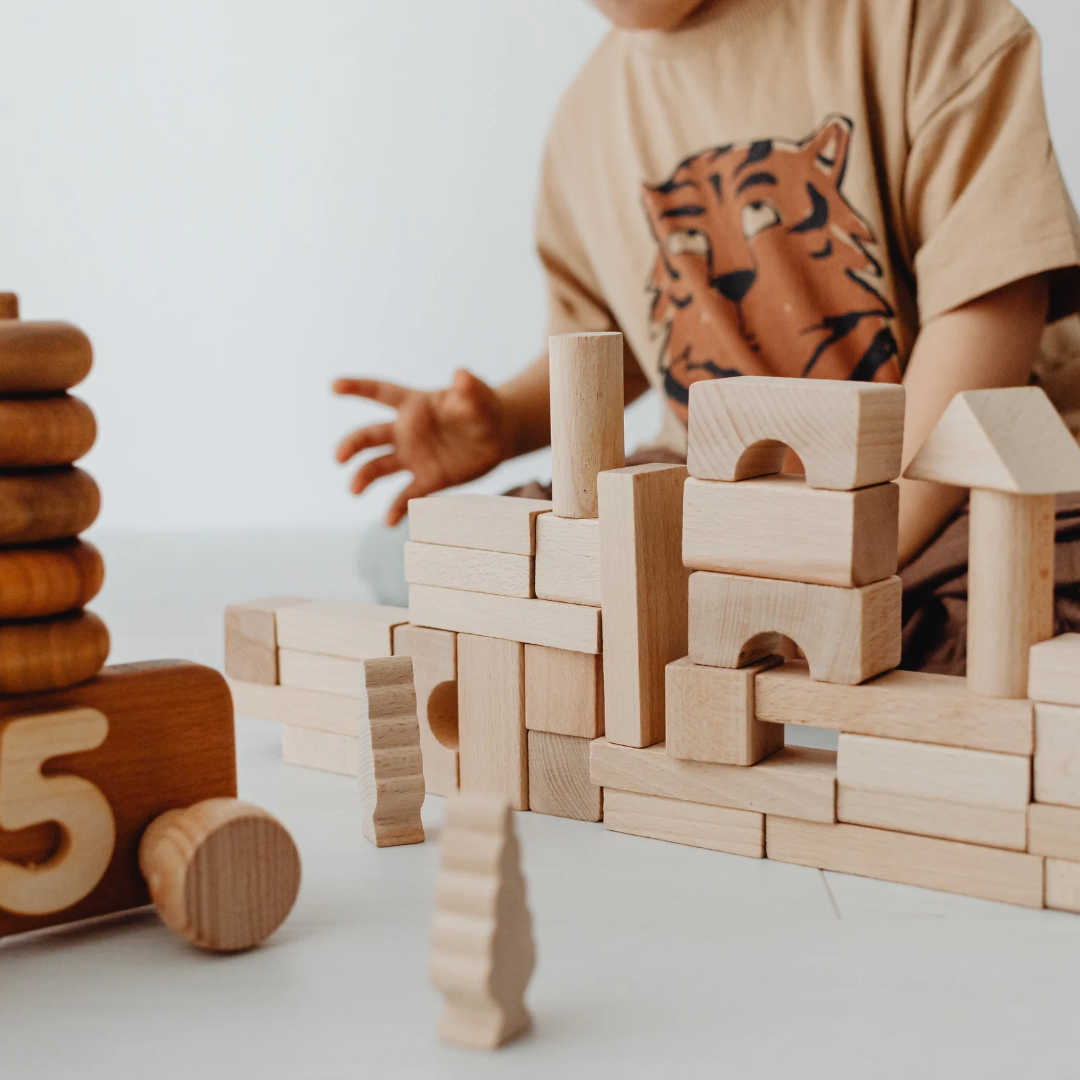
Simple activities like stacking blocks, scribbling with crayons, or pretending to cook in a toy kitchen can have a big impact on their brain development.
And the best part? You don’t need expensive or fancy toys. Even everyday things at home, like boxes, spoons, or cushions, can turn into something magical in your child’s world.
So the next time your child is deeply lost in play, just watch and smile. In that moment, they’re not just playing… they’re learning in the most natural and joyful way.

Reading Together Creates a Lifelong Impact
Books open the world for your child
Reading with your child is one of those simple moments that holds so much magic. It’s not just about stories or words on a page, it’s about connection, imagination, and learning all wrapped into one. Truly, it’s one of the best ways to improve your child’s brain development in a gentle and meaningful way.
Even spending a few quiet minutes with a book each day can make a big difference.
• It helps your child understand and learn new words
• Strengthens their memory over time
• Sparks their imagination in the sweetest ways
• Teaches them to focus and listen
You don’t have to read perfectly or finish every page. Sit close, point at pictures, ask little questions, and let your child turn the pages with excitement.
Sometimes they may want to hear the same story again and again, and that’s okay. In those repeated moments, they’re learning, remembering, and feeling safe with you.
Because in the end, reading isn’t about doing it “right.” It’s about sharing a warm, loving moment together — and those are the ones your child carries forever.
Music Can Gently Boost Brain Development
How music improve child brain development
Sometimes, the simplest things bring the most beautiful impact, and music is one of them. You might not realize it, but those little songs, lullabies, and playful claps are quietly helping your child’s brain grow in wonderful ways.
Music has a gentle way of engaging your child’s mind and emotions at the same time.
• It helps strengthen memory
• Improves listening and attention
• Supports emotional expression
• Builds a sense of rhythm and coordination
You don’t need any special training or perfect voice for this. Just sing to your child while rocking them, play soft music in the background, or clap and dance together during playtime.
These moments may feel small, but they stay with your child. Your voice, no matter how it sounds to you, is the most comforting and familiar sound to them.
So sing freely, laugh a little, and enjoy the rhythm together, because in those sweet moments, your child is not just listening… they’re learning and feeling loved at the same time.
Healthy Nutrition Fuels a Growing Brain
What your child eats truly matters
When it comes to your child’s brain development, what they eat plays a quiet but important role. A growing mind needs the right kind of nourishment to stay active, focused, and healthy.
According to UNICEF’s child nutrition resources, balanced nutrition during early childhood plays an important role in healthy brain growth, learning, and overall development.
You don’t have to follow a strict or complicated diet. Just try to include simple, wholesome foods in their daily meals:
• Fresh fruits and vegetables
• Whole grains like roti, rice, or oats
• Nuts and seeds (only if your child is old enough)
• Milk, curd, or other dairy options
• Healthy fats like a little ghee in their food
Some days may not go perfectly, and that’s completely okay. As moms, we do the best we can. What truly matters is offering balanced, nourishing food with love and consistency over time.
Because in those everyday meals, you’re not just feeding your child… you’re helping their little brain grow stronger, one bite at a time.
Sleep Is Just as Important as Learning
Rest helps the brain grow
Sleep may look like a quiet, simple part of your child’s day, but it’s actually doing something incredibly important behind the scenes. While your little one rests, their brain is gently working, sorting, storing, and making sense of everything they experienced during the day.
During sleep, your child’s brain:
• Processes what they’ve learned
• Strengthens memory
• Recharges for a fresh, new day
That’s why good sleep isn’t just about rest, it’s a big part of how your child grows and learns.
You can support this by creating a calm and comforting bedtime routine:
• Keep the environment peaceful and quiet
• Read a gentle story or talk softly
• Use dim, soothing lighting
It doesn’t have to be perfect or strict. Even small, consistent habits can help your child feel secure and relaxed at bedtime.
And those peaceful moments before sleep, when your child curls up close to you, they’re not just comforting… they’re helping your child’s mind and heart grow in the most beautiful way.
Encourage Curiosity, Not Perfection
If there’s one thing children do beautifully, it’s being curious. They want to touch everything, ask endless questions, and explore the world in their own little ways. And honestly, that curiosity is one of the most powerful ways their brain learns and grows.
As parents, it’s natural to guide and protect them. But sometimes, instead of stepping in too quickly, we can gently give them space to try things on their own.
• Let them explore, even if it gets a little messy
• Allow small mistakes, that’s how real learning happens
• Encourage their questions, even the ones that seem silly
In these moments, your child isn’t just playing or experimenting, they’re building confidence and learning to think independently.
You don’t have to teach them everything perfectly. Just support their curiosity, stay patient, and be there when they need you.
Because when a child feels safe to explore without fear, their mind opens up in the most beautiful and natural way.
Limit Screen Time, Increase Real Interaction
Real experiences matter more
In today’s busy world, screens have quietly become a part of our daily lives. And as parents, it’s not always easy to avoid them completely. While a little screen time now and then is okay, too much of it can gently take away from the kind of learning your child truly needs, the kind that comes from real-life experiences.
Children learn best when they can touch, feel, move, and connect with the world around them. So instead of relying too much on screens, try to bring more simple, meaningful moments into their day:
• Spend time outdoors, even if it’s just a short walk
• Sit down and play together, even for a few minutes
• Talk, laugh, and share little conversations
• Encourage activities where they can use their hands and imagination
These moments may seem small, but they create strong, lasting impressions in your child’s mind.
Because at the end of the day, no screen can
Emotional Safety Builds Strong Minds
Love and security matter deeply
One thing I’ve slowly learned as a mom is this, a child doesn’t just grow through learning and activities, they grow through how they feel. Your child’s emotional well-being is deeply connected to how their brain develops.
When a child feels safe, loved, and understood, something beautiful happens inside them. They become more open, more curious, and more confident in exploring the world around them.
• They try new things without fear
• They learn with ease and interest
• They begin to build healthy, trusting relationships
And the most comforting part? Creating this sense of safety doesn’t require anything big or complicated.
It’s in the little things you already do, the warm hugs, the soft smiles, the way you comfort them when they’re upset, and the gentle reassurance you offer without even thinking.
These small moments may seem ordinary, but to your child, they mean everything. They create a safe space where their mind can grow freely and their heart feels at home.
And truly, that kind of love is one of the strongest foundations for a healthy, happy mind.
Routine Brings Comfort and Stability
Structure supports learning
Children feel most at ease when their day has a gentle sense of rhythm. They may not always say it, but knowing what comes next gives them comfort and a feeling of safety.
A simple routine doesn’t mean a strict timetable or doing everything perfectly. It’s just about creating a natural flow to the day, waking up, meals, playtime, and sleep happening in a familiar pattern.
This kind of consistency quietly helps your child in many ways:
• It reduces feelings of stress or confusion
• Helps them stay more focused during activities
• Gives them a sense of security and calm
Even small routines, like reading a story before bed or having meals at similar times, can make a big difference.
So don’t worry about making everything perfect. Just create a gentle, predictable flow that works for your family. Because when your child feels secure in their daily rhythm, their mind feels free to learn, explore, and grow.
Spend Quality Time — It’s the Greatest Gift
Your presence matters more than anything
At the end of a long day, when everything quiets down, one truth gently stands out, nothing matters to your child more than you. Not the toys, not the activities, not even the best learning tools.
Just your presence.
Sitting beside them, listening to their little stories (even the ones that don’t make much sense), laughing at their silly moments, or simply being there without distractions, these are the moments that truly shape them.
You don’t need to plan anything big. Just pause, put things aside for a while, and be fully present. Let them feel that they have your attention, your warmth, your time.
Because in those simple, unhurried moments, your child feels seen, heard, and deeply loved.
And that’s where real growth happens, not just in their brain, but in their heart too.
Gentle Reminder for Every Parent
If you’re reading this and quietly wondering, “Am I really doing enough? Just take a gentle pause for a moment.
Think about the times you hold your child close when they’re upset.
The way you smile when they look at you.
The patience you show while trying to understand their needs, even on the hard days.
All of that matters more than you realize.
That is brain development.
It’s not always found in perfect routines or complicated methods. In fact, the best ways to improve your child’s brain development are often hidden in the simplest parts of your day, your love, your care, your presence.
So be a little kinder to yourself. You’re not just raising a child… you’re nurturing a growing mind with every small, loving moment.
FAQs
1. How can I improve my child’s brain development naturally?
You can support brain development through simple daily activities like talking, playing, reading, and spending quality time with your child. Love, connection, and consistency matter the most.
2. At what age does a child’s brain develop the most?
The most rapid brain development happens in the first five years of life, especially during infancy and toddlerhood.
3. Does play really help brain development?
Yes, play is one of the most powerful ways children learn. It helps improve creativity, problem-solving skills, and overall cognitive growth.
4. What foods are good for brain development in children?
Healthy foods like fruits, vegetables, whole grains, dairy, nuts (if age-appropriate), and healthy fats support brain growth and overall development.
5. How important is sleep for child brain development?
Sleep is very important because it helps the brain process information, build memory, and recharge for learning and growth.
Final Thoughts: Growing Together, One Day at a Time
Motherhood doesn’t come with a perfect manual, and honestly, it’s not something that can be measured in a single day. Some days feel smooth, others feel overwhelming, but every single day still counts.
Child development doesn’t happen all at once. It unfolds gently, little by little
In tiny steps.
In quiet, shared moments.
In the love you give, again and again.
So if you’ve been wondering how to improve a child’s brain development, just take a deep breath and remind yourself, you are already walking the right path.
Keep showing up, even on the days when you feel unsure.
Keep loving in your own natural way.
Keep trusting that what you’re doing is enough.
Because to your child, you are so much more than just a parent.
You are their comfort when they’re upset,
their guide as they grow,
and their safe place in this big world.
And truly… that is more than enough.
If you’d like more gentle, real-life parenting guidance and support, you can explore helpful resources on Little One Haven, a space created to walk alongside you in every stage of your parenting journey.
Resources
• UNICEF – Child Nutrition & Brain Development
• HealthyChildren.org – Child Development (Ages & Stages)