
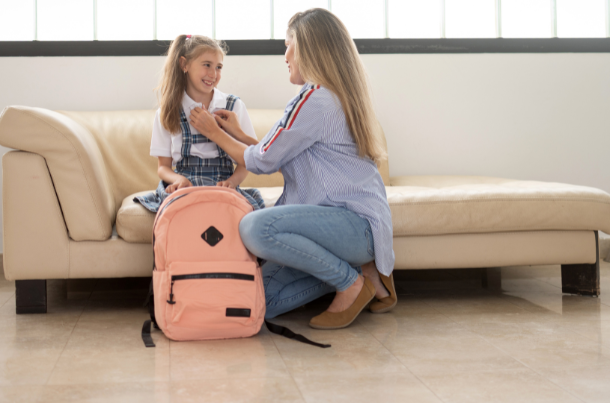
School mornings can test even the calmest parent. One child cannot find a shoe, another suddenly remembers a permission slip, and breakfast is getting cold while everyone watches the clock.
If this sounds familiar, you are certainly not failing. Children are still developing time-management and organisational skills, so they often need simple routines, reminders, and plenty of practice. They need simple routines, gentle reminders, and plenty of practice.
A consistent morning routine for kids can make the beginning of the day feel calmer and more predictable. It can also help children become more independent without turning every morning into a series of arguments.
Here are practical ways to build a routine that works for your real family, not just one that looks perfect on paper.

Why Is a Morning Routine Important for Children?
Children generally feel more secure when they know what is going to happen next. A predictable routine reduces the number of instructions and decisions they have to process during a busy morning.
Instead of repeatedly asking, “What am I supposed to do now?” your child gradually learns that getting dressed comes before breakfast and shoes go on after teeth are brushed.
A healthy school morning routine can help children:
- Learn responsibility and time-management skills
- Become more independent
- Feel less rushed before school
- Remember their belongings
- Begin the day feeling calm and supported
- Develop consistent hygiene and eating habits
A routine will not prevent every difficult morning. However, it gives your family a dependable structure to return to when things become chaotic.
1. Begin the Routine the Night Before
A calmer morning often starts the previous evening. Anything you can prepare at night is one less decision you have to make when everyone is tired and watching the clock.
Before bedtime, try to:
- Pack school bags and check for homework
- Prepare lunchboxes or snacks
- Fill water bottles and place them in the fridge
- Lay out school clothes, socks, and shoes
- Check the following day’s school schedule
- Put signed forms and activity supplies in the bag
- Decide what the family will have for breakfast
Keep bags, coats, and shoes in the same place near the door. This simple habit can prevent the last-minute search for a missing book or trainer.
Let your child take part in the preparation. Even a young child can choose between two outfits or place their lunchbox beside their school bag.
2. Protect Your Child’s Sleep
A successful morning is much harder after a late or restless night. Children who have not had enough sleep may wake up feeling irritable, emotional, or unable to focus on simple instructions.
Create a bedtime that gives your child enough opportunity to rest. According to the CDC, children ages 6–12 generally need 9–12 hours of sleep per 24 hours, while teenagers ages 13–17 generally need 8–10 hours. Individual sleep needs can vary.
and individual child, so observe how easily your child wakes and how they behave during the day.
A calming bedtime routine might include:
- Putting screens away before bed
- Taking a bath or washing up
- Changing into pyjamas
- Reading a short story
- Dimming the lights
- Going to bed at a consistent time
If your child regularly struggles to wake up, consider moving bedtime earlier in small increments rather than expecting an immediate change. If tiredness continues as your child settles back into school, our guide to back-to-school fatigue explains what may help and when to seek advice.
If your child regularly struggles to wake up, consider moving bedtime earlier in small increments rather than expecting an immediate change.
3. Wake Up Before Your Children When Possible
If it works for your sleep schedule, waking a little before your children can give you time to get ready before the morning demands begin.
This is not about creating an elaborate self-care routine at sunrise. A few quiet minutes may be enough to help you respond more patiently when your child cannot find their favourite socks.
If waking earlier would leave you exhausted, do not force it. Preparing your own clothes, breakfast, and work bag the night before can offer a similar benefit.
4. Use a Morning Checklist for Kids
Repeated verbal reminders can be tiring for parents and frustrating for children. A simple morning checklist for kids allows your child to see what needs to happen next.
A basic school morning checklist may include:
- Use the toilet
- Wash face
- Get dressed
- Eat breakfast
- Brush teeth
- Comb hair
- Put lunchbox and water bottle in the bag
- Put on shoes and coat
- Leave for school
Use pictures instead of written words for children who are not confident readers. Place the checklist somewhere visible, such as beside the bedroom door or on the refrigerator.
When your child becomes distracted, you can say, “What comes next on your chart?” This gives your child an opportunity to check the routine independently instead of relying only on repeated verbal reminders.
5. Keep the Routine Short and Realistic
It can be tempting to build an ideal routine involving exercise, journaling, reading, a perfect breakfast, and a spotless bedroom. For most families, trying to complete too many activities creates more pressure.
Focus first on the tasks your child genuinely needs to complete. Once the basic routine is working, you can add an optional activity such as stretching, making the bed, or reading for a few minutes.
Consider your child’s age and personality as well. Some children can get dressed quickly, while others need more time to transition between tasks.
A realistic routine should fit your child rather than expecting your child to fit an overly strict schedule.
6. Offer a Simple and Healthy Breakfast
A balanced breakfast gives children an opportunity to refuel before a busy day of learning and play. It does not need to be complicated or prepared from scratch every morning.
Easy breakfast ideas for kids include:
- Porridge topped with banana or berries
- Wholegrain toast with egg
- Yoghurt with fruit and oats
- Nut or seed butter on toast, where appropriate
- A fruit and yoghurt smoothie
- Cheese and wholegrain crackers
- Overnight oats
- A simple vegetable omelette
Try keeping two or three quick options available for particularly busy mornings. Preparing fruit or overnight oats in advance can also save time.
If your child does not feel hungry immediately after waking, allow them to get dressed first and eat a little later in the routine.
7. Give Limited Choices
Offering a small number of appropriate choices can give children some involvement in the routine without making the morning more complicated.
Offer two suitable options instead of asking an open-ended question.
For example:
- “Would you like porridge or toast?”
- “Do you want the blue shirt or the green one?”
- “Would you like to brush your teeth before or after getting dressed?”
Both options should work for you. Your child receives a sense of independence while the routine continues moving forward.
8. Keep Screens Off During the Morning
For some children, television, games, or videos can become a distraction during essential morning tasks.
Consider keeping mornings screen-free until your child is completely ready. Keep televisions off and place tablets or phones out of sight.
If your family uses a device for music, timers, or a visual schedule, establish clear rules about how it will be used. The aim is to prevent screens from becoming a distraction during essential morning tasks.
9. Build Extra Time Into the Schedule
Children spill drinks, change their minds about clothes, and remember important items at inconvenient moments. A schedule that only works when everything goes perfectly will create stress.
Work backwards from the time you need to leave and build in some extra time for unexpected delays.
This extra time gives your child space to finish a task without constantly hearing, “Hurry up!”
If the family is ready early, use the remaining minutes for conversation, drawing, looking at a book, or another quiet activity.
10. Add a Moment of Connection
A morning routine should not feel like a race through a list of chores.A small moment of connection can add warmth and reassurance to an otherwise busy morning.
You might:
- Share a quick cuddle after waking
- Ask what your child is looking forward to
- Say one positive affirmation together
- Play a favourite song while getting dressed
- Tell your child something you appreciate about them
- Create a special goodbye ritual
This does not need to take long. Even one calm minute of your full attention can feel meaningful to a child.
If your child seems worried about school, listen without immediately dismissing or trying to fix the feeling. You could say, “It sounds like you’re nervous about the test. I’m glad you told me.”
11. Use Encouragement Instead of Constant Criticism
When everyone is running late, it is easy to notice everything your child has not done. However,Frequent criticism can make an already stressful morning feel harder for both parent and child.
Try describing the behaviour you want to encourage:
- “You got dressed without a reminder.”
- “You remembered to put your bottle in your bag.”
- “You kept going even though you felt tired.”
- “We left on time because everyone helped.”
Specific encouragement shows your child which behaviours are useful. It also helps them feel capable rather than dependent on constant adult instructions.
12. Practise the Routine and Adjust It
A new routine will not work perfectly on the first day. Children need repetition before a sequence of tasks becomes familiar.
Try the routine consistently for a while, then notice where problems continue to appear.
, then notice where problems continue to appear. If getting dressed always takes too long, your child may need clothes laid out in a clearer place. If breakfast causes delays, simpler choices may help.
You can also ask your child what they find difficult. Their answer may reveal a small problem that adults have overlooked, such as uncomfortable clothing, a confusing checklist, or not having enough time to fully wake up.
Sample Morning Routine for School-Age Kids
Here is an example that you can adjust according to your family’s schedule:
6:45 am: Wake up, use the toilet, and wash face
6:55 am: Get dressed
7:10 am: Eat breakfast
7:30 am: Brush teeth and comb hair
7:40 am: Check the morning routine chart and school bag
7:45 am: Put on shoes and coat
7:50 am: Quiet play, reading, or family conversation
8:00 am: Leave for school
Your routine may begin earlier or later. What matters is creating a predictable order that suits your family.
How to Handle Morning Routine Resistance
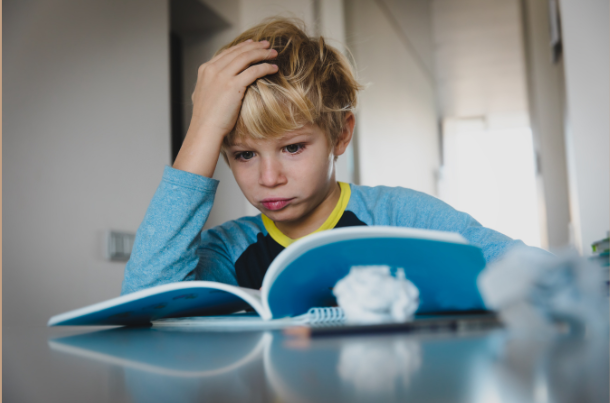
Even a well-planned routine cannot guarantee perfect cooperation. Your child may be tired, worried about school, or simply having a difficult day.
When resistance happens, stay as calm as you can and use short, clear instructions. Instead of saying, “How many times do I have to tell you to get ready?” try, “It is time to put on your shoes.”
A timer, visual chart, or familiar morning song can also provide a neutral cue. This can provide a cue that does not rely entirely on repeated verbal reminders from a parent.
Frequent morning distress may sometimes be connected to school anxiety, sleep difficulties, sensory discomfort, or another concern. If your child regularly becomes extremely distressed or complains of physical symptoms before school, speak with their teacher, doctor, or another appropriate professional.
Frequently Asked Questions
What is a good morning routine for kids?
How can I get my child ready for school without yelling?
Should kids have screen time before school?
How can I help my child become more independent in the morning?
What if my child gets extremely upset every school morning?
Final Thoughts
Creating a successful morning routine for kids is not about producing a perfectly organised family. Some mornings will still include missing shoes, unfinished toast, and unexpected tears.
Focus on making the routine simple, predictable, and suitable for your child’s age. Prepare important items the night before, use a visual morning checklist, limit distractions, and allow more time than you think you will need.
Most importantly, leave room for warmth. Your child may forget whether breakfast was perfectly balanced, but the reassuring hug and kind goodbye can stay with them throughout the day.
With patience and consistency, those rushed school mornings can gradually become calmer, and your child can learn valuable habits that support growing independence.
For more practical ideas to make everyday parenting a little easier, explore Little One Haven.
Resources
Disclaimer
This article is intended for general educational and parenting information only and is not a substitute for personalised advice from your child’s pediatrician, teacher, school counsellor, or another qualified professional. Every child’s sleep needs, school routine, temperament, and level of independence are different. If your child regularly becomes extremely distressed before school, refuses school, experiences persistent headaches or stomach aches, has ongoing sleep difficulties, or shows other changes that concern you, seek appropriate professional guidance.
About the Author
Geeta Yogi writes practical, parent-friendly content about children’s routines, school transitions, sleep, independence, emotional wellbeing, and everyday family life. She focuses on simple, realistic strategies that help parents create calmer routines while supporting children as they build confidence and age-appropriate responsibility.
