Becoming a parent is one of the most beautiful and emotional experiences in life. From the moment a baby arrives, parents naturally start paying attention to every little change, how the baby sleeps, eats, smiles, and grows. It’s completely normal to wonder how to know if your baby is healthy and developing properly.
The good news is that babies show many small but clear baby growth signs that indicate they are growing and developing in a healthy way. Understanding these healthy baby development signs can help parents feel more confident and relaxed during the early stages of parenting.
In this simple guide, we’ll look at some common signs that show your baby is growing healthy and developing normally.
Steady Weight Gain: A Key Sign Your Baby Is Growing Healthy
One of the most important baby growth signs is steady weight gain. During the first year, babies grow quickly, and regular weight gain usually means they are getting enough nutrition from breastfeeding or formula.
Doctors often check your baby’s weight during routine checkups to make sure growth is happening at a healthy pace. Every baby grows at their own speed, but consistent progress is a positive sign.
Good Feeding Habits in Healthy Babies
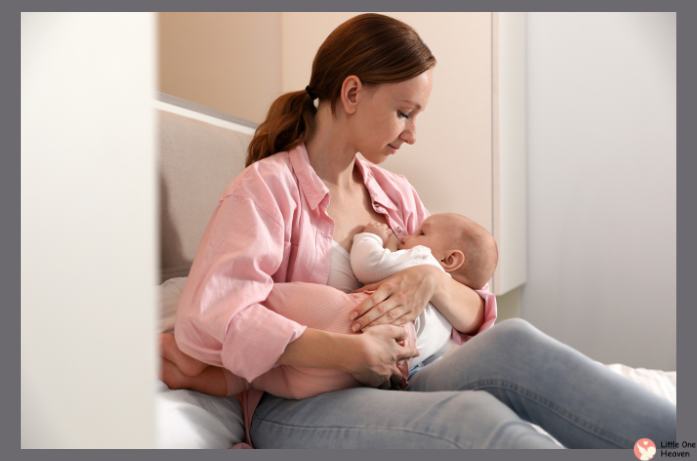
A healthy baby usually develops a regular feeding pattern. Newborns typically feed every few hours, and as they grow, they begin to settle into a more predictable routine.
If your baby feeds actively, seems satisfied after feeding, and produces regular wet diapers, it usually means they are getting enough nutrition.
Active and Curious Behavior
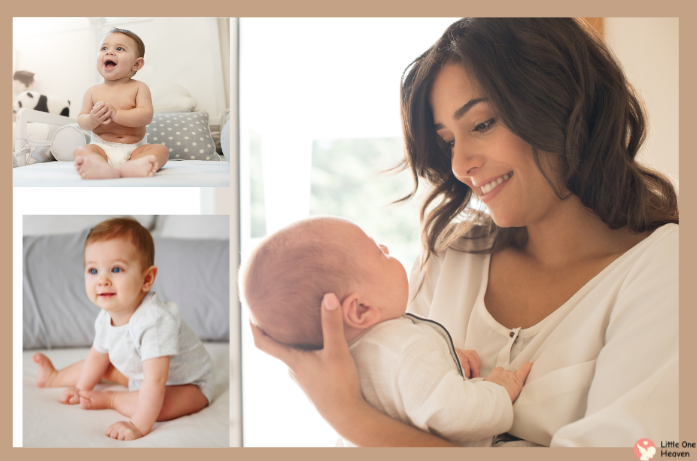
As babies grow, they become more curious about the world around them. Healthy babies often move their arms and legs, react to sounds, and show interest in faces and objects.
Over time, you may notice your baby starting to smile, make sounds, follow movements with their eyes, and respond to voices. These are wonderful signs that their brain and senses are developing well.
Meeting Developmental Milestones
Every baby reaches developmental milestones at their own pace, but there are general stages most babies follow. These milestones may include lifting their head, rolling over, sitting with support, or trying to grab objects.
These small achievements are exciting moments for parents and also a sign that your baby’s physical and motor development is progressing normally.
Healthy Sleep Patterns in Babies
Sleep plays a major role in a baby’s growth and development. While newborn sleep patterns may feel unpredictable at first, most babies gradually develop longer sleep periods.
A baby who sleeps well, wakes for feeding, and seems alert during awake times often shows positive baby growth signs and healthy development.
Happy and Responsive Expressions
A healthy baby often shows emotions through smiling, cooing, and reacting to familiar voices. Babies usually start recognizing their parents and responding to affection, which shows emotional and social development.
Simple interactions like talking, cuddling, and playing help strengthen the bond between parents and baby while supporting healthy growth.
The Importance of Regular Checkups
Even when everything seems normal, regular pediatric checkups are important. These visits allow doctors to monitor growth, check developmental milestones, and guide parents with helpful advice.
Routine checkups also give parents the opportunity to ask questions and better understand their baby’s needs.
Source: Centers for Disease Control and Prevention
Final Thoughts
Watching your baby grow is one of the most rewarding experiences of parenthood. While every baby develops at their own pace, positive baby growth signs like steady weight gain, active behavior, good feeding habits, and happy responses usually indicate healthy development.
The most important thing parents can do is provide love, care, attention, and a safe environment. Small everyday moments, feeding, talking, cuddling, and playing, help build a strong foundation for your baby’s healthy future.
Safety Disclaimer
This article is for informational purposes only and should not replace professional medical advice. If you ever feel concerned about your baby’s growth or development, consult a qualified pediatrician for proper guidance.