
There’s a moment every parent quietly waits for.
You look at your baby, hold them close, talk to them softly… and wonder, when does a baby recognize parents?
I remember those early days so clearly. I would sit there, staring at my baby’s tiny face, searching for a sign, any sign, that they recognized me. A smile, a look, even a small reaction.
If you’re wondering the same thing, let me gently reassure you, you’re not alone in this feeling. And the answer? It’s more beautiful than you might expect.
Because your baby starts recognizing you much earlier than you think… just not always in the ways we expect.
The Truth About Baby Recognition (It Starts Earlier Than You Think)
The Truth About Baby Recognition (It Starts Earlier Than You Think)
Many parents imagine that recognition begins the moment their baby smiles back at them… or lights up when they enter the room.
But the truth is much softer, much deeper than that.
Your baby already knows you long before those visible reactions appear.
Right from birth, in their own quiet and beautiful way, your baby recognizes you.
Before their eyes can fully focus…
Before they can reach out or respond clearly…
They already know:
• Your voice, the same one they heard every day from inside the womb
• Your smell, familiar, safe, and comforting
• Your heartbeat, the rhythm that surrounded them for months
For nine whole months, your baby lived in a world where you were everything.
Your voice was their background music.
Your heartbeat was their comfort.
Your presence was their entire universe.
So when they’re born, it’s not really a “first meeting.”
It’s a return.
A quiet, unspoken recognition that says,
“I know you… I’ve always known you.”
And maybe that’s why your baby settles in your arms in a way they don’t with anyone else.
Why your voice can calm them even when nothing else works.
Why your presence feels like home to them… even from day one.
Isn’t that the most comforting thought?
That even before you learned how to be their parent…
They already knew you were theirs.
Newborn Stage (0–2 Weeks): Recognition Without Vision
In those first quiet days after birth, everything feels new… for both of you.
Your baby is adjusting to a bright, unfamiliar world, and their vision is still very blurry. They can’t clearly see your face yet, and they won’t recognize you the way we often imagine.
But here’s the gentle truth most parents don’t realize:
Recognition is already happening… just not through sight.
Your baby knows you in ways that don’t need clear vision.
They recognize:
• Your voice, the one that surrounded them for months
• Your scent, familiar, comforting, and safe
• Your touch, the same warmth they’ve always known
That’s why something magical happens when you hold them.
Even if they’ve been crying…
Even if nothing else seems to soothe them…
The moment they’re in your arms, they begin to settle.
Their breathing slows.
Their body relaxes.
They feel safe again.
And no, that’s not luck or coincidence.
That’s recognition.
It may not come with eye contact or smiles just yet…
It may not look obvious on the outside…
But deep inside, your baby is already saying,
“This feels like home.”
And in these early days, that quiet, invisible bond matters more than anything you can see.
When Do Babies Start Recognizing Their Mother and Faces (4–6 Weeks)
Around the time your baby reaches 4 to 6 weeks old, you may start to notice a beautiful shift in how they look at you.
At first, newborns don’t see very clearly, but as their vision begins to improve, your face slowly becomes one of the most interesting things in their world. They start to look at you more intentionally, not just glancing, but really observing.
You might see your baby trying to focus on your eyes, watching your expressions as you talk, or quietly studying your face while you hold them. These little moments can feel surprisingly deep, like your baby is trying to figure you out.
And in their own way, they are.
This is often when parents begin to feel a stronger emotional connection. That soft, lingering gaze… the way your baby seems calm when they see you… it all starts to feel more meaningful. Your face is becoming familiar, comforting, and safe to them.
2–3 Months: The First Real Recognition
This is the stage that stays in a parent’s heart forever.
Because now… it’s no longer subtle. It’s clear. It’s real.
Around 2 to 3 months, your baby doesn’t just sense you, they recognize you.
You may start to notice little changes that feel big:
• A soft smile the moment they see your face
• Their body relaxing as soon as you hold them
• A different kind of response to you compared to others
And then comes that moment… the first real smile.
Not a reflex. Not random. But a smile meant just for you.
It’s your baby’s quiet way of saying,
“I know you. I feel safe with you.”
It’s simple, but it touches something deep inside you.
After all the sleepless nights and endless care, this is the moment that makes everything feel worth it.
4–6 Months: Strong Bond and Attachment
By this stage, something even deeper begins to grow between you and your baby.
It’s no longer just recognition… it’s connection.
Your baby doesn’t just know you now, they prefer you.
You might notice the way their face lights up when they see you, little hands reaching out as if to say, “Come closer.” There’s excitement in their movements, a sense of comfort the moment you hold them.
And yes… sometimes, tears when you leave the room.
Not because they’re being “fussy,” but because you’ve become their safe place.
At 4 to 6 months, your baby starts forming a strong emotional attachment. They feel secure with you, calm with you, and happiest when you’re near.
You’re no longer just a familiar face.
You are their comfort.
Their safety.
Their whole little world.
How Babies Recognize Their Parents
Babies don’t rely on just one way to recognize you.
It’s actually a beautiful mix of senses working together, slowly building that deep connection.
Even before they fully see you clearly, they already feel you in different ways.
Voice
Your voice is one of the very first things your baby knows.
They’ve been listening to it for months in the womb, so when they hear you after birth, it feels familiar and safe.
Smell
Babies have a strong sense of smell.
Your natural scent, something you don’t even notice, becomes a source of comfort for them. It helps them feel calm and secure.
Face
As their vision develops, your face becomes more and more recognizable.
They start focusing on your eyes, your expressions, and slowly, you become their favorite thing to look at.
Touch
The way you hold them, rock them, and comfort them is unique.
Your touch has a rhythm and warmth they learn to recognize, and it reassures them like nothing else can.
All of these together create something powerful.
Not just recognition… but a deep emotional bond.
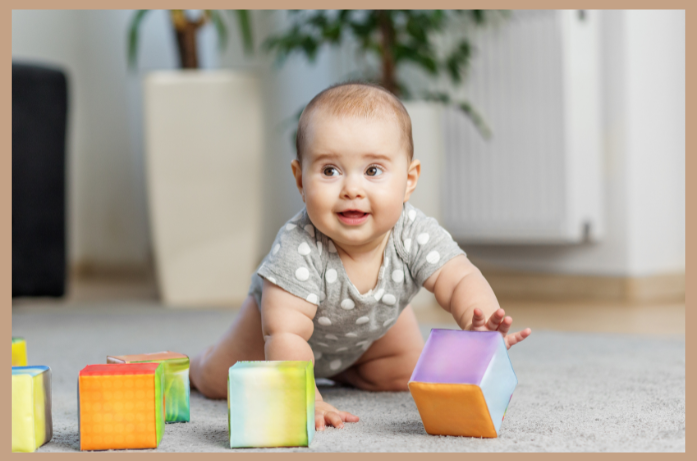
Baby Recognition Milestones Every Parent Should Know
As your baby grows, their ability to recognize you becomes stronger and more noticeable. These changes don’t happen all at once, they happen step by step, in small but meaningful ways. Understanding these stages can help you feel more confident as a parent and appreciate the beautiful journey of connection that’s happening every day.
Signs Your Baby Recognizes You
As your baby grows, their ability to recognize you becomes stronger, clearer, and more emotional.
It doesn’t happen all at once.
There’s no sudden “switch.”
Instead, it unfolds slowly… in small, meaningful moments that are easy to miss if you’re not looking closely.
And when you do notice them, they feel incredibly special.
Understanding these little stages can bring a lot of comfort. It reminds you that even on the quiet, ordinary days, something beautiful is still happening between you and your baby.
A bond is forming. Growing. Deepening.
Signs Your Baby Recognizes You
Many parents expect big, obvious signs.
But the truth is, recognition often shows up in the smallest, softest ways.
Look closely, and you’ll begin to notice:
• A gentle smile when your baby sees your face
• Crying that eases the moment you pick them up
• Their head turning toward your voice in a room full of sounds
• Those quiet moments of eye contact, like they’re studying you
• The way their body relaxes in your arms, as if they’ve found home
These moments may seem simple from the outside…
But to your baby, they mean everything.
And to you, they slowly become the moments you hold onto the most.
Top of Form
Bottom of Form
What If My Baby Isn’t Reacting Yet?
Let’s talk about something that many parents quietly worry about.
If your baby isn’t smiling yet… or not reacting in obvious ways, it doesn’t mean they don’t recognize you.
Truly.
Every baby grows at their own pace.
Some are quick to express, smiling, cooing, reacting early.
Others are more gentle and quiet, taking their time to show what they feel.
But inside, so much is still happening.
Your baby is still learning your voice.
Still feeling comfort in your arms.
Still building that bond, moment by moment.
Recognition doesn’t always look loud or visible in the beginning.
Sometimes, it’s calm. Subtle. Almost hidden.
So please, don’t compare your baby to others.
Your journey is your own.
And your baby is right where they need to be.
You’re showing up. You’re loving them.
And that is more than enough.
How to Help Your Baby Recognize You Faster
You don’t need special techniques or anything complicated.
The truth is, the simplest moments you share with your baby are the ones that matter most.
It’s not about doing more… it’s about being present.
Talk to your baby often
Even if they can’t respond yet, they’re listening.
Your voice is becoming familiar, comforting, and safe.
Make eye contact
Hold your baby close and let them look at your face.
Those quiet moments of connection help them learn who you are.
Smile and show your emotions
Babies learn by watching you.
Your expressions, your smiles, your gentle reactions, teach them how to connect.
Spend skin-to-skin time
This simple closeness helps your baby feel secure.
It strengthens the bond in a way words can’t.
Be consistent
More than anything, it’s your presence that matters.
Seeing you, hearing you, feeling you, again and again, builds recognition over time.
These small, everyday moments may not seem like much…
but they are quietly creating a strong emotional foundation your baby will carry with them as they grow.
A Real Mom Moment
I still remember one evening so clearly.
My baby was crying non-stop.
I tried everything, feeding, rocking, checking if something was wrong… but nothing seemed to help.
I felt tired. A little helpless too.
And then, almost without thinking, I picked them up and held them close.
Within seconds… they calmed down.
No toys. No tricks. No special method.
Just me.
In that quiet moment, something clicked deep inside my heart.
They know me.
Not because I did anything extraordinary…
but because I was there, again and again, every day, in all the little moments.
Why This Bond Matters So Much
Recognition isn’t just about your baby knowing your face.
It goes much deeper than that.
It’s about trust… the kind that quietly builds, moment by moment.
Every time you pick them up when they cry, feed them when they’re hungry, or hold them close when they need comfort, you’re sending them a message they may not understand in words, but feel deeply inside:
• You are safe.
• You are loved.
• Someone is always here for you.
These small, everyday responses might feel routine to you… but to your baby, they mean everything.
This is how trust begins.
This is how emotional security is formed.
And this early bond becomes the foundation of how they see the world
whether it feels safe, loving, and reliable.
So even on the days when you feel tired or unsure, remember this:
What you’re building isn’t just a routine…
you’re building your child’s sense of security for life.Top of Form
Bottom of Form
When Should You Be Concerned?
In most cases, there’s no need to worry.
Babies grow and develop in their own unique rhythm, and small differences are completely normal.
But as a parent, it’s also okay to stay aware and trust your instincts.
You might consider checking in with a doctor if you notice things like:
• Your baby doesn’t make eye contact by around 2–3 months
• They don’t seem to respond to voices or familiar sounds
• There’s little or no reaction to familiar people over time
These signs don’t always mean something is wrong, but getting guidance can give you clarity and peace of mind.
And remember… you know your baby better than anyone else.
If something feels off, it’s always okay to ask.
Not out of fear, but out of care.
A Gentle Reminder Every Parent Needs
If you’re waiting for that one special moment, when your baby clearly recognizes you… just hold on.
It’s coming.
And when it does, it will fill your heart in a way you can’t fully describe.
It will make every sleepless night, every moment of doubt, feel a little lighter.
But here’s something many parents don’t realize
Even before that moment arrives… your baby already knows you.
They know you in your voice.
In the way you hold them.
In your quiet, constant presence.
Long before they can smile at you or reach for you, they are already connected to you in ways that don’t need to be seen to be real.
So trust the process.
Trust your bond.
Because it’s already there… gently growing, every single day.
FAQs
1. When does a baby recognize their mother?
Most babies start recognizing their mother’s voice and smell right from birth. Clear visual recognition usually develops around 2–3 months.
2. Do newborn babies recognize their father?
Yes, babies can recognize their father’s voice and presence early, especially if they hear and interact frequently.
3. How can I tell if my baby knows me?
Signs include smiling, calming down in your arms, eye contact, and reacting to your voice.
4. Why does my baby not react to me yet?
Every baby develops differently. Some take more time to show expressions, but recognition still happens internally.
Final Thoughts: You Are Already Their World
So when does a baby start recognizing parents?
- From birth → through voice and smell
- Around 4–6 weeks → recognizing your face
- By 2–3 months → clear recognition
- By 4–6 months → strong attachment
But beyond timelines, here’s what truly matters:
Your baby doesn’t need perfect parenting.
They just need you.
And to them, you are already everything.
f this article helped you understand when do babies recognize parents and feel more connected to your little one, you can explore more gentle parenting tips here: littleonehaven
Trusted Sources for Baby Development: