
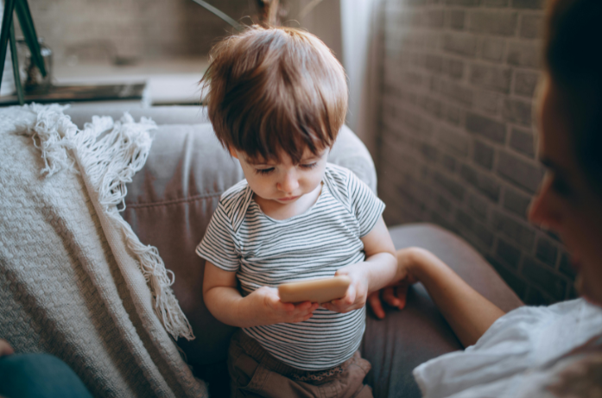
As moms, we all know the feeling. You hand your child a phone or tablet “just for a few minutes” so you can finish cooking dinner, answer an important call, or simply breathe for a moment. And sometimes screens truly feel like a lifesaver. But deep down, many parents still wonder: why is screen time bad for kids, and how much is truly too much?
The truth is, screens themselves are not the enemy. Technology is now part of everyday life. Kids learn from it, laugh with it, and stay connected through it. But when screen use slowly starts replacing sleep, playtime, outdoor adventures, family conversations, and emotional connection, that’s when problems begin to appear.
At Little One Haven, we believe parenting should come with compassion, not guilt. This article isn’t here to scare you. It’s here to gently help you understand the negative effects of screen time on children, recognize the warning signs, and find realistic ways to create healthier habits for your family.
Why Is Screen Time Bad for Kids?
Children’s brains are still growing and developing. Their bodies, emotions, language skills, and social abilities need real-world experiences to develop in healthy ways. When too much time is spent in front of screens, important parts of childhood can quietly get pushed aside.
Many parents notice changes slowly. Maybe your child becomes more irritable after using a tablet. Maybe bedtime turns into a battle. Or perhaps outdoor play no longer seems exciting compared to videos and games.
The concern is not just about entertainment. Research continues to show strong links between excessive screen use and challenges in learning, behavior, emotional regulation, sleep, and physical health.
The younger the child, the more sensitive they are to these effects.
The Negative Effects of Screen Time on Children
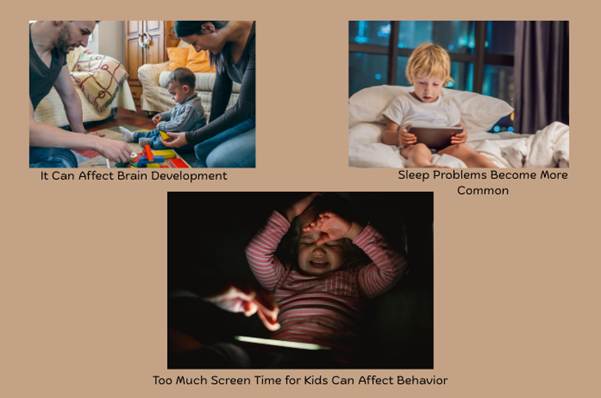
1. It Can Affect Brain Development
Early childhood is a critical time for learning language, emotional skills, movement, creativity, and social interaction. Young children learn best through talking, touching, exploring, and playing with real people.
When screens take up too much of their day, these important experiences become limited.
Studies connected to screen time and child development suggest that excessive exposure may impact:
- Attention span
- Language development
- Memory skills
- Problem-solving abilities
- Emotional regulation
A toddler learns far more from stacking blocks with a parent than from tapping endlessly on a screen.
No app can fully replace eye contact, cuddles, storytelling, or outdoor play.
2. Sleep Problems Become More Common
One of the biggest struggles many moms notice is bedtime chaos after screen use.
Blue light from phones, tablets, and TVs can interfere with melatonin production, which is the hormone that helps children feel sleepy. Exciting videos and fast-moving games can also overstimulate the brain, making it harder for kids to calm down.
Children who spend more time on screens often:
- Fall asleep later
- Wake up more during the night
- Sleep fewer hours overall
- Feel cranky and tired during the day
Even adults struggle with this, so imagine how much harder it can be for little ones.
Creating screen-free evenings can make a surprisingly big difference in sleep quality.
One of the biggest challenges many parents notice is disrupted sleep routines. Screen exposure can make bedtime harder and affect sleep quality. You can also learn more about toddler sleep regression, which explains how sleep patterns change during early childhood and what parents can do to handle it.
3. Too Much Screen Time for Kids Can Affect Behavior
If you’ve ever dealt with a meltdown after turning off a device, you’re definitely not alone.
Many parents notice emotional changes linked to excessive screen use. This is one reason conversations around how screen time affects kids behavior have become so important.
Too much screen exposure may contribute to:
- Increased irritability
- Mood swings
- Aggressive behavior
- Difficulty handling boredom
- Reduced patience
- Trouble focusing
Fast-paced content constantly stimulates the brain. Real life suddenly feels “slow” compared to videos, games, or social media.
Over time, children may struggle more with emotional self-control because their brains become used to constant stimulation and instant rewards.
Screen Addiction in Children Is Becoming More Common
One of the most heartbreaking things many parents experience is watching their child become emotionally dependent on screens.
A child may:
- Constantly ask for devices
- Become angry when screens are removed
- Lose interest in hobbies or playtime
- Sneak screen use secretly
- Struggle to enjoy offline activities
This is where concerns about screen addiction in children come into focus.
Children’s brains naturally crave dopamine, the “feel good” chemical released during exciting activities. Games, videos, and apps are specifically designed to keep kids engaged for long periods of time.
This does not mean you’re a bad parent.
Modern technology is intentionally addictive, even for adults. The important thing is noticing the signs early and gently guiding children back toward balance.
The Effects of Mobile Phones on Children
Mobile phones are especially difficult because they are portable, personal, and available almost everywhere.
Unlike television, phones follow children into bedrooms, restaurants, car rides, and even family conversations.
The effects of mobile phones on children may include:
- Reduced family interaction
- Increased social isolation
- Difficulty concentrating
- Exposure to inappropriate content
- Increased anxiety in older children
- Less physical activity
For younger children, phones can also interfere with important bonding moments. Even background phone use during meals or playtime can reduce meaningful interaction between parents and children.
And the truth many moms quietly feel? Kids notice when we’re constantly on our phones too.
Children learn more from what we model than what we say.
Physical Health Can Be Affected Too
When children spend too much time on screens, their physical health can be affected in many small but important ways. Little bodies are meant to move, play, explore, and stay active throughout the day. But long hours with phones, tablets, or TVs often replace healthy movement and outdoor play.
Too much screen time for kids may lead to:
- Weight gain from sitting for long periods
- Poor posture from looking down at devices
- Neck and back pain caused by screen use
- Eye strain and tired eyes
- Frequent headaches
- Reduced motor skill development
- Less physical activity and outdoor play
- Lower energy levels during the day
As moms, we know childhood should be filled with running, climbing, jumping, dancing, and playful adventures. These simple activities help children grow stronger, healthier, and happier.
Even small changes, like more park time, family walks, bike rides, or outdoor games, can make a big difference in supporting a child’s physical and emotional well-being.
Social Skills Can Suffer Over Time
Children learn some of life’s most important lessons through everyday interactions with people around them. They learn kindness by sharing toys, patience by waiting their turn, and empathy by noticing someone’s smile, tears, or feelings. Simple moments like playing with siblings, talking at the dinner table, or making friends at the park help shape their social and emotional growth.
But when too much time is spent on screens, children can miss out on these real-life experiences. Digital entertainment often replaces face-to-face conversations, imaginative play, and meaningful family interaction.
Over time, excessive screen use may make it harder for children to:
- Read facial expressions and social cues
- Maintain eye contact during conversations
- Start conversations confidently
- Handle frustration or disagreements calmly
- Build strong friendships
- Express emotions in healthy ways
- Feel comfortable in social settings
This is especially important during the younger years, when children are still learning how to communicate, connect, and understand emotions. Real-world interaction helps build confidence, emotional security, and healthy relationships in ways that screens simply cannot replace.
As parents, even small moments of connection, talking during meals, reading together, family game nights, or outdoor playdates, can make a beautiful difference in helping children grow socially and emotionally strong.

Healthy Screen Time Limits for Kids
One of the most common questions parents ask is, “How much screen time is actually okay for kids?” And honestly, the answer does not have to feel strict or overwhelming. Parenting is all about balance, not perfection.
Screens are part of modern life, and completely avoiding them is nearly impossible. What matters most is creating healthy habits that leave enough room for sleep, play, learning, family connection, and real-world experiences.
Experts generally recommend these healthy screen time limits for kids:
Babies Under 18 Months
For babies, it’s best to avoid screen time as much as possible, except for video calls with family members. At this age, babies learn best through eye contact, touch, talking, singing, and everyday interaction with parents and caregivers.
Toddlers 18–24 Months
Toddlers can have very limited screen time, but it should be high-quality content watched together with a parent. Simple educational programs with conversation and interaction are much more helpful than passive watching alone.
Ages 2–5
For preschoolers, around one hour a day of quality programming is generally considered a healthy limit. At this stage, children still need lots of hands-on play, storytelling, outdoor fun, and social interaction to support healthy development.
Older Kids
As children grow older, healthy screen habits become more about balance and routine. Screen time should not replace important parts of childhood like:
- Sleep and rest
- Outdoor play
- Reading books
- Family conversations
- Creative play and hobbies
- Physical movement and exercise
It’s also important to remember that not all screen time is the same. Watching a calm educational show together as a family is very different from endless scrolling, fast-paced videos, or hours of unsupervised device use.
At the end of the day, children don’t just need screen limits, they need connection, guidance, and healthy routines that help them grow emotionally, socially, and physically strong.
Reducing Screen Time for Kids Without Constant Battles
Let’s be real for a moment, reducing screen time for kids is not always easy. Once screens become part of a child’s daily routine, cutting back can lead to complaints, frustration, or even tantrums. And as parents, especially on busy or exhausting days, it’s tempting to give in because sometimes screens feel like the only way to get a moment of peace.
But the good news is that you do not need harsh rules or constant arguments to create healthier habits. In most families, small and gentle changes work much better than strict punishments. The goal is not to remove every screen, but to help children find balance and reconnect with real-life activities, family time, and play.
Here are some simple and realistic ways to reduce screen time naturally without turning your home into a daily battle.
Create Screen-Free Family Moments
Children thrive on routines, and often the smallest family habits make the biggest difference.
Instead of focusing on endless rules, try creating a few screen-free moments during the day where everyone in the family disconnects together. These little boundaries help children slowly understand that not every moment needs a device.
Simple ideas include:
- Keeping mealtimes screen-free
- Making bedrooms device-free zones
- Using car rides for conversations or music
- Avoiding screens at least one hour before bedtime
These routines create more opportunities for connection, conversation, and calm family moments.
Offer Exciting Alternatives
Sometimes children reach for screens simply because they are bored and screens are the easiest form of entertainment available.
One helpful trick is to make offline activities feel fun, easy, and inviting. You don’t need expensive toys or complicated setups. Often, simple activities spark the most creativity.
You can try offering:
- Coloring books and crayons
- Building blocks or LEGO
- Outdoor games
- Puzzles
- Sensory play bins
- Storytime baskets with favorite books
- Pretend play activities
Many parents are surprised to see how quickly children rediscover imaginative play once screens stop being the default option.
Spend More Time Outdoors
Fresh air and outdoor play can completely change a child’s mood and energy levels.
Nature has a calming effect on both children and parents, and outdoor activities naturally reduce the need for screens. Kids who spend more time outside are often happier, more active, and emotionally calmer.
Simple outdoor activities can include:
- Evening walks
- Park visits
- Gardening together
- Bike rides
- Chalk drawing on the sidewalk
- Water play on warm days
Childhood memories are often made outside, running barefoot in the grass, collecting leaves, laughing at the park, or simply exploring the world around them.
Be a Role Model
This part can feel difficult because many of us adults struggle with screen habits too.
Children pay close attention to what we do. If they constantly see parents scrolling through phones during meals, conversations, or playtime, they naturally begin copying those habits.
That doesn’t mean parents need to be perfect. It simply means being a little more mindful and creating moments of real connection.
Small changes matter, like:
- Looking up during conversations
- Putting phones away during meals
- Being fully present during playtime
- Limiting mindless scrolling around children
Sometimes what children need most is simply our attention.
Don’t Use Screens for Every Emotion
Almost every parent has handed over a phone during a tantrum, long car ride, grocery trip, or stressful moment. Parenting is hard, and sometimes screens help us survive difficult days.
But when screens become the main solution for boredom, sadness, frustration, or meltdowns, children may struggle to develop healthy emotional coping skills.
Instead, we can gently help children learn other ways to calm themselves and process emotions.
Helpful alternatives may include:
- Deep breathing exercises
- Quiet play
- Talking about feelings
- Drawing or coloring emotions
- Listening to calming music
- Sensory calming activities
These emotional skills are incredibly important and will help children long after childhood.
You Don’t Have to Be a Perfect Parent
If reducing screen time feels overwhelming sometimes, you are not alone.
Modern parenting comes with so much pressure. Many moms are balancing work, household responsibilities, emotional stress, and endless daily tasks. Screens often become the quick solution simply because parents need a break too.
And that does not make you a bad mom.
The goal is not raising children with zero screens. The goal is creating a healthy balance where screens do not replace connection, play, sleep, movement, and family time.
Even small changes matter.
A few extra family conversations, more outdoor play, one less hour on devices, or one more bedtime story each night can make a beautiful difference over time.
And most importantly, your child does not need perfection, they simply need your love, guidance, and presence.
A Gentle Reminder for Parents Feeling Guilty
If reading this article made you feel worried or guilty, take a deep breath.
You are not failing your child.
The fact that you’re here, learning and caring about your child’s well-being, already says so much about the kind of parent you are.
Children do not need perfect parents.
They need loving, present, trying parents.
Some days will include more screen time than planned. Life happens. Sick days happen. Exhausting days happen.
What matters most is the overall pattern of love, connection, conversation, play, and emotional safety in your home.
FAQs About Screen Time for Kids
1. Why is too much screen time bad for kids?
Excessive screen time can affect sleep, behavior, emotional regulation, social skills, and physical activity levels.
2. How much screen time is healthy for children?
Healthy limits depend on age, but balance with sleep, play, learning, and family interaction is most important.
3. Can screen time affect child behavior?
Yes, too much screen exposure may contribute to irritability, mood swings, and difficulty focusing.
4. What are signs of screen addiction in children?
Constant device requests, meltdowns when screens are removed, and loss of interest in offline activities can be warning signs.
5. How can parents reduce screen time without fights?
Small routines, outdoor play, screen-free family moments, and engaging alternatives often help naturally.
Final Thoughts
Understanding why is screen time bad for kids is not about fear, it’s about creating healthier, happier childhoods filled with real connection and balance.
Screens will always be part of modern life, and that’s okay. But childhood also deserves muddy shoes, bedtime stories, giggles at the dinner table, outdoor adventures, imagination, and warm family moments that no screen can replace.
So if you’re working on setting healthier boundaries, reducing screen use, or simply becoming more mindful about technology in your home, know this:
You’re already doing better than you think.
And your little one doesn’t need perfection from you, just your love, presence, and gentle guidance every single day.
And if you’re looking for more comforting parenting tips, child development guidance, and simple ways to create a happier home for your little one, visit Little One Haven, a warm space created by a caring mom for parents who just want the very best for their children.