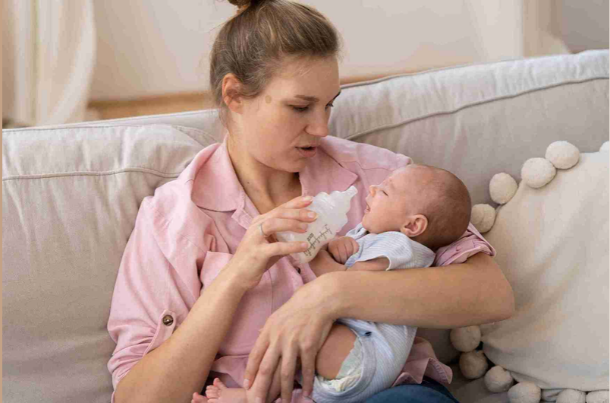
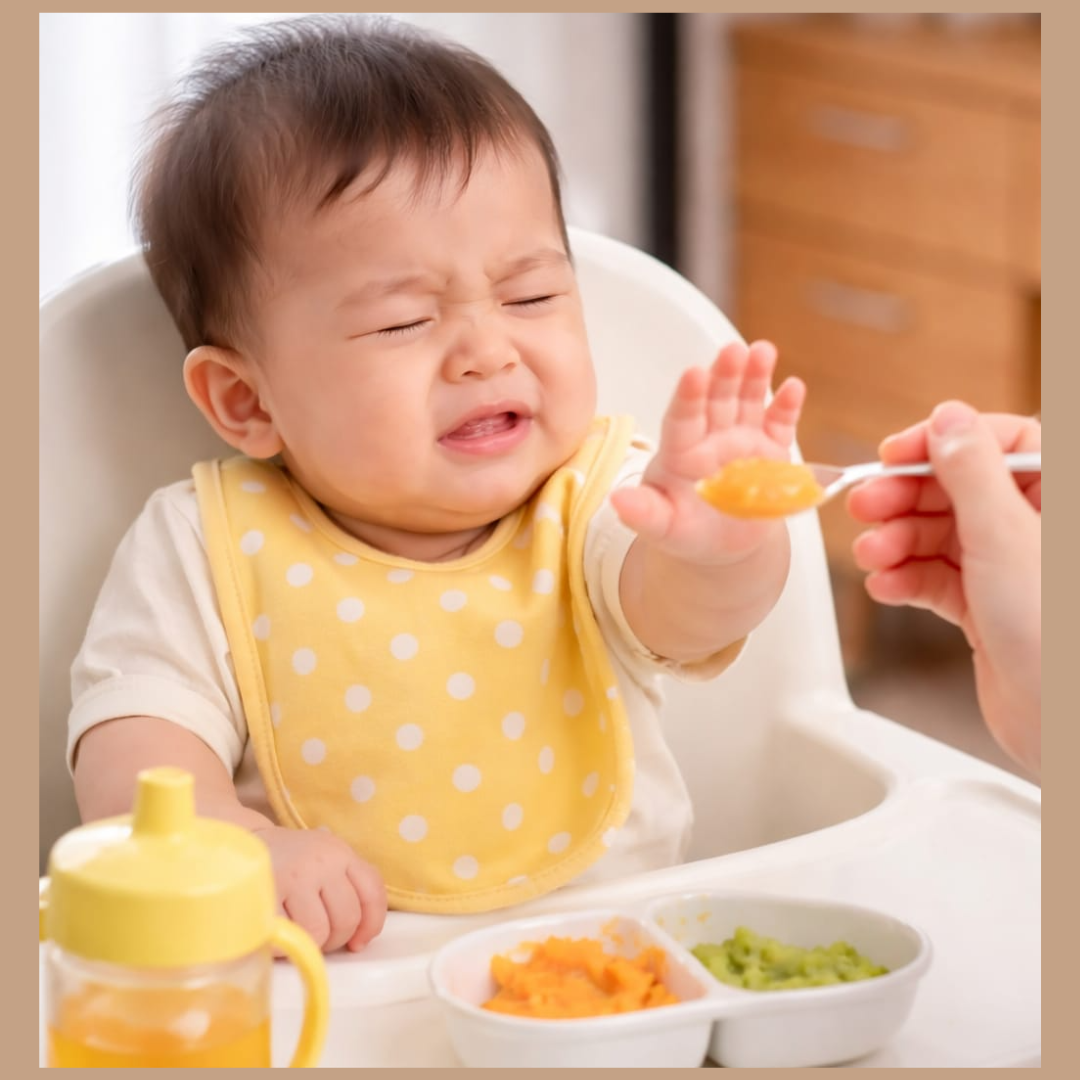
As a mom, I still remember how stressful it felt when my baby was not eating solids. I would prepare soft khichdi, mash fruits, and try different recipes with so much love, but my baby would turn away, hold food in the mouth without swallowing, or simply refuse to eat.
There were days when I felt confused and worried.
“Why is my baby not eating solids?”
“Am I doing something wrong?”
“Is my baby getting enough nutrition?”
If your baby refuses solid food or shows no interest in eating, I want you to know, you are not alone. Many parents go through this phase where their baby is not eating food properly.
The most important thing I learned is:
Eating is not automatic; it’s a skill that babies learn with time.
If you’re just starting your baby’s solid food journey, our Best First Foods for Babies Guide can help you choose safe, nutritious, and easy-to-eat foods for every stage.
1. Why Your Baby Is Not Eating Solids
There can be several reasons why your baby may refuse solid foods.
Delayed texture exposure
If your baby has mostly been given smooth purees, they may not be familiar with chewing. Suddenly introducing thicker or lumpier foods can feel difficult for them, which may lead to refusal. Gradually increasing texture can help them adjust.
Fear of gagging or choking
Babies who are new to solids often gag, which is a natural protective reflex. However, this experience can make them hesitant to try solids again. With time and repeated safe exposure, most babies overcome this fear.
Too much milk intake
If your baby drinks a lot of breast milk or formula throughout the day, they may feel full and show less interest in solids. Offering solids before milk can help build appetite.
Teething discomfort
During teething, babies may have sore or swollen gums, which can make chewing uncomfortable. Offering softer foods during this phase can help.
Developing independence
As babies grow, they start expressing their preferences. Sometimes, refusing food is simply their way of showing independence.
Sensitivity to textures
Some babies are more sensitive to new tastes, smells, or textures and may need repeated exposure before accepting a new food.
If your baby is not interested in solids right now, it’s usually temporary. With patience and consistency, most babies gradually learn to enjoy solid foods.
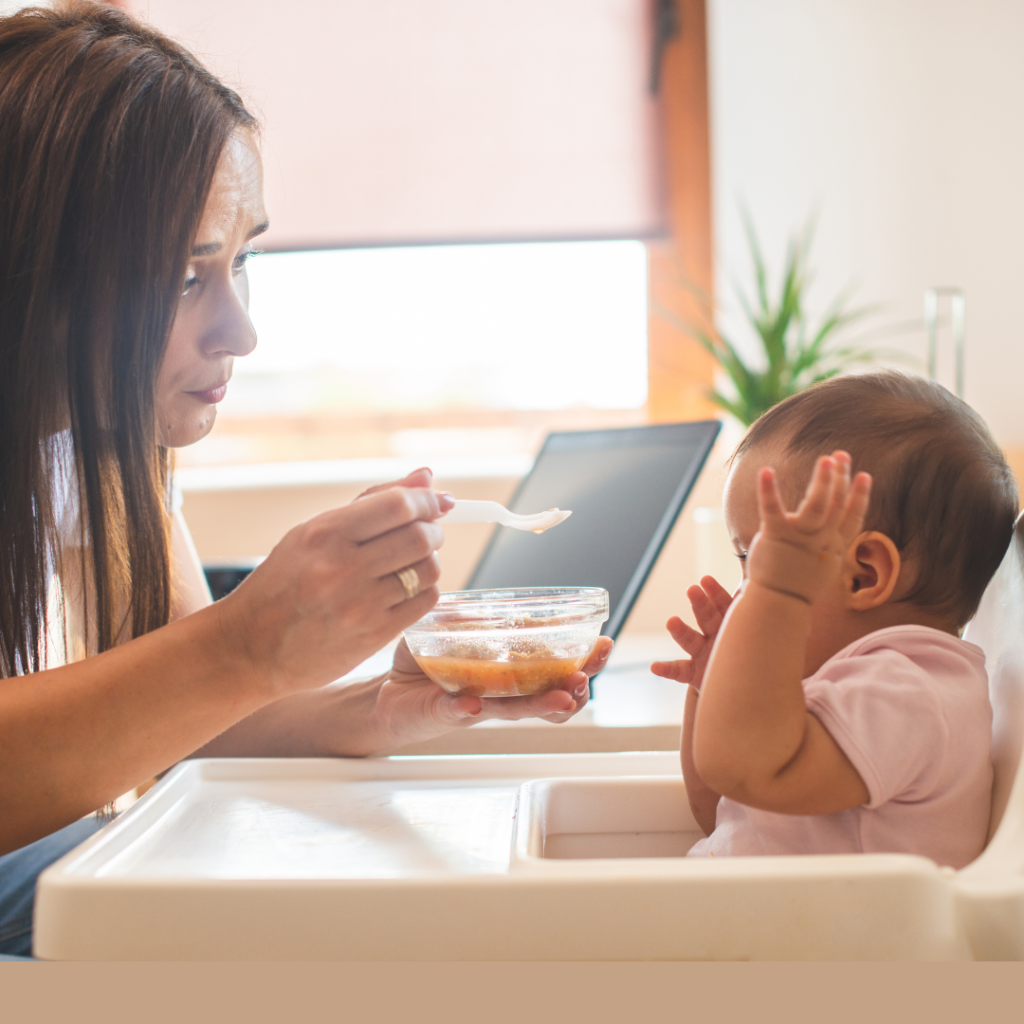
2. Common Mistakes Parents Make
When babies refuse solids, parents often worry and unintentionally make mistakes that can make feeding more difficult.
One common mistake is continuing to offer only purees after 10–12 months. Babies need to learn chewing skills, and relying only on smooth foods can delay this learning.
Another issue is not introducing finger foods. Finger foods allow babies to explore food independently and develop hand-to-mouth coordination.
Force feeding can also create negative associations with food. When babies are pressured to eat, they may resist even more.
Giving milk before meals can reduce appetite for solids, as the baby may already feel full.
Using mobile phones or TV during feeding may seem helpful, but it can affect a baby’s natural hunger cues.
Lastly, not allowing self-feeding can delay learning. Although messy, self-feeding helps babies build independence and confidence.
With patience and small changes, babies can gradually develop healthy eating habits.
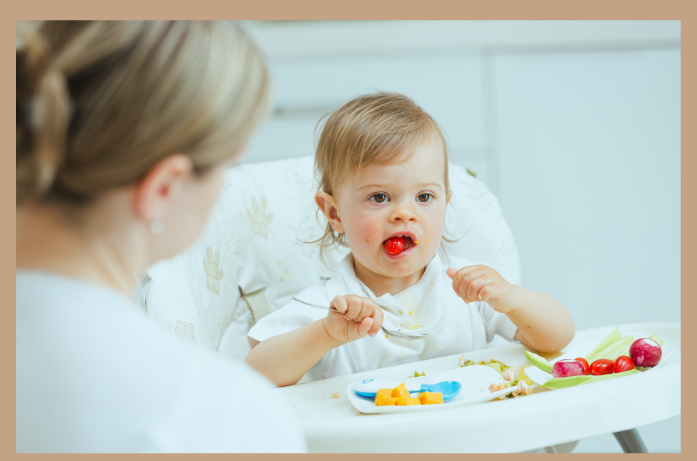
3. How to Teach Your Baby to Eat Solids
Teaching a baby to eat solids should be a gradual and positive experience.
Start by offering soft finger foods that are easy to hold and chew, such as boiled vegetables or soft fruits.
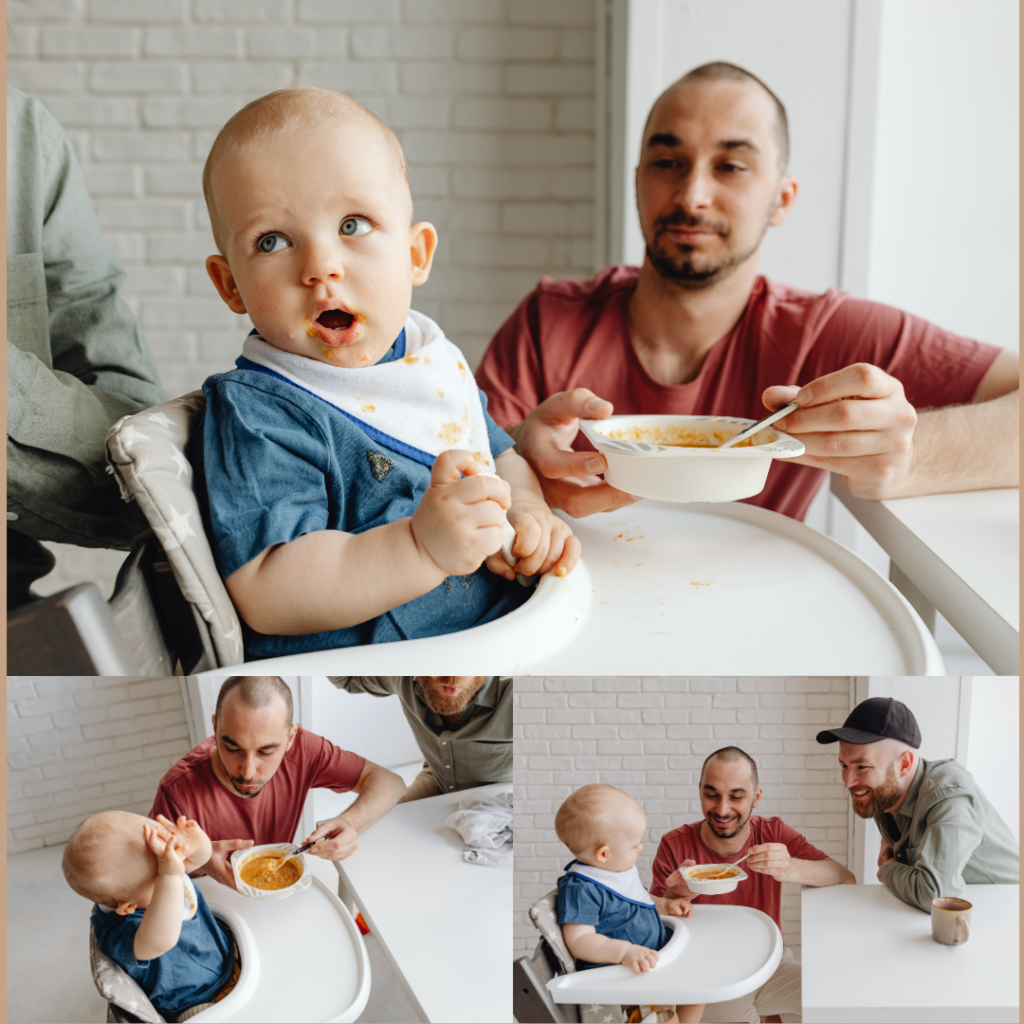
Allow your baby to touch, explore, and play with food. Babies learn through their senses, and this exploration helps them become comfortable with different textures.
Eating together as a family can also help. Babies often imitate adults, so watching you eat may encourage them to try food.
Encourage chewing by giving your baby enough time to move food around in the mouth instead of rushing.
Gradually move from purees → mashed food → soft solids so your baby can adjust slowly.
Consistency is key. Even if your baby eats only a small amount, regular exposure helps build acceptance over time.
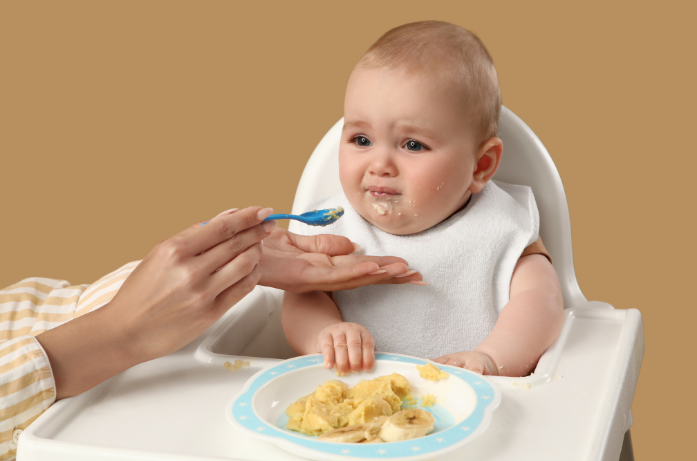
4. Best Foods to Start With
When babies begin solids, it’s important to offer foods that are soft, nutritious, and easy to chew. Starting with simple foods can help babies adjust to new textures and flavors more comfortably.
Soft grains (rice, oatmeal, or soft bread)
Soft grains are gentle on a baby’s stomach and provide energy. Well-cooked rice, oatmeal, or soft bread soaked in soup or broth can be easy for babies to chew and swallow.
Mashed vegetables (carrot, potato, sweet potato)
Soft-cooked vegetables are great for introducing new flavors. Mash them well or cut them into very small pieces so babies can safely practice chewing.
Soft fruits (banana, avocado, pear)
These fruits are naturally soft and easy for babies to eat. They are also rich in vitamins and healthy fats that support growth and brain development.
Soft protein foods (paneer, tofu, or shredded chicken)
Protein helps support muscle growth and overall development. Soft cubes of paneer or tofu, or finely shredded chicken, can be easy for babies to handle.
Eggs
Well-cooked scrambled eggs are a great source of protein and healthy fats. Always introduce eggs in small portions to check for allergies.
Yogurt
Plain full-fat yogurt is easy to swallow and contains beneficial probiotics that support digestion and gut health.
These foods help babies smoothly transition from purees to more textured and solid foods, while also supporting healthy eating habits as they grow. For more guidance, read this healthy baby feeding guide.
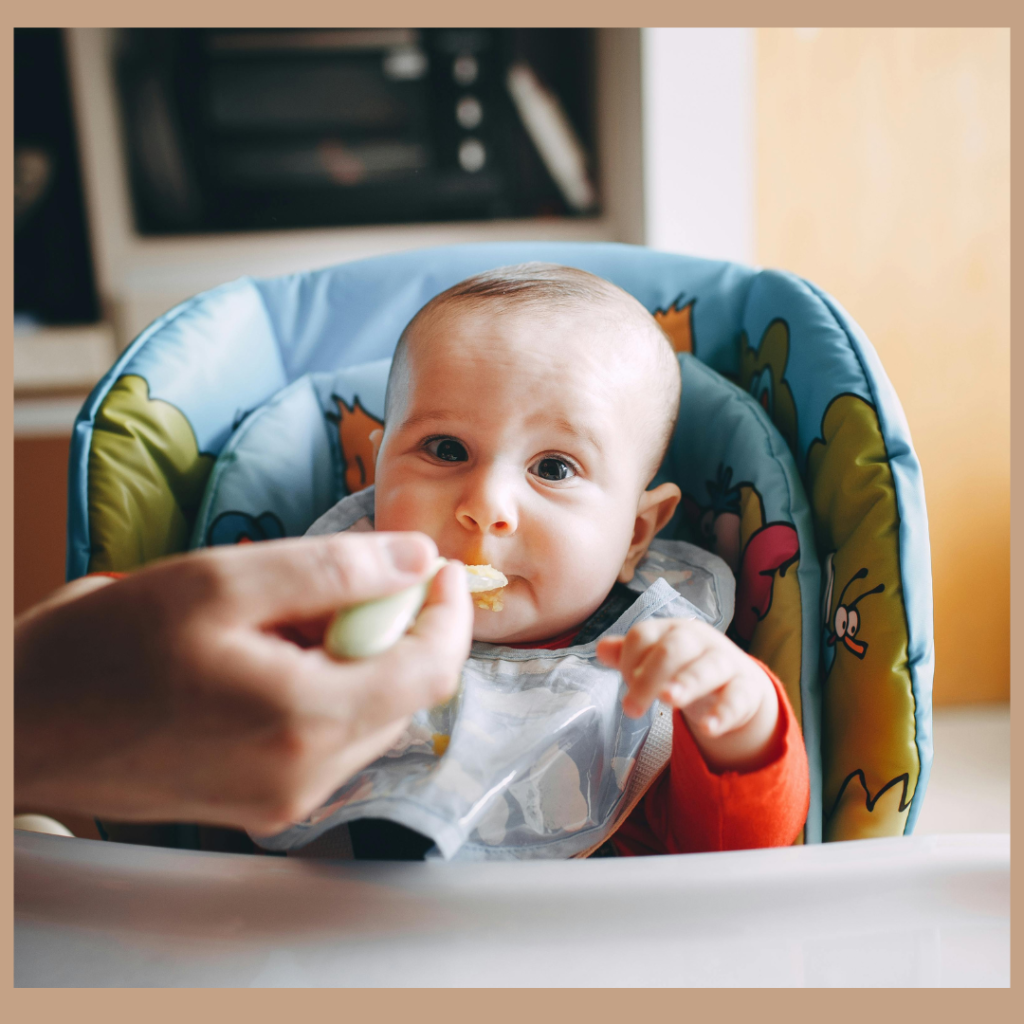
5. When Should You Worry?
Occasional food refusal is common in babies and usually part of their normal development. However, certain signs may indicate that your baby needs medical attention.
Consult a doctor if:
- Your baby is not gaining weight as expected
- Your baby seems constantly tired, weak, or less active than usual
- Your baby consistently refuses most foods over a long period
- Your baby has difficulty chewing or swallowing food
If you notice any of these signs, it’s best to seek advice from your pediatrician. Early guidance can help identify possible feeding or developmental issues and ensure your baby is growing healthily.
6. Simple Tips to Encourage Eating
Small changes in your daily routine can make a big difference in improving your baby’s eating habits. Creating a positive and relaxed mealtime environment helps babies feel comfortable exploring food.
Many babies go through phases of refusing food, but with patience, consistency, and gentle encouragement, most gradually develop healthy eating habits.
- Create a regular meal routine so your baby learns when it’s time to eat.
- Keep mealtimes calm and pressure-free, allowing your baby to eat at their own pace.
- Avoid force feeding, as it can create a negative association with food.
- Reduce excessive milk intake, so your baby feels naturally hungry during meals.
- Offer a variety of tastes and textures to help your baby become familiar with different foods.
- Celebrate little progress, even if your baby takes only a few bites.
It’s important to appreciate even little progress, like taking a few bites or trying a new food, as this encourages positive behavior. Many picky-eater babies improve with patience and consistency. It’s completely normal for babies to go through phases of refusing food, but maintaining a positive mealtime environment and repeatedly offering different foods can help them gradually accept new tastes.
For more detailed advice, you can explore this guide to handling picky eaters, which shares practical strategies for building healthy eating habits in young children.
Frequently Asked Questions
Why is my baby not eating solids?
Babies may refuse solids due to texture sensitivity, teething discomfort, or consuming too much milk, which reduces their appetite for solid foods.
How can I encourage my baby to eat solids?
Start with soft finger foods, allow your baby to self-feed, and gradually introduce different textures so they can practice chewing.
Is it normal for babies to refuse solids?
Yes, many babies go through a phase of refusing solid foods while they are learning to chew and adjust to new tastes and textures.
What if my baby only wants milk?
Try offering solid foods before milk and slowly reduce milk feeds so your baby feels hungry and more willing to try solids.
Conclusion
If your baby is not eating solids, I truly understand how stressful it can feel. I’ve been there too.
But this phase is usually temporary. Your baby is learning a completely new skill, and it takes time. Stay patient, avoid pressure, and focus on creating a positive mealtime experience.
With practice, consistency, and gentle encouragement, your baby will gradually begin to enjoy solid foods.
Remember, you’re doing a great job.
Looking for more parenting tips as your child grows? Explore our Toddler Care & Parenting Tips for expert advice on nutrition, development, behavior, and everyday parenting.