
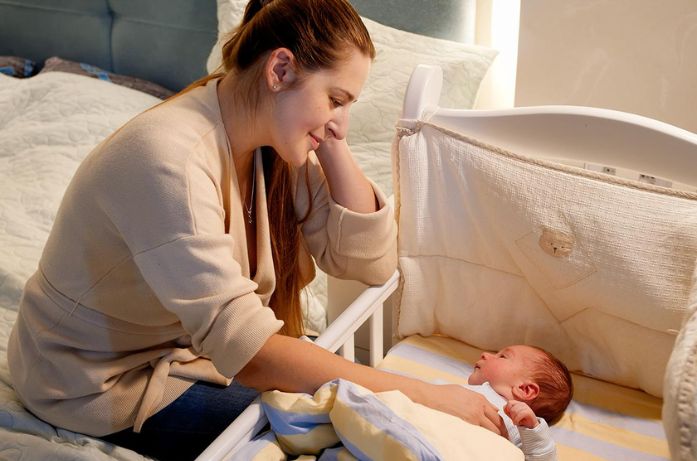
There’s something magical about holding your baby for the first time and something equally overwhelming about realizing they’re now completely dependent on you. If you’ve found yourself searching for tips for surviving newborn stage, you’re not alone, and you’re not doing anything wrong.
Those early weeks can feel like a blur of feeding, crying, diaper changes, and very little sleep. It’s beautiful, yes, but also exhausting, confusing, and emotional in ways no one fully prepares you for. From one mom to another, take a deep breath. You will get through this, and you don’t have to do it perfectly.
Let’s walk through this together, gently and honestly.
These tips for surviving newborn stage are meant to support you in a gentle and realistic way during these early weeks.
Tips for Surviving Newborn Stage
1. Let Go of “Perfect Parenting”
One of the biggest lessons I learned early on? There is no perfect way to do this.
Your baby doesn’t need perfection, they need you. A loving, trying, learning parent. Some days you’ll feel confident, other days you’ll Google everything at 3 a.m. That’s normal.
If the house is messy, the laundry is piled up, and you’ve eaten toast for dinner… you’re still doing an amazing job.
2. Sleep Whenever You Can (Even If It Feels Impossible)
You’ve probably heard it a hundred times, “sleep when the baby sleeps.” And honestly, some days that advice just doesn’t feel realistic. There’s always something to do, or your mind just won’t switch off.
But even small moments of rest can make a difference. It doesn’t have to be perfect sleep to help your body recover. Sometimes, just lying down and giving yourself a pause is enough.
If you can, try to rest in simple ways, close your eyes for a few minutes, lie down even if sleep doesn’t come, and let go of chores when you’re feeling drained.
In this phase, rest looks different. And that’s okay. You’re still taking care of yourself in the ways that matter.
3. Feed Your Baby—Your Way
However you choose to feed your baby, breastfeeding, formula, or a mix of both, the most important thing is simple: your baby is fed, loved, and growing.
It’s easy to feel pressure or doubt when you hear so many opinions about feeding. But what truly matters is what works best for you and your baby, not what anyone else says.
If something doesn’t feel right or isn’t working, it’s okay to change your approach. That doesn’t mean you’re failing, it means you’re listening, learning, and doing what’s best for your little one.
And that is exactly what a loving parent does.
4. Accept Help (Even If You’re Used to Doing Everything Yourself)
If you’re someone who’s used to handling everything on your own, this part can feel a little uncomfortable. But the truth is, the newborn stage isn’t meant to be done alone.
When someone offers to help, whether it’s cooking a simple meal, holding your baby so you can take a quick shower, or folding a pile of laundry try to say yes.
These small acts might seem simple, but they can lift a huge weight off your shoulders. They give you a moment to breathe, rest, and feel supported.
You don’t have to do it all by yourself. You deserve care and help too.
5. Lower Your Expectations (Just for Now)
Right now, this season isn’t about getting everything done, it’s about getting through, with love and care. Your body is healing, your baby is adjusting to the world, and you’re both learning together. That alone is more than enough.
You don’t need to worry about hosting visitors, keeping your home perfectly clean, or staying on top of every little task. Those things can wait. Truly, they can.
For now, focus on what matters most, feeding your baby, getting rest whenever you can, and taking care of yourself in small, gentle ways.
Everything else will fall back into place with time.
As you go through these tips for surviving newborn stage, remember that small steps can make a big difference.
6. Create Small, Gentle Routines
Newborns don’t follow strict schedules, and that’s completely okay. But adding a few small, gentle patterns into your day can bring a sense of calm for both you and your baby.
It can be as simple as a quiet feeding before bedtime, playing soft music during diaper changes, or sitting together by the window for a few peaceful morning cuddles. These little moments don’t need to be planned perfectly, they just happen naturally over time.
In a stage that can feel unpredictable, these tiny routines create comfort and familiarity. And sometimes, that small sense of rhythm is exactly what both of you need.
7. Trust Your Instincts
In the newborn stage, advice seems to come from everywhere, family, friends, social media, even strangers sometimes. It can feel overwhelming trying to figure out what’s right.
It’s okay to listen and learn, but don’t forget to tune into your own inner voice. You spend the most time with your baby, you’re the one learning their little cues, their needs, their rhythm.
If something feels right, trust that feeling. And if something doesn’t sit well with you, it’s completely okay to pause and question it.
The more you start trusting yourself, the more confident and calm you’ll feel. The American Academy of Pediatrics (AAP) newborn care resources also encourage responsive caregiving, gentle observation, and early parent confidence as important parts of healthy newborn care. And that makes getting through the newborn stage just a little bit easier.
8. Take Care of Your Emotional Health
The newborn stage isn’t just tiring on your body, it can feel heavy on your heart too.
You might find yourself feeling overwhelmed, more emotional than usual, anxious, or even a little disconnected at times. These feelings are more common than most people talk about, and they don’t make you a bad parent. They make you human.
Please don’t carry it all on your own. Talk to someone you trust, whether it’s your partner, a friend, or another mom who understands. And if your feelings start to feel too big or too constant, reaching out to a healthcare professional is a brave and loving step, for you and your baby.
9. Keep Essentials Within Reach
This is one of those simple but truly helpful tips getting through newborn stage that can make your day feel a little easier right away.
Instead of running back and forth, try setting up small stations around your home with things you use often, diapers, wipes, burp cloths, a change of clothes, and even some snacks and water for yourself.
When everything is within arm’s reach, those busy moments feel less stressful, and you can focus more on your baby instead of scrambling to find things.
Sometimes, it’s these little adjustments that make a big difference.
10. Eat, Hydrate, and Care for Yourself
In the middle of caring for your baby, it’s so easy to forget about yourself. But your body is still healing, and you need that energy to get through the day.
Keep things simple, have easy snacks within reach, sip water during feedings, and eat whatever feels manageable and nourishing. It doesn’t have to be perfect.
Taking care of yourself isn’t selfish. It’s one of the most important ways you can care for your baby too.
11. Remember: Crying Is Communication
Newborns cry, it’s one of the only ways they know how to express themselves. According to the Healthy Newborn Network’s newborn care reference manual, crying is a normal part of newborn communication and often reflects basic needs such as hunger, comfort, warmth, or connection. And yes, sometimes it feels like they cry alot. But it doesn’t mean you’re doing anything wrong. It simply means your baby is trying to tell you something in the only way they can.
It could be something simple like hunger or tiredness. Sometimes they’re uncomfortable, or they just want to feel close to you, your warmth, your heartbeat, your presence. To them, you are their whole world.
And then there are moments when you’ve checked everything fed them, changed them, held them, and they still cry. That can feel frustrating and exhausting, but it’s okay. It doesn’t make you a bad parent.
In those moments, just holding your baby, gently soothing them, and being there is more than enough. Your presence is their comfort, even if the crying doesn’t stop right away.
12. Step Outside When You Can
When the walls start to feel a little too close and the day feels heavy, stepping outside, even for a few minutes, can make a gentle difference. Fresh air has a quiet way of lifting your mood and bringing a sense of calm, not just for you but for your baby too.
It doesn’t have to be anything big or planned. A short walk, standing on the balcony, or even sitting by an open window with your baby in your arms can feel refreshing. Sometimes, that small change in environment is enough to break the cycle of a long, tiring day.
You might notice your baby relaxing with the soft sounds and natural light, and you may feel your own mind settle just a little.
These tiny pauses matter. They remind you that there’s a world beyond the routine, and sometimes, that’s all you need to feel a bit lighter.
13. Capture Moments, But Don’t Chase Them
In these early days, everything feels so precious. The tiny fingers wrapped around yours, those soft sleepy smiles, the way your baby curls into your chest like they belong nowhere else it’s only natural to want to hold onto every second.
Take the photos, of course you should. You’ll cherish them forever. But don’t feel like you have to capture everything. Some of the most beautiful moments happen when you’re not reaching for your phone, but simply soaking it all in.
Let yourself pause. Breathe it in. Feel the warmth of your baby against you, the quiet stillness, the love that doesn’t need to be recorded to be remembered.
Because not every moment is meant to be saved on a screen. Some are meant to live softly in your heart.
14. Be Kind to Yourself on the Hard Days
There will be days that feel heavier than others. Days when your baby won’t settle no matter what you try. Days when you’re running on almost no sleep, and even the smallest things feel overwhelming.
On those days, it can feel like you’re falling short, but you’re not. You’re simply human, doing something incredibly demanding with all the love you have.
If you’re going through this transition, it may help to understand what really changes before and after becoming a parent, which explains the emotional ups and downs many new parents experience.
Pause for a moment and remind yourself: what you’re doing is hard… and it matters deeply. You are nurturing, comforting, and showing up for your baby in ways that truly count.
Try to speak to yourself the same way you would to a close friend in this situation, with gentleness, patience, and understanding. No harsh judgment, no unrealistic expectations. Just kindness.
Because you deserve that kind of care too.
15. Know That It Gets Easier
Right now, it might feel like the days are blending into each other like you’re stuck in a cycle of feeding, soothing, and trying to catch a little sleep wherever you can. And in those moments, it’s completely natural to wonder if it will always feel this hard.
But slowly, almost so gently you might not even notice at first, things begin to shift.
Your baby will start sleeping a little longer. Not perfectly, not every night, but enough for you to feel a small sense of relief. You’ll begin to understand their cues more easily, and those moments of confusion will turn into quiet confidence.
You’ll find your rhythm. The days won’t feel as unpredictable, and little routines will start forming on their own.
And one day, without even realizing it, you’ll look back at this phase, not just with exhaustion, but with pride. Because you made it through. You showed up every single day, even when it was hard, even when you were tired.
And that strength? It’s something no one can take away from you.
FAQs About Surviving the Newborn Stage
1. How do you survive the newborn stage?
Focus on rest, simple routines, accepting help, and taking things one day at a time.
2. When does the newborn stage get easier?
Most parents notice improvement after the first 6–8 weeks as babies start developing patterns.
3. Is it normal to feel overwhelmed with a newborn?
Yes, it’s completely normal due to sleep deprivation and emotional changes.
4. How much sleep do new parents get?
Sleep can be broken and limited, so resting whenever possible is important.
5. What is the hardest part of the newborn stage?
Lack of sleep, constant care, and adjusting to a new routine are often the biggest challenges.
A Gentle Reminder for Every New Parent
If you’re looking for tips for surviving newborn stage, remember that this phase is temporary and you’re learning every day.
If you’re reading this with your baby in your arms, maybe running on very little sleep and quietly wondering, “Am I doing this right?” I want you to pause for a moment and hear this.
You are enough. Truly.
Not because you have everything figured out, but because you keep showing up. You comfort, you try, you learn, and you love your baby in a way only you can. And that matters more than anything else.
The newborn stage isn’t about perfection. It’s about small, meaningful moments, learning your baby’s cries, finding your rhythm, and growing together day by day. It’s messy, emotional, and beautiful all at once.
So don’t rush through it. Take it one feeding, one nap, one deep breath at a time.
And whenever you need a little reassurance, a warm hug in words, or gentle guidance from someone who understands, know that you’re never alone on this journey. littleonehaven.