Pregnancy is filled with excitement, curiosity, and plenty of surprises. One question many expectant parents ask early on is: “Could I be carrying twins?”
While the only way to confirm a twin pregnancy is through an ultrasound, many moms report experiencing symptoms that seem stronger or appear earlier than expected. Because of this, many parents wonder whether stronger-than-expected pregnancy symptoms could be an early sign of twins.
If you’ve noticed that your pregnancy symptoms feel a little more pronounced than expected, you may be curious about the possibility of carrying multiples.
In this guide, we’ll explore some of the most commonly reported twin pregnancy symptoms, what may cause them, and when you can find out for sure whether you’re expecting two babies instead of one.
Quick Answer: What Are the Symptoms of Twins in Early Pregnancy?
Some of the most commonly reported early signs of twins include more intense morning sickness, extreme fatigue, increased breast tenderness, higher hCG levels, rapid weight gain, and stronger pregnancy symptoms overall. However, symptoms alone cannot confirm a twin pregnancy. The only reliable way to know whether you are expecting twins is through an ultrasound performed by your healthcare provider.
Can You Tell If You’re Having Twins Early in Pregnancy?
The short answer is: sometimes, but not always.
Every pregnancy is unique. Some women carrying twins notice stronger symptoms during the first trimester, while others experience signs that feel very similar to a singleton pregnancy.
Although certain symptoms may raise the possibility of a twin pregnancy, none of them can provide a definite answer on their own. The only reliable way to confirm whether you’re expecting twins is through a prenatal ultrasound performed by your healthcare provider.
Parents interested in learning more about what to expect when carrying multiples can find additional information through Cleveland Clinic resources.
Common Symptoms of Twins in Early Pregnancy
While no symptom can confirm a twin pregnancy, some parents report noticing certain changes more strongly or earlier than expected. Here are some of the most commonly reported signs associated with twin pregnancies.
1. More Intense Morning Sickness
One of the most commonly reported early pregnancy symptoms associated with twins is more intense nausea and vomiting.
Women carrying twins often have higher levels of pregnancy hormones, particularly human chorionic gonadotropin (hCG), which may contribute to stronger morning sickness.
You may notice:
- Nausea throughout the day
- Vomiting more frequently
- Difficulty tolerating certain foods or smells
- Symptoms beginning earlier than expected
However, severe morning sickness can also occur in singleton pregnancies, so this symptom alone is not proof of twins.
2. Extreme Fatigue
Feeling tired during pregnancy is normal, but many mothers expecting twins describe their exhaustion as overwhelming.
Your body is working harder to support the development of two babies, two amniotic sacs, and often a larger placenta.
You may experience:
- Needing more sleep than usual
- Difficulty getting through normal daily activities
- Fatigue that starts very early in pregnancy
- Feeling exhausted even after resting
While fatigue is common in all pregnancies, unusually intense exhaustion can sometimes be associated with carrying multiples.
3. Higher hCG Levels
Human chorionic gonadotropin (hCG) is the hormone detected in pregnancy tests.
Although hCG levels vary widely between pregnancies, women carrying twins often have higher-than-average hCG levels.
Possible signs include:
- Early positive pregnancy tests
- Pregnancy tests that darken quickly
- Blood tests showing elevated hCG levels
It’s important to remember that hCG levels overlap significantly between singleton and twin pregnancies. High levels alone cannot confirm twins. Parents interested in learning more about understanding hCG levels during pregnancy can explore educational resources from MedlinePlus.
4. Increased Breast Tenderness
Breast changes are often among the first signs of pregnancy.
In twin pregnancies, hormonal changes may be more pronounced, leading to:
- Greater breast sensitivity
- Increased fullness
- More noticeable breast growth
- Darkening of the areolas
Many women report that breast tenderness appears earlier or feels more intense when carrying multiples.
5. Rapid Weight Gain
While weight gain varies from person to person, some women carrying twins notice physical changes earlier than expected.
This may include:
• A rapidly expanding waistline
• Difficulty fitting into regular clothes sooner
• Increased appetite
Keep in mind that early pregnancy bloating can also contribute to these changes, making it difficult to distinguish between a singleton and twin pregnancy based on weight gain alone.
6. Stronger Food Cravings and Appetite
Pregnancy cravings are common, but some moms carrying twins report feeling significantly hungrier than expected.
Supporting the growth and development of multiple babies requires additional energy and nutrients, which may lead to:
• Frequent hunger
• Larger portion sizes
• More intense cravings
• Increased snacking throughout the day
However, appetite can vary greatly from one pregnancy to another, regardless of the number of babies.
7. More Noticeable Pregnancy Symptoms
Because twin pregnancies may involve higher hormone levels, some women notice that common pregnancy symptoms feel more intense than expected.
This can include:
• Mood swings
• Headaches
• Dizziness
• Bloating
• Increased urination
Some moms describe feeling noticeably pregnant earlier than they expected, although experiences can vary widely from one pregnancy to another.
8. Larger Uterine Size
During prenatal appointments, healthcare providers may notice that the uterus measures larger than expected for that stage of pregnancy.
This is sometimes referred to as “measuring large for dates” and can occasionally be an early clue that more than one baby is developing.
However, uterine size can be influenced by several other factors, including:
• Incorrect due date calculations
• Fibroids
• Excess amniotic fluid
Because multiple factors can affect measurements, additional testing or an ultrasound is usually needed to determine the cause.
9. Detecting Multiple Heartbeats
In some cases, healthcare providers may detect more than one fetal heartbeat during a prenatal examination.
However, this typically occurs later in the first trimester or early in the second trimester and is not always easy to distinguish.
Because multiple heartbeats can be difficult to confirm during a routine exam, an ultrasound is usually needed to determine whether more than one baby is present.
10. Family History and Risk Factors
While not technically a symptom, certain factors can increase the likelihood of having twins.
These include:
• Family history of fraternal twins
• Maternal age over 30
• A previous twin pregnancy
• Fertility treatments
• Certain ethnic backgrounds
If you have one or more of these risk factors and are experiencing stronger pregnancy symptoms, your healthcare provider may recommend closer monitoring or additional evaluation during early pregnancy.
It’s important to remember that these factors only increase the likelihood of twins and do not guarantee a multiple pregnancy. An ultrasound remains the most reliable way to confirm whether you’re expecting twins.
Are Twin Pregnancy Symptoms Always Stronger?
Not necessarily.
One of the biggest misconceptions about twin pregnancies is that symptoms must be dramatically different or more severe.
In reality:
• Some women carrying twins experience very strong symptoms.
• Others have relatively mild symptoms.
• Some singleton pregnancies produce stronger symptoms than twin pregnancies.
Every pregnancy is unique, and individuals respond differently to hormonal changes. For that reason, symptoms alone are not a reliable way to determine whether you’re carrying twins.
When Can Twins Be Confirmed?
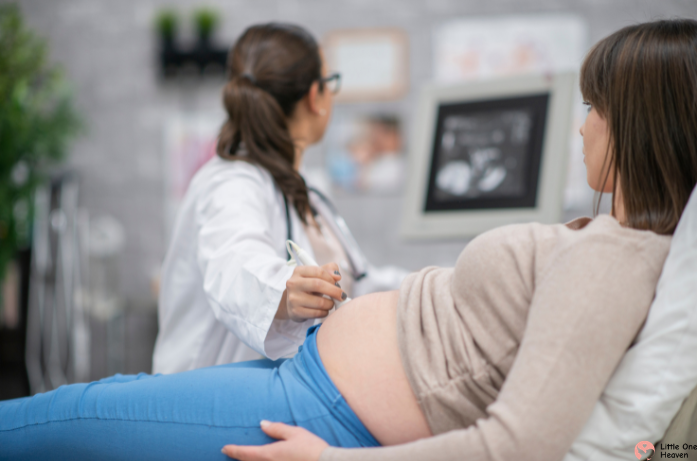
The most reliable way to confirm a twin pregnancy is through an ultrasound.
Many twin pregnancies are identified:
• Between 6 and 10 weeks of pregnancy, during an early ultrasound
• At routine first-trimester prenatal appointments
• During follow-up scans prompted by elevated hormone levels or larger-than-expected measurements
Thanks to modern imaging technology, twins can often be detected relatively early in pregnancy. However, the timing may vary depending on individual circumstances and the type of ultrasound performed.
Parents interested in learning more about prenatal ultrasounds during pregnancy can explore educational resources from the Cleveland Clinic.
What Does a Twin Pregnancy Feel Like?
Many moms describe a twin pregnancy as similar to a typical pregnancy, but with certain symptoms feeling more noticeable or appearing earlier than expected.
Common experiences may include:
• Greater fatigue
• Stronger nausea
• Earlier physical changes
• Increased emotional ups and downs
• A heightened awareness of pregnancy symptoms
That said, every pregnancy is different. Some women carrying twins experience very pronounced symptoms, while others notice little difference compared to a singleton pregnancy.
When Should You Contact Your Healthcare Provider?
Whether you’re expecting one baby or two, it’s important to contact your healthcare provider if you experience:
• Severe vomiting
• Inability to keep fluids down
• Heavy bleeding
• Severe abdominal pain
• Dizziness or fainting
• Signs of dehydration
Seeking medical advice promptly can help address potential concerns and support the health of both you and your developing baby.
Can You Have Twins Without Strong Symptoms?
Yes. Not every twin pregnancy causes noticeable or severe symptoms.
While some women experience stronger nausea, fatigue, or breast tenderness, others report symptoms that feel very similar to those of a singleton pregnancy. Because every pregnancy is different, the absence of strong symptoms does not rule out the possibility of twins.
This is one reason why an ultrasound remains the most reliable way to confirm a multiple pregnancy.
Frequently Asked Questions
Can twins cause earlier pregnancy symptoms?
Some women report noticing pregnancy symptoms earlier when carrying twins due to higher hormone levels. However, symptom timing varies widely, and early symptoms alone cannot confirm a twin pregnancy.
Can twins cause stronger morning sickness?
Some studies suggest that higher hormone levels associated with twin pregnancies may contribute to more severe nausea and vomiting. However, the severity of morning sickness varies significantly from person to person.
Do pregnancy tests show twins?
A positive pregnancy test cannot determine whether you’re carrying twins. Some women expecting twins may have higher hCG levels, but only an ultrasound can confirm a multiple pregnancy.
How early can twins be detected?
Twins can often be detected during an ultrasound as early as 6 weeks of pregnancy, although confirmation sometimes occurs later depending on the timing of the scan.
Is extreme fatigue a sign of twins?
Extreme fatigue is commonly reported in twin pregnancies, but it is also a normal symptom of many singleton pregnancies. Fatigue alone is not enough to determine whether you’re expecting multiples.
Final Thoughts
Wondering whether you’re carrying twins can be both exciting and overwhelming, especially when pregnancy symptoms seem stronger or appear earlier than expected. While certain signs may raise the possibility of a twin pregnancy, symptoms alone cannot provide a definite answer.
The most reliable way to confirm whether you’re expecting twins is through a prenatal ultrasound performed by your healthcare provider.
If you suspect you may be carrying multiples, be sure to attend your prenatal appointments and discuss any questions or concerns with your healthcare team. Whether you’re preparing for one baby or two, early prenatal care plays an important role in supporting a healthy pregnancy and giving you peace of mind along the way.
As you continue your pregnancy journey, having reliable information can make each step feel a little more reassuring. At Little One Haven, you’ll find practical pregnancy advice, birth preparation tips, and newborn care guides designed to help you feel informed and confident every step of the way.
Medical Disclaimer
This article is intended for informational and educational purposes only and should not be considered medical advice. Pregnancy symptoms vary from person to person, and experiencing or not experiencing any particular symptom does not confirm or rule out a twin pregnancy. Always consult your physician, obstetrician, midwife, or qualified healthcare professional regarding pregnancy concerns, diagnosis, testing, and medical care.