
You are getting your child ready for school when you notice one eye looks a little pink. Or maybe they come inside after playing and suddenly both eyes are red, watery, and itchy. As a parent, it is hard not to immediately wonder, What happened? Is this pink eye? Is it something I need to worry about?
There are many things that can cause red eyes in children, and thankfully, not every red eye means something serious. Sometimes the eyes are simply irritated by dust, allergies, rubbing, or dryness. Other times, an infection such as conjunctivitis may be responsible.
What matters most is looking at the whole picture. Is there itching? Discharge? Pain? Swelling? Has your child’s vision changed?
Let’s walk through the common reasons a child’s eyes may become red, what you can safely do at home, and the signs that mean it is time to have those little eyes checked.
Quick Answer: What Can Cause Red Eyes in a Child?
A child’s red eyes can have several possible causes, including viral or bacterial conjunctivitis (pink eye), allergies, irritation, a foreign object in the eye, a corneal scratch, blepharitis, or dryness.
Mild redness may improve once the irritation settles. However, a child with significant eye pain, vision changes, sensitivity to light, an eye injury, marked swelling, or worsening symptoms should be evaluated promptly by a healthcare professional.
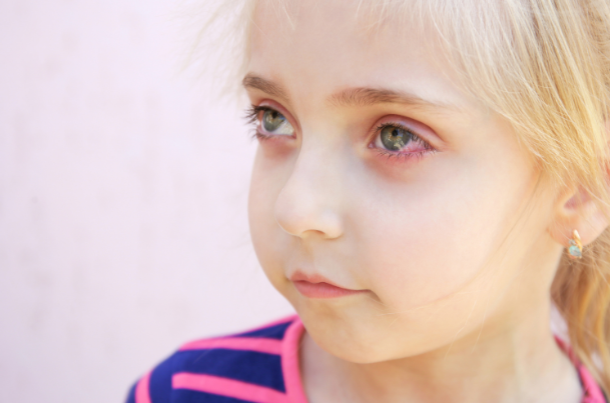
Why Do a Child’s Eyes Become Red or Bloodshot?
The white part of the eye contains many tiny blood vessels. When those vessels become irritated or inflamed, they widen and become more noticeable. This is what gives an eye its pink, red, or bloodshot appearance.
The redness can develop in just one eye or both eyes.
Sometimes a child has a red eye with no discharge at all. In other cases, redness appears together with itching, watering, crusting, mucus, swollen eyelids, or discomfort.
Those accompanying symptoms can provide useful clues about what may be irritating your child’s eyes.
Common Causes of Red Eyes in Children
When I see redness in a child’s eye, I would not want to assume immediately that it is pink eye. Several different conditions can look similar at first.
Here are some of the more common possibilities.
1. Viral Conjunctivitis (Pink Eye)
Viral conjunctivitis is one common cause of red eyes in children. It can occur along with or shortly after a viral illness, such as a cold.
It often begins in one eye and may spread to the other.
You may notice:
- Pink or red eyes
- Watery eyes
- Burning or gritty discomfort
- Puffy eyelids
- Increased tears
- Some discharge
- Cold-like symptoms at the same time
Viral conjunctivitis can spread easily from person to person.
Encourage frequent handwashing and remind your child not to rub their eyes. Avoid sharing washcloths, towels, or pillows while an infection is suspected.
Because antibiotics do not treat viruses, they are not useful for viral conjunctivitis. A healthcare professional can help confirm what is causing the redness and recommend appropriate comfort care.
2. Bacterial Conjunctivitis
Bacterial conjunctivitis is another type of pink eye.
One clue parents may notice is thicker discharge. The eyelids can sometimes become sticky or crusted, particularly after sleeping.
Symptoms may include:
- Red or pink eyes
- Yellow or greenish discharge
- Eyelids sticking together
- Irritation
- Swollen eyelids
However, symptoms alone do not always tell you whether conjunctivitis is bacterial or viral.
If your child has significant discharge or symptoms are worsening, contact their healthcare provider. If bacterial conjunctivitis is diagnosed, prescription antibiotic eye drops or ointment may sometimes be recommended.
3. Allergic Conjunctivitis
If your child has red, itchy, watery eyes, especially in both eyes, allergies may be the reason.
Allergic conjunctivitis happens when the eyes react to something your child is sensitive to.
Common triggers can include:
- Pollen
- Dust
- Mold
- Pet dander
- Other environmental allergens
Itching is an especially useful clue with allergies. Children may rub their eyes repeatedly because they feel so uncomfortable.
They may also have sneezing or a runny nose.
Try to reduce exposure to known triggers and discourage eye rubbing. If allergies frequently affect your child’s eyes, their pediatrician or eye doctor can recommend age-appropriate treatment.
4. Something Has Gotten Into the Eye
Kids are wonderfully curious, which also means dirt, sand, dust, eyelashes, and other tiny particles occasionally find their way into their eyes.
A foreign body in the eye can cause sudden redness, watering, blinking, and discomfort.
Your child might say:
“There’s something in my eye.”
If it is a loose piece of dust or another minor irritant, gentle rinsing with clean water may help.
Do not let your child aggressively rub the eye, and never try to remove an object that appears embedded in the eye. Persistent pain or the feeling that something remains in the eye needs professional evaluation.
5. Corneal Abrasion
The cornea is the clear surface at the front of the eye. If it becomes scratched, the injury is called a corneal abrasion.
Sand, fingernails, toys, paper, or another foreign object can sometimes scratch the cornea.
Possible symptoms include:
- Eye pain
- Redness
- Lots of tears
- A gritty feeling
- Trouble keeping the eye open
- Sensitivity to light
This is different from a mildly irritated eye.
If you think your child may have scratched their eye, particularly if they are in significant pain or light bothers them, have them assessed promptly. Corneal injuries sometimes require treatment and monitoring to prevent complications.
6. Blepharitis
Sometimes the problem is not the eyeball itself but the eyelids.
Blepharitis is inflammation around the edges of the eyelids. Children with blepharitis may have irritation that keeps returning.
You might notice:
- Red eyelid edges
- Itchy or irritated eyelids
- Watery eyes
- Burning or stinging
- Flakes or crusting around the eyelashes
- A gritty sensation
Gentle eyelid hygiene may be part of managing blepharitis, but recurring symptoms are worth discussing with an eye care professional so you know exactly what you are treating.
7. Dry or Irritated Eyes
Not every red eye is caused by an infection.
Dry air, wind, smoke, chlorine, prolonged screen use, or simply rubbing tired eyes can cause temporary irritation.
A child with irritated or dry eyes may have mild redness, watering, burning, or a gritty feeling without the thick discharge more often associated with some infections.
Giving their eyes a break and removing the source of irritation may help.
If dryness or redness happens frequently, however, mention it at your child’s next healthcare or eye appointment.
Pink Eye vs Allergies: How Can Parents Tell the Difference?
Red eyes can look similar whether they are caused by an infection or allergies. Looking at the symptoms that appear alongside redness can provide helpful clues.
| Symptom | Pink Eye | Allergies |
|---|---|---|
| Itching | Sometimes | Very common |
| Discharge | Possible | Usually watery |
| Both eyes affected | Can happen | Common |
| Sneezing or runny nose | Less common | Common |
Remember that symptoms can overlap, and a healthcare professional can help determine the cause if redness continues or your child seems uncomfortable.
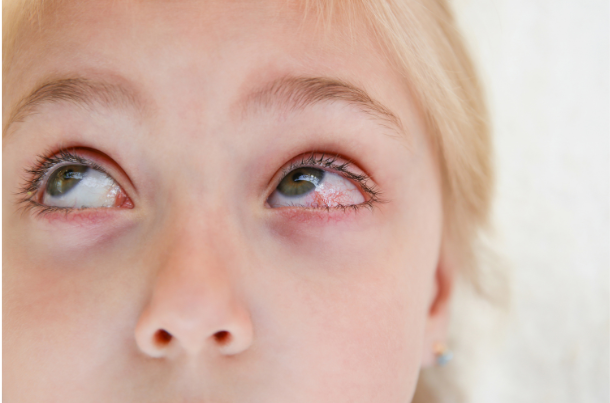
What Does Red Eye With No Discharge Mean in a Child?
Parents often become confused when an eye looks red but there is no mucus or crusting.
A red eye in a child with no discharge may be related to allergies, dryness, irritation, a foreign body, or an injury, among other possibilities.
Pay attention to what your child is doing.
Are they rubbing the eye constantly? Did they recently play in sand? Does the eye hurt? Is it watering? Is bright light bothering them?
Redness alone cannot reliably identify the cause, so persistent or painful symptoms deserve professional assessment.
How to Soothe Mild Red Eyes at Home
When the redness is mild and your child otherwise seems comfortable, a few simple measures can make irritated eyes feel better.
Try a Cool Compress
Wet a clean washcloth with cool water, wring it out, and gently place it over your child’s closed eye.
The coolness can be soothing when eyes feel itchy or irritated.
Use a clean cloth each time, particularly if conjunctivitis may be present.
Encourage Your Child Not to Rub
This can be difficult with toddlers and younger children, but rubbing can make already irritated eyes feel worse.
It can also transfer germs from one eye to the other or to other family members.
Keeping little hands clean helps too.
Give Their Eyes a Screen Break
If your child has spent a long time watching television or using a tablet, give their eyes a chance to rest.
Encourage another quiet activity for a while, books, puzzles, coloring, or simply playing away from a screen.
Gently Rinse Minor Irritants
If you know dust or another loose irritant has entered the eye, gentle rinsing with clean water may help flush it away.
Do not attempt to remove anything embedded in the eye yourself.
Be Careful With Eye Drops
It can be tempting to grab whatever eye drops are already in the medicine cabinet, but children’s eye symptoms have different causes.
Avoid using leftover prescription drops or another person’s medication. Ask your child’s healthcare provider or pharmacist before using an eye product if you are unsure whether it is appropriate for your child’s age and symptoms.
How to Prevent Red and Irritated Eyes in Children
We cannot prevent every eye infection or allergy flare, but a few everyday habits can protect children’s eyes and reduce the chances of irritation spreading.
Children often touch their eyes without realizing it, especially when they are tired, itchy, or uncomfortable. Simple habits like keeping hands clean, avoiding eye rubbing, protecting eyes during certain activities, and reducing exposure to known triggers can help support healthy eyes.
Teaching children these small habits early can make eye care feel like a normal part of everyday routines rather than something they only think about when a problem occurs.
Make Handwashing a Habit
Children touch everything and then touch their faces without thinking about it.
Regular handwashing is particularly helpful for reducing the spread of contagious infections.
Don’t Share Towels and Washcloths
If someone in the family has possible conjunctivitis, give them their own towel and washcloth.
Pillowcases and frequently touched items may also need regular cleaning.
Teach Children to Avoid Eye Rubbing
This one takes patience.
Explain simply that rubbing can make sore eyes hurt more and that they should tell you when something feels uncomfortable instead.
Manage Known Allergies
If pollen, pets, dust, or another trigger repeatedly causes your child’s symptoms, talk with their healthcare provider about an allergy management plan.
Use Eye Protection When Needed
Protective eyewear can be useful during activities where dust, debris, chemicals, or flying objects could reach the eyes.
Eye safety is one of those small habits that can prevent a very painful afternoon.
When Should You Worry About Red Eyes in a Child?
Most parents want to know the same thing: When is a red eye more than simple irritation?
Many cases of red eyes in children are caused by mild irritation, allergies, or infections that improve with proper care. However, certain symptoms suggest that your child may need medical advice sooner rather than later.
Red Eyes in Newborns
Seek medical advice promptly for a newborn with eye redness, especially if there is swelling, discharge, or difficulty opening the eye.
Get prompt medical advice if your child develops:
- Significant or worsening eye pain
- Blurred, reduced, or otherwise changed vision
- Strong sensitivity to light
- A significant eye injury
- A chemical exposure to the eye
- Something embedded in the eye
- Marked swelling around the eye
- Difficulty opening or moving the eye
- Severe headache, vomiting, or your child seems very unwell
- Redness that is worsening rather than improving
Persistent redness, recurring symptoms, or significant discharge should also be discussed with your child’s healthcare provider.
When vision or severe pain is involved, it is better not to wait and see.
Frequently Asked Questions About Red Eyes in Children
Is a red eye in a child always pink eye?
Why does my child have one red eye?
If your child’s one-sided redness persists or is painful, have the eye checked.
Why are my child’s eyes red but there is no discharge?
How do I know if my child’s red eyes are caused by allergies?
A healthcare professional can help confirm the cause if symptoms are recurring.
Can too much screen time make children’s eyes red?
Regular breaks can help, but persistent redness should not automatically be blamed on screens.
How can I clean discharge from my child’s eye?
If thick discharge keeps returning, contact your child’s healthcare provider.
Can my child go to school with pink eye?
Check with your child’s healthcare provider and the school’s illness policy rather than assuming every red eye requires the same amount of time at home.
Can teething cause red eyes in children?
Final Thought
Seeing your child’s eye suddenly turn red can be unsettling, especially when you do not know whether you are looking at a simple irritation or the beginning of an infection.
Thankfully, many causes of red eyes in children are manageable. Pink eye, allergies, irritation, blepharitis, and minor foreign particles are all possibilities, and the symptoms surrounding the redness can help point toward what is happening.
At home, focus on gentle care: clean hands, no eye rubbing, a cool compress when appropriate, and plenty of eye rest. Avoid guessing with medications when you do not know what is causing the problem.
And remember that some symptoms should not be watched at home. Pain, vision changes, significant light sensitivity, injury, marked swelling, or worsening redness deserve prompt professional attention.
For more practical child health guides, parenting tips, and everyday solutions for caring for your little one, explore more helpful resources from Little One Haven.
Resources and Further Reading
- Eye Infections in Infants & Children – (American Academy of Pediatrics)
Red eye, conjunctivitis, newborn eye infections, and when parents should seek pediatric advice. - Child Eye Problems Parents Should Never Ignore – American Academy of Ophthalmology
Important warning signs related to children’s eye health, including symptoms that may require prompt evaluation. - Eye Redness Symptom Checker – St. Louis Children’s Hospital
Covers common causes of eye redness in children, home care guidance, and when to contact a healthcare professional. - Conjunctivitis and Eye Health Research Article – PMC
Provides additional medical background on conjunctivitis and related eye conditions.
Disclaimer
This article is for general educational and informational purposes only and is not a substitute for professional medical or eye-care advice, diagnosis, or treatment. If your child has significant eye pain, vision changes, sensitivity to light, an eye injury, marked swelling, worsening redness, or other concerning symptoms, contact a pediatrician, eye-care professional, or other qualified healthcare provider.
About the Author
Geeta Yogi writes practical, parent-friendly content about children’s health, everyday symptoms, development, and family wellbeing. She focuses on helping parents understand common concerns such as eye irritation, allergies, infections, and warning signs that may need professional medical attention.