
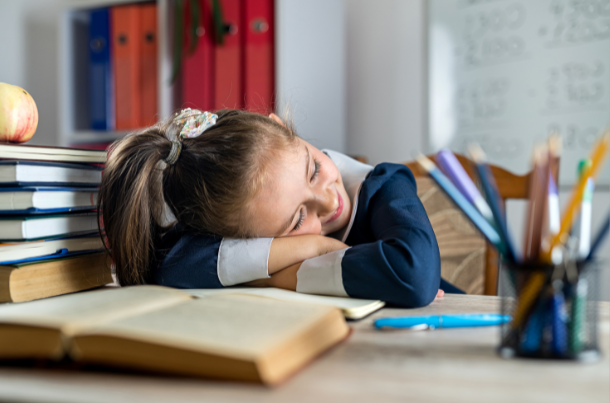
Back-to-School Fatigue can leave your usually cheerful child exhausted, emotional, or unusually quiet after school. Earlier mornings, new classroom routines, and busy days can take time to adjust to.
If you are wondering, “Is it normal for children to feel tired after returning to school?”, the reassuring answer is yes, some tiredness during the back-to-school transition can be normal. Earlier mornings, longer days, new classroom routines, homework, social interaction, and after-school activities can use a great deal of physical and emotional energy.
Most children gradually adjust as their sleep schedule settles and school begins to feel familiar. However, persistent or severe tiredness should not automatically be dismissed. Understanding what is normal, how to support your child, and when to speak with a pediatrician can give you peace of mind.
Why Do Children Feel Tired After Returning to School?
Going back to school is a much bigger adjustment than it may appear from the outside. During the holidays, children may sleep later, eat at different times, and have more freedom to rest or move when they choose. School replaces that flexibility with a structured routine.
Throughout the day, your child must listen carefully, remember instructions, move between lessons, manage belongings, complete work, follow rules, and interact with classmates. Even when school is going well, sustained concentration can be tiring.
The emotional side matters too. Meeting a new teacher, finding a place within a friendship group, worrying about schoolwork, or navigating an unfamiliar building can quietly consume energy. Some children hold their emotions together all day and release them only when they reach the safety of home.
That is why after-school fatigue does not always look like sleepiness. It may appear as:
- Irritability or frequent tears
- Silence or reluctance to talk
- Clinginess and a greater need for reassurance
- Difficulty following simple instructions
- Arguments with siblings
- Headaches or vague physical complaints
- Loss of interest in usual evening activities
- Falling asleep unusually early
Physical symptoms such as persistent or severe headaches should not automatically be attributed to school adjustment.
These reactions can be part of a temporary adjustment during the early weeks of a new school term.

How Long Does Back-to-School Fatigue Last?
There is no exact adjustment period that applies to every child. Some regain their usual energy within several days, while others need a few weeks. Age, temperament, sleep needs, travel time, academic demands, health, and extracurricular commitments can all influence how quickly a child adapts.
Look for a gradual trend rather than expecting an overnight change. Easier mornings, fewer emotional outbursts, improved appetite, better sleep, and renewed interest in play are encouraging signs.
If your child continues to seem exhausted, struggles to manage normal daily activities, or becomes more tired rather than less, it is sensible to seek professional advice.
Help Your Child Build a Healthy Sleep Routine
Sleep is the first place to look when a child is tired after school. Holiday bedtimes often drift later, but the school alarm still rings early. Even a small nightly sleep shortage can add up across the week.
According to the Centers for Disease Control and Prevention, children ages 6–12 generally need 9–12 hours of sleep each day, and teenagers ages 13–17 generally need 8–10 hours. Individual needs vary, so pay attention to how easily your child wakes and functions during the day.
To improve sleep hygiene for children:
- Keep bedtime and wake-up time reasonably consistent
- Gradually move bedtime earlier over several evenings if needed.
- Turn off stimulating screens before bed
- Create a calm routine with a bath, reading, or quiet conversation
- Prepare school clothes and bags the night before
- Keep the bedroom dark, cool, and comfortable
- Avoid packing difficult homework into the final minutes before sleep
A predictable bedtime routine can help create a consistent transition toward sleep.
Try to begin before your child becomes overtired, because exhaustion can sometimes make children restless or resistant rather than calm.
Allow Quiet Time After School
Your child may need a gentle transition between school and home life. Immediately asking about homework, chores, test results, and friendship problems can feel overwhelming after a full day of concentrating.
Offer a drink, a snack, and some low-pressure time.
One child may want to read or draw, while another may need outdoor play or a cuddle. The aim is not to avoid responsibilities but to give your child time to transition before the next demand.
If homework often feels difficult after school, this guide to creating a daily study routine for kids can help you find a balance between downtime and learning.
Useful after-school activities may include:
- Reading or listening to an audiobook
- Drawing, colouring, or building
- Sitting quietly with a parent
- Playing outside
- Taking a short walk
- Listening to music
- Stretching or doing gentle movement
- Enjoying an unhurried snack
Instead of asking many questions as soon as your child arrives, try saying, “It looks like you have had a long day. We can talk when you feel ready.” This makes space for communication without creating pressure.

Support Energy With Balanced Food and Hydration
Hunger and dehydration can make tiredness, headaches, and irritability feel worse. Children may eat less than usual at school because lunch feels rushed, the dining room is noisy, or they are busy talking with friends.
Offer water after school and provide a snack containing both protein and carbohydrates. Offer water after school along with a filling snack that may include foods from more than one food group.
Choose foods that are appropriate for your child’s age, chewing ability, and known food allergies.
Simple options include:
- Yogurt with fruit
- Cheese and whole-grain crackers
- Apple slices with peanut butter, when safe
- Hummus with vegetables or pita
- Egg on toast
- A small sandwich
- Oatmeal with fruit
- A smoothie made with yogurt and fruit
Balanced nutrition for school children does not need to be complicated. Regular meals containing vegetables or fruit, protein foods, whole grains, and healthy fats can support overall wellbeing. Iron-rich foods, including meat, beans, lentils, leafy green vegetables, and iron-fortified cereals, are also an important part of a varied diet.
Avoid starting iron supplements simply because your child is tired. Too much iron can be harmful, and fatigue has many possible causes. If you are concerned about iron deficiency in your child, speak with a healthcare professional who can assess symptoms and decide whether testing is appropriate.
Keep After-School Activities Manageable
Sports, clubs, music lessons, and social activities can be valuable, but the start of term may not be the best time to fill every afternoon. A child adjusting to a longer school day also needs time for food, movement, homework, family connection, and sleep.
Review the weekly schedule honestly. If your child is rushing from school to one activity and then another before completing homework late at night, consider creating more breathing room.
Movement itself is not the enemy. In fact, age-appropriate Age-appropriate physical activity can still be part of a healthy after-school routine.
The CDC recommends at least 60 minutes of moderate-to-vigorous physical activity each day for children and adolescents ages 6–17. This can be accumulated through active travel, playground time, outdoor games, sports, and family activities.
The key is balance. Choose enjoyable movement that leaves your child feeling refreshed, not a schedule that regularly leaves them overwhelmed.
Ask About School Worries
Persistent tiredness is not always purely physical. Anxiety, friendship difficulties, bullying, academic pressure, sensory overload, or fear of making mistakes can be exhausting.
Children do not always begin by saying, “I am anxious.” They may complain of feeling tired, develop headaches or stomach aches, resist school in the morning, or become unusually emotional at home.
Keep conversations gentle and specific. Instead of “Is everything okay?”, try:
- “What part of the school day uses the most energy?”
- “Is there a time of day you wish felt easier?”
- “Who do you spend break time with?”
- “Is any lesson making you worried?”
- “What is one good thing and one difficult thing about this week?”
Listen before trying to fix the problem. If a concern continues, speak with your child’s teacher, school wellbeing staff, or healthcare professional. Early support can stop a manageable worry from becoming a larger burden.
When Tiredness May Be More Than a School Adjustment
Occasional fatigue is common, but ongoing exhaustion can have causes unrelated to the school routine. A healthcare professional may consider sleep quality, diet, recent illness, medication, allergies, emotional wellbeing, and other medical factors.
Possible reasons a child may feel tired all the time include:
- Not getting enough sleep
- Poor-quality sleep, snoring, or other sleep difficulties
- An unbalanced diet or iron deficiency
- Recovery from a viral illness
- Stress, anxiety, or low mood
- Allergies or ongoing health conditions
- An extracurricular schedule that allows too little recovery time
This list is not a diagnosis. Many symptoms overlap, which is why it is better to seek an individual assessment than to guess or begin treatment at home.
When Should You See a Pediatrician About Child Fatigue?
Contact your child’s pediatrician or healthcare provider if the tiredness is severe, is getting worse, persists beyond the first few weeks of school, or affects attendance and normal daily activities.
Arrange medical advice if fatigue occurs with symptoms such as:
- Unusual paleness
- Poor appetite or unexplained weight loss
- Frequent headaches, pain, or dizziness
- Shortness of breath or fainting
- Persistent fever or repeated illness
- Loud snoring, gasping, or breathing pauses during sleep
- A major or lasting change in mood or behaviour
- Difficulty waking despite apparently adequate sleep
- Loss of interest in friends and favourite activities
Seek urgent medical care if your child has severe breathing difficulty, collapses, is difficult to wake, appears confused, or has another symptom that feels like an emergency.
Trust your instincts. You do not need to wait until every warning sign is present before asking for advice.
A Gentle Back-to-School Routine Can Make a Big Difference
For most families, the solution begins with a few simple adjustments rather than a perfect schedule. A calm after-school routine might look like this:
- Arrive home and reconnect
- Drink water and eat a balanced snack
- Rest or play quietly for 20–30 minutes
- Enjoy some physical movement
- Complete the most important homework task
- Eat dinner together when possible
- Prepare clothes and school items for tomorrow
- Begin a consistent bedtime routine
Predictability reduces decision-making and helps children know what comes next. Younger children may enjoy a visual checklist, while older children can help plan a routine that gives them both responsibility and downtime.
Frequently Asked Questions
Is it normal for children to be tired when they go back to school?
How long does back-to-school tiredness last?
Should my child nap after school if they are exhausted?
What should I give my tired child after school?
When should I worry about my child’s tiredness?
Final Thoughts
So, is it normal for children to feel tired after returning to school? In many cases, yes. The first weeks of term bring earlier mornings, sustained concentration, changing relationships, and a more demanding routine. Extra sleep, balanced meals, hydration, quiet time, and a manageable activity schedule can help your child find their rhythm again.
At the same time, persistent tiredness deserves attention. If your child is not improving, seems unusually unwell, or shows concerning physical or emotional changes, arrange an assessment with a qualified healthcare professional.
Your child may not need you to solve the entire school year today. They may simply need a snack, a calm evening, an earlier bedtime, and the reassurance that adjusting takes time. With steady support and an open line of communication, most children can move through back-to-school fatigue and begin to feel like themselves again.
For more gentle guidance through the everyday ups and downs of raising children, explore Little One Haven.
Resources
Disclaimer
This article is for general educational purposes and does not replace personalised medical advice, diagnosis, or treatment. Always consult a qualified healthcare professional if you are concerned about your child’s health. Seek medical advice if tiredness is severe, persistent, worsening, or accompanied by symptoms such as unexplained weight loss, persistent fever, fainting, breathing problems, unusual paleness, significant mood changes, or difficulty waking. Seek urgent medical care if your child has severe breathing difficulty, collapses, is difficult to wake, appears confused, or has another symptom that feels like an emergency.
About the Author
Geeta Yogi writes practical, parent-friendly content about children’s school routines, sleep, nutrition, emotional wellbeing, learning, and everyday development. She focuses on gentle, realistic strategies that help parents support children through school transitions while recognising when additional professional guidance may be helpful.
