

A 7-year-old hitting grandparents can leave the entire family feeling shaken, confused, and unsafe. You may feel angry, embarrassed, protective of the grandparents, and worried about what the behaviour means.
The first priority is safety. The second is helping your child learn that anger is allowed, but hitting is not.
A single incident does not automatically mean your child is “bad” or has a serious behavioral disorder. However, physical aggression at age seven should not be dismissed as a harmless phase, especially if it is frequent, forceful, worsening, or directed toward someone who may be more vulnerable to injury.
This guide explains what to do in the moment, how to respond afterward, what may be triggering the aggression, and when to ask a pediatrician or mental health professional for help.
Important: This article provides general parenting information and is not a diagnosis or a substitute for care from your child’s pediatrician or a qualified mental health professional.
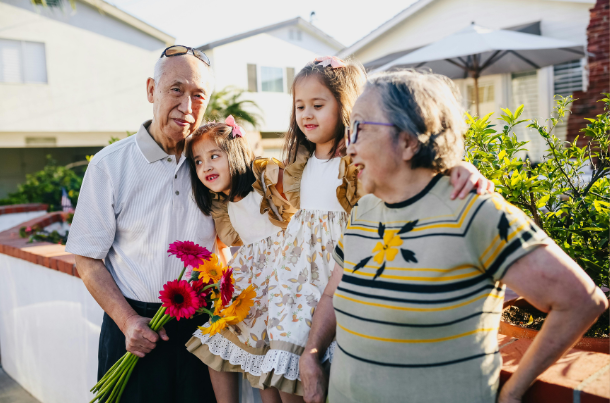
What Should I Do When My 7-Year-Old Hits a Grandparent?
Respond calmly, quickly, and firmly. Your goal during the incident is not to deliver a lecture. It is to stop the hitting and help everyone become safe enough to think clearly again.
1. Stop the interaction immediately
Move the grandparent away from the immediate situation or guide your child to a quieter, safer space. Stay nearby if your child is highly distressed so they are not left alone while unable to regulate safely.
Remove objects that could be thrown or used to hurt someone. If possible, have another calm adult stay with the grandparent.
Avoid turning the moment into a physical struggle. Use the least force necessary to protect everyone, and avoid physical restraint unless there is an immediate safety risk and you know how to do it safely.
2. Use one short, clear sentence
Say something such as:
- “I will not let you hit Grandma.”
- “Hitting hurts. We are taking a break now.”
- “You can be angry, but you may not hurt Grandpa.”
Keep your voice steady. Repeating a brief limit is usually more useful than asking questions while your child is highly upset.
3. Do not hit, shame, or threaten your child
Physical punishment sends a confusing message: hitting is wrong unless a bigger person does it. The American Academy of Pediatrics recommends that adults avoid spanking, hitting, threatening, humiliating, and shaming children.
Avoid labels such as “bully,” “naughty child,” or “What is wrong with you?” Correct the behavior without attacking your child’s identity.
4. Allow time to calm down
A seven-year-old in a full emotional outburst may not be ready to reason, apologize, or discuss consequences. Keep the environment quiet and offer a simple way to settle: slow breathing, a drink of water, sitting nearby, squeezing a cushion, or taking space in a safe area.
This is not ignoring the behavior. It is postponing the teaching conversation until your child can actually take part in it.
5. Check the grandparent for injury
Older adults can be more vulnerable to injury. Check for pain, swelling, bruising, bleeding, dizziness, or a fall. Seek appropriate medical care if there is any concern, particularly after a head injury, significant blow, or fall.
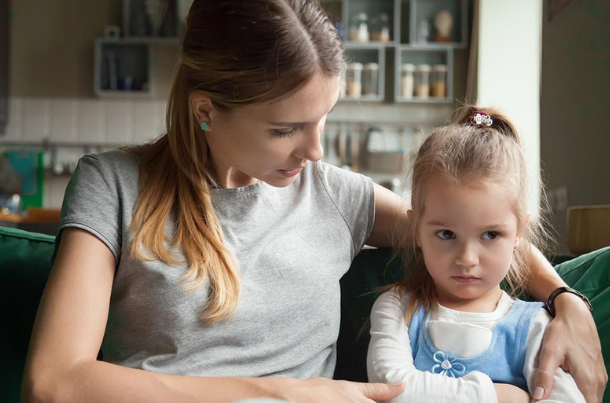
What to Say After Your Child Is Calm
Once everyone is regulated, describe what you saw without exaggerating it:
“You became angry when Grandpa turned off the television, and you hit his arm. It is okay to feel angry. It is not okay to hit.”
Then become curious:
- “What was happening just before you hit?”
- “What did your body feel like?”
- “What were you hoping Grandpa would do?”
- “What could you do next time instead?”
Do not accept “I don’t know” as defiance automatically. Some children genuinely cannot identify the trigger right away. You can offer possibilities without putting words in their mouth: “Were you disappointed, embarrassed, worried, or feeling that nobody was listening?”
Finish by practising an alternative response. Your child might say, “I need a break,” step away, squeeze their hands together, ask you for help, or tell the grandparent, “I’m angry because I wasn’t finished.” Rehearsing the exact words during a calm moment makes them easier to use later.
Use a Consequence That Is Immediate and Related
The consequence should protect people and connect logically to what occurred. For example, if your child hits during a game with Grandma, the game ends and your child stays with you until calm. If visits repeatedly become unsafe, visits may need to be shorter, supervised more closely, or temporarily moved to a setting where you can intervene early.
Avoid huge, delayed punishments such as cancelling a birthday party weeks later. A seven-year-old is more likely to learn from a predictable, immediate response:
- Hitting stops the activity.
- The child moves away from the person who was hit.
- Calm comes before conversation.
- The child participates in repair.
- The family practises a safer response for next time.
Consistency matters. All caregivers should agree on the same simple rule and response.
Should My Child Be Made to Apologize?
Your child should repair the harm, but a forced “sorry” shouted while still angry teaches very little. Wait until your child is calm enough to understand what happened.
Repair might include:
- Giving a sincere apology
- Asking whether the grandparent is okay
- Bringing an ice pack with adult supervision
- Drawing a thoughtful note
- Helping restore something that was knocked over
- Explaining the safer choice they will practise next time
Repair is not a way to erase the consequence. It helps your child take responsibility while learning that relationships can be mended.
The grandparent should not be pressured to hug, forgive immediately, or resume the visit before feeling safe.

Why Is My 7-Year-Old Hitting Their Grandparents?
Aggressive behavior is communication, but that does not make it acceptable. Understanding the function of the behavior helps you choose an effective response.
Possible triggers include:
Frustration and weak coping skills
School-age children have more language than toddlers, but they can still lose access to those skills when overwhelmed. Losing a game, being told no, stopping screen time, or feeling corrected can trigger an impulsive reaction.
Differences between household rules
Grandparents may have different expectations about food, screens, bedtime, teasing, privacy, or physical affection. A child may become upset by inconsistent limits or try to discover which adult will give in.
Hunger, fatigue, or overstimulation
Long visits, noisy gatherings, missed meals, insufficient sleep, and crowded spaces can lower a child’s ability to manage frustration.
Stress or major changes
Bullying, friendship problems, academic struggles, family conflict, grief, divorce, moving, or a new sibling may appear as irritability or aggression rather than a clear request for help.
Feeling powerless or misunderstood
Some children lash out when adults tease them, demand affection, invade their space, or dismiss their “no.” Grandparents deserve safety, and children also deserve age-appropriate bodily boundaries. Investigate the full context without assuming either person caused the hitting.
Difficulty expressing needs
Some children hit when they do not yet have the words to explain frustration, disappointment, embarrassment, or feeling ignored. Teaching replacement phrases can help them communicate without aggression.
Developmental, emotional, or behavioral needs
Frequent aggression can sometimes occur alongside ADHD, anxiety, autism, learning difficulties, trauma, mood problems, communication challenges, or disruptive behavior disorders. Hitting alone cannot diagnose any of these conditions. A proper evaluation looks at patterns across settings, development, relationships, health, sleep, and school functioning.
Some children hit when they do not yet have the words to explain frustration, disappointment, embarrassment, or feeling ignored. Teaching replacement phrases can help them communicate without aggression.
Keep a Simple Behavior Log
For one or two weeks, write down:
- What happened immediately before the hitting
- Who was present
- The time, place, and activity
- Whether your child was hungry, tired, rushed, or overstimulated
- What the child did
- How adults responded
- What happened afterward
Patterns often become visible. Perhaps aggression occurs only when a grandparent removes a device, during competitive games, after school, or when visits run past bedtime. This information is also useful if you speak with the teacher, pediatrician, counselor, or psychologist.
Make a Safety Plan for Grandparent Visits
Do not expect the grandparents to manage the problem alone. Until the behavior improves:
- Keep an attentive parent or caregiver nearby.
- Avoid leaving the child alone with a frail or frightened grandparent.
- Start with shorter visits at calmer times of day.
- Explain the rules before the visit: “Hands stay safe. If you feel angry, come to me or ask for a break.”
- Agree that grandparents will call you rather than argue or physically punish the child.
- Provide a quiet place where the child can decompress.
- End the visit if safety cannot be maintained.
You might tell your parents: “You did not deserve to be hit. We are taking this seriously. Please step away and call me if tension rises; I will handle the limit.”
It is also okay for grandparents to have feelings about what happened. Adults can acknowledge the hurt while still focusing on helping the child learn safer ways to handle emotions.
Teach Skills When Nobody Is Angry
Children do not learn self-control only through consequences. They need repeated practice with the behavior you want to see.
Try these strategies:
Name early warning signs
Help your child notice a hot face, tight fists, fast breathing, a loud voice, or the urge to push. The goal is to act before anger reaches its peak.
Create a short calm-down plan
Choose two or three options your child can remember:
- Step away and count slowly to ten
- Take five slow breaths
- Ask an adult for help
- Use the phrase “I need space”
- Use safe physical activities such as pushing against a wall, stretching, or jumping in an appropriate space.
Role-play common conflicts
Practise what to do when Grandma says no, Grandpa changes the television channel, or the child loses a board game. Let your child rehearse both the words and the physical action of stepping away.
Notice safe and respectful behavior
Be specific: “You were disappointed, but you used words and came to get me. That was safe.” Positive attention helps strengthen the behavior you want repeated.
Build predictable routines
Regular sleep, meals, physical activity, connection time, and clear transitions can reduce preventable meltdowns. Give advance notice before ending a preferred activity: “Ten minutes left, then we are leaving Grandma’s house.”
What Grandparents Should, and Should Not, Do
Grandparents can support the plan by using the same calm boundary: “I will not stay close when you hit. I am stepping away.” They can avoid long debates, teasing, yelling, or bargaining during the outburst.
They should not spank, slap, restrain, shame, or threaten the child. They also should not keep the behavior secret to protect your feelings. Adults need to share accurate information so the safety plan can work.
If a grandparent feels afraid, has been injured, or is physically unable to move away quickly, unsupervised contact should pause until a professional helps the family create a safer plan.
When Should I Seek Professional Help?
Contact your child’s pediatrician or family doctor if the aggression:
- Happens repeatedly or is getting worse
- Causes injury or involves objects used as weapons
- Occurs at school, home, and other settings
- Comes with frequent explosive outbursts, severe defiance, anxiety, sadness, sleep changes, or falling grades
- Is accompanied by threats to hurt people, animals, or themselves
- Began after a frightening or traumatic event
- Is affecting family relationships or making anyone afraid
- Continues despite several weeks of calm, consistent intervention
You do not need to wait until the behavior becomes extreme. A pediatrician can assess health and development, gather information from school, and refer your family to a child psychologist, psychiatrist, counselor, or evidence-based parent training program when appropriate.
If you are unsure whether the hitting is an isolated reaction or part of a wider pattern, this guide on how to know if your child has behavioral issues explains which signs, frequency, and effects on daily life deserve closer attention.
When Is It an Emergency?
Seek emergency help if your child is actively trying to cause serious harm, has a weapon, makes a credible threat to kill or seriously injure someone, cannot be kept safely away from a vulnerable person, or is threatening self-harm.
Move other people to safety and contact your local emergency number or crisis service. Do not place yourself between a child and a weapon. Emergency options vary by country; use the service available where you live.
A Calm, Firm Path Forward
Your child needs two messages at the same time: “I love you, and I will help you” and “I will not allow you to hurt people.” Warmth without boundaries leaves others unsafe. Punishment without teaching leaves the child without a better response.
Protect the grandparents, stop each incident promptly, look for patterns, and practise replacement skills during calm moments. If the hitting continues or anyone feels unsafe, involve your child’s pediatrician rather than trying to carry the problem alone.
At seven, children are still learning to manage powerful feelings, but they are also old enough to learn that every family member’s body deserves respect.
For more practical parenting advice, child-development guidance, and gentle strategies for handling challenging behaviour, visit Little One Haven.
Frequently Asked Questions
Is it normal for a 7-year-old to hit family members?
Why does my child hit grandparents but not me?
What is the best consequence for hitting a grandparent?
Should grandparents discipline my child after being hit?
Should I make my child say sorry?
Could hitting be a sign of ADHD or autism?
When should visits with grandparents stop?
How long does it take for the hitting to stop?
Can I stop my child from seeing grandparents after hitting them?
Trusted Resources
- American Academy of Pediatrics: 10 Tips to Prevent Aggressive Behavior in Young Children
- NHS: Helping Your Child with Anger Issues
- American Academy of Pediatrics: Effective Discipline to Raise Healthy Children
- American Academy of Pediatrics / HealthyChildren: 10 Tips to Prevent Aggressive Behavior in Young Children
Disclaimer
This article provides general parenting information and is not a diagnosis or a substitute for care from your child’s pediatrician or a qualified mental health professional. Seek professional advice if aggression is frequent, worsening, causes injury, occurs across different settings, affects relationships, or makes anyone feel unsafe. Seek emergency help if your child is actively trying to cause serious harm, has a weapon, makes a credible threat to seriously injure or kill someone, cannot be kept safely away from a vulnerable person, or is threatening self-harm. Use the emergency or crisis service available where you live.
About the Author
Geeta Yogi writes practical, parent-friendly content about child behavior, emotional development, family relationships, discipline, and everyday parenting challenges. She focuses on calm, realistic strategies that help parents set safe boundaries while teaching children healthier ways to manage strong emotions and resolve conflict.
