

Why is my child always tired? Low energy can have simple explanations such as insufficient sleep, dehydration, a busy schedule, emotional stress, or recovery from an illness. However, persistent or worsening fatigue deserves medical attention.
Kids are usually little bundles of movement, questions, giggles, and seemingly endless energy. So when your normally active child starts dragging their feet, asking to lie down, or losing interest in things they usually enjoy, it’s natural for your parenting instincts to kick in.
The reassuring part is that fatigue in children can have many simple explanations. A late bedtime, a busy school week, not drinking enough water, recovering from a virus, or even an overloaded schedule can leave a child feeling completely worn out.
But when a tired child stays tired despite getting enough rest, or fatigue starts interfering with school, play, appetite, or everyday life, it deserves a closer look.
Let’s walk through some of the common reasons children feel tired, what you can try at home, and when it’s time to call your pediatrician.
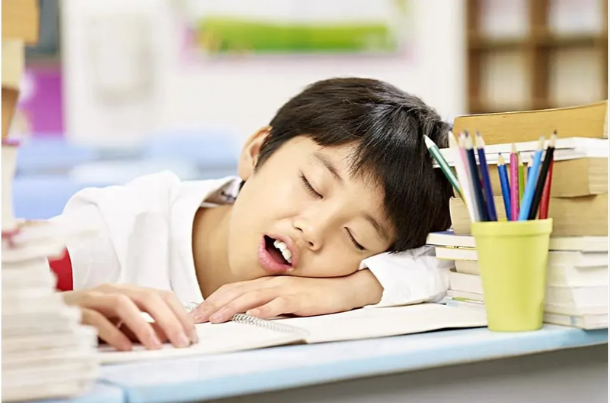
Tiredness, Sleepiness, and Weakness Are Different
A child with fatigue may feel short of energy even when they are not falling asleep. A sleepy child may struggle to stay awake, while weakness can mean difficulty doing physical tasks they could normally manage. Describe what you see rather than assuming these are all the same problem.
A child who is unusually difficult to wake or is not responding normally needs urgent attention, not simply an earlier bedtime. This guide mainly concerns children beyond infancy; unusual lethargy or poor feeding in a baby deserves prompt medical advice.
Why Is My Child Always Tired?
There isn’t one single explanation for low energy in children.
Sometimes the answer is surprisingly simple: your child stayed up late several nights in a row or hasn’t been drinking enough water.
Other times, several little things pile up together. School, activities, poor-quality sleep, picky eating, emotional stress, and a recent illness can leave a child running on empty.
Less commonly, persistent fatigue can be related to a medical issue such as anemia, a sleep disorder, thyroid problems, infection, or another health condition.
That’s why it helps to look at your child’s whole routine, rather than focusing on one symptom alone.
1. Your Child May Not Be Getting Enough Sleep
Sleep is one of the first things to review when a child seems unusually tired.
And it’s not only about what time your child gets into bed.
A child can technically spend plenty of hours in bed but still get poor-quality sleep because they’re waking frequently, struggling to fall asleep, snoring, having nightmares, or using screens late into the evening.
Children also need different amounts of sleep depending on their age.
As a general guide, recommended sleep amounts are:
- Ages 1–2: 11–14 hours per 24 hours, including naps
- Ages 3–5: 10–13 hours, including naps
- Ages 6–12: 9–12 hours
- Ages 13–18: 8–10 hours
If you’re wondering why your child is always tired, try keeping a simple sleep diary for a week.
Write down bedtime, approximately when they fall asleep, nighttime waking, wake-up time, and how they seem the following day. Patterns are often much easier to notice once they’re written down.
Signs Their Sleep Quality May Need Attention
Occasional restless nights happen in every family.
But frequent loud snoring, gasping during sleep, unusual daytime sleepiness, regular morning headaches, or ongoing difficulty waking may be worth mentioning to your child’s doctor.
Sometimes the problem isn’t simply “they need an earlier bedtime.” There may be something disrupting the quality of their sleep.
2. They Haven’t Been Drinking Enough
Between school, playdates, sports, and simply being busy being kids, children can easily forget to drink.
Even mild dehydration can leave someone feeling less energetic and may come with symptoms such as thirst, dry mouth, headache, darker urine, or urinating less often.
Instead of waiting for your child to ask for water, make drinking part of the rhythm of the day.
Offer water with meals and snacks, before and after active play, and send an easy-to-use bottle to school if that’s allowed.
Keeping water available and offering regular reminders may help school-age children drink throughout the day.
Kids often copy what they see us doing, too. So sometimes the easiest reminder is filling your own glass while filling theirs.
3. A Busy Schedule Can Wear Kids Out
Childhood can become surprisingly scheduled.
School. Homework. Swimming. Football. Dance. Music lessons. Birthday parties. Family plans.
All of those things can be wonderful individually, but children still need unstructured time to rest.
Some kids thrive on a packed calendar. Others come home from one after-school activity completely exhausted.
Neither child is doing anything wrong.
If your child seems constantly tired, irritable, emotional, or reluctant to attend activities they previously enjoyed, take a look at the family calendar.
Maybe what they need isn’t another energy-boosting snack.
Maybe they simply need a quiet Wednesday evening at home.
4. Your Child Could Be Overstimulated
Have you ever come home after an incredibly noisy, social day and wanted complete silence?
Kids can feel that way too.
A full school day requires children to process conversations, instructions, classroom noise, social situations, movement, lights, transitions, and expectations.
For some children, particularly those who are sensitive to sensory input, that can be exhausting.
You might notice your child comes home from school unusually quiet, irritable, emotional, or desperate to be alone.
Rather than immediately filling the afternoon with questions and activities, experiment with giving them some decompression time.
A snack, a drink, comfortable clothes, outdoor play, drawing, reading, or simply doing absolutely nothing for a little while can sometimes make afternoons much easier.
5. Emotional Stress Can Show Up as Physical Tiredness
Children don’t always say, “Mom, I’m emotionally overwhelmed.”
Sometimes they say, “I’m tired.”
School worries, friendship problems, family changes, bullying, anxiety, and low mood can all affect sleep and energy.
An anxious child may spend a huge amount of emotional energy worrying or staying alert to things that feel threatening. A child experiencing depression may also have changes in sleep, motivation, concentration, appetite, and energy.
That doesn’t mean every sleepy child has a mental health condition.
But if tiredness comes alongside persistent sadness, excessive worry, withdrawal from friends or favorite activities, major changes in sleep, or noticeable changes in behavior, don’t dismiss it as laziness.
Start with a gentle conversation and involve your child’s healthcare professional when needed.
6. Your Child May Be Recovering From an Illness
Sometimes tiredness arrives before the obvious signs of sickness do.
Your child might seem unusually sleepy one afternoon, and by bedtime you suddenly discover the fever, stuffy nose, sore throat, or stomach bug that explains everything.
Fatigue can also linger while children recover from some illnesses.
When your normally energetic child suddenly wants to curl up on the sofa, it’s okay to allow some extra rest and keep an eye out for other symptoms.
The goal isn’t to push them back to their usual pace immediately.
Little bodies need energy to recover too.
7. Iron Deficiency or Anemia Could Be Involved
When fatigue in kids keeps happening without an obvious explanation, iron is one nutrient your pediatrician may consider.
Iron helps the body make hemoglobin, a protein in red blood cells that carries oxygen around the body. When children don’t have enough iron, iron-deficiency anemia can develop.
Fatigue can be one symptom, but it isn’t enough to diagnose iron deficiency by itself.
Other possible signs may include paleness, weakness, irritability, dizziness, or reduced exercise tolerance.
Children with very restrictive diets or certain health conditions may have a greater risk of inadequate iron intake or deficiency.
If you’re concerned, don’t start a high-dose iron supplement on your own.
Your pediatrician can decide whether blood tests are appropriate and, if a deficiency is found, recommend the right treatment.
Iron supplements must also be stored securely away from children because an accidental overdose can be dangerous.
8. Picky Eating May Affect Overall Nutrition
Many parents recognize this struggle.
You serve chicken, rice, peas, and fruit. Your child carefully removes everything except three pieces of rice and announces that dinner is finished.
One picky meal isn’t going to make a child nutrient deficient.
But when a child’s diet becomes extremely limited over a long period, particularly when entire food groups are missing, it can become harder to meet certain nutritional needs.
Instead of pressuring your child to clean their plate, keep offering variety alongside foods they already feel comfortable eating.
Think of it as exposure rather than a test.
They don’t have to love spinach tonight.
Seeing it, touching it, helping prepare it, or tasting one tiny bite can still be part of learning to accept new foods.
If your child’s food choices are extremely restricted or you’re worried about growth or nutrient deficiencies, their pediatrician or a pediatric dietitian can help.
9. Digestive Problems Can Sometimes Contribute
Occasional tummy aches happen to almost every child.
But ongoing digestive symptoms deserve attention—especially when they’re happening alongside persistent fatigue.
Conditions that affect digestion or nutrient absorption, including celiac disease, can sometimes contribute to nutritional deficiencies and tiredness.
Watch for patterns rather than trying to diagnose the cause yourself.
If your child regularly experiences abdominal pain, persistent diarrhea or constipation, vomiting, poor growth, unexplained weight loss, or significant bloating alongside low energy, make an appointment with their doctor.
A proper evaluation is more useful than eliminating foods at random. If celiac disease is a possibility, speak with the doctor before removing gluten: a gluten-free diet can affect diagnostic test results.
10. Not Enough Movement Can Leave Kids Feeling Sluggish
It sounds a little backwards: If my child is tired, shouldn’t they rest more?
Sometimes yes.
But regular physical activity is also an important part of children’s overall health and can support sleep, mood, fitness, and wellbeing.
A child who spends most of the school day sitting and then spends the evening on a tablet or gaming device may simply not be getting many opportunities to move.
Movement doesn’t need to mean organized sports.
A bike ride, dancing around the kitchen, kicking a ball, climbing at the playground, walking the dog, or playing tag in the garden all count.
Do not use exercise as a treatment for unexplained fatigue or push a child through weakness, dizziness, pain, or a marked worsening of symptoms after activity. Those patterns need assessment. The aim is not to exhaust an already tired child.
It’s to make enjoyable movement a normal part of everyday family life.
11. Too Much Screen Time Can Interfere With Rest
Screens are part of many families’ routines, and an occasional movie afternoon does not explain persistent fatigue on its own.
But timing matters.
Late-evening gaming, videos, texting, or scrolling can push bedtime later and make it harder for children to settle into a consistent sleep routine.
There’s another simple issue too: screen time can quietly replace things children need, such as physical activity, outdoor play, family interaction, and sleep.
If screens are taking up much of your child’s afternoon and evening, it may help to review the whole routine. Our guide to whether 7 hours of screen time is too much for a 10-year-old shares practical ways to set boundaries and make more room for sleep, movement, and offline activities.
If your tired child is regularly using devices right up until bedtime, experiment with a calmer screen-free wind-down routine.
Books, baths, quiet conversation, puzzles, or soft music can help create a clearer transition between daytime and sleep.
12. Meals and Snacks May Need a Second Look
Children need regular opportunities to eat nourishing food throughout their busy days.
Skipping breakfast, barely eating lunch, or relying mainly on highly processed snack foods may leave some children hungry and low on energy.
Rather than obsessing over individual “superfoods,” look at the bigger picture.
Try offering meals and snacks containing a mixture of carbohydrates, protein, healthy fats, fruits or vegetables where possible.
For example, instead of sending only crackers for a snack, you might pair them with cheese and fruit, depending on your child’s age, allergies, and dietary needs.
It doesn’t need to be Instagram-worthy.
It just needs to nourish a growing little person.
13. Sometimes There Is an Underlying Medical Cause
Most childhood tiredness has an understandable explanation.
But persistent fatigue shouldn’t automatically be blamed on school, screens, laziness, or picky eating.
Doctors may consider several possibilities depending on a child’s symptoms and medical history, including anemia, thyroid disorders, sleep disorders, infections, nutritional deficiencies, and other health conditions.
That doesn’t mean your child has one of these conditions.
It simply means persistent or unexplained fatigue deserves proper evaluation instead of guesswork.

When Should I Worry About My Child Being Tired?
An occasional sleepy day after a late night, busy weekend, or illness differs from fatigue that persists or keeps returning. Your child’s usual energy level and accompanying symptoms matter more than an exact number of days.
Arrange a Medical Appointment
Contact your child’s healthcare professional if fatigue is persistent, worsening, unexplained, or interfering with school, play, eating, or ordinary activities. Mention poor growth, marked paleness, recurring pain, digestive symptoms, mood changes, or frequent snoring as well.
You do not have to wait until a child is exhausted for weeks before asking for help. Significant changes from their normal behavior deserve discussion.
Get Same-Day Advice for Concerning Symptoms
Fatigue with unusual thirst, increased urination, new bedwetting, or unexplained weight loss can be a sign of diabetes. Seek a same-day assessment rather than treating the thirst only by offering more water.
A child who seems unusually drowsy, is drinking poorly, or is passing much less urine also needs prompt advice, particularly during vomiting, diarrhea, or fever.
Seek Emergency Care When Needed
Get emergency help if your child is difficult to wake, confused, collapses, has severe breathing difficulty, or develops sudden severe weakness.
If increased thirst and urination occur with vomiting, stomach pain, unusual drowsiness, or fast, deep breathing, seek emergency care. This combination can indicate diabetic ketoacidosis, a serious complication of diabetes.
You know your child on ordinary mornings as well as difficult evenings. If their condition is deteriorating, act on what you are seeing rather than waiting for routine changes to work.
What Can Parents Do at Home?
Before turning your home into a detective laboratory, start with the basics.
If symptoms are mild and your child is otherwise well, keep a brief record while reviewing routines. Do not delay medical care to complete a diary if fatigue is worsening or concerning symptoms are present. Pay attention to:
- Sleep: Are they consistently getting enough for their age?
- Hydration: Are they drinking regularly throughout the day?
- Food: Are meals reasonably varied and regular?
- Movement: Are they getting opportunities for active play?
- Schedule: Do they have genuine downtime?
- Screens: Are devices pushing bedtime later?
- Mood: Have you noticed new worries, sadness, or behavioral changes?
- Other symptoms: Is tiredness happening alongside digestive issues, pain, fever, paleness, or something else?
You don’t need to fix everything at once.
Sometimes changing one or two routines reveals a surprisingly clear pattern.
And if it doesn’t, you’ll have useful information to share with your child’s doctor.
FAQ
Why Is My Child Tired Even After Sleeping?
Getting enough hours in bed doesn’t always mean getting restorative sleep. Frequent waking, snoring, inconsistent sleep schedules, stress, illness, or certain sleep disorders can affect sleep quality.
If your child consistently wakes up exhausted despite seemingly adequate sleep, mention it to their pediatrician.
Can Low Iron Make a Child Tired?
Yes. Iron deficiency and iron-deficiency anemia can contribute to fatigue and weakness.
However, tiredness alone doesn’t prove that a child has low iron. Your healthcare professional can decide whether testing is needed based on symptoms, diet, medical history, and examination.
Can Anxiety Make Children Feel Tired?
It can.
Worry can interfere with falling asleep, staying asleep, concentration, appetite, and overall energy. Some children also seem exhausted after emotionally demanding situations.
Persistent anxiety or major behavioral changes are worth discussing with an appropriate healthcare professional.
Can Being Too Busy Make My Child Exhausted?
Absolutely. Children need downtime just as adults do.
If every afternoon and weekend is filled with activities, try creating a few genuinely unscheduled periods and see whether your child’s energy and mood improve.
Should I Give My Tired Child a Multivitamin?
Not automatically.
A multivitamin isn’t a treatment for unexplained fatigue, and giving supplements without knowing what’s causing the tiredness may not help.
If you’re concerned about a nutrient deficiency, discuss your child’s diet and symptoms with their pediatrician before starting supplements, particularly iron.
How Long Is Too Long for a Child to Be Tired?
There isn’t one exact number of days that applies to every situation because the cause and accompanying symptoms matter.
A child recovering from an ordinary illness may temporarily need more rest. But fatigue that persists, repeatedly returns, gets worse, or interferes with school, play, eating, or normal daily activities should be discussed with a healthcare professional.
Can Tiredness Be a Sign of Diabetes?
Should I Push My Child to Exercise If They Are Tired?
Do All Tired Children Need Blood Tests?
What Should I Record Before the Appointment?
Final Thoughts
When your child isn’t acting like their usual energetic self, it’s hard not to worry.
But a tired child doesn’t automatically mean something serious is wrong.
Sometimes the answer is an earlier bedtime, more water, fewer activities, better-quality meals, recovery from an illness, or simply a quiet weekend at home.
Other times, persistent fatigue is your child’s way of telling you that something needs a closer look.
Start with the everyday basics. Watch for patterns. Give them permission to rest. And if that little voice in your head keeps saying, “This isn’t normal for my child,” bring your concerns to their pediatrician.
You don’t have to diagnose the reason yourself.
Your job is simply to notice, nurture, and ask for help when your little one needs it.
For more practical guidance on children’s sleep, everyday routines, and parenting, explore Little One Haven. Take one small step at a time, and speak with your child’s pediatrician if tiredness persists or concerns you.
Trusted & Authoritative Resources
American Academy of Pediatrics: Healthy Sleep Habits
American Academy of Sleep Medicine: Child Sleep Duration Recommendations
NHS: Symptoms of Type 1 Diabetes
Disclaimer
This article is for general educational and parenting information only and does not replace individualized medical advice. Speak with your child’s pediatrician if tiredness is persistent, worsening, unexplained, or interfering with school, play, eating, growth, or ordinary activities. Seek same-day medical advice for fatigue accompanied by unusual thirst, increased urination, new bedwetting, unexplained weight loss, significant drowsiness, poor drinking, or much less urination. Seek emergency care if your child is difficult to wake, confused, collapses, has severe breathing difficulty, develops sudden severe weakness, or has possible diabetes symptoms together with vomiting, stomach pain, unusual drowsiness, or fast, deep breathing.
About the Author
Geeta Yogi writes practical and supportive parenting content about children’s sleep, nutrition, energy, development, health, and everyday family concerns. She focuses on clear, parent-friendly guidance that helps families understand common childhood symptoms, support healthy routines, and recognize when professional advice may be useful.
