
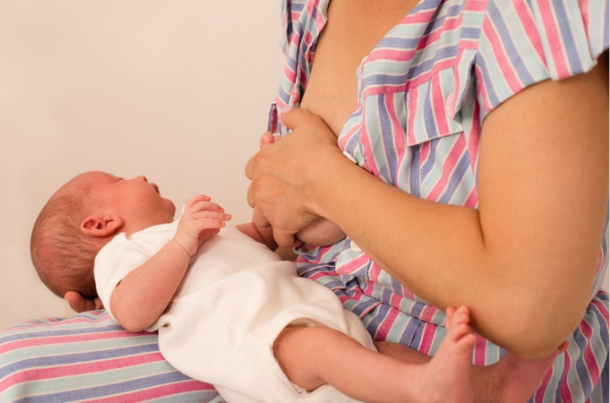
There are so many things nobody fully prepares you for after having a baby. The sleepless nights, the tiny fingers wrapped around yours, the unexpected tears over something as simple as a warm cup of tea. And then there are the physical changes that can catch you completely off guard.
Breast engorgement is one of those surprises. You might wake up one morning to find your breasts feeling unusually heavy, swollen, tight, or painfully full. Even holding your baby close can suddenly feel uncomfortable.
If this is happening to you, please know that you’re not alone. Many mothers experience breast fullness and swelling in the early days after giving birth, especially as their milk production increases.
The good news is that there are gentle ways to ease the discomfort. And while engorgement can feel overwhelming in the moment, it usually improves as your body adjusts to feeding your little one.
Let’s talk about what’s happening, what might help, and how to recognize when your body needs a little extra care.
What Is Breast Engorgement?
Imagine filling a soft balloon with water. At first, it stretches comfortably. But as more water goes in, the balloon becomes tighter and firmer.
Something similar can happen to your breasts when milk production increases, along with changes in blood flow and fluid in the surrounding breast tissue.
Breast engorgement happens when the breasts become overly full, swollen, and uncomfortable. They may feel firm, warm, tender, or stretched, and sometimes the skin looks shiny.
This is especially common during the first several days after delivery, when your body begins producing larger amounts of milk.
For some mothers, it feels like mild heaviness. For others, it can be painful enough to make breastfeeding, sleeping, or even wearing a bra uncomfortable.
The important thing to remember is that engorgement doesn’t automatically mean something is wrong with your milk supply or that you’re doing anything incorrectly.
Your body is going through a major adjustment, and sometimes that adjustment takes a little time.

Why Does Breast Engorgement Happen After Birth?
One of the biggest surprises of early motherhood is how quickly your body changes after delivery.
During pregnancy, your breasts prepare to nourish your baby. After birth, hormonal changes signal your body to increase milk production.
As milk volume rises, your breasts also experience increased circulation and changes in tissue fluid.
This combination can create the tight, heavy feeling associated with breast engorgement after birth.
1. Your Milk Production Is Increasing
For many mothers, milk volume begins increasing noticeably around two to five days after delivery.
You may hear people describe this as your milk “coming in.”
During this time, your breasts can become fuller than you’re used to. Sometimes they feel swollen even after your baby has finished feeding.
This early fullness is common, but significant swelling can make feeding uncomfortable.
2. Your Baby Is Still Learning to Breastfeed
Breastfeeding may be natural, but that doesn’t mean it always feels easy.
Your newborn is learning how to latch, suck, swallow, and coordinate feeding. You’re learning too.
If your baby has difficulty attaching deeply or transferring milk effectively, your breasts may remain uncomfortably full.
This can happen even when you’re offering feeds frequently.
3. There Are Longer Gaps Between Feedings
Newborn feeding schedules aren’t always predictable.
Some babies want to nurse repeatedly for several hours. Others become sleepy and need encouragement to feed.
If your baby suddenly sleeps longer than usual, misses a feeding, or begins nursing less often, your breasts may become overly full.
This can also happen later in your breastfeeding journey when your baby’s feeding pattern changes.
4. Milk Removal Changes Suddenly
Engorgement isn’t limited to the newborn stage.
It can appear when you begin weaning, return to work, change pumping routines, or replace breastfeeding sessions with bottles.
Your body may continue producing milk according to the previous routine before gradually adjusting.
This is why sudden changes in feeding or pumping can sometimes lead to uncomfortable fullness.
Breast Engorgement Symptoms: What Does It Feel Like?
Every mother’s experience is a little different.
Some women notice only a heavy sensation, while others feel significant pressure and tenderness.
Common breast engorgement symptoms include:
Breasts that feel unusually full, firm, or hard
Swelling or tightness in one or both breasts
Tenderness or aching
Warmth in the breast tissue
Skin that appears stretched or shiny
Nipples that seem flatter because of swelling
Difficulty helping your baby latch comfortably
Fullness extending toward the underarm area
One thing that can feel particularly frustrating is when your baby is hungry, but your breast feels too firm for them to latch easily.
You might find yourself trying different positions while your little one becomes increasingly upset.
It’s an exhausting moment, especially when you’re already recovering from childbirth.
But this situation is often manageable with a few gentle adjustments and, when needed, hands-on support from a lactation professional.

How to Relieve Breast Engorgement Gently
When your breasts feel painfully full, your first instinct may be to remove as much milk as possible.
However, repeatedly pumping or expressing large amounts beyond your baby’s needs can encourage your body to continue producing more milk, sometimes making the cycle harder to manage.
The goal of how to relieve breast engorgement isn’t to force your breasts to become completely empty.
Instead, focus on reducing swelling, keeping your baby feeding effectively, and making yourself more comfortable.
1. Breastfeed Frequently and Follow Your Baby’s Cues
During the newborn period, many babies breastfeed around 8–12 times in 24 hours, sometimes more.
Offering the breast whenever your baby shows early hunger cues can help prevent uncomfortable gaps between feedings.
Look for little signs such as turning their head toward your chest, opening their mouth, bringing their hands toward their face, or making sucking movements.
Crying is often a later hunger cue, and an upset baby may find latching more difficult.
If your newborn is unusually sleepy, feeding poorly, or not producing enough wet diapers, contact your baby’s healthcare professional rather than simply waiting for the next feed.
2. Try a Cool Compress for Comfort
A cool compress can feel wonderfully soothing when your breasts are swollen and tender.
Wrap a cold pack in a thin cloth and place it over the uncomfortable area for approximately 10–20 minutes at a time.
You can do this between or after feedings, depending on what feels comfortable.
Avoid placing ice directly against your skin.
Cold therapy may help reduce inflammation and swelling, making the discomfort easier to manage.
3. Soften the Area Around Your Nipple Before Feeding
Sometimes your breast is so firm that your baby struggles to take enough tissue into their mouth.
If that happens, try gently softening the areola, the darker area around your nipple, before offering the breast.
You may be able to do this by expressing a small amount of milk or using a technique called reverse pressure softening.
With clean fingertips, apply very gentle, steady pressure around the base of your nipple toward your chest for a short time.
This can temporarily move some swelling away from the nipple area and make latching easier.
It should not hurt. If you’re unsure about the technique, a lactation consultant can demonstrate it.
4. Wear a Comfortable, Supportive Bra
When your breasts are swollen, even ordinary clothing can feel irritating.
Choose a soft, supportive bra that doesn’t dig into your skin or compress your breasts tightly.
You don’t need anything restrictive.
In fact, tight bras and excessive pressure can make breast discomfort worse.
Sometimes the smallest comfort changes, like switching to a softer bra or loose cotton top, make a difficult day feel a little more manageable.
5. Rest Whenever You Can
Rest may sound almost impossible with a newborn.
There are feeds, diaper changes, laundry, visitors, and the constant feeling that something needs your attention.
But your body is recovering from birth while also adapting to milk production.
If someone offers to bring you food, refill your water, or hold your baby while you rest, it’s okay to accept.
You don’t have to do everything yourself.
Rest won’t directly remove engorgement, but caring for your overall recovery matters too.

What If Your Baby Cannot Latch Due to Engorgement?
This can be one of the most emotional parts of breastfeeding.
Your baby is rooting and searching for milk. Your breasts are painfully full. Yet every attempt to latch seems to end in frustration.
When a baby cannot latch due to engorgement, swelling around the nipple and areola may be making it difficult for the baby to grasp the breast deeply.
The first thing to remember is that struggling with a latch does not mean you’ve failed at breastfeeding.
Sometimes a little help is all that’s needed.
Try These Gentle Steps
Hold your baby skin-to-skin for a few minutes to help both of you settle.
Apply gentle reverse pressure softening around the nipple if the areola feels swollen.
Hand express a little milk if necessary to make the breast softer.
Position your baby with their body close to yours, allowing them to take a deep mouthful of breast tissue.
If latching remains difficult, seek prompt help from a lactation consultant or healthcare professional.
Try not to force your baby’s head toward the breast or repeatedly push through a painful latch.
If your baby cannot feed effectively, it’s important to arrange an alternative way to provide expressed breast milk or appropriate infant feeding while getting professional support.
A baby who is feeding poorly, unusually sleepy, or showing signs of dehydration needs prompt medical assessment.
Hand Expression for Engorgement: A Gentle Technique
Sometimes you only need to remove a small amount of milk to make your breasts comfortable enough for feeding.
That’s where hand expression for engorgement can be helpful.
It doesn’t require a pump, and you can control how much pressure you use.
How to Hand Express Milk
Wash your hands thoroughly.
Place your thumb and fingers on opposite sides of the breast, a short distance behind the nipple.
Gently press back toward your chest, then compress and release rhythmically.
Rotate your finger position as needed, without sliding or rubbing across the skin.
Stop when the breast feels a little softer or your baby can latch more easily.
Hand expression shouldn’t involve squeezing your nipple forcefully or pressing deeply into painful breast tissue.
You don’t need to express a large quantity just to relieve engorgement.
If milk isn’t flowing or the process hurts, pause and ask a lactation professional to help you adjust your technique.
Engorged Breasts While Breastfeeding: Should You Keep Nursing?
In most cases, yes.
If you’re experiencing engorged breasts while breastfeeding, continuing to feed your baby according to their needs is generally helpful.
Breastfeeding doesn’t need to stop simply because your breasts feel swollen.
However, comfort and effective milk transfer matter.
If your baby latches deeply and feeds well, you may notice your breasts gradually become softer afterward.
If feeding is painful, your baby keeps slipping off, or your breasts remain very swollen, you may need additional support.
Avoid adding extra pumping sessions solely to completely drain the breasts. This can sometimes increase milk production and prolong the problem.
If you’re exclusively pumping, aim for a consistent routine that meets your baby’s needs rather than repeatedly pumping extra milk to chase a feeling of emptiness.
And if you’re reducing or stopping breastfeeding, gradual changes are usually more comfortable than abruptly stopping milk removal.
Breast Engorgement Versus Mastitis: How Can You Tell the Difference?
This is an important distinction because not every painful, swollen breast is simply engorged.
Breast engorgement and mastitis can share symptoms, including tenderness, swelling, and warmth.
However, mastitis involves inflammation of the breast and may sometimes include a bacterial infection.
Understanding breast engorgement versus mastitis can help you recognize when to get medical advice.
| Breast engorgement | Mastitis |
|---|---|
| Often affects both breasts | Often affects one breast |
| Common when milk volume increases after birth | Can occur at different stages of lactation |
| Breasts may feel generally full and tight | May involve a particularly painful, inflamed area |
| Usually improves with supportive care | May require medical assessment and treatment |
| Significant systemic illness is not typical | Fever, chills, and flu-like symptoms may occur |
These differences aren’t absolute. Engorgement can sometimes affect one breast more than the other, and mastitis doesn’t always cause a fever.
If you develop a fever of 38°C (100.4°F) or higher, chills, increasing redness, or feel generally unwell, contact a healthcare professional promptly.
If symptoms are worsening rapidly, seek urgent medical care.
Mastitis doesn’t always require antibiotics, but bacterial mastitis may need them. A clinician can help determine the right treatment.
How Long Does Breast Engorgement Last?
When you’re uncomfortable, even a single day can feel endless.
So it’s understandable to wonder, how long does breast engorgement last?
For many mothers, early postpartum engorgement begins around days three to five after birth and improves over the next day or two as feeding becomes established.
Some mothers experience symptoms for longer, especially if their baby is having trouble latching or transferring milk.
Later episodes of engorgement may occur when feeding or pumping routines change.
There’s no single timeline that applies to every mother.
However, pain and swelling should generally begin improving with appropriate care.
If symptoms aren’t improving within 12–24 hours, are getting worse, or repeatedly return, reach out to a lactation consultant or healthcare professional.
You shouldn’t have to spend days enduring significant breast pain without support.
Things to Avoid When Your Breasts Are Engorged
Sometimes well-meaning advice can make an already uncomfortable situation worse.
You might hear that you should massage your breasts firmly, pump until they’re completely empty, or use prolonged heat to help milk flow.
But these approaches aren’t always helpful and can sometimes increase inflammation.
Instead, be cautious about:
Deep or forceful massage: This can irritate swollen tissue and make inflammation worse.
Excessive pumping: Removing extra milk can signal your body to produce more.
Prolonged heat: Too much warmth may increase swelling for some mothers.
Tight clothing or bras: Constant pressure can add to discomfort.
Ignoring worsening symptoms: Persistent or increasing pain deserves attention.
Gentle care is usually better than trying to force the swelling away.
If you’re unsure whether a home remedy is safe, ask a qualified healthcare professional before trying it.
Can Breast Engorgement Affect Your Milk Supply?
Breast fullness can make you wonder whether your body is producing too much milk or whether your baby is getting enough.
It’s a confusing feeling because breasts can be extremely full while your baby still struggles to feed effectively.
Engorgement itself doesn’t automatically mean you have an oversupply.
During the early postpartum period, swelling and changes in breast tissue contribute to the fullness you feel.
However, if milk isn’t being transferred effectively over time, it may affect feeding and milk production.
That’s why checking your baby’s latch, swallowing, weight gain, and diaper output is often more useful than judging milk supply by how firm your breasts feel.
A softer breast doesn’t necessarily mean an empty breast, either.
As breastfeeding becomes established, many mothers notice their breasts feel less dramatically full between feeds.
This can be a normal adjustment rather than a sign that their milk is disappearing.
When to Seek Help for Breast Pain
There is a difference between the temporary discomfort of fullness and pain that needs professional attention.
Knowing when to seek help for breast pain can protect both your comfort and your breastfeeding experience.
Contact a healthcare professional promptly if you notice:
A fever of 38°C (100.4°F) or higher
Chills, body aches, or flu-like symptoms
Increasing redness, warmth, or swelling
Severe or worsening breast pain
A painful area that isn’t improving
Symptoms that persist despite supportive care
A baby who repeatedly cannot latch or feed effectively
Seek urgent care if you feel seriously ill, faint, confused, or rapidly deteriorate.
If your baby has very few wet diapers, is difficult to wake, or isn’t feeding, seek urgent medical advice as well.
You can also reach out to an International Board Certified Lactation Consultant (IBCLC) for help with positioning, milk transfer, pumping, and feeding concerns.
Asking for help early can prevent a manageable problem from becoming more distressing.
How Your Partner or Family Can Support You
Breastfeeding may happen between a mother and her baby, but that doesn’t mean the mother should carry every part of the experience alone.
When you’re recovering from childbirth and dealing with painful breasts, practical support can mean more than anyone realizes.
A partner or family member can bring you water during feeds, prepare something nourishing to eat, take care of household chores, or help arrange a lactation appointment.
They can also offer something just as important: patience.
Sometimes a new mother doesn’t need another suggestion or another opinion about how she should feed her baby.
She simply needs someone to say, “I know this is hard. What can I do to make today easier?”
And if breastfeeding plans need to change because of pain, medical concerns, or personal circumstances, support should remain just as strong.
Your wellbeing matters alongside your baby’s nourishment.
Frequently Asked Questions
Is breast engorgement normal after delivery?
Should I pump if my breasts are engorged?
Can I use ice packs for engorgement?
Can breast engorgement happen in only one breast?
Does breast engorgement mean I have too much milk?
Can breast engorgement go away on its own?
Can I continue breastfeeding if I have mastitis?
Should I Use Heat or Cold for Breast Engorgement?
Can Breast Engorgement Happen Even if I Am Not Breastfeeding?
How Can I Tell Whether My Baby Is Getting Enough Milk When My Breasts Are Engorged?
A Gentle Reminder for the Mother Who Is Struggling
Maybe you imagined breastfeeding would feel peaceful from the beginning.
You pictured your baby curled against your chest, those quiet moments together, and the beautiful closeness everyone talks about.
But perhaps right now, your breasts hurt, your baby is fussing, and you’re wondering why something so natural can feel so difficult.
I want you to remember something.
You can love your baby deeply and still find breastfeeding hard.
You can be grateful for motherhood and still wish someone had warned you about the uncomfortable parts.
You can need help and still be doing a wonderful job caring for your little one.
Breastfeeding isn’t a test of how much you love your baby. And painful feeding isn’t something you have to endure to prove your dedication.
Sometimes the kindest thing you can do for yourself is ask for support, adjust your feeding plan, or take the time your body needs to recover.
Final Thoughts
Breast engorgement can be one of those unexpected challenges that makes the early days of motherhood feel harder than you imagined.
The heaviness, swelling, tenderness, and difficulty feeding can be exhausting, especially when you’re already running on very little sleep.
But this stage often gets easier.
Gentle cold compresses, comfortable feeding positions, effective milk removal according to your baby’s needs, and timely professional support can all help.
Most importantly, you don’t need to navigate painful breastfeeding alone.
Your baby deserves love and care, and so do you.
So tonight, if you’re sitting in a quiet room with your little one in your arms, feeling tired and wondering whether you’re getting any of this right, remember that motherhood isn’t measured by perfect feeds or effortless days.
It’s built from the small moments of care, learning, patience, and love that you offer again and again.
You’re learning. Your baby is learning. And both of you deserve tenderness along the way.
For more practical feeding tips and gentle support through the early days of parenthood, explore Little One Haven. Take one step at a time, and remember to care for yourself as lovingly as you care for your baby.
Resources
NHS: Breast Pain and Breastfeeding
Academy of Breastfeeding Medicine
Disclaimer
This article is for general educational and breastfeeding information only and does not replace individualized medical or lactation advice. Contact a healthcare professional promptly if you develop a fever of 38°C (100.4°F) or higher, chills, flu-like symptoms, increasing redness or swelling, severe or worsening breast pain, or symptoms that are not improving. Seek urgent medical care if you feel seriously ill, faint, confused, or rapidly deteriorate. If your baby repeatedly cannot latch or feed effectively, has very few wet diapers, is unusually sleepy, or is difficult to wake, seek prompt medical assessment. An IBCLC or other qualified lactation professional can provide individualized support with latch, milk transfer, expression, and feeding concerns.
About the Author
Geeta Yogi writes warm, practical parenting content about breastfeeding, postpartum recovery, newborn feeding, baby care, maternal wellbeing, and everyday family concerns. She focuses on clear, reassuring guidance that helps parents understand common feeding challenges while recognizing when professional medical or lactation support may be needed.
