

Pregnancy has a funny way of making even simple math feel confusing. One moment, you’re counting weeks until your baby arrives, and the next, someone asks, “How many months pregnant are you?” Suddenly, you’re counting on your fingers again!
If you’re wondering, is 36 weeks exactly 9 months pregnant, you’re certainly not the only mom asking. At 36 weeks, you’re incredibly close to meeting your little one, but the answer isn’t quite as simple as dividing 36 by four.
The truth is that pregnancy weeks and calendar months don’t match perfectly. And while 36 weeks is often described as the beginning of the ninth month, your baby still has some important growing to do.
Let’s make sense of it all, without complicated calculations or confusing medical language.
Is 36 Weeks Exactly 9 Months Pregnant?
The short answer is no, not exactly. At 36 weeks pregnant, you’re approximately eight months and one to two weeks along, depending on how the months are counted. However, many pregnancy charts place week 36 in the ninth month.
Here’s why this gets confusing.
Most of us naturally think of one month as four weeks. Following that logic, 36 weeks divided by four equals nine months.
But calendar months are usually longer than four weeks. Most have 30 or 31 days, which means pregnancy months don’t divide evenly into neat four-week blocks.
That’s why doctors prefer counting pregnancy in weeks rather than months. It gives them a much clearer picture of your baby’s development and helps them track important milestones.
So, if someone asks how far along you are, saying “I’m 36 weeks pregnant” is actually more accurate than saying “I’m exactly nine months.”
And honestly, mama, there’s no need to stress about getting the month calculation perfect. You’re in the final stretch, and that’s what matters most.
How Many Months Is 36 Weeks Pregnant?
When calculating 36 weeks pregnant in months, there are two common ways people describe this stage.
Using the simple four-weeks-per-month method, 36 weeks equals nine four-week periods.
Using average calendar months, 36 weeks is approximately 8.3 months.
That’s why you may see some pregnancy websites calling 36 weeks the ninth month, while others describe it as eight months and a little more.
Both descriptions come from different counting methods, rather than a disagreement about how far along your pregnancy is.
Why Pregnancy Is Usually 40 Weeks, Not Exactly Nine Months
You may have heard that pregnancy lasts nine months. So why do doctors talk about 40 weeks?
Pregnancy is usually measured from the first day of your last menstrual period, not from the day conception happened.
A typical estimated due date falls at 40 weeks, or 280 days, from that starting point.
Forty weeks is actually a little longer than nine average calendar months. That’s why pregnancy is sometimes casually described as lasting almost ten months when each month is counted as four weeks.
But don’t worry. This doesn’t mean you’re suddenly pregnant for an extra month!
It’s simply the difference between medical pregnancy dating and everyday calendar calculations.
Pregnancy Weeks-to-Months Chart: Where Does Week 36 Fit?
If you’ve ever searched for a pregnancy weeks-to-months chart and found different answers, you’re not imagining things.
There is no single universally accepted medical conversion of pregnancy weeks into months. Still, the following commonly used chart can help you understand where you are.
| Pregnancy month | Approximate weeks |
|---|---|
| Month 1 | Weeks 1–4 |
| Month 2 | Weeks 5–8 |
| Month 3 | Weeks 9–13 |
| Month 4 | Weeks 14–17 |
| Month 5 | Weeks 18–22 |
| Month 6 | Weeks 23–27 |
| Month 7 | Weeks 28–31 |
| Month 8 | Weeks 32–35 |
| Month 9 | Weeks 36–40 |
Note: This is a simplified pregnancy-month chart. Different resources may group the weeks differently, and your healthcare provider will use gestational weeks for medical decisions.
According to this chart, 36 weeks pregnant falls in month nine.
However, that doesn’t mean you’ve completed nine full calendar months of pregnancy.
Think of it as entering the ninth-month stage rather than finishing nine months.
When Does the Ninth Month of Pregnancy Begin?
Many commonly used pregnancy charts say the ninth month begins at week 36.
Other calendars may place its beginning closer to week 35 or 37, depending on how they divide the months.
This is one reason pregnancy apps sometimes give slightly different month labels, even when they agree on your exact pregnancy week.
The important thing to remember is that your baby’s development doesn’t change based on which chart you follow.
Whether you call yourself eight-and-a-half months pregnant or in your ninth month, you’re still 36 weeks along.
And at this point, your body and baby are preparing for one of life’s biggest moments.
Is 36 Weeks Considered Full Term?
This is one of the most important questions to understand during the final weeks of pregnancy.
No, 36 weeks is not considered full term.
According to the American College of Obstetricians and Gynecologists (ACOG), pregnancy is divided into the following categories:
| Pregnancy weeks | Medical classification |
|---|---|
| Before 37 weeks | Preterm |
| 37 weeks–38 weeks, 6 days | Early term |
| 39 weeks–40 weeks, 6 days | Full term |
| 41 weeks–41 weeks, 6 days | Late term |
| 42 weeks and beyond | Postterm |
At 36 weeks, your baby is considered late preterm if born now.
Although many babies born at this stage do very well, they may still need additional medical attention because their lungs, feeding skills, and ability to regulate body temperature are continuing to mature.
Why Those Last Few Weeks Matter
It’s tempting to think that once your baby looks fully developed, they’re completely ready for the outside world.
But inside your womb, some important finishing touches are still happening.
Your baby’s brain continues developing rapidly, the lungs keep maturing, and the body builds additional fat to help maintain warmth after birth.
These final weeks also support your baby’s ability to feed, breathe, and adjust to life outside the womb.
So even if you’re feeling uncomfortable and counting down every day, remember that each additional week can make a meaningful difference when pregnancy is progressing safely.
Of course, if your healthcare provider recommends an earlier delivery for medical reasons, following that guidance is important.
36 Weeks Pregnant Baby Development: What’s Happening Inside?
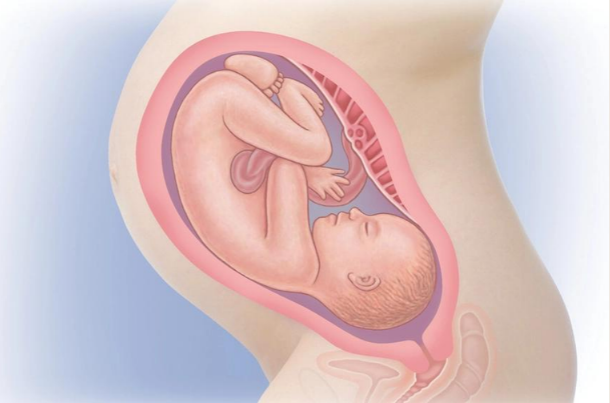
At 36 weeks, your little one is looking more and more like the baby you’ll soon hold in your arms.
Those tiny fingers, soft cheeks, and little feet you’ve been imagining are becoming wonderfully familiar features.
And while your baby is running out of space, there’s still plenty happening inside.
1. Your Baby Is Getting Bigger
At 36 weeks, an average baby weighs around 2.6–2.8 kilograms (approximately 5.7–6.2 pounds) and measures about 47 centimeters (18.5 inches) from head to heel.
These are only averages. Healthy babies come in different sizes, and ultrasound weight estimates aren’t exact.
Your healthcare provider will look at your baby’s overall growth pattern rather than judging development by one number.
2. The Lungs Are Still Maturing
Your baby’s lungs have developed significantly, but they continue preparing for breathing after birth.
This is one reason babies born at 36 weeks may occasionally need breathing support.
Every pregnancy is different, and your medical team can explain what this means for your individual situation.
3. Your Baby May Be Head-Down
By 36 weeks, many babies have moved into a head-down position in preparation for birth.
If your baby hasn’t turned yet, don’t panic.
Your healthcare provider may discuss options such as external cephalic version (ECV), a procedure that sometimes helps turn a breech baby into a head-down position.
Never attempt to turn your baby yourself using pressure on your abdomen.
4. Movements May Feel Different
As your baby grows, there is less room for dramatic stretches and big kicks.
You may notice more rolling, pushing, and wriggling sensations.
But here’s something every expecting mom should know: Your baby should continue moving regularly right up to labor.
Movements may feel different, but they should not become noticeably less frequent or weaker than your baby’s usual pattern.
If you’re concerned about reduced or changed movements, contact your maternity care team immediately. Don’t wait until the next day.
What to Expect at 36 Weeks Pregnant
The final month can feel like a strange mixture of excitement, tiredness, impatience, and love.
One minute, you’re folding tiny baby clothes and smiling to yourself.
The next, you’re trying to find a comfortable sleeping position and wondering how your belly could possibly get any bigger.
All of these feelings can be part of the experience.
Your Belly May Feel Lower
Some babies move deeper into the pelvis as birth approaches. This is sometimes called lightening or dropping.
When it happens, you might notice that breathing feels a little easier.
However, you may also feel increased pressure in your pelvis or need to visit the bathroom more frequently.
Not every baby drops at 36 weeks, and it doesn’t necessarily mean labor will start soon.
Your Prenatal Visits May Become More Frequent
Around this stage, many healthcare providers recommend weekly prenatal appointments.
Depending on your pregnancy and local care guidelines, your provider may check your blood pressure, baby’s position, growth, and well-being.
You may also be offered a Group B Streptococcus (GBS) screening, commonly performed between 36 and 37 weeks in some countries.
If you’re unsure what tests are planned, this is a good time to ask.
You Might Feel a Strong Urge to Prepare Everything
Suddenly, organizing drawers, washing baby clothes, or rearranging the nursery may feel incredibly important.
People often call this the nesting instinct.
If you’re experiencing it, enjoy the excitement, but don’t push yourself too hard.
Your baby doesn’t need a perfect nursery. A safe place to sleep, appropriate clothing, feeding supplies, and your loving care are far more important.
Common 36 Weeks Pregnant Symptoms
By 36 weeks, your body is doing a lot of work.
Some symptoms can be uncomfortable, while others may make you wonder whether labor is approaching.
Here are a few common experiences.
Pelvic Pressure and Discomfort
As your baby grows and settles lower, you may feel heaviness or pressure around your pelvis.
Gentle movement, changing positions, and resting when needed may help.
If the pressure is severe, sudden, or accompanied by other concerning symptoms, contact your maternity provider.
Braxton Hicks Contractions
These are practice contractions that can make your belly feel tight or firm.
They are often irregular and may settle when you change position, rest, or drink water.
True labor contractions generally become more regular, stronger, and closer together.
Because 36 weeks is still preterm, call your maternity team promptly if you think labor might be starting, even if you’re unsure.
Trouble Sleeping
Finding a comfortable position with a large belly can feel like a nightly puzzle.
You may wake frequently to use the bathroom, experience heartburn, or struggle to get comfortable.
Try placing a pillow between your knees and another beneath your belly for support.
And remember, resting quietly still matters, even when sleep doesn’t come easily.
Swollen Feet and Ankles
Mild swelling can happen during late pregnancy, especially after standing for long periods.
Putting your feet up and taking comfortable movement breaks may help.
However, sudden swelling of your face or hands, especially with a severe headache, vision changes, or pain high in your abdomen, needs urgent medical assessment.
Backache and Fatigue
Your growing belly changes your posture and places extra demands on your muscles.
Short walks, supportive footwear, and gentle stretches approved by your healthcare provider may make everyday activities more comfortable.
It’s also perfectly reasonable to ask for help with household tasks.
You don’t need to prove how much you can manage during these final weeks.
How to Sleep Comfortably at 36 Weeks Pregnant

Sleep can become particularly challenging as your due date approaches.
After 28 weeks, going to sleep on your side is generally recommended because falling asleep flat on your back may increase the risk of stillbirth.
You can sleep on either your left or right side.
If you wake up on your back, don’t panic. Simply roll onto your side before going back to sleep.
A few little adjustments may help:
- Place a pillow between your knees to support your hips.
- Use a small pillow beneath your belly for extra comfort.
- Keep your bedroom cool and comfortable.
- Avoid large meals close to bedtime if heartburn bothers you.
- Take short breaks during the day when you feel tired.
One important distinction: sleeping advice during pregnancy is different from the safe sleeping position for babies after birth.
Once your baby arrives, always place them on their back for every sleep, on a firm, flat sleep surface without loose blankets, pillows, or soft toys.
What Happens If a Baby Is Born at 36 Weeks?
Hearing that your baby might arrive early can feel frightening, especially when you’ve been imagining a particular due date.
But many babies born at 36 weeks grow and develop well with appropriate medical care.
A baby born at 36 weeks is classified as late preterm.
Although some babies can stay with their mothers and go home after routine monitoring, others need extra support.
Possible Challenges for Babies Born at 36 Weeks
A baby born at this stage may experience:
- Breathing difficulties because the lungs are still maturing.
- Trouble maintaining a stable body temperature.
- Feeding difficulties due to immature sucking and swallowing coordination.
- Low blood sugar.
- Jaundice that requires monitoring or treatment.
Some babies need care in a neonatal unit, while others only need additional observation.
The level of support depends on your baby’s individual condition, not simply the number of weeks at birth.
Can a 36-Week Baby Breastfeed?
Yes, many babies born at 36 weeks can breastfeed.
However, late-preterm babies sometimes become sleepy during feeds or tire before taking enough milk.
Your care team may recommend additional feeding support, expressing breast milk, or monitoring your baby’s weight and hydration closely.
If feeding doesn’t go exactly as you imagined, please be gentle with yourself.
Learning to feed is a process for both you and your baby, and needing support doesn’t mean you’ve failed.
Signs of Labor at 36 Weeks: When Should You Call Your Doctor?
At 36 weeks, it’s especially important to recognize possible signs of preterm labor.
Contact your maternity unit or healthcare provider promptly if you experience:
- Regular contractions or tightening that continues or becomes more frequent.
- A gush or steady trickle of fluid from your vagina.
- Vaginal bleeding.
- New or worsening pelvic pressure with cramping or backache.
- A noticeable reduction or change in your baby’s usual movements.
Heavy bleeding, severe abdominal pain, fainting, seizures, or serious breathing difficulty require emergency medical care.
Even if you’re not sure whether something is serious, it’s better to call and ask.
You are never wasting your maternity team’s time by raising a genuine concern about your baby.
Things to Do at 36 Weeks Pregnant

You don’t need to spend these last few weeks rushing through an endless checklist.
But a little preparation can help you feel calmer and more confident.
As you get ready to welcome your little one, it can help to focus on a few practical essentials at a time. Our guide to things to do before your baby arrives offers a helpful checklist for preparing your home and getting ready for those first newborn days, without feeling you need to do everything at once.
Pack Your Hospital Bag
Keep your hospital bag ready with the essentials you and your baby may need.
Consider packing comfortable clothes, maternity pads, toiletries, phone chargers, important medical documents, and a few newborn outfits.
Ask your hospital what they provide so you don’t carry unnecessary items.
Prepare Your Baby’s Sleeping Space
Choose a crib, bassinet, or cot with a firm, flat mattress and fitted sheet.
Avoid sleep positioners, pillows, bumpers, and loose bedding.
If you’re planning to use a bedside bassinet, make sure it meets the relevant safety standards and is assembled correctly.
Talk About Your Birth Preferences
It’s helpful to discuss your preferences for labor, pain relief, birth support, and newborn care.
At the same time, remember that birth doesn’t always follow a perfect plan.
Being flexible doesn’t mean giving up your wishes. It means allowing room for safe decisions when circumstances change.
Learn a Little About Newborn Care
You don’t have to know everything before your baby arrives.
But understanding the basics of feeding, diaper changes, safe sleep, and when to seek medical advice can make the first few days feel less overwhelming.
If possible, ask your healthcare team about breastfeeding support and newborn care resources before delivery.
Make Time for Yourself
Take a warm shower, listen to music, enjoy a quiet conversation with your partner, or simply sit with your feet up.
These moments don’t need to be productive.
You’re preparing for a major physical and emotional transition, and your well-being deserves attention too.
Frequently Asked Questions
Is 36 Weeks Exactly 9 Months or 8 Months?
Is 36 Weeks Pregnant Safe for Delivery?
How Many Weeks Are Left at 36 Weeks Pregnant?
Can Labor Start Naturally at 36 Weeks?
Is It Normal to Feel Very Tired at 36 Weeks?
Is My Baby Fully Developed at 36 Weeks?
Can I Walk Every Day at 36 Weeks Pregnant?
A Little Reminder for Every Mom Who Is 36 Weeks Pregnant
There is something incredibly special about reaching 36 weeks.
You’re close enough to imagine your baby’s face, their tiny hands wrapped around your finger, and that first beautiful moment of holding them against your chest.
But you’re also in a season of waiting.
Some days, you might feel excited and ready. Other days, you might feel exhausted, nervous, or impatient.
All those emotions deserve space.
You don’t have to enjoy every ache or every sleepless night to be grateful for your pregnancy. And you don’t have to have every little detail figured out before your baby arrives.
Take care of yourself, keep attending your prenatal appointments, and reach out whenever something worries you.
Your baby is still growing, and you’re doing important work simply by caring for yourself through these final weeks.
Final Thoughts
So, is 36 weeks exactly 9 months pregnant? Not in terms of completed calendar months.
At 36 weeks, you’re approximately 8.3 months pregnant, although many pregnancy charts place you at the beginning of the ninth month.
More importantly, you’re in the final stage of pregnancy, when your baby is continuing to grow and prepare for life outside the womb.
While 36 weeks is not yet full term, every additional week can support your baby’s development when it’s medically safe for pregnancy to continue.
And mama, whether your little one arrives a little earlier than expected or keeps you waiting past your due date, your journey deserves patience, kindness, and care.
Soon enough, those weeks you’ve been counting will become the days you spend getting to know your beautiful baby.
Until then, rest when you can, trust your healthcare team, and remember that you don’t have to do everything perfectly.
You’re getting closer to meeting your little one, one precious week at a time.
As you get ready for those first cuddles and the new adventures ahead, visit Little One Haven for more pregnancy and parenting reads to support you as your little one grows. Keep learning, take things one day at a time, and give yourself the same kindness you’ll soon be giving your baby.
Resources
- ACOG: Definition of Term Pregnancy
- NHS: Week 36 Pregnancy Guide
- American Academy of Pediatrics: Health Issues in Premature Babies
Disclaimer
This article is for general educational and pregnancy information only and does not replace individualized prenatal or medical advice. At 36 weeks, pregnancy is still considered preterm. Contact your maternity care team promptly if you develop regular contractions, vaginal bleeding, a gush or steady trickle of fluid, new or worsening pelvic pressure with cramping or backache, or a noticeable reduction or change in your baby’s usual movements. Seek emergency medical care for heavy bleeding, severe abdominal pain, fainting, seizures, or serious breathing difficulty. Always follow the advice of your own obstetrician, midwife, or maternity care team regarding activity, delivery timing, and any pregnancy-specific concerns.
About the Author
Geeta Yogi writes warm, practical content about pregnancy, prenatal wellness, baby development, birth preparation, newborn care, and everyday parenting concerns. She focuses on clear, supportive guidance that helps expecting parents understand pregnancy milestones while recognizing when professional medical advice may be needed.
