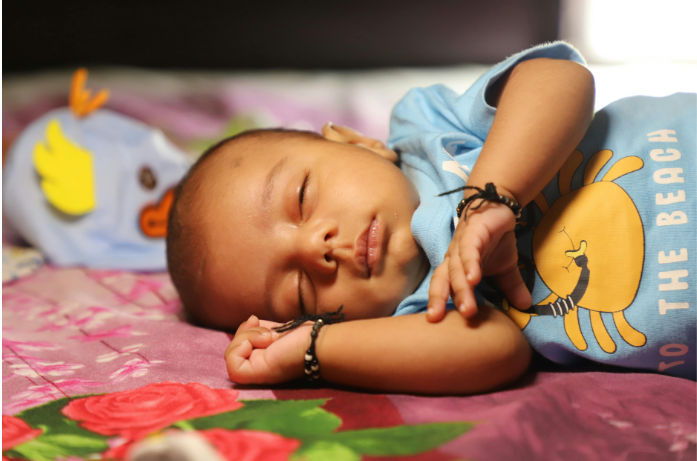
Watching your baby become unusually sleepy can make you wonder, do babies sleep more when teething, or could something else be going on? Although every baby responds differently, teething is more commonly associated with restless sleep, frequent waking, and difficulty settling than with sleeping longer.
Some babies may appear more tired during the day because sore gums interrupted their nighttime sleep. They might take a longer nap, fall asleep earlier, or want extra cuddles. However, significant sleepiness, difficulty waking, poor feeding, or a sudden change in behaviour should not automatically be blamed on teething.
Understanding what is normal can help you comfort your baby without overlooking signs that they may be unwell.
Do Babies Sleep More When Teething?
Most babies do not consistently sleep more because of teething. In fact, teething discomfort may make it harder for them to fall asleep or stay asleep.
The NHS lists poor sleep among the possible symptoms parents may notice while a tooth is emerging. Babies may also have sore or red gums, increased drooling, a stronger desire to chew, and more fussiness than usual.
Your baby may still seem sleepier during the day if they:
- Woke frequently during the previous night
- Had difficulty settling back to sleep
- Took shorter naps earlier in the day
- Became tired from crying or irritability
- Found comfort in nursing, cuddling, or sleeping
In this situation, the extra sleep is usually your baby catching up after a restless period. It is not necessarily a direct teething symptom.
A mildly tired baby who wakes normally, feeds well, has regular wet diapers, and behaves like themselves between naps is usually less concerning than a baby who is unusually drowsy or difficult to wake.
How Teething Can Affect a Baby’s Sleep
Teething begins when a tooth starts moving towards and through the gum. Many babies begin teething at around six months, although some start before four months and others do not get their first tooth until after their first birthday.
The pressure around the emerging tooth can make the gum feel tender or swollen. During the day, your baby may be distracted by feeding, playing, movement, and interaction. At bedtime, when the environment becomes quiet, they may notice the discomfort more.
This can lead to several changes in your baby’s sleep.
More frequent night waking
A baby who previously slept for longer stretches may begin waking several times. They may cry suddenly, chew their hands, rub their face, or want to feed for comfort.
Difficulty falling asleep
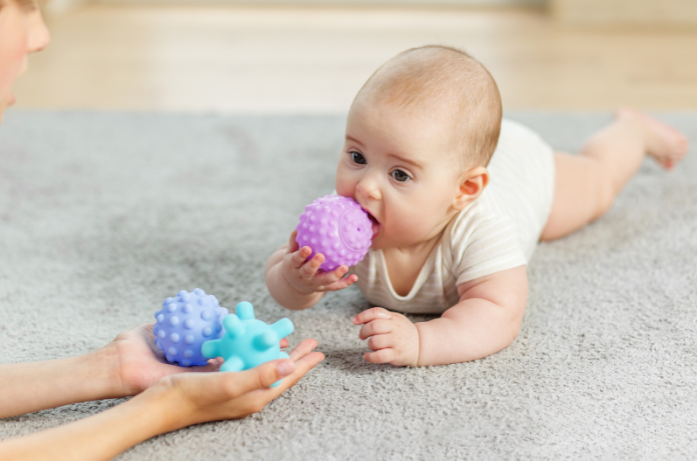
Your baby may look tired but resist being placed in the crib. The pressure of sucking, chewing, or being held may temporarily soothe their gums, making them unhappy when that comfort stops.
Short or unpredictable naps
Some teething babies take shorter naps because discomfort wakes them. Others may sleep longer during one nap because they did not rest well overnight.
Increased need for comfort
Even babies who usually settle independently may need more rocking, holding, feeding, or reassurance. This does not mean you have ruined their sleep habits. Your baby may simply need additional support while they are uncomfortable.
Does Teething Make Babies Tired?
Parents often ask, “Does teething make babies tired?” Teething itself is not generally considered a direct cause of extreme tiredness. However, the disrupted sleep associated with sore gums can leave a baby more fatigued than usual.
Think about how you feel after a night of repeatedly waking. Even when you spend enough total time in bed, interrupted rest can make you tired the following day. Babies may experience something similar.
Your baby might:
- Rub their eyes earlier than usual
- Become fussy near nap time
- Take an additional short nap
- Fall asleep during a feed
- Want an earlier bedtime
- Become clingier when tired
These changes may last for a few days around the time a tooth appears. According to the American Academy of Pediatrics’ symptom guidance, teething discomfort, when present, should generally be brief rather than causing prolonged or severe symptoms.
Continued exhaustion, unusual weakness, or difficulty waking deserves medical attention rather than being treated as a normal part of teething.
Common Teething Symptoms in Babies
Baby teeth sometimes appear without causing any obvious discomfort. Other babies experience mild symptoms for a few days.
Possible teething symptoms include:
- A sore, swollen, or red area on the gum
- Increased drooling
- Chewing or biting objects
- Irritability or fussiness
- One flushed cheek
- Rubbing the face or ear
- A mild facial rash caused by drool
- Reduced interest in food
- Restless naps or nighttime waking
Teething may temporarily reduce a baby’s interest in solid food because biting or chewing can feel uncomfortable on tender gums. Offer soft, age-appropriate foods without pressure and allow your baby to eat according to their appetite. When food refusal continues or mealtimes become difficult, our guide on baby not eating solids explains common causes and gentle solutions for parents.
A slight rise in temperature may occur, but a true fever is not considered a normal teething symptom. Teething also does not reliably explain diarrhoea, vomiting, persistent coughing, or cold-like symptoms. These may be signs of an illness occurring at the same time.
Because babies frequently put their hands and toys in their mouths during the teething stage, it is possible for them to pick up an infection at around the same time a tooth is appearing. That can make it tempting to blame every symptom on teething.
Always consider your baby’s complete condition rather than focusing only on their gums.
Baby Sleeping More Than Usual: Teething or Illness?
A small change in sleep can be normal. A major change should be taken more seriously.
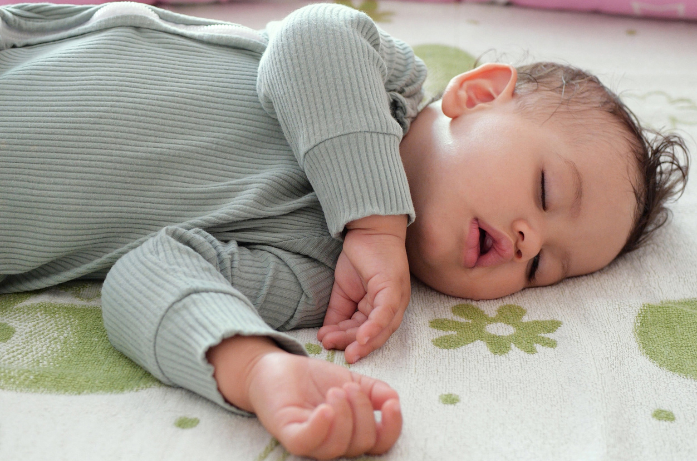
When your baby is sleeping more than usual, observe how they behave after waking. A tired but otherwise well baby will generally wake for feeds, look at you, move normally, and have alert periods during the day.
Sleep is only one part of your baby’s overall well-being. Feeding normally, producing regular wet diapers, responding to your voice, and having active, alert periods can also be reassuring signs. Read our guide on how to know if your baby is healthy for more everyday signs that parents can observe.
Contact a healthcare professional when your baby:
- Is difficult to wake
- Seems floppy, weak, or unusually quiet
- Refuses several feeds
- Has fewer wet diapers
- Has breathing difficulties
- Cries continuously and cannot be comforted
- Has repeated vomiting or diarrhoea
- Has a temperature of 38°C or higher
- Develops a rash that does not fade when pressed
- Has symptoms that are worsening rather than improving
Unusual sleepiness and poor feeding can be signs that a baby needs medical evaluation. A fever in a baby younger than three months should be discussed promptly with a healthcare professional.
You know your baby’s normal behaviour better than anyone. Trust your instincts when something feels different.
Teething vs Illness: Quick Comparison
| Teething | Possible Illness |
| Swollen gums | High fever |
| Increased drooling | Persistent vomiting |
| Wants to chew | Difficulty breathing |
| Mild fussiness | Extreme sleepiness |
| Restless sleep | Poor feeding |
| Brief discomfort | Symptoms worsening |
How to Help a Teething Baby Sleep
You cannot make a tooth appear faster, but you can help reduce some of your baby’s discomfort before bedtime. Gently massage their gums with a clean finger, offer a chilled, not frozen, teething ring, or use a cool, damp washcloth for them to chew on. A warm bath, quiet cuddles, soft lighting, and a calm bedtime routine may also help your baby relax. If your baby seems very uncomfortable or is unable to sleep, speak with your pediatrician before giving any pain-relief medicine.
Offer a chilled teething ring
A teething ring cooled in the refrigerator may soothe tender gums. Follow the product’s instructions and check it regularly for damage.
Do not freeze a teething ring. A frozen ring may become too hard and could damage sensitive gum tissue. Never tie a teething ring, toy, or necklace around your baby’s neck because it creates a strangulation risk.
Massage the gums gently
Wash your hands and use a clean finger to massage the sore gum for a minute or two. Gentle pressure may provide temporary relief.
You can also offer a clean, cool, damp washcloth for your baby to chew while you supervise them.
Wipe away excess drool
Constant drooling can irritate the skin around your baby’s mouth, chin, and neck. Gently pat the skin dry instead of rubbing it. A suitable fragrance-free barrier cream may help protect irritated skin, but keep products away from the inside of the mouth.
Keep the bedtime routine familiar
Try to follow your usual sequence, such as:
Bath, pajamas, feeding, a quiet story, cuddles, and bed.
Your baby may need additional comfort, but a familiar routine still signals that it is time to rest. Keep lights low and interactions calm during nighttime waking.
Offer comfort without stimulating your baby
Rocking, holding, feeding, softly singing, or gently patting your baby may help them settle. Avoid bright lights, screens, loud toys, and energetic play during the night.
Ask before giving medicine
When your baby appears to be in significant pain, ask their pediatrician or pharmacist whether an age-appropriate pain reliever is suitable. The correct product and dose depend on your baby’s age, weight, medical history, and local guidance.
Do not guess a dose or use medicine intended for an older child.
Teething Remedies Parents Should Avoid
Avoid numbing gels containing benzocaine or lidocaine, as they may cause serious side effects. Homeopathic teething tablets, alcohol-based remedies, amber necklaces, and frozen teething rings should also be avoided because they can increase the risk of poisoning, choking, strangulation, or gum injury.
Safer options include a chilled teething ring, a cool damp washcloth, and gentle gum massage. Always ask your pediatrician before giving any pain-relief medicine.
Benzocaine or lidocaine numbing products
The US Food and Drug Administration advises against using oral products containing benzocaine or viscous lidocaine to treat teething pain in infants and young children. These medicines can cause serious and potentially life-threatening side effects.
Amber teething necklaces
Amber necklaces, bracelets, and anklets have not been shown to provide reliable teething relief. They may create choking or strangulation hazards.
The FDA has received reports of serious injuries and deaths associated with teething jewellery.
Frozen objects
Frozen washcloths, spoons, foods, or teething rings can become extremely hard and may injure your baby’s gums. Choose something chilled rather than frozen.
Sugary substances
Do not dip pacifiers or teething toys in honey, syrup, sugar, or other sweet substances. Honey is unsafe for babies younger than 12 months, and sugary substances can contribute to tooth decay.
Unapproved homeopathic remedies
Some homeopathic teething products have been associated with serious side effects. Speak to a qualified healthcare professional before giving your baby any herbal, homeopathic, or “natural” remedy.
Keep Safe Sleep Rules in Place During Teething
When your baby is uncomfortable, you may feel tempted to let them sleep in a swing, car seat, nursing pillow, reclined seat, or adult bed. Even during a difficult teething night, safe sleep practices remain important.
Place your baby:
- On their back for every sleep
- On a firm, flat, non-inclined mattress
- In an approved crib, bassinet, or portable play yard
- With only a fitted sheet on the sleep surface
- Without pillows, loose blankets, bumpers, positioners, or soft toys
The American Academy of Pediatrics recommends moving a sleeping baby from a car seat, stroller, swing, carrier, or sling to a firm, flat sleep surface as soon as practical.
Extra cuddles before sleep are comforting. However, avoid falling asleep with your baby on a sofa or armchair, especially when you are exhausted.
Is It Teething or a Sleep Regression?
Teething and developmental sleep changes often happen at similar ages. This can make it difficult to identify what is waking your baby.
A sleep regression may be more likely when your baby:
- Is learning to roll, crawl, stand, or walk
- Has become more aware of your absence
- Resists naps without obvious gum discomfort
- Has changed their nap schedule
- Remains playful and comfortable during the day
Teething may be more likely when poor sleep appears alongside:
- Swollen or tender gums
- Increased chewing
- Heavy drooling
- Gum rubbing
- Fussiness while eating
- A tooth that is visibly close to emerging
Sometimes both are happening together. Instead of trying to label every difficult night, focus on keeping your baby comfortable, maintaining safe routines, and checking for signs of illness.
How Long Does Teething Affect Sleep?
There is no exact schedule that applies to every baby. Mild discomfort may appear for a few days around the time a tooth emerges. Some teeth may cause more noticeable sleep disruption than others, particularly larger teeth such as molars.
However, weeks of severe waking, constant crying, refusing feeds, or extreme sleepiness should not automatically be attributed to teething.
Other possible reasons for sleep changes include:
- Hunger or a growth spurt
- A nap schedule that needs adjusting
- A cold or ear infection
- Reflux or digestive discomfort
- Separation anxiety
- A developmental milestone
- Changes in the baby’s environment
- Being too warm or too cold
Speak with your pediatrician when the sleep disruption is severe, persistent, or accompanied by symptoms that concern you.
Frequently Asked Questions
Do babies take longer naps when teething?
Some babies may take a longer nap after a restless night, but longer naps are not a universal teething symptom. Many teething babies actually sleep less because gum discomfort repeatedly wakes them.
Can teething cause a baby to sleep all day?
Teething should not usually cause a baby to sleep all day or become difficult to wake. Unusual drowsiness, poor feeding, weakness, or reduced responsiveness should be discussed with a healthcare professional.
Why is my teething baby waking every hour?
Sore gums may make it harder for your baby to move smoothly between sleep cycles. They may wake looking for the same feeding, rocking, or cuddling that helped them fall asleep. Hunger, illness, developmental changes, and schedule problems can also cause frequent waking.
Do babies become clingy when teething?
Yes, some babies want to be held, fed, or comforted more often when their gums are tender. Extra closeness can help them feel secure during an uncomfortable stage.
Should I let my teething baby sleep longer?
It is generally reasonable to let a healthy baby finish a restorative nap, provided they are feeding normally, producing regular wet diapers, gaining weight appropriately, and can be easily awakened. Follow any feeding or waking instructions given by your baby’s healthcare professional.
Does teething cause fever and diarrhoea?
Teething may be associated with a slight temperature increase, but it should not cause a true fever. Evidence does not support diarrhoea as a normal teething symptom. Contact a healthcare professional when your baby has a temperature of 38°C or higher, diarrhoea, vomiting, or appears unwell.
Final Thoughts
So, do babies sleep more when teething? Some babies may take longer naps or appear more tired after teething discomfort interrupts their nighttime sleep. However, restless sleep and frequent waking are more commonly reported than a true increase in sleep.
Look at your baby’s overall behaviour. A baby who wakes easily, feeds well, has regular wet diapers, and enjoys alert periods may simply be catching up on missed rest.
A baby who is extremely sleepy, difficult to wake, feeding poorly, or showing fever, breathing problems, dehydration, vomiting, or diarrhoea may be unwell. Do not assume that every change is caused by a new tooth.
Offer safe comfort, continue your usual sleep routine, and trust your instincts. When your baby does not seem like themselves, professional medical advice is always safer than waiting for the tooth to appear.
Looking for more baby sleep and teething advice? Explore Little One Haven for trusted guides on newborn sleep, teething, feeding, baby development, and everyday parenting questions.