
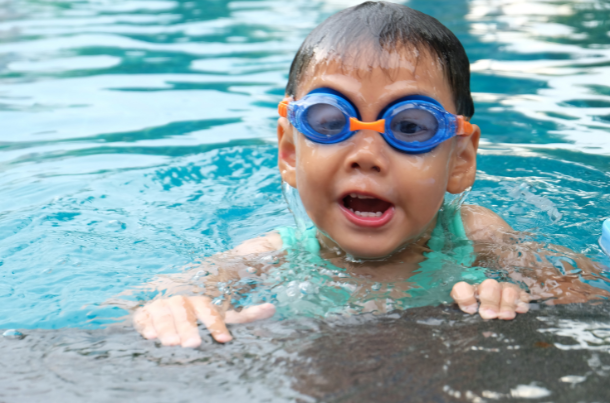
A fun afternoon at the swimming pool or a simple bath-time splash can suddenly become worrying when your toddler coughs after getting water in their mouth. Many anxious parents immediately search for “dry drowning symptoms toddler” because they have heard frightening stories about children becoming seriously ill hours or even days after swimming.
The good news is that “dry drowning” is not an accepted medical diagnosis. However, breathing problems following a water incident are real and should never be ignored. Knowing which symptoms are harmless, which require a doctor’s advice and which need emergency help can help you respond calmly and protect your little one. Important medical note:* This article is for general education and does not replace advice from your child’s pediatrician. Seek immediate medical care whenever your toddler is having difficulty breathing or does not seem like themselves.
What Does “Dry Drowning” Actually Mean?
The phrase “dry drowning” is commonly used online to describe breathing problems that appear after a child has been under water or accidentally inhaled water.
Medically, however, conditions called “dry drowning,” “secondary drowning,” “delayed drowning” and “near drowning” are not recognized diagnoses. Medical organizations instead use the term drowning, which means experiencing breathing impairment because of being submerged or immersed in liquid. The outcome may be fatal or nonfatal. In simple words, merely swallowing a little pool or bath water does not automatically mean your toddler has experienced drowning, merely swallowing a little pool or bath water does not automatically mean that your toddler has experienced drowning. The main concern is whether the water incident affected your child’s ability to breathe.
A toddler who coughs briefly, quickly settles down and returns completely to normal is very different from a toddler who continues coughing, breathes unusually fast or appears sleepy and confused.
What Is Water Aspiration in Toddlers?
Water aspiration happens when water accidentally enters the airway instead of going down the swallowing pathway. A toddler may cough because the body is trying to clear irritation from the airway.
A brief cough that stops quickly is often not a sign of a serious problem. However, continued coughing, breathing difficulty, unusual tiredness, or behavior changes after a water incident should be checked by a healthcare professional

Dry Drowning Symptoms Toddler Parents Should Watch For
Although dry drowning symptoms toddler searches are common, parents should focus on signs of breathing difficulty or unusual behavior after a water incident rather than the label itself.
1. Persistent or Worsening Cough
A few coughs immediately after swallowing water may simply be the body’s natural way of clearing the airway.
The cough becomes concerning when it:
- Does not settle within a short time
- Keeps returning or becomes stronger
- Prevents the toddler from talking, drinking or playing normally
- Appears together with fast or difficult breathing
A prolonged or excessive cough after a child has struggled in water should be medically evaluated. 2. Fast, Hard or Noisy Breathing
Watch your toddler’s chest and tummy while they breathe. Seek urgent medical help when breathing looks faster, harder or more uncomfortable than usual.
Warning signs may include:
- The skin pulling in under or between the ribs
- Nostrils widening with each breath
- Grunting, gasping or unusual breathing noises
- The stomach moving strongly with every breath
- Difficulty speaking, crying or drinking because of breathlessness
These signs can indicate respiratory distress and should not be watched at home to see whether they improve on their own. 3. Unusual Sleepiness or Difficulty Waking
Toddlers often feel tired after swimming, running and playing. Normal tiredness by itself is not necessarily a warning sign.
However, unusual drowsiness is different. Be concerned when your toddler:
- Is much sleepier than expected
- Is difficult to wake
- Does not respond normally to you
- Cannot stay awake
- Seems weak, floppy or unusually quiet
Sleepiness accompanied by coughing, breathing difficulty or abnormal behavior requires prompt medical attention. 4. Confusion or Changes in Behaviour
Parents usually know their toddler’s personality better than anyone else. Trust your instincts when your little one suddenly seems different after a water incident.
A sudden change in your toddler’s emotions or behavior can sometimes be difficult to understand, especially after a stressful experience. If you notice ongoing fears, clinginess, excessive worry, or emotional changes beyond the water incident, learning about the common signs of anxiety in kids may help you better understand what your child is experiencing.
Concerning behavior may include:
- Unusual irritability
- Confusion or poor response
- Loss of interest in toys or surroundings
- Difficulty walking normally
- Appearing frightened, dazed or disconnected
- Not recognizing or responding to familiar people
A child who “isn’t acting right” after being submerged should be evaluated by a healthcare professional. 5. Chest Pain or Discomfort
Toddlers may not be able to clearly say that their chest hurts. Instead, they might cry when breathing, hold their chest, avoid moving or become unusually restless.
Chest pain or discomfort following a drowning incident is a reason to seek medical attention, particularly when accompanied by coughing or breathing changes. 6. Blue, Grey or Very Pale Skin
A bluish or grey colour around the lips, face or fingertips may mean that the body is not receiving enough oxygen.
This is an emergency. Call your local emergency service immediately. In India, the nationwide emergency number is 112. Do not drive the child yourself when they are struggling severely to breathe, becoming unresponsive, or turning blue. when they are struggling severely to breathe, becoming unresponsive or turning blue. Follow the instructions given by the emergency dispatcher.
When Should You Call Emergency Services?
Call emergency services immediately when your toddler:
- Is not breathing normally
- Is gasping or struggling for each breath
- Becomes unresponsive
- Has blue or grey lips or skin
- Cannot be awakened normally
- Collapses or has a seizure
- Was pulled from water and needed rescue breathing or CPR
If the child is not breathing, call for emergency assistance and begin CPR if you are trained. Follow the dispatcher’s instructions until professional help arrives. Parents and caregivers are encouraged to learn child CPR and safe water-rescue skills before an emergency happens. What If Your Toddler Swallowed Pool Water but Seems Fine?
It is very common for toddlers to swallow a little water while swimming or bathing. They may cough, sputter, cry and then return to playing.
According to Red Cross guidance, a child whose mild coughing resolves quickly and who immediately returns to completely normal breathing and behavior can generally be watched closely by an attentive caregiver. Symptoms related to a genuine drowning event tend to improve or worsen within the first few hours rather than appearing suddenly days later without earlier warning signs. During this time, pay attention to:
to:
- Whether the coughing has fully stopped
- Whether breathing looks comfortable
- Whether your toddler is playing and communicating normally
- Whether their skin colour looks normal
- Whether they are drinking and moving normally
Contact your pediatrician or seek medical care whenever coughing continues, breathing changes or your child does not seem like their usual self.
Can Dry Drowning Happen Days Later?
One of the biggest fears parents have is that a child may look completely healthy and then suddenly “drown” in their sleep several days later.
Available medical guidance does not support this idea. There are no known medically documented cases of a person dying from drowning after returning to a completely normal, symptom-free state for an extended period. New symptoms beginning days later are extremely unlikely to be caused by the earlier water incident This does not mean that new symptoms should be ignored. A toddler who develops breathing difficulty, fever, severe coughing, unusual tiredness or confusion needs medical evaluation, even when the cause may be an infection or another illness rather than drowning.
How Long Should Parents Monitor Their Toddler?
There is no need to spend several days constantly waking a completely well child because of fear created by the phrase “dry drowning.”
Instead, closely observe your toddler after any meaningful water incident, especially during the first few hours. Mild coughing that quickly disappears and is followed by completely normal breathing and behavior is reassuring.
Children who have prolonged coughing, fast or difficult breathing, confusion, sleepiness or abnormal behavior need medical care. A healthcare professional may observe a child who experienced a drowning event for several hours before deciding whether it is safe for them to go home. n in doubt, contact your pediatrician. It is always reasonable to seek professional advice when you are uncertain about your toddler’s breathing.
What Parents Should Not Do
Fear can make it tempting to try home remedies or wait for visible symptoms to become severe. After a concerning water incident, avoid:
Do Not Force the Child to Cough
Coughing is already the body’s natural response to airway irritation. Do not shake the child, hang them upside down or press forcefully on their stomach in an attempt to remove water.
Do Not Rely on Home Remedies
Steam, oils, massage and homemade drinks cannot treat breathing impairment caused by a drowning incident. A child with persistent respiratory symptoms needs professional medical assessment.
Do Not Assume Sleep Will Fix the Problem
A toddler who is breathing normally, behaving normally and simply tired after playing may follow their usual routine. However, unusual sleepiness, difficulty waking or drowsiness with coughing or breathing changes is not something to “sleep off.”
Do Not Wait for Every Symptom to Appear
Your child does not need to show all the signs listed in this article. Even one serious symptom, such as difficult breathing or abnormal responsiveness, is enough to seek emergency help.
Preventing Drowning in Toddlers
Toddlers are naturally curious, quick and unable to understand water-related danger. Prevention requires several layers of protection rather than relying on only one safety measure.
Stay Within Arm’s Reach
The American Academy of Pediatrics recommends constant “touch supervision” whenever a toddler is in or near water. An adult should remain within arm’s reach and give the child full attention. your phone away, avoid household chores and do not leave the area, even for a moment. When you need to move away, take your toddler with you.
Never Leave a Toddler Alone in the Bath
Do not leave a toddler in a bathtub under the supervision of an older sibling. Young children can drown quickly and quietly, even in a small amount of water.
Collect towels, clothes and bathing supplies before putting your child in the tub so that you do not need to step away.
Empty Buckets and Small Pools
Empty buckets, tubs, inflatable pools, coolers and other open containers immediately after use. Store them upside down where rainwater cannot collect.
Toddlers are top-heavy and may be unable to pull themselves out if they fall headfirst into a container. The AAP specifically recommends removing unsupervised access to these everyday water hazards. Use Proper Pool Barriers
Residential pools should be surrounded on all four sides by secure fencing that separates the pool from the house and garden. Gates should close and latch automatically.
Four-sided pool fencing, constant adult supervision and age-appropriate swimming lessons are among the key drowning-prevention measures recommended by the American Academy of Pediatrics. Choose a Properly Fitted Life Jacket
Toddlers should wear a properly fitted, safety-approved life jacket when they are in or near lakes, rivers and other natural bodies of water.
Inflatable arm bands, water wings and pool toys are not substitutes for life jackets or adult supervision because they can slip off, deflate or create a false sense of safety. Assign One Water Watcher
During family gatherings, pool parties or picnics, adults may assume that someone else is watching the child.
Choose one responsible adult as the designated water watcher. That person should avoid phones, conversations, alcohol and other distractions while actively supervising the children. Adults can take turns after a clearly agreed period. Learn CPR
CPR training gives parents and caregivers the skills to respond during the critical moments before emergency professionals arrive.
A course designed specifically for infant and child CPR is particularly valuable for families with babies and toddlers.
Frequently Asked Questions
Is coughing after swimming always dangerous?
No. Brief coughing that quickly stops, followed by normal breathing, playing and behavior, is usually less concerning. Persistent, excessive or worsening coughing requires medical advice.
What are the first signs of water aspiration in a child?
Persistent coughing, fast or difficult breathing, chest discomfort, unusual sleepiness, confusion and behavior changes are important signs to watch for after a child has struggled in water. Can a toddler experience drowning without water entering the lungs?
Drowning is primarily about respiratory impairment and lack of oxygen, not about the exact quantity of water found in the lungs. This is one reason the old labels “dry drowning” and “wet drowning” are no longer recommended. Should every child who swallows water visit the hospital?
Not every small sip of bath or pool water requires an emergency visit. However, a child who struggled under water, required rescue, continues to cough, has abnormal breathing or is behaving differently should receive medical evaluation.
Can my toddler sleep after swallowing pool water?
A toddler who is breathing comfortably, behaving normally and has no ongoing symptoms may usually follow their normal routine. Unusual drowsiness, difficulty waking, continued coughing or abnormal breathing requires immediate medical attention.
How soon do dry drowning symptoms appear in toddlers?
Symptoms related to a drowning event usually appear soon after the water incident. A toddler who returns completely to normal breathing, behavior, and activity is unlikely to suddenly develop drowning-related symptoms days later without earlier warning signs.
Final Thoughts
Searching for dry drowning symptoms in a toddler can bring up frightening stories, but accurate information helps replace panic with practical action.
“Dry drowning” is not a medically accepted condition. The real issue is whether a water incident has caused breathing impairment. Persistent coughing, difficult or fast breathing, chest discomfort, confusion, unusual sleepiness, abnormal behavior or blue lips should never be ignored.
At the same time, a toddler who coughs briefly, quickly settles and returns completely to normal is unlikely to suddenly experience drowning days later without any warning signs.
Stay close, trust your parental instincts and seek medical care whenever your little one’s breathing or behavior does not look right. Around water, constant adult supervision, secure barriers, proper life jackets and CPR knowledge remain the strongest ways to keep curious toddlers safe.
Looking for more toddler health and safety guidance? Explore Little One Haven for trusted parenting resources covering child development, safety, health concerns, and everyday parenting questions.
Resources