
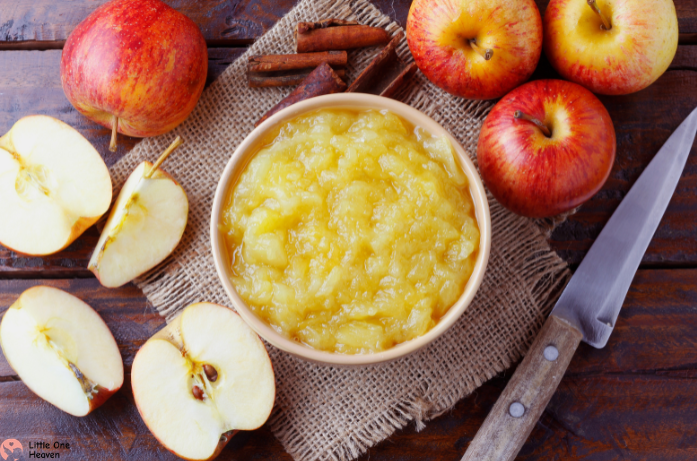
Parenthood brings many meaningful and memorable milestones, and introducing solid foods is one of the most important stages in a baby’s early development. Among the most commonly chosen first foods, apple puree for babies is often a favorite among parents worldwide.
Naturally sweet, soft in texture, and easy to digest when properly cooked, apple puree is gentle on a baby’s developing digestive system while also providing important nutrients needed during early growth. It is also one of the easiest homemade baby foods to prepare with minimal ingredients.
However, many parents still have common questions such as:
• When can babies start eating apple puree?
• Is raw apple safe for infants?
• How do you safely prepare homemade apple puree?
• Can apple puree affect digestion or cause constipation?
• What is the best way to store apple puree for freshness?
This complete guide provides clear, practical answers along with step-by-step guidance to help you confidently introduce apple puree into your baby’s diet.
Why Apple Puree Is a Great First Food
Apples are naturally rich in nutrients that support a baby’s healthy growth and development. When cooked and blended into a smooth puree, they become soft, gentle on the stomach, and easy for babies to digest during the early stages of solid food introduction.
There are several reasons why apple puree for babies is often recommended as one of the first foods:
• Naturally sweet taste that most babies enjoy
• Easy to digest when properly cooked
• Good source of Vitamin C to support immunity
• Contains dietary fiber that supports digestion
• Provides natural antioxidants
• Soft texture suitable for beginners starting solids
• Easy to mix with other fruits and vegetables for variety
Unlike many processed baby foods, homemade apple puree gives parents full control over ingredients, ensuring that babies receive a fresh, simple, and additive-free first food experience.
When Can Babies Have Apple Puree?
Most pediatric experts recommend introducing solid foods around 6 months of age, when a baby’s digestive system and motor skills are more developed. At this stage, apple puree for babies can be introduced as one of the gentle first fruits.
Before starting solids, it is important to look for developmental readiness signs such as:
• Sitting with minimal support
• Good head and neck control
• Showing interest in food during mealtimes
• Opening the mouth when offered food
• Ability to move food from the front of the mouth toward the back instead of pushing it out with the tongue
Once these milestones are reached, apple puree is often considered a safe and suitable first fruit for babies beginning solid foods.
Global health authorities, including the Centers for Disease Control and Prevention (CDC), recommend introducing solid foods around 6 months of age, while ensuring a safe and gradual transition based on a baby’s developmental readiness signs.
Nutritional Benefits of Apple Puree for Babies
Although apples are simple everyday fruits, they provide a range of important nutrients that support a baby’s growth, development, and overall health during the early stages of solid food introduction.
1. Vitamin C for immune support
Apple puree contains Vitamin C, which helps support a healthy immune system. It also improves the absorption of iron from foods like lentils, beans, and iron-fortified cereals, which are commonly introduced during infancy.
2. Fiber for healthy digestion
Cooked apples contain dietary fiber that supports gentle digestion. Depending on the apple variety and preparation method, apple puree may help support regular bowel movements in many babies.
3. Natural antioxidants
Apples contain natural plant compounds called antioxidants that help protect the body’s cells. While babies do not need “superfoods,” offering a variety of fruits like apple puree helps build healthy eating habits early in life.
4. Gentle energy source
Apples provide natural carbohydrates that offer steady energy for growing babies, without any added sugar or processed ingredients.
5. Hydration support
Because apples naturally contain a high amount of water, apple puree can also contribute a small amount to hydration when combined with breast milk or formula, especially during early feeding stages.
Is Apple Puree Safe for Babies?
Yes, apple puree is safe for babies when it is prepared properly and introduced at the right developmental stage, usually around 6 months of age.
However, raw apple pieces should be avoided for young infants because they are firm and can pose a choking risk.
Safe preparation for younger babies:
✔ Peel the apple
✔ Remove the core and seeds completely
✔ Cook until soft and tender
✔ Blend into a smooth, lump-free puree
Important safety note:
Whole apple slices or raw chunks should not be given to young babies until they have developed stronger chewing and swallowing skills.
Best Apples for Baby Puree
For making apple puree for babies, most naturally sweet apple varieties work very well because they blend easily and do not require any added sugar or sweeteners.
Recommended apple varieties:
• Gala
• Fuji
• Honeycrisp
• Pink Lady
• Golden Delicious
These apples have a naturally sweet and mild flavor, which makes them ideal for baby food. They also blend into a smooth texture easily, making them suitable for early stages of introducing solid foods.
Can you use tart apples?
Yes , tart varieties like Granny Smith can also be used. However, they may taste slightly more acidic, which is why they are often better suited for babies who are already familiar with sweeter fruits.
Homemade Apple Puree Recipe for Babies
Making homemade apple puree for babies is quick, simple, and takes less than 20 minutes. It requires only a few basic ingredients and no added sugar, salt, or spices.
Ingredients:
• 2 fresh apples
• Water (as needed for cooking and blending)
That’s it. No sugar, no honey, no salt, and no spices are needed for young babies.
Step-by-Step Method
Step 1: Wash the apples
Wash apples thoroughly under running water to remove dirt and residues.
Step 2: Peel the skin
Peel the apples to make digestion easier, especially for babies just starting solids.
Step 3: Remove core and seeds
Cut out the core completely and remove all seeds.
Apple seeds should never be eaten, as they contain natural compounds that can be harmful when broken down.
Step 4: Chop into small pieces
Cut apples into small cubes so they cook evenly and become soft faster.
Step 5: Cook until soft
Steam or gently simmer the apple pieces for about 10–15 minutes, or until they become fork-tender.
Steaming is preferred as it helps retain more nutrients.
Step 6: Blend into puree
Blend using a blender, food processor, or hand blender until smooth.
Add a small amount of cooking water if needed to reach a soft, silky texture.
Step 7: Cool before serving
Always allow the puree to cool completely before feeding it to your baby to avoid burns.
Can You Leave the Peel On?
For younger babies who are just starting solid foods, it is generally recommended to peel the apple. Removing the skin helps make the puree smoother and easier to digest.
As your baby grows and becomes more comfortable with different textures, you may gradually include small amounts of apple peel, since it contains additional fiber and nutrients.
If the peel is included, always ensure the apple is cooked well and blended thoroughly into a smooth puree to avoid any texture that may be difficult for your baby to swallow.
Can Babies Eat Raw Apple?
Raw apple is not recommended for babies during the early stages of introducing solid foods.
This is because raw apples are firm and can be difficult to chew, which may increase the risk of choking in young infants who are still developing chewing and swallowing skills.
For older toddlers who have stronger chewing ability, small thin slices of raw apple may be introduced gradually, always under close adult supervision.
How Much Apple Puree Should You Give?
Every baby has different needs, so the amount of apple puree should always be based on age, appetite, and readiness.
At the beginning of solid food introduction, only small quantities are needed as babies are still learning to eat.
| General Feeding Guide |
| Baby Age Approximate Serving 0-6 months 1–2 teaspoons initially 6–8 months 2–4 tablespoons 8–12 months Gradually increase based on appetite |
Important Note:
Breast milk or formula should remain the main source of nutrition during the first year of life, while solid foods like apple puree are introduced gradually as a complementary food.
Can Apple Puree Cause Constipation?
This is a common concern among parents when introducing apple puree for babies during the early stages of solid foods.
In most cases, apple puree actually supports healthy digestion because it contains natural fiber that helps regulate bowel movements.
However, every baby’s digestive system is different, and reactions can vary depending on age, diet, and hydration.
If constipation occurs, you can try:
• Offering a variety of fruits to balance digestion
• Ensuring adequate fluid intake (if age-appropriate and recommended)
• Consulting your pediatrician if constipation continues or becomes frequent
Foods often recommended for constipation relief:
Prunes, pears, peaches, and plums are commonly used to help support healthy digestion in babies experiencing constipation.
Can Apple Puree Cause Allergies?
Apple allergy is relatively uncommon in babies, especially when apple puree is introduced in a safe and gradual way during the early stages of solid foods.
However, like with any new food, it is important to introduce apple puree for babies carefully and observe how your baby responds.
Safe introduction guidelines:
• Introduce only one new food at a time
• Wait 3–5 days before adding another new food
• Start with small portions to monitor tolerance
Possible allergy symptoms to watch for:
• Skin rash or hives
• Swelling of lips, face, or eyes
• Vomiting or diarrhea
• Wheezing or difficulty breathing
If any severe reaction occurs, seek immediate medical attention without delay.
Can Apple Puree Be Mixed with Other Foods?
Yes, apple puree for babies can be easily mixed with other soft, nutritious foods once your baby is comfortable eating it on its own.
Combining flavors not only improves taste variety but also helps babies gradually adapt to different textures and healthy eating habits.
Popular apple puree combinations:
• Apple and pear
• Apple and banana
• Apple and sweet potato
• Apple and pumpkin
• Apple and carrot
• Apple and oatmeal
• Apple and avocado
• Apple and peach
Introducing a variety of fruits, vegetables, and grains alongside apple puree can help build healthy taste preferences and encourage more diverse eating habits as your baby grows.
Homemade vs Store-Bought Apple Puree
| Feature | Homemade Apple Puree ✔ | Store-Bought Apple Puree |
| Ingredients | Fresh, natural apples | Processed apples (varies by brand) |
| Additives | No sugar, salt, or preservatives | May contain additives (brand-dependent) |
| Control | Full control over texture and consistency | Limited control |
| Convenience | Requires preparation time | Ready to use instantly |
| Cost | Budget-friendly | Usually more expensive |
| Storage | Shorter shelf life | Longer shelf life |
| Travel-friendly | Less convenient | Easy to carry while traveling |
Important Note:
When choosing store-bought apple puree, always check the label carefully. The best option is 100% apple puree with no added sugar, salt, or artificial ingredients.
Storage Tips for Apple Puree
Fresh homemade apple puree for babies can be safely stored when handled and stored correctly. Proper storage helps maintain freshness, taste, and nutritional value.
Refrigerator Storage
• Store in an airtight container
• Keep refrigerated for up to 48 hours
• Always use a clean spoon when serving
Freezer Storage
• Freeze in ice cube trays or small baby food portions
• Once frozen, transfer cubes into freezer-safe bags or containers
• Use within 2–3 months for best quality and nutrition
Reheating Guidelines
• Warm gently before serving if needed
• Stir well to ensure even temperature
• Always check temperature before feeding your baby
• Do not refreeze thawed puree
Common Mistakes Parents Should Avoid
When preparing apple puree for babies, small mistakes are common,especially for first-time parents. Being aware of them can help ensure a safer and smoother feeding experience.
Try to avoid these mistakes:
• Adding sugar or sweeteners
• Adding honey (unsafe for babies under 12 months due to the risk of infant botulism)
• Serving raw apple chunks to young babies
• Forgetting to remove seeds and core completely
• Feeding puree that is too hot
• Introducing multiple new foods on the same day
• Forcing your baby to finish a serving
Every baby has their own appetite and pace, so it is important to follow your baby’s hunger and fullness cues instead of expecting fixed amounts.
Frequently Asked Questions
Is apple puree good for a baby’s first food?
Yes. Properly cooked and smoothly blended apple puree for babies is considered one of the easiest and safest fruits to introduce once your baby shows readiness for solid foods.
Can I microwave apples instead of steaming them?
Yes. Apples can be microwaved with a small amount of water until soft. This is a quick and convenient alternative to steaming while still making them suitable for puree.
Should I add cinnamon to apple puree?
For babies just starting solids, plain apple puree is best. Once your baby has tolerated apples well, a small pinch of cinnamon may be added if appropriate for their age and approved by your pediatrician.
Can I freeze homemade apple puree?
Yes. Freezing apple puree in small portions is a safe and practical way to store it. It allows you to thaw only the amount needed for each feeding.
Can babies eat apple puree every day?
Apple puree can be included as part of a healthy diet, but babies should be offered a variety of fruits, vegetables, grains, and protein foods. Rotating foods helps ensure balanced nutrition and exposure to different tastes and textures.
Final Thoughts
Apple puree is one of the simplest, safest, and most nutritious first foods you can introduce when your baby is ready for solid foods. Its naturally sweet flavor, smooth texture, and easy digestibility make it a popular choice among both parents and babies.
Whether you prepare it fresh at home or choose a high-quality store-bought option with no added sugar or unnecessary ingredients, apple puree can be a healthy part of your baby’s early feeding journey. As your little one grows, you can gradually combine it with other fruits, vegetables, and grains to support balanced nutrition and healthy eating habits.
Every baby develops at their own pace. The most important thing is to follow your child’s hunger cues, introduce foods slowly, and stay patient throughout the process. If you ever have concerns about feeding, allergies, or digestion, it is always best to consult your pediatrician for guidance.
At Little One Haven, we believe every feeding milestone should feel calm, confident, and stress-free. Our goal is to support parents with simple, trusted guidance at every step of their baby’s growth journey.
For more evidence-based guidance on infant nutrition and feeding practices, the Centers for Disease Control and Prevention (CDC) provides trusted resources on early childhood feeding and development.
Medical Disclaimer
This article is for informational and educational purposes only and is not a substitute for professional medical advice. Every baby is different, and feeding recommendations may vary based on individual health and developmental needs. Always consult a qualified pediatrician or healthcare provider before introducing solid foods or making changes to your baby’s diet.