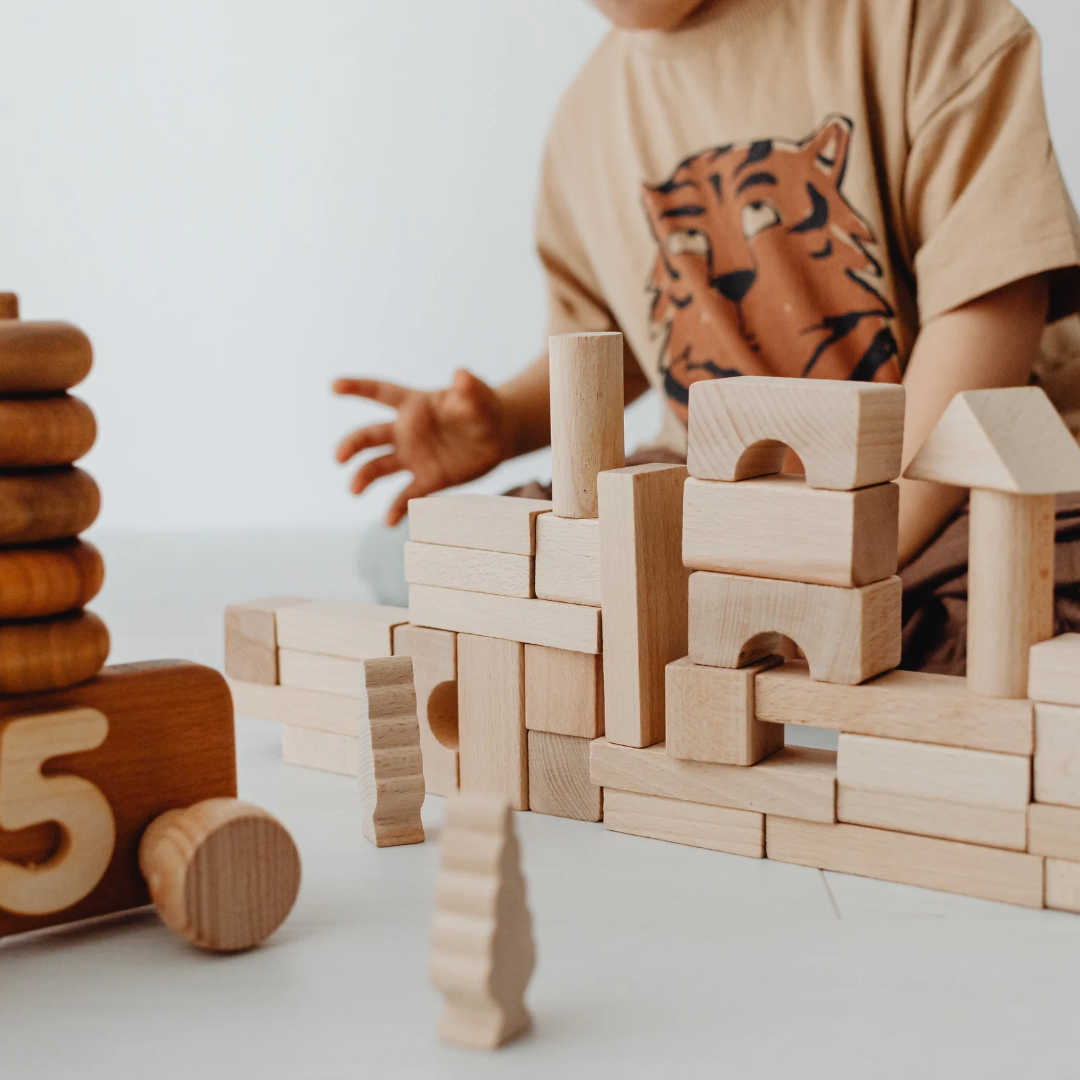
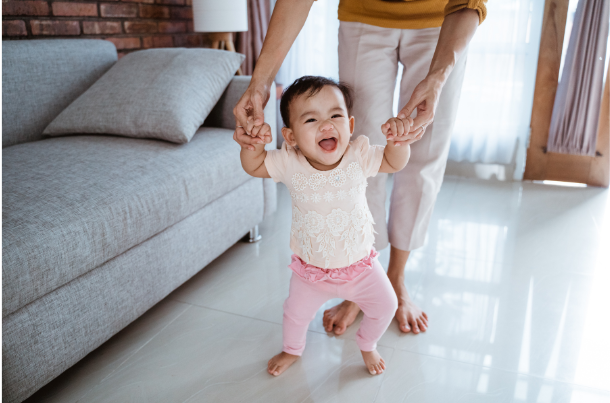
Watching your baby stand independently or take those first wobbly steps is an unforgettable moment. As you wait for this milestone, however, you may have several questions. When should a baby start walking? Can you teach a baby to walk? Which activities strengthen a baby’s legs? Should you worry if your baby is walking later than other children?
Walking is a developmental milestone that babies usually reach naturally when their muscles, balance, coordination, and confidence are ready. You cannot force a baby to walk before their body is prepared, but you can create a safe environment and provide plenty of opportunities for movement and practice.
Every child develops at a different pace. One baby may crawl for several months before standing, while another may skip crawling and begin pulling up on furniture. Instead of comparing your baby with other children, focus on their individual progress.
This guide explains how to teach a baby to walk, how to recognize signs of readiness, which activities can help, how to make your home safer, and when delayed walking should be discussed with a pediatrician.
Quick Answer: How Can You Teach a Baby to Walk?
You can help your baby learn to walk by giving them plenty of supervised floor time, encouraging tummy time, placing toys slightly out of reach, and allowing them to pull up on stable furniture.
Once your baby begins standing, let them move sideways while holding furniture. This stage is known as cruising. You can also offer both hands for support and gradually reduce that support as their balance improves.
Let your baby practice barefoot on a clean, safe, and non-slippery indoor surface. Avoid forcing them to stand or walk before they are ready. Most importantly, baby-proof your home and remain close whenever they are practicing.
When Do Babies Usually Start Walking?
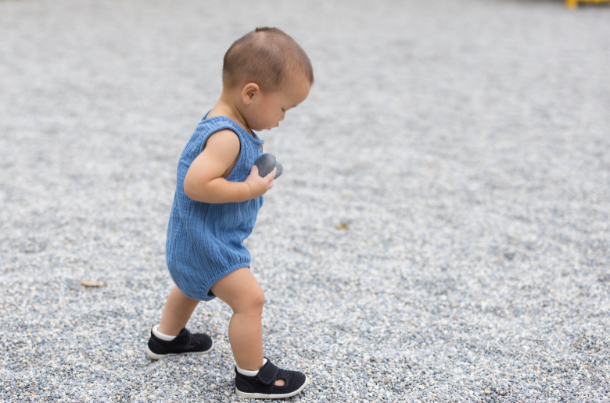
Many babies take their first independent steps around their first birthday, but there is a wide range of normal development. Some begin walking before 12 months, while others may not walk independently until closer to 18 months.
A baby’s movement development may progress approximately as follows:
- By around 9 months, many babies can sit without support.
- Between 9 and 12 months, some begin pulling themselves up to stand.
- By approximately 12 months, many babies can walk while holding furniture.
- Around 15 months, many children can take a few independent steps.
- By 18 months, most children can walk without holding a person or object.
These ages are general developmental guidelines, not strict deadlines. Premature birth, personality, muscle strength, joint flexibility, opportunities for movement and individual development can all influence when a child starts walking.
A cautious baby may spend weeks practicing before letting go of the furniture. A more adventurous baby may take independent steps sooner, even if their balance is still unsteady. Neither approach is necessarily better.
What Happens Before a Baby Learns to Walk?
Walking does not develop overnight. Before taking an independent step, your baby’s body must learn several smaller skills. Their neck, back, abdominal, hip and leg muscles gradually become stronger. They also learn to shift their weight, coordinate both sides of the body and recover from losing balance.
Developing Head and Neck Control
During the early months, babies begin learning to control their heads and necks. This is one of the first foundations for later movement, including rolling, sitting, crawling and standing.
Rolling and Playing on the Tummy
Rolling and supervised tummy time help strengthen the shoulders, back, arms and core. Strong core muscles are important because they help a baby keep the body steady while sitting, standing and eventually walking.
Sitting Without Support
When babies can sit without support, they are developing better control of the trunk. Reaching for toys while sitting also teaches them how to shift their weight without immediately falling over.
Crawling or Moving Across the Floor
Crawling can support coordination between the arms and legs, but not every baby crawls in the traditional hands-and-knees position.
Some babies move on their stomachs, shuffle on their bottoms or roll toward objects. Others skip crawling and move directly to pulling themselves up. Skipping crawling does not automatically mean that something is wrong, especially if the child continues developing other movement skills.
Pulling Up to Stand
The next stage often involves pulling up on a sofa, table or another stable object. At first, a baby may know how to stand but not how to sit back down. They may remain stuck in that position and cry for help.
You can gently guide their knees into a bent position so they learn how to lower themselves safely.
Cruising Along Furniture
Walking sideways while holding furniture is called cruising. It is one of the most important stages before independent walking.
Cruising helps babies practise shifting their body weight from one leg to the other. It also strengthens the legs and improves balance.
Standing for a Few Seconds
As balance improves, a baby may release the furniture and stand independently for a few seconds. They may not take a step immediately. Simply standing without support is meaningful progress.
Taking the First Independent Step
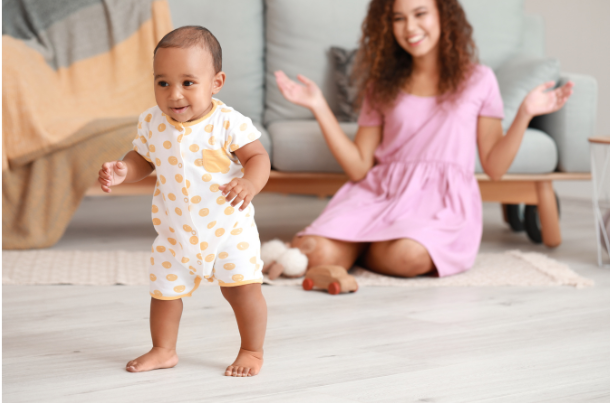
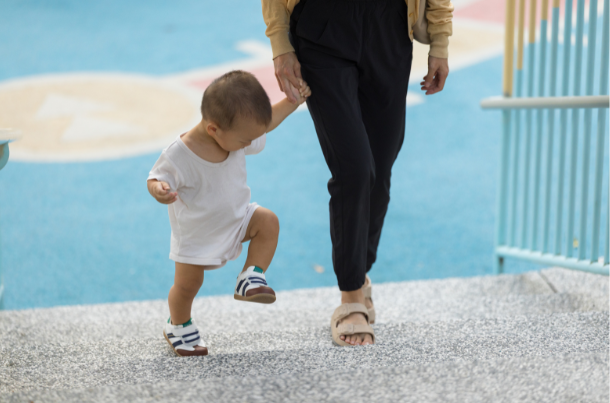
Eventually, your baby may let go of the furniture and take one or two steps. A new walker often keeps the feet far apart and holds the arms up or out to the sides. This wide stance helps the child remain stable.
Signs Your Baby May Be Ready to Walk
Age alone cannot tell you whether your baby is ready to walk. Their movements and abilities provide more useful clues.
Common signs of walking readiness include:
- Sitting steadily without support
- Pulling up to stand
- Putting weight on both feet
- Standing while holding furniture
- Cruising sideways along furniture
- Letting go with one hand while standing
- Moving between two pieces of furniture
- Bending to reach a toy while standing
- Standing independently for a few seconds
- Taking steps while holding your hands
- Showing an interest in following people around
A baby does not need to show every sign before taking a first step. Some children move through these stages gradually, while others progress quickly.
When your baby begins showing several signs, give them safe opportunities to practise without pressuring them to perform.
How to Teach a Baby to Walk: 12 Helpful Activities
1. Give Your Baby Plenty of Floor Time
Independent floor play gives your baby space to explore natural movements. They can roll, reach, sit, crawl and change positions without being restricted.
Create a clean, open and baby-proofed area on the floor. Place a few age-appropriate toys nearby and allow your baby to decide how to reach them.
Babies who spend long periods in strollers, reclining seats, car seats or other equipment may have fewer opportunities to use their muscles freely. These products may be necessary at certain times, but they should not replace active floor play.
Floor time does not have to feel like formal exercise. Your baby strengthens their body simply by playing and exploring.
2. Continue Supervised Tummy Time
Tummy time helps strengthen the neck, shoulders, arms, back and abdominal muscles. These muscles later support sitting, crawling, standing and walking.
Tummy time is only one of several simple ways to support your baby’s growing body and mind. You can also explore these activities for baby development for more age-appropriate ideas that encourage movement, coordination, sensory exploration, and early learning through play.
If your baby dislikes tummy time, begin with very short sessions. Lie down in front of them, talk to them or place a colourful toy nearby. Several brief sessions throughout the day may feel more manageable than one long session.
Tummy time should only happen when your baby is awake and under direct supervision. Continue following safe-sleep recommendations whenever your baby is sleeping.
3. Place Toys Slightly Out of Reach
Once your baby can sit or move across the floor, place a favourite toy just beyond their immediate reach. The distance should encourage effort without causing frustration.
Reaching for a toy may help your baby practise:
- Shifting body weight
- Turning the body
- Moving forward
- Crawling toward support
- Planning how to reach an object
- Pulling up to stand
Do not repeatedly move the toy away when your baby gets close. The purpose is to motivate movement, not to tease or upset them.
4. Encourage Sitting-to-Standing Movements
Place your baby in a seated position near a secure surface at an appropriate height. Put an interesting toy on the surface so they have a reason to pull themselves up.
Allow your baby to use their own muscles as much as possible. If support is necessary, provide gentle help around the hips or trunk rather than pulling them upward by the arms.
Learning how to lower the body is equally important. If your baby becomes stuck while standing, show them how to bend their knees and move into a squat or seated position.
5. Let Your Baby Cruise Along Stable Furniture
Once your baby begins standing, place a favourite toy a short distance away on a sofa or another stable surface. The baby may move sideways while holding the furniture to reach it.
Check the furniture carefully before allowing this activity. It should be heavy and stable enough that it cannot slide or tip over. Remove sharp objects and cover hard corners if necessary.
Avoid using lightweight chairs, small tables, television stands or furniture with wheels. Babies may pull these objects toward themselves and fall.
As your baby becomes more confident, you can create a very small gap between two stable pieces of furniture. The gap may encourage them to release one support and reach for another. Stay close throughout the activity.
6. Hold Your Baby’s Hands at a Comfortable Height
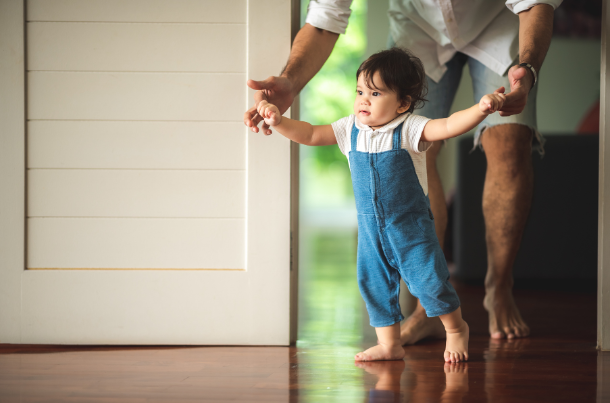
When your baby can stand and bear weight through the feet, offer both hands and let them take a few supported steps.
Avoid pulling their arms high above their head. This position may interfere with natural balance and posture. Whenever possible, keep their hands lower and slightly in front of the body. Supporting them gently around the hips may also help them use their own balance.
Reduce support gradually:
- Begin by offering both hands.
- Loosen your grip as stability improves.
- Offer only one hand.
- Let the baby hold one finger.
- Stay close while allowing independent steps.
If your baby sits down, turns away or becomes upset, stop the activity. Walking practice should remain playful rather than becoming a daily test.
7. Encourage Walking Between Two Adults
Two parents or caregivers can sit a short distance apart. One person can help the baby stand while the other opens their arms and gently encourages the baby to come closer.
Start with enough distance for only one independent step. As the baby becomes more confident, increase the space gradually.
Use smiles and calm encouragement. If your baby falls, avoid reacting with panic unless there appears to be an injury. A relaxed response can help them understand that a small tumble is not a disaster.
You might say, “You’re okay. Let’s try again when you’re ready.”
8. Use a Stable Push Toy Carefully
A strong, stable push toy can give some babies an opportunity to practise stepping forward. The toy should not roll away quickly when your baby leans against it.
Test it before allowing your baby to use it. Stay directly beside or behind them during the activity.
Hardwood, tile and marble floors can make wheels move too quickly. Thick carpet may cause them to stop suddenly. Some push toys can be made more stable according to the manufacturer’s instructions, but never modify a toy in a way that makes it unsafe.
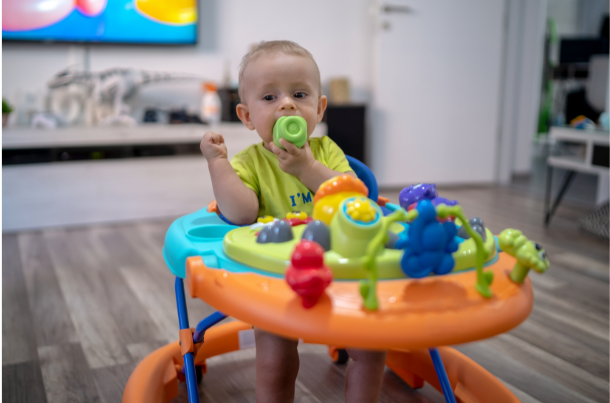
A push toy is different from a seated baby walker with wheels. Seated walkers do not teach the natural balance required for independent walking. They can also allow babies to reach stairs, hot surfaces, appliances or other hazards quickly. It is safer to avoid relying on them for walking development.
9. Provide Opportunities for Standing Play
Once your baby can stand while holding furniture, place safe toys on a low, stable surface. They can play with blocks, move a ball or place objects into a container while remaining upright.
Standing play encourages the baby to adjust their balance while using their hands. They may begin holding the surface with only one hand and eventually release both hands for a moment.
Do not expect your baby to stand for long periods. Let them sit, crawl and rest whenever they choose.
10. Practise Squatting and Standing Again
Place a toy on the floor near your baby while they are standing against a stable surface. They may bend their knees, reach down, pick it up and return to standing.
This movement strengthens the legs, hips and core while teaching better control of the body.
Keep the object nearby at first. If it is too far away, your baby may lose balance while reaching. Offer light support around the hips when needed.
11. Let Your Baby Practise Barefoot Indoors
On a clean, warm and non-slippery indoor surface, barefoot practice allows babies to feel the ground beneath their feet. This sensory information can help them adjust their balance and use their toes naturally.
Avoid letting your baby walk barefoot on dirty, very cold, sharp or unsafe surfaces. If socks are needed, choose socks with non-slip grips. Ordinary smooth socks may increase the chance of slipping.
Shoes become more useful once your baby walks outdoors and needs protection from heat, rough ground or sharp objects.
12. Praise Effort, Not Only Success
Do not wait for independent walking before celebrating progress. Praise your baby for pulling up, standing, cruising, bending their knees and trying again after falling.
A smile, clap or encouraging sentence can build confidence. For example:
- “You stood up!”
- “You are trying so hard.”
- “That was a big step.”
- “You fell and got back up.”
Some babies become overwhelmed by loud celebrations, so respond according to your baby’s personality. Gentle encouragement is often enough.
What Should You Avoid While Teaching a Baby to Walk?
Helping your baby learn to walk is exciting, but too much pressure or unsafe practice can make the process stressful. Every baby develops at a different pace, so focus on encouragement, safety, and natural movement. Here are some common mistakes to avoid
Do Not Force Your Baby to Stand
If your baby is not ready to bear weight through the legs, repeatedly placing them in a standing position will not make them walk sooner. Wait for signs of physical readiness.
Do Not Compare Your Baby With Other Children
One child walking earlier does not mean they are healthier or more intelligent. Similarly, walking later does not automatically indicate a problem.
Comparisons usually increase parental anxiety without helping the baby. Pay attention to your child’s progress across all areas of development.
Do Not Pull Your Baby Up by the Arms
Avoid lifting or pulling your baby into a standing position by their hands or arms. Allow them to use their own muscles and offer support around the trunk or hips if needed.
Do Not Depend on a Seated Baby Walker
A wheeled baby walker can give a child access to hazards before they understand danger. It does not develop the same muscles or balance patterns used during independent walking.
Supervised floor play, stable furniture and carefully selected push toys provide more natural movement opportunities.
Do Not Use Special Shoes Without Medical Advice
Most typically developing babies do not need expensive corrective shoes, reinforced heels or special arch support to learn to walk.
If you are concerned about your child’s feet, ankles, posture or walking pattern, consult a pediatrician or qualified pediatric physiotherapist before buying corrective footwear.
Do Not Leave a Practising Baby Alone
A cruising or walking baby can fall, climb or reach dangerous objects very quickly. Do not leave your baby alone near stairs, balconies, beds, sofas, water or unstable furniture.
How to Baby-Proof Your Home for a New Walker
Once your baby can crawl, stand or cruise, their reach expands quickly. An object that was safe yesterday may suddenly become accessible today.
Take the following precautions:
- Install secure safety gates at the top and bottom of stairs.
- Keep balcony and terrace doors locked.
- Install suitable locks or guards on accessible windows.
- Anchor televisions, dressers and heavy furniture to the wall.
- Cover sharp furniture corners.
- Use appropriate covers for electrical outlets.
- Remove hanging wires and charging cables.
- Do not leave tablecloths hanging within reach.
- Keep hot drinks, food and cooking equipment away from edges.
- Store medicines and cleaning products in locked cabinets.
- Remove coins, batteries and other choking hazards from the floor.
- Keep walking areas dry and free from clutter.
- Secure loose rugs with non-slip backing or remove them.
- Keep buckets, bathtubs and other containers empty when not in use.
- Never leave a baby alone near water, even for a few seconds.
- Keep pet bowls and small pet toys out of reach when necessary.
Get down to your baby’s eye level and look around each room. This perspective often reveals cords, sharp corners and small objects that adults may overlook while standing.
Baby-proofing is not a one-time task. Review the environment regularly because your child’s height, reach and abilities will keep changing.
Is It Normal for Babies to Fall While Learning to Walk?
Small falls are a normal part of learning to balance. New walkers often keep their feet wide apart, take short steps and hold their arms up. They may also find it difficult to stop or change direction.
You cannot prevent every small tumble, but you can reduce the chance of serious injury by creating a safe practice area. Remove sharp objects, keep the floor dry and stay nearby.
When your baby falls, remain calm and assess the situation before reacting. If they respond normally, move their arms and legs comfortably and return to play, gentle reassurance may be all they need.
Seek urgent medical care after a fall if your baby:
- Loses consciousness
- Has a seizure
- Vomits repeatedly
- Becomes unusually sleepy or difficult to wake
- Has trouble moving an arm or leg
- Cries continuously and cannot be comforted
- Shows unusual behaviour
- Develops a sudden change in balance or walking
- Has a deep cut, heavy bleeding or visible deformity
Trust your instincts. If the fall appeared serious or your child does not seem normal afterward, contact a healthcare professional.
When Does a Baby Need Their First Pair of Shoes?
Babies generally do not need shoes while learning to walk indoors on a safe surface. Bare feet allow them to feel the floor and use their toes naturally for balance.
Shoes become useful when your child begins walking outside and needs protection.
Choose shoes that:
- Fit comfortably
- Leave enough room for the toes
- Have a flexible sole
- Provide a non-slip grip
- Are lightweight
- Stay securely on the heel
- Do not have rough seams inside
Children’s feet grow quickly, so check the fit regularly. Red marks, blisters, curled toes or resistance to wearing shoes may indicate that the shoes are too small or uncomfortable.
Avoid buying shoes that are much too large with the expectation that your child will grow into them. Oversized shoes can make balance more difficult and increase tripping.
What If Your Baby Walks on Their Toes?
Some children occasionally walk on their toes when they are first experimenting with standing and walking. Occasional toe walking during the early stage does not always indicate a problem.
Speak with your pediatrician if your child:
- Walks on their toes most of the time
- Cannot place the heels on the floor
- Walks on the toes of only one foot
- Appears unusually stiff
- Experiences pain
- Previously walked normally and then started toe walking
- Continues toe walking beyond the early learning stage
Persistent toe walking can have different causes, so it should be assessed individually rather than diagnosed from an online description.
When Should You Worry About Delayed Walking?
According to the CDC’s developmental milestones, most children can walk without holding a person or object by 18 months. If your child is not walking independently by this age, discuss it with their pediatrician.
This does not automatically mean that your child has a serious condition. Some healthy children simply walk later than others. An assessment can determine whether your child needs more time, targeted activities or additional support.
Speak with a pediatrician sooner if your child:
- Is unable to sit without support at around 9 months
- Does not bear weight through the legs
- Uses one side of the body much more than the other
- Consistently drags one leg
- Appears extremely stiff or unusually floppy
- Cannot stand with support by around 12 months
- Does not walk independently by 18 months
- Appears to experience pain while standing or moving
- Suddenly stops walking after previously doing so
- Loses any skill they had already learned
- Falls repeatedly toward the same side
- Shows delays in several areas of development
You do not have to wait for the next routine appointment if you are concerned. Parents often notice subtle changes first, and discussing those observations with a healthcare professional is appropriate.
Frequently Asked Questions
Is Walking at 9 Months Too Early?
Contact a pediatrician if the movement seems painful, very uneven or otherwise concerning.
Can a Baby Walk Without Crawling First?
Skipping crawling alone is not necessarily a problem. Speak with a pediatrician if your baby uses one side of the body differently, appears unusually stiff or floppy, or is not progressing with other motor skills.
Does Massaging a Baby’s Legs Help Them Walk?
Walking requires muscle strength, balance, coordination, confidence and nervous-system development. Safe floor play and natural movement opportunities are more important than trying to speed up the milestone.
Never apply strong pressure to a baby’s joints or force the legs into a particular position.
Does a Baby Walker Teach a Baby to Walk?
A stable push toy used with close supervision is different, although it must still be tested for speed and stability.
Should a Baby Practise Walking Every Day?
A few short, enjoyable opportunities are more appropriate than a long or stressful practice session. Stop when your baby becomes tired, hungry or frustrated.
Does Late Walking Mean a Developmental Problem?
However, not walking independently by 18 months or showing other concerning signs should be discussed with a pediatrician.
Should Parents Hold Both of the Baby’s Hands While Walking?
Your baby should do as much of the balancing and stepping as possible.
Why Does My Baby Stand but Refuse to Walk?
Continue offering safe opportunities without pressure. Allow cruising, standing play and movement between close pieces of stable furniture. Confidence usually develops through repeated successful experiences.
Final Thoughts
The best way to teach a baby to walk is not to rush the milestone. Instead, give your baby the freedom and safe opportunities needed to prepare their body naturally.
Supervised tummy time, active floor play, pulling up, standing games and cruising along stable furniture can strengthen the muscles and balance involved in walking. As your baby becomes steadier, gradually reduce the amount of physical support you provide.
Remember that falling, sitting down and trying again are normal parts of the process. Your job is not to control every movement but to create a safe environment, remain nearby and encourage your baby without pressure.
Whether the first step happens at 10 months or 16 months, it belongs to your child’s individual developmental journey. Focus on steady progress rather than comparison, and consult a pediatrician whenever something about your baby’s movement or overall development concerns you.
For more gentle baby-development guidance, milestone tips, and practical parenting support, explore Little One Haven for helpful resources designed to support you through every stage of your baby’s growth.
Resources
CDC: Developmental Milestones by 18 Months,
HealthyChildren. Movement Milestones in Babies
Disclaimer
This article is for general educational and informational purposes only and is not a substitute for personalised advice from your pediatrician or another qualified healthcare professional. Babies develop at different rates, and walking milestones should be considered alongside your child’s overall development. Speak with a pediatrician if your baby does not bear weight through the legs, uses one side of the body very differently, appears unusually stiff or floppy, experiences pain while moving, does not walk independently by 18 months, or loses a skill they previously had. Seek urgent medical care after a serious fall if your baby loses consciousness, has a seizure, vomits repeatedly, becomes unusually sleepy or difficult to wake, or shows other concerning symptoms.
About the Author
Geeta Yogi writes warm, practical, and parent-friendly content about baby development, early milestones, movement, newborn care, and everyday parenting. She focuses on helping parents understand their baby’s developmental progress, support natural movement safely, and recognise when professional guidance may be helpful.