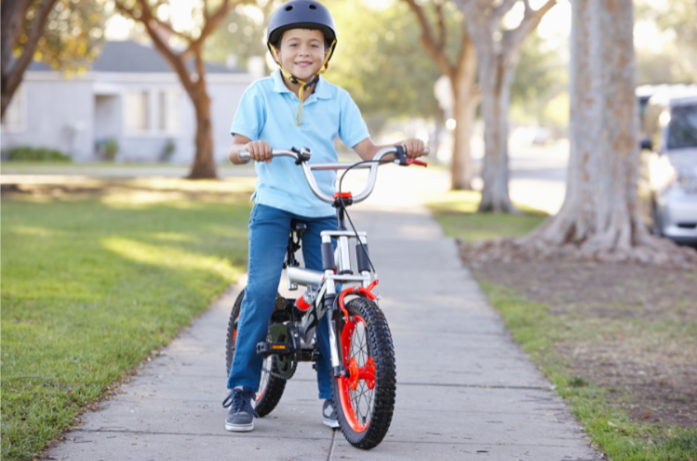
There’s something truly magical about watching your child ride their very first kids cycle. That tiny smile, the excited giggles, and the proud little “Look, Mama!” moments become memories we carry forever. As moms, we don’t just buy a bicycle for our children, we choose freedom, confidence, outdoor joy, and childhood adventures wrapped into two little wheels.
At Little One Haven, we know how important it is to find a cycle that feels safe, comfortable, and fun for your child. Whether you’re searching for a colorful first ride for your toddler or a sturdy bike for your growing child, this guide will help you choose with confidence and love.
Why Every Child Benefits from a Kids Cycle
Children today spend so much time indoors with screens and gadgets. A good kids bicycle encourages them to step outside, explore nature, and enjoy active play again.
Cycling is not only fun, it supports healthy physical and emotional development too. Riding helps improve balance, coordination, muscle strength, and confidence. It also teaches children patience and independence in such a natural way.
One of the sweetest things about a children cycle is how it creates bonding moments. Evening rides with parents, weekend park adventures, and cheering them on during practice become beautiful family memories.
And honestly, seeing your little one proudly pedal on their own for the first time is a moment no parent forgets.
How to Choose the Best Kids Cycle for Your Child
Every child is different, and the best cycle for kids depends on their age, height, confidence level, and riding experience. As moms, we often feel overwhelmed seeing so many options online and in stores, but focusing on a few important things can make the choice much easier.
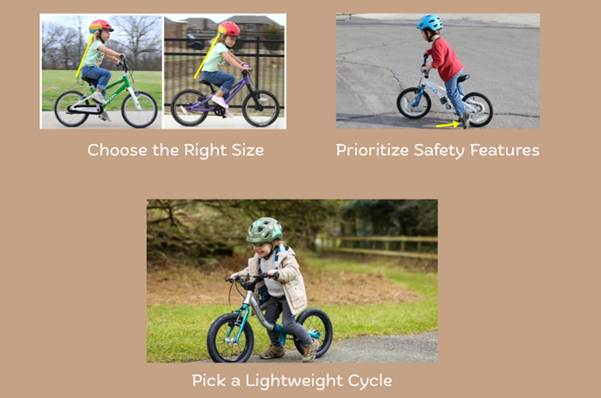
1. Choose the Right Size
The size of the cycle matters more than anything else. A bicycle that’s too big can feel scary and difficult to control, while one that’s too small may become uncomfortable very quickly. A properly fitted cycle helps children feel safe, balanced, and confident while learning.
Your child should be able to:
- Sit comfortably on the seat without feeling stretched
- Touch the ground easily with their feet
- Reach the handlebars naturally and comfortably
- Pedal smoothly without struggling or overreaching
- Get on and off the cycle without help
- Feel balanced and secure while stopping
When a cycle fits properly, children enjoy riding more and learn with much greater confidence. Sometimes the smallest comfort details make the biggest difference in helping little riders feel happy and safe.
2. Prioritize Safety Features
When choosing safe bicycles for children, safety should always come before colors, cartoon designs, or fancy features. As parents, we all want our little ones to enjoy riding freely while still feeling protected and secure. A safe cycle gives children the confidence to explore, learn, and have fun without unnecessary risks.
Before buying a cycle, take a close look at the important safety details. Small features can make a very big difference in your child’s comfort and protection while riding.
Look for:
- Strong and sturdy frames that feel stable and durable
- Non-slip pedals to prevent tiny feet from slipping while riding
- Easy-to-use brakes that children can press comfortably
- Comfortable handlebars with a good grip for better control
- Chain guards to protect little fingers and clothes from getting caught
- Training wheels for beginners who are still learning balance
And of course, helmets are something I personally never compromise on, even for short rides near home. Children may not always understand safety yet, so it’s our job as parents to build those habits early. Knee and elbow pads can also provide extra reassurance, especially for younger riders who are still learning and may fall occasionally.
3. Pick a Lightweight Cycle
Many parents overlook this, but a lightweight cycle makes riding much easier and more comfortable for children. Heavy bikes can feel difficult to control, especially for beginners who are still learning balance and coordination.
A lighter kids riding cycle helps children:
- Balance more easily while learning
- Turn and steer comfortably
- Ride with better confidence
- Stop safely without struggling
- Enjoy riding longer without getting tired
If a cycle feels too heavy, children may become frustrated or lose interest quickly. A lightweight bike makes the learning experience smoother, safer, and much more enjoyable for little riders.
Best Types of Kids Bicycle by Age
Different children need different types of cycles depending on their age, confidence, and riding ability. Choosing the right bicycle for your child’s stage makes riding safer, easier, and much more enjoyable. A cycle that feels comfortable and age-appropriate helps children learn with confidence instead of fear.
Cycle for Toddlers (2–4 Years)
A cycle for toddlers should focus mainly on comfort, balance, and stability. At this age, children are still developing coordination, so simple and easy-to-handle options work best.
Balance bikes and small tricycles are wonderful choices for toddlers because they help little ones learn balance naturally before moving to pedal bikes later on.
Look for:
- Wide wheels for better stability
- Adjustable seats that grow with your child
- Lightweight frames that are easy to move
- Soft grips for tiny little hands
Toddlers learn through fun and play, so colorful designs, bells, and playful themes can make riding even more exciting for them. The goal at this age is not perfect riding, it’s helping them feel happy, safe, and comfortable outdoors.
Kids Bike for Beginners (4–7 Years)
This is usually the age when children begin learning to pedal independently. A good kids bike for beginners should feel easy, encouraging, and confidence-building rather than too heavy or difficult to control.
Training wheels can help some children in the beginning, but patient guidance and regular practice are often what truly build confidence over time.
Some gentle tips for teaching beginners:
- Practice in open and quiet spaces
- Avoid crowded or busy roads
- Celebrate small achievements proudly
- Stay patient and never compare children
Every child learns differently. Some may ride confidently within a day, while others may need a little more time and reassurance. And honestly, that’s completely okay. Learning should feel positive, not stressful.
Cycles for Older Kids (7+ Years)
As children grow older, they often want bicycles that feel more adventurous and “grown-up.” At this stage, comfort, durability, and style become more important to them.
Older kids may enjoy:
- Gear cycles for smoother riding
- Sporty and stylish designs
- Mountain-style bicycles for adventure
- Adventure-themed bikes with fun features
Encouraging cycling at this age helps children stay physically active, confident, and emotionally refreshed. It also gives them a healthy reason to spend more time outdoors instead of indoors with screens.
Sometimes a simple evening ride can do wonders for a child’s mood, energy, and confidence.
Emotional Benefits of Riding a Cycle
As parents, we often think about the physical benefits of cycling like exercise, balance, and fitness. But honestly, some of the most beautiful benefits happen emotionally. Learning to ride a cycle helps children grow in confidence and believe in themselves little by little.
A child who learns to ride often develops:
- Confidence in trying new things
- Independence and self-trust
- Problem-solving skills
- Patience while learning
- Resilience after small falls or mistakes
Every little wobble teaches balance.
Every small fall teaches courage.
And every successful ride builds self-belief in a child’s heart.
Sometimes children feel nervous in the beginning. They may worry about falling, losing balance, or getting hurt. During those moments, gentle encouragement from parents matters more than perfect teaching techniques.
A calm smile, holding their hand for a few extra minutes, or simply saying, “You’re doing amazing” can make a child feel safe enough to keep trying.
And when they finally ride on their own for the first time, the happiness and pride on their face becomes one of those parenting moments you never forget.
Creating Safe Riding Habits Early
The safety habits children learn early often stay with them for life. That’s why it’s so important to teach simple riding rules from the very beginning. These small habits not only protect children but also help them become more confident and responsible riders as they grow.
Here are a few simple safety practices we personally follow in our family:
Always Wear a Helmet
Helmets are something we never skip, even for short rides near home. Children naturally copy what they see, so when parents wear helmets too, it quietly teaches them that safety is important for everyone.
Choose a properly fitted helmet that sits level on your child’s head and make sure the chin strap is snug but comfortable before every ride. A well-fitted helmet offers the best protection if your child falls.
At first, some kids may not like wearing one, but with consistency, it soon becomes part of their normal routine, just like putting on shoes before going outside.
Ride in Safe Areas
For beginners, calm and open spaces make learning much easier and less stressful. Parks, quiet sidewalks, empty playgrounds, or open parking areas are usually the safest places to practice.
Busy roads, uneven surfaces, and crowded areas can feel overwhelming for little riders who are still learning balance and control. Giving children a peaceful space to practice helps them build confidence naturally.
Teach Hand Signals and Road Awareness
As children grow older, it’s helpful to slowly introduce basic road safety habits. These lessons don’t need to feel strict or scary, simple reminders during rides are often enough.
Older kids should gradually learn:
- Looking both ways before crossing
- Stopping carefully and safely
- Watching for people, cars, and obstacles
- Using simple hand signals while turning
Teaching these habits early helps children become more aware, careful, and responsible riders over time. And honestly, these little lessons stay with them far beyond childhood too.
Fun Ways to Make Cycling Exciting for Kids
Sometimes children lose interest if riding starts feeling repetitive or routine. The easiest way to keep them excited is to make cycling feel playful, adventurous, and full of little happy moments. When riding feels fun instead of forced, children naturally want to spend more time outdoors.
Here are a few simple ideas that can make cycling extra special for kids:
Create Mini Adventures
Children love turning ordinary things into exciting adventures. Even a simple evening ride around the neighborhood can feel magical when you explore together.
Visit a new park, ride through nature trails, or let your child choose a different path once in a while. Kids absolutely love discovering little “secret paths,” spotting birds, flowers, or tiny outdoor surprises along the way.
Sometimes the smallest adventures become the biggest childhood memories.
Add Fun Creativity Exercises for Kids
Cycling can also become part of imaginative and creative play. Combining movement with creativity keeps children mentally engaged while making outdoor time even more enjoyable.
You can try:
- Nature scavenger hunts during rides
- Drawing flowers or leaves afterward
- Simple storytelling breaks in the park
- Counting games while riding together
These little fun creativity exercises for kids help children use both their imagination and energy in a healthy, joyful way.
Celebrate Progress
One of the biggest motivators for children is feeling noticed and encouraged by their parents. Small achievements may seem tiny to adults, but they feel huge to children.
Celebrate moments like:
- Their first independent ride
- Learning how to use brakes properly
- Riding a little farther than before
- Improving balance and confidence
A cheerful clap, a warm hug, or saying “I’m so proud of you” can mean everything to a child. Encouragement helps children enjoy the learning process and builds confidence far beyond cycling too.
Common Mistakes Parents Make When Buying a Kids Cycle
As parents, we all want to make the best choices for our children. But honestly, when buying a cycle, it’s easy to make small mistakes, especially with so many options available today. The good news is that most of these mistakes are completely avoidable once we know what truly matters for our child’s comfort and confidence.
Here are a few common things many parents experience while choosing a kids cycle:
Buying a Bigger Cycle “To Grow Into”
This is probably one of the most common mistakes parents make. We naturally think buying a slightly bigger cycle will save money and last longer. But for children, an oversized bike can actually feel difficult, uncomfortable, and even unsafe.
A large cycle is harder to balance, steer, and stop properly. Instead of feeling excited, children may become nervous or lose confidence while learning.
It’s always better to choose the right size for your child’s current height and comfort rather than future growth. A properly fitted cycle makes learning smoother, safer, and much more enjoyable.
Focusing Only on Looks
Of course, colorful designs, cartoon characters, and stylish themes attract both kids and parents. And honestly, seeing your child excited about a beautiful bicycle feels wonderful too.
But comfort and safety should always matter more than appearance. A stylish cycle that feels too heavy or uncomfortable often ends up unused after a few days.
Before choosing based on looks alone, make sure the bike feels easy, safe, and comfortable for your child to ride confidently.
Ignoring Child Preference
Whenever possible, involve your child in the process of choosing their bicycle. Children feel much more emotionally connected to something they helped pick themselves.
Even small choices can make them feel excited and proud, such as:
- Picking the color
- Choosing a bell or basket
- Selecting their favorite design
When children feel included, they naturally become more enthusiastic about riding and spending time outdoors.
Encouraging Outdoor Play in a Digital World
Modern parenting can feel challenging sometimes. Screens, mobile games, and indoor entertainment are everywhere, and many children naturally spend less time playing outside than previous generations did.
A cycle is a wonderful way to encourage outdoor movement, but it does not have to be the only option. On days when cycling is not possible, these simple screen-free activities can help children stay active, curious, and happily engaged away from gadgets.
But outdoor movement is so important for a child’s physical health, emotional well-being, and overall development.
A cycle is truly one of the best kids outdoor riding toys because it combines so many healthy benefits together:
- Physical exercise
- Independence and freedom
- Fresh air and outdoor exploration
- Adventure and curiosity
- Confidence-building through learning
Simple outdoor routines can make a huge difference in a child’s daily life. You don’t need strict schedules or perfect planning.
Even small habits help, like:
- Evening family rides together
- Weekend cycling time at the park
- Riding with neighborhood friends
- Short outdoor rides after school
At the end of the day, children don’t need perfect routines or expensive activities. They simply need opportunities to move, explore, laugh, and enjoy the simple joys of childhood.
How Parents Can Support Nervous Riders
Every child learns differently. Some children hop onto a cycle with excitement right away, while others may feel nervous, hesitant, or scared in the beginning. And honestly, that’s completely normal. Learning something new can feel overwhelming for little ones, especially when balance and falling are involved.
If your child feels anxious while learning to ride, gentle support matters more than rushing the process.
Here are a few simple ways parents can help nervous riders feel more comfortable:
- Stay patient and calm during practice
- Avoid putting pressure on them to learn quickly
- Keep practice sessions short and relaxed
- Encourage effort without criticizing mistakes
- Focus on fun and confidence instead of perfection
Many children need emotional reassurance before physical confidence develops. Sometimes just knowing that Mom or Dad is nearby makes them feel brave enough to try again.
You don’t always need constant instructions or corrections. In fact, sitting nearby with a smile, clapping for small efforts, or simply saying “You’re doing great” can be far more encouraging.
And most importantly, remember that small falls are part of learning. Tiny scratches, little wobbles, and shaky starts happen to almost every child. What children remember most is not the fall itself, but the loving support they received while getting back up again.
Why Cycling Creates Beautiful Childhood Memories
A kids cycle is more than just a way to play outdoors. It gives children the chance to build confidence, enjoy active adventures, and create meaningful family moments along the way. Whether it’s their first successful ride without help or a simple evening ride with loved ones, these experiences often become some of childhood’s happiest memories. By choosing a cycle that fits well and encouraging your child with patience, you’re giving them much more than a bicycle, you’re giving them the confidence to explore, learn, and enjoy the world around them.
Final Thoughts
Choosing the right bicycle for your child isn’t about buying the fanciest model or the most expensive brand. It’s about finding something safe, comfortable, joyful, and confidence-building for your little one.
Every child deserves the chance to feel the wind on their face, the excitement of movement, and the pride of learning something new. Whether you’re buying a first cycle for toddlers or upgrading to a bigger ride for your growing child, trust your instincts as a parent.
You know your child best.
Take your time, focus on safety, encourage gently, and make the learning process full of warmth and patience. Childhood passes quickly, but these simple riding moments often stay in our hearts forever.Top of Form
If you’re looking for more parenting tips, kids activity ideas, and thoughtful guides for raising happy little explorers, visit Little One Haven and become part of our warm parenting community.
Resources
- National Highway Traffic Safety Administration (NHTSA) – Bicycle Safety
- National Institutes of Health (PMC) – Systematic Review on Children’s Cycling and Bicycle Safety
Bottom of Form