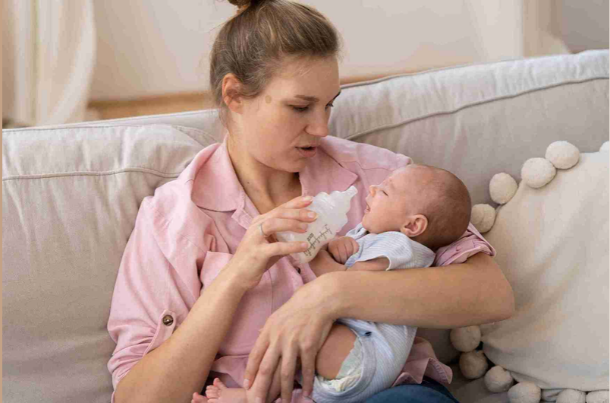
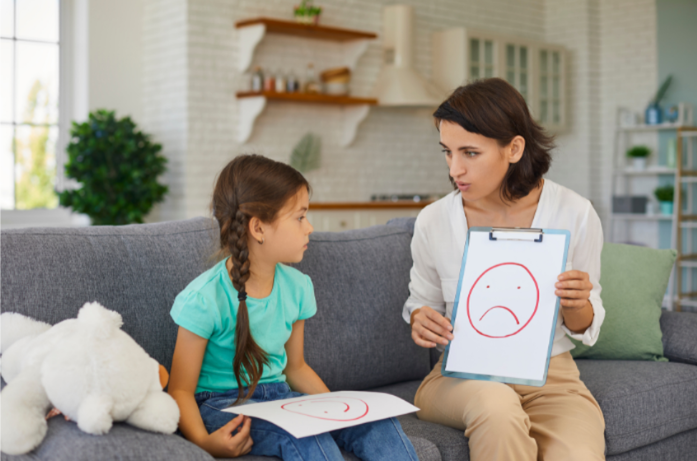
Signs of Anxiety in Kids can sometimes be difficult for parents to recognize because they often appear through everyday behaviors rather than obvious fear. There’s something deeply emotional about watching your child struggle with feelings they don’t fully understand yet.
Sometimes anxiety in young children doesn’t look the way parents expect. It may not appear as obvious fear or panic. Instead, it can quietly show up through clinginess, tantrums, sleep struggles, tummy aches, or sudden emotional meltdowns that seem to happen out of nowhere.
Many young children cannot explain what they’re feeling inside. They may not have the words to say, “I feel overwhelmed,” or “I’m worried.” So their emotions often come out through behavior instead.
If you’ve been wondering whether your child is simply going through a phase or showing signs of something deeper, you are not alone. Many loving parents begin noticing small emotional changes before realizing anxiety may be involved.
The good news is that children can learn to feel safe, supported, and emotionally secure with gentle guidance and understanding. And often, the first step is simply recognizing what anxiety looks like in children before those feelings grow bigger.
Understanding Anxiety in Young Children
Some anxiety symptoms in toddlers may appear through clinginess, sleep struggles, emotional meltdowns, or difficulty separating from parents.
All children experience fears and worries from time to time. A toddler may cry when separating from a parent. A preschooler may suddenly fear the dark or feel nervous around new people. These moments are often completely normal parts of childhood development.
But anxiety in young children becomes more concerning when those worries begin affecting daily life. You may notice changes in sleep, eating, emotional regulation, social interaction, or school routines. Some children may become unusually sensitive, reactive, or emotionally overwhelmed. Others become quiet and withdrawn.
One of the hardest parts about emotional anxiety in children is that it often hides beneath behaviors adults don’t immediately connect to anxiety.
A child may refuse school every morning.
Another may become angry over very small frustrations.
Some children ask for reassurance constantly.
Others cling tightly to parents and struggle to separate even for short periods.
Underneath those behaviors is often a child whose nervous system feels overwhelmed.
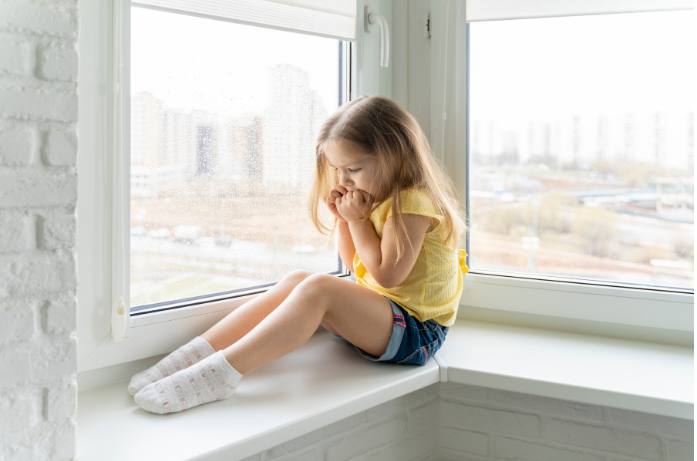
What Anxiety Looks Like in Children
Many child anxiety behaviors are easy to misunderstand at first because anxiety often appears through emotions and behavior instead of words.
Every child experiences anxiety differently, which is why it can sometimes be difficult to recognize.
Some children cry easily and become extra emotional. Others try to control everything around them because uncertainty feels scary. Some become perfectionists, while others avoid new experiences completely.
What anxiety looks like in children is not always obvious from the outside. In fact, many anxious children appear “well-behaved” because they work very hard to avoid mistakes or conflict.
Parents often expect anxiety to look like fear, but it can also look like irritability, anger, sensitivity, or emotional shutdown.
A child who constantly says “What if?” may be struggling with anxious thoughts.
A child who melts down after school may have spent the entire day emotionally overwhelmed.
A child who refuses bedtime may not simply be stalling, they may genuinely feel unsafe being alone with their thoughts at night.
When parents begin looking beneath behavior instead of only reacting to it, they often discover emotions their child has been silently carrying for a long time.
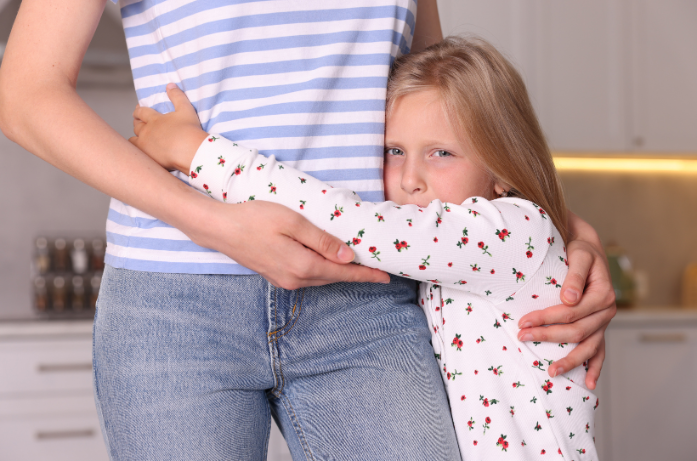
Common Signs of Anxiety in Kids
One of the most common childhood anxiety symptoms is physical discomfort. Many children experience anxiety in their bodies before they understand it emotionally. This is why anxious children frequently complain about stomachaches, headaches, nausea, or feeling “sick,” especially before school, social activities, or separation from parents.
Sleep struggles are also very common. An anxious child’s mind often stays alert even when they are exhausted. Some children have difficulty falling asleep, while others wake frequently during the night or become fearful at bedtime. Nightmares and fear of sleeping alone may also appear.
Another common sign is emotional overreaction. Small disappointments may suddenly feel enormous to a child already carrying emotional stress internally. You may notice crying over tiny changes, frustration that escalates quickly, or emotional meltdowns that seem bigger than the situation itself.
Avoidance is another important anxiety warning sign in kids. Some children begin avoiding situations that make them feel uncertain or uncomfortable. This may include social events, school, sports, birthday parties, or even simple daily activities.
Clinginess can also become more intense. While some separation anxiety is developmentally normal, persistent panic around separation may signal deeper emotional distress. A child may follow a parent everywhere, become highly distressed during drop-offs, or constantly ask when a parent is coming back.
Childhood Anxiety Symptoms Parents Often Miss
Not all anxiety is loud.
Some children quietly carry their worries inside while appearing calm on the outside. These children are sometimes overlooked because they are not disruptive or emotionally explosive.
One subtle sign is constant reassurance-seeking. A child may repeatedly ask the same questions even after receiving answers. They may ask if things are safe, if you’ll return soon, or whether something bad might happen. Anxiety makes it difficult for children to fully feel reassured, even when they desperately want comfort.
Some anxious children also become unusually sensitive to noise, crowds, textures, or changes in routine. Their nervous systems may process stress more intensely, causing ordinary situations to feel emotionally overwhelming.
For example, a child who complains of a stomachache every school morning but feels better on weekends may be experiencing anxiety rather than a physical illness. Similarly, a toddler who suddenly refuses daycare after previously enjoying it may be reacting to emotional stress or changes in routine.
Irritability is another commonly missed symptom. Many parents don’t realize anxiety can look like anger. An overwhelmed child may snap quickly, argue more often, or react strongly to transitions because their emotional capacity already feels overloaded.
Perfectionism can also be connected to anxiety. Some children fear making mistakes so deeply that they avoid trying new things altogether. Others become extremely upset when things don’t go exactly as planned.
Why Anxiety Happens in Young Children
There is rarely one single reason anxiety develops.
Mental health in young children is influenced by personality, environment, life experiences, and emotional sensitivity. Some children are naturally more cautious or emotionally intense than others from the very beginning.
Big life changes can also contribute to anxiety. Starting school, moving homes, family stress, new siblings, illness, changes in routine, or emotionally overwhelming experiences may all affect how safe a child feels internally.
Sometimes anxiety develops even in loving, stable homes where parents are doing their very best.
That’s important to remember.
Some children simply experience the world more deeply, more cautiously, or more emotionally than others.
How to Help Anxious Children Feel More Secure
One of the most powerful things parents can do is stay emotionally calm during difficult moments.
When children feel anxious, they borrow regulation from the adults around them. If a parent immediately reacts with panic, frustration, or dismissal, the child’s nervous system often becomes even more overwhelmed.
Children don’t need perfect responses.
They need steady ones.
Simple phrases like:
“I’m here with you.”
“You’re safe.”
“I know this feels hard right now.”
can help children feel emotionally supported instead of alone inside their fear.
Predictable routines also help anxious children feel safer. Young children feel calmer when life feels somewhat consistent and familiar. Small daily rhythms around meals, bedtime, school mornings, and reconnecting after separation can create emotional stability.
It’s also important to help children name emotions gently. Many children experience anxiety without understanding what they’re feeling. When parents calmly identify emotions, children slowly learn emotional awareness.
You might say:
“It seems like your body feels nervous today.”
“Sometimes our feelings feel big inside.”
“It’s okay to feel worried sometimes.”
These simple conversations teach children that emotions are normal and manageable.
Supporting Emotional Anxiety in Children Without Dismissing Their Feelings
Parents naturally want to make fear disappear quickly. But telling a child “There’s nothing to worry about” can sometimes make them feel misunderstood instead of comforted.
Even if the fear seems small to an adult, it feels very real to a child.
Validation matters deeply.
Children calm down faster when they feel emotionally safe, heard, and accepted.
That does not mean agreeing with every fear. It means acknowledging the feeling underneath it.
Instead of:
“You’re fine.”
Try:
“I know this feels scary right now.”
“We’ll handle it together.”
That emotional connection helps children build resilience over time.
What to Avoid When Supporting an Anxious Child
While every child is different, a few responses can unintentionally make anxiety feel even bigger. Try to avoid:
- Dismissing your child’s fears by saying, “There’s nothing to worry about.”
- Forcing them into situations that feel overwhelming before they’re ready.
- Labeling them as “dramatic,” “too sensitive,” or “shy.”
- Comparing them with siblings or other children, as this may increase feelings of worry or self-doubt.
Instead, focus on listening, validating their emotions, and offering calm reassurance while helping them build confidence gradually.
“Anxious children still need gentle and consistent boundaries, but correction should never make them feel frightened or ashamed. Our guide on how to discipline a child without shouting shares calm ways to guide difficult behavior while helping your child feel safe, respected, and understood.”
When Extra Support May Help
Sometimes anxiety becomes strong enough that professional support can make a meaningful difference.
If anxiety begins affecting your child’s daily functioning, relationships, sleep, eating habits, or ability to participate in normal activities, it may help to speak with a pediatrician or child therapist.
In fact, learning how to help anxious children early can prevent those fears from growing more intense later on.
Children deserve emotional support just as much as physical support. And seeking help is a loving, proactive step, not a parenting failure.
FAQs
1. What are common signs of anxiety in young children?
Clinginess, sleep problems, tummy aches, emotional meltdowns, excessive worrying, irritability, and school refusal are common signs of anxiety in young children.
2. What does anxiety look like in children?
Anxiety in children can appear through crying, anger, perfectionism, avoidance, reassurance-seeking, emotional sensitivity, or physical complaints like stomachaches.
3. Can toddlers experience anxiety?
Yes, toddlers can experience anxiety, especially during big life changes, separation, unfamiliar situations, or emotionally overwhelming experiences.
4. How can parents help anxious children?
Parents can help anxious children by staying calm, validating feelings, creating predictable routines, offering reassurance, and teaching emotional awareness gently.
5. When should I worry about childhood anxiety?
If anxiety begins affecting sleep, eating, school, relationships, or daily functioning consistently, it may help to speak with a pediatrician or child therapist.
Final Thoughts
If you’ve been noticing signs of anxiety in kids lately, please remember this: noticing your child’s emotional struggles does not mean you are doing something wrong.
In many ways, it means you are paying close attention with love.
Children communicate through behavior long before they can fully explain emotions with words. Sometimes the tears, clinginess, irritability, sleep struggles, or emotional outbursts are not simply “bad behavior.” Sometimes they are signs of a child asking for comfort, safety, and reassurance in the only way they know how.
And while childhood anxiety symptoms can feel overwhelming for parents at times, children are incredibly capable of healing and growing when they feel emotionally supported.
So if your child feels extra sensitive lately, pause before assuming they are being difficult.
There may be something tender happening underneath the behavior.
And sometimes, the most powerful thing a child can hear is this:
“You don’t have to carry these feelings alone.”
For more gentle guidance on toddler emotions, behavior, development, and everyday parenting challenges, explore our toddler parenting resources created to support you through each stage with confidence and care.
Resources