
Pregnancy headaches can make an already tiring day feel longer. Sometimes the pain follows a missed meal, a restless night, or a morning when nausea made it difficult to drink enough water. If your headache is mild and you otherwise feel well, a drink, a snack, and a quiet break may be reasonable first steps.
Call your maternity team or seek urgent medical advice right away if your headache is severe, getting worse, or won’t go away. Blurred vision, flashing lights, pain just below your ribs, or sudden swelling of your face or hands also need urgent assessment. You don’t need to have all these symptoms before calling.
Call local emergency services immediately if the headache starts suddenly and is extremely painful, or if it comes with weakness, confusion, or trouble speaking. Tell the emergency team that you’re pregnant or have recently given birth.
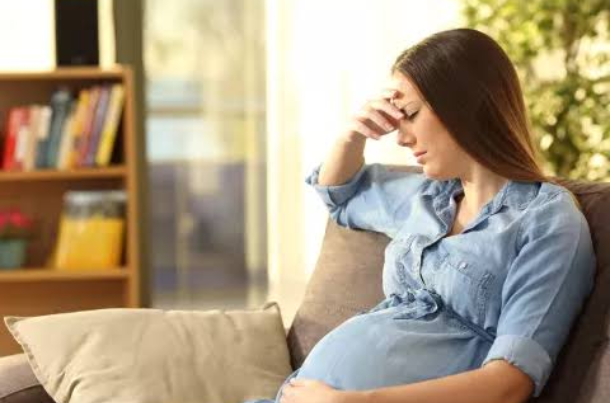
What Causes Headaches During Pregnancy?
More than one thing can contribute to a headache on the same day. If morning sickness made breakfast difficult and you barely slept, for example, it may be hard to pinpoint a single trigger.
- Hormonal changes. Headaches are common in early pregnancy and may ease as pregnancy progresses.
- Dehydration or missed meals. Nausea can make it harder to drink enough or eat at your usual times.
- Poor sleep or stress. A restless night or a tense day may make a headache more likely.
- Migraine. Migraine can cause throbbing pain, nausea, and sensitivity to light or sound. If you already get migraines, tell your maternity clinician if the pattern changes or your usual treatment no longer helps.
A possible trigger gives you something useful to mention. Even if you’ve missed a meal or slept badly, a severe or unusual headache still deserves medical attention.
Are Headaches in Early Pregnancy Common?
Mild headaches can happen in the first trimester. If nausea has disrupted your routine, keep water within reach and try small, regular meals or snacks you can tolerate.
You can ask for help if nausea or vomiting makes it difficult to keep fluids down. A severe, worsening, or persistent headache needs prompt assessment at any stage of pregnancy.
If you’ve also noticed lightheadedness, our guide to dizziness during pregnancy covers common triggers, including missed meals and not drinking enough water.
How to Relieve a Mild Headache During Pregnancy
If your headache is mild, you otherwise feel well, and you have no warning signs, try a few simple steps:
- Sip water. If a full glass feels like too much, take small sips.
- Have something to eat. If it’s been a while since your last meal, try a snack you can comfortably tolerate.
- Rest somewhere quiet. Dim the lights or step away from your screen if light makes the pain worse.
- Try a cool cloth. Place it on your forehead while you rest if it feels soothing.
If mild headaches keep returning, make a brief note of when they start, how long they last, and whether you notice nausea or sensitivity to light. Mention what you’ve taken and whether it helped. These details can help your clinician understand the pattern. If the pain is severe, worsening, or won’t ease, call right away instead of spending more time tracking it.
Can You Take Medicine for a Pregnancy Headache?
Acetaminophen, also called paracetamol, is generally the first-choice pain reliever for headaches during pregnancy. Ask your maternity clinician or pharmacist whether it’s suitable for you, what dose to take, and how long to use it. Check cold, flu, and combination headache products for acetaminophen so you don’t accidentally take it from more than one product.
Check with your clinician before taking ibuprofen, naproxen, or other nonsteroidal anti-inflammatory drugs (NSAIDs) during pregnancy. The FDA advises avoiding these medicines from 20 weeks onward unless a healthcare professional specifically recommends them. If you’ve been prescribed low-dose aspirin, continue following your prescriber’s instructions and ask before making changes.
If you already take migraine medicine, ask your clinician to review your treatment plan. A medicine you used before pregnancy may need a different plan now.
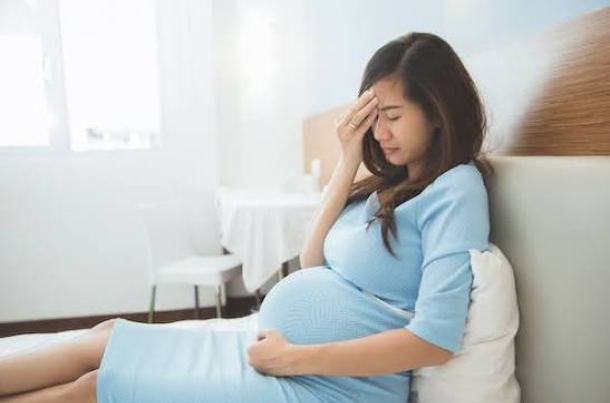
When to Get Help for a Headache During Pregnancy
Call your midwife, obstetrician, or maternity unit right away if your headache is severe, keeps getting worse, or won’t go away. Get urgent medical advice if you notice any of the following, especially in the second half of pregnancy:
- Blurred vision, flashing lights, or spots in your vision
- Pain in your upper abdomen or just below your ribs
- Sudden swelling of your face or hands
- New vomiting or feeling very unwell alongside a bad headache
These symptoms can occur with preeclampsia, a serious condition that usually develops after 20 weeks of pregnancy. It can also develop in the days or weeks after birth. Your care team can check your blood pressure and decide whether you need urine tests or further assessment.
Call local emergency services immediately for a sudden, extremely painful headache or a headache with weakness, confusion, difficulty speaking, or a seizure. Tell them if you’re pregnant or when you gave birth.
Frequently Asked Questions
1. Does a headache after 20 weeks mean I have preeclampsia?
2. What if my headache feels different from my usual migraine?
3. What should I tell my maternity team when I call?
4. Can not drinking enough water trigger a headache?
5. Can a missed meal contribute to a headache?
6. Can I use a cool cloth for relief?
7. Can I take ibuprofen for a pregnancy headache?
8. Should I stop my prescribed low-dose aspirin if I get a headache?
9. Can preeclampsia happen after the baby is born?
10. What if I keep getting mild headaches?
Final Thoughts
If a mild headache follows a long morning without much food or water and you otherwise feel well, start with a snack, a drink, and a quiet break. If the pain is severe, keeps building, or won’t ease, call your maternity team right away. You can simply say, “I’m pregnant, and this headache isn’t going away.”
If the pain starts suddenly and is extremely intense, or you develop weakness, confusion, or trouble speaking, call local emergency services immediately. You don’t have to know what’s causing the headache before asking for help.
Resources
- NHS: Headaches in Pregnancy
- NHS: Headaches and When to Get Emergency Help
- FDA (.gov): Avoiding NSAIDs in Pregnancy at 20 Weeks or Later
Disclaimer
This article is for general educational information about headaches during pregnancy and does not replace individualized medical or maternity advice. Contact your midwife, obstetrician, maternity unit, or another qualified healthcare professional promptly if a headache is severe, worsening, persistent, or unusual for you. Vision changes, pain below the ribs or in the upper abdomen, sudden swelling of the face or hands, or feeling very unwell with a headache need urgent assessment, particularly after 20 weeks of pregnancy or after birth. Call local emergency services for a sudden extremely painful headache, weakness, confusion, difficulty speaking, a seizure, or another serious neurological symptom. Ask a healthcare professional before starting, stopping, or changing pain medicines during pregnancy, including NSAIDs or prescribed low-dose aspirin.