
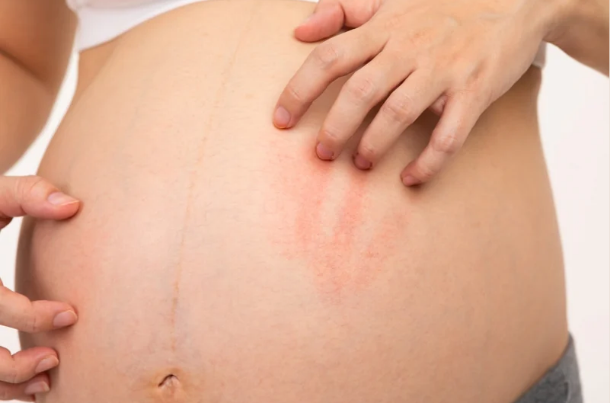
An itchy belly during pregnancy can be surprisingly distracting. You finally get comfortable on the sofa or settle into bed after a long day, and suddenly you cannot stop rubbing your bump.
Sometimes dryness, irritation, or changes in your growing skin explain the discomfort. However, pregnancy itching deserves attention, especially when it persists or affects your sleep.
Contact your maternity team urgently if the itching is severe, worse at night, or affects your palms or the soles of your feet. You do not need to have a rash for the itching to need assessment.
For milder symptoms, gentle skin care may help while you discuss the itching with your midwife or doctor. You deserve relief without having to work out the cause yourself.
Why Does Your Belly Itch During Pregnancy?
There are several possible explanations for an itchy bump. Where the itching happens, whether there is a rash, and how symptoms change can help your healthcare professional identify the cause.
Your Growing Skin and Hormonal Changes
As your belly grows, your skin stretches. Hormonal changes can also contribute to itching during pregnancy.
You may notice a tight or uncomfortable feeling across your bump, particularly as clothing becomes snug. However, it is important not to assume every itch is simply stretching skin.
If the itching keeps returning, spreads, or becomes stronger, tell your maternity team. The way it feels and changes matters more than whether someone else experienced something similar.
Dryness or Product Irritation
Dry skin can feel rough, tight, and itchy. Products you previously enjoyed may also begin irritating your skin.
Think about anything touching your belly: a fragranced body oil, laundry product, scratchy fabric, or tight waistband. If symptoms began after a new product, stop using it and mention the timing when asking for advice.
Choose a simple, fragrance-free moisturizer and comfortable clothing. You do not need to replace your entire routine or try several new products at once.
Keeping things simple can make it easier to notice what helps—and what makes the irritation worse.
Eczema or Another Existing Skin Condition
Eczema can worsen during pregnancy. You might notice dry patches, irritation, or a rash elsewhere as well as on your belly.
However, having eczema does not mean every new itch should automatically be attributed to it. A familiar condition and a new pregnancy-related problem can occur together.
Tell your healthcare professional what has changed and check whether your usual treatments remain appropriate. Do not stop a prescribed treatment or replace it with a home remedy without discussing your concerns.
A Pregnancy-Related Rash
A visible rash gives your clinician useful information, but its appearance alone may not establish the diagnosis.
One pregnancy-related condition is polymorphic eruption of pregnancy, also called PEP or PUPPP. It commonly begins on the abdomen, often within stretch marks, during the third trimester.
Other conditions can cause similar-looking symptoms and may need different care. Avoid diagnosing a rash from online photographs.
Tell your clinician if the rash is spreading, painful, blistering, or accompanied by feeling unwell. A new widespread rash during pregnancy also deserves prompt advice.
What Is Intrahepatic Cholestasis of Pregnancy?
Intrahepatic cholestasis of pregnancy, usually shortened to ICP, is a pregnancy-related liver condition.
It typically causes itching without a rash that explains the itch. Scratching can still leave marks or broken skin, so the skin may not look completely unchanged.
The itching can occur on different parts of the body, including the palms and soles, and often becomes worse at night. It usually starts later in pregnancy but can begin earlier.
An itchy belly does not automatically mean ICP. However, concerning symptoms need assessment because ICP can affect pregnancy care and the plan for birth.
Do not wait for itching to spread to your hands or feet before calling about severe or nighttime symptoms.
What If Your First Blood Tests Are Normal?
Your maternity team may arrange blood tests to check liver function and measure bile acids.
Itching can begin before these results become abnormal. If symptoms persist and another explanation has not been found, your team may recommend repeating the tests.
A normal first result is useful information, but it does not explain every later change. Contact the team again if itching continues or worsens, and ask when you should be reviewed.
You can say:
“My first blood tests were normal, but I am still itching, especially at night. What should the follow-up plan be?”
There is no need to wait indefinitely or decide for yourself whether repeat testing is necessary.
Gentle Ways to Soothe an Itchy Pregnancy Belly
These measures may help dry or irritated skin feel more comfortable. Use them alongside appropriate advice, and do not let them delay a call about warning signs.
1. Use a Simple, Fragrance-Free Moisturizer
Choose an unperfumed moisturizer or emollient rather than a heavily scented belly product.
Follow the instructions and stop if it causes stinging, redness, or worsening irritation. A pharmacist can help you choose a suitable option during pregnancy.
The goal is comfortable skin. An expensive product or an elaborate routine is unnecessary.
Even if moisturizing helps, tell your maternity team about persistent or concerning itching. Temporary relief does not establish the cause.
2. Keep Showers Short and Lukewarm
A hot shower may feel soothing briefly but can leave irritated skin feeling worse afterward.
Try shorter, comfortably warm showers. Avoid vigorous scrubbing and pat your skin dry gently.
You do not need to exfoliate an itchy belly or remove dry patches by rubbing them. Gentle care gives irritated skin a chance to settle.
3. Try a Cool, Damp Cloth
A clean, cool cloth held gently against the itchy area may provide temporary relief.
Avoid rubbing it back and forth or placing ice directly on your skin. Remove it if it becomes uncomfortable.
This can be a simple comfort measure while you arrange advice, particularly when the urge to scratch becomes distracting.
4. Choose Clothing That Does Not Rub
A soft, loose top may feel better than a tight waistband or textured fabric.
Check where seams and elastic sit against your bump. If an outfit repeatedly leaves the area uncomfortable, choose something different.
You do not need an entirely new maternity wardrobe. A familiar, loose cotton shirt may be enough to remove an additional source of irritation.
5. Reduce Damage From Scratching
“Do not scratch” is much easier to say than to follow when your skin is uncomfortable.
Try gently patting or tapping the area instead. Keep your nails short and smooth to reduce damage if you scratch without thinking.
Tell your clinician if the skin is breaking, bleeding, becoming increasingly sore, or showing signs of infection. You may need more support than home comfort measures can provide.
6. Keep Evening Care Simple
Change out of clothes that rub, keep the room comfortably cool, and use your chosen moisturizer as directed.
Have a cool cloth nearby rather than repeatedly experimenting with new products.
However, itching that becomes worse at night or keeps you awake needs urgent maternity advice, even if your belly is the main area affected.
You do not have to spend another night deciding whether the symptoms are important enough to mention. Call and let the maternity team assess them.
Can You Use Creams or Antihistamines During Pregnancy?
The right treatment depends on the cause.
Your clinician or pharmacist may recommend an emollient, a suitable topical steroid, or an antihistamine appropriate for pregnancy. These treatments have different purposes, and suitability depends on the product and your circumstances.
Before buying something, explain:
- That you are pregnant and how many weeks along you are.
- Where the itching occurs.
- Whether there is a rash.
- Whether symptoms worsen at night.
- Which medicines and creams you already use.
Avoid adding several remedies at once, particularly herbal mixtures or essential oils marketed as “natural.” Natural ingredients can still irritate skin, and pregnancy suitability needs checking.
If ICP is diagnosed, soothing the skin is only one part of care. Your maternity team will explain treatment, follow-up testing, and a pregnancy plan based on your results and individual circumstances.
Does an Itchy Belly Mean Stretch Marks Are Developing?
Itching does not reliably predict whether you will develop stretch marks.
Stretch marks are common as the body changes during pregnancy. Moisturizers can make dry skin more comfortable, but lotions and oils cannot reliably prevent the marks from forming.
You have not done anything wrong if stretch marks appear. They are not evidence that you failed to moisturize or chose the wrong cream.
Choose skin care for comfort rather than a promise that your body will look a particular way.
What to Tell Your Midwife or Doctor
A few details can make the conversation easier:
- When the itching began and how many weeks pregnant you are.
- Whether it affects only your belly or other areas.
- Whether there are bumps, blisters, a rash, or scratch marks.
- Whether it becomes worse at night or interrupts sleep.
- Any recent changes in products, clothing, or medicines.
- What you have tried and whether it helped.
- Whether you have already had blood tests and when.
For example:
“I’m 29 weeks pregnant. My belly has been itching for several days, and it is worse at night. Do I need an assessment?”
You do not need to identify the cause or collect photographs before calling. Describing your symptoms is enough.
If you have a rash that comes and goes, a photograph you already have may help, but do not delay advice to capture it.
When to Seek Medical Advice
Tell your midwife or doctor about new or persistent itching, particularly when it affects daily life or comes with a rash.
Contact your maternity team urgently if:
- The itching is severe or keeps you awake.
- It becomes worse at night.
- Your palms or the soles of your feet are itchy.
Also report yellowing of the skin or eyes, unusually dark urine, or pale stools promptly, as these can accompany liver problems.
A spreading or blistering rash, painful skin, or feeling unwell also needs prompt clinical advice.
If your baby moves less than usual, stops moving, or their usual movement pattern changes, contact your maternity unit immediately. Do not wait for the next appointment or assume the itching explains the change.
If you cannot reach your maternity team, use your local urgent-care service. For a medical emergency, such as breathing difficulty or swelling of the lips, mouth, or throat, call emergency services.
Frequently Asked Questions
1. Is an itchy belly common during pregnancy?
Yes, itching can occur during pregnancy, including from dryness, irritation, and changes in growing skin. However, persistent symptoms should be discussed with your healthcare professional. Severe itching, nighttime itching, or itchy palms and soles needs urgent advice.
2. Why does my pregnant belly itch?
Possible explanations include dryness, product irritation, stretching skin, eczema, and pregnancy-related conditions. Your clinician may examine your skin or arrange blood tests. The location alone cannot confirm the cause.
3. What can help soothe an itchy bump?
Try a fragrance-free moisturizer, loose clothing, a cool damp cloth, and shorter lukewarm showers. Ask before using medicated products. These measures should not delay assessment of concerning symptoms.
4. Should I call if the itching is worse at night?
Yes. Itching that worsens at night, particularly if it disturbs sleep, warrants urgent maternity advice. Do not assume it is only warm bedding or stretching skin.
5. What if my blood tests were normal but I am still itching?
Contact your maternity team again. Symptoms can appear before blood tests become abnormal, and persistent itching may need repeat testing. Ask for a clear follow-up plan.
6. Can ICP cause itching only on the belly?
ICP can cause itching in different areas. Palms and soles are important locations to report, but their absence does not rule it out. Severe or nighttime itching still needs assessment.
7. Does having a rash rule out ICP?
No. ICP does not usually cause a primary rash, but scratching can leave marks, and a separate skin condition may coexist. Tell your clinician about both the itching pattern and any visible changes.
8. Can I use my usual eczema cream?
Check with your clinician or pharmacist, especially if you are unsure about the product or your symptoms have changed. Tell them what you use, where you apply it, and how often. Do not assume a new itch is necessarily your usual eczema.
9. Will scratching my belly hurt my baby?
Scratching mainly risks damaging your own skin, causing soreness or increasing infection risk. The underlying cause of the itching still matters, so seek advice when symptoms persist or have warning signs.
10. Does moisturizing prevent stretch marks?
Moisturizing can relieve dryness, but it cannot reliably prevent stretch marks. Use a suitable product for comfort, and avoid feeling that marks appeared because you did not do enough.
Final Thoughts
An itchy bump can make an already tiring day feel longer. You deserve comfort and clear answers about what is causing it.
Keep skin care gentle, avoid products that irritate, and tell your maternity team when symptoms persist. If itching is severe, worse at night, or affects your palms or soles, seek urgent advice.
For today, choose one simple comfort measure and keep your maternity contact details nearby. If symptoms continue after a reassuring assessment, call again and ask about follow-up.
You do not have to put up with the discomfort or decide on your own whether it matters. Asking for help is a practical part of caring for yourself during pregnancy.
Resources
Royal College of Obstetricians and Gynaecologists: Intrahepatic Cholestasis of Pregnancy
American College of Obstetricians and Gynecologists: Skin Conditions During Pregnancy
British Association of Dermatologists: Polymorphic Eruption of Pregnancy