
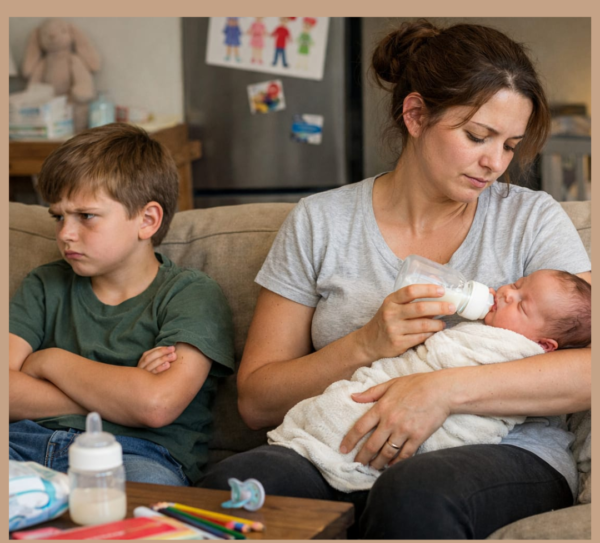
Becoming a mom again after many years is a beautiful experience, but it also brings several challenges of having a second baby after a long gap that many parents are not fully prepared for.
When you already have a 7–8 year old child and welcome a newborn, life changes overnight. You find yourself back in the cycle of sleepless nights, feeding schedules, and constant care, while also trying to be emotionally present for your older child.
In the middle of all this, your heart feels full, but your mind feels overwhelmed. You may feel happy, exhausted, confused, and sometimes even guilty, all at the same time.
If you’re going through this phase, I want you to know, you are not alone. Many moms walk this emotional journey when they have a second baby after a long gap, even if it’s not always openly talked about.

1. What a Mom Feels After Having a Second Baby
Having a second baby after many years brings a mix of emotions that are hard to explain.
On one side, your heart feels full as you hold your newborn again, it feels like reliving those precious early moments. But at the same time, your body feels tired, your routine is disrupted, and your mind is constantly running.
1. You feel deep joy and love
When you hold your second baby in your arms, your heart fills with a special kind of happiness. It feels like reliving those beautiful early moments of motherhood again, the tiny smiles, the soft baby smell, and the warmth of holding your newborn close. Your heart expands with love, and you realize that your capacity to love has grown even more.
2. But also physical exhaustion from sleepless nights
Caring for a newborn is not easy. Late-night feedings, frequent waking, and constant attention to the baby’s needs can leave you feeling physically drained. Lack of sleep and continuous care can make your body feel tired and overwhelmed at times.
3. You may feel guilty for not giving enough time to your older child
With a newborn needing so much care, much of a mother’s time and attention naturally shifts to the baby. Because of this, you may sometimes feel guilty that you are not able to spend the same amount of time with your older child as before.
4. At times, you feel divided between both children
There are moments when both children need you at the same time. One child wants attention while the other needs care, and it can feel like you are being pulled in two directions. This can make you feel emotionally divided as you try your best to meet both of their needs.
5. And quietly, you may ask yourself: “Am I doing justice to both?”
Sometimes, in quiet moments, a mother may wonder if she is giving both children equal love, care, and attention. It is a very natural thought, because every mother wants to make sure that both of her children feel loved and valued.
The truth is:
Your love doesn’t divide, it multiplies. But your time and energy do get stretched.

2. Challenges of Parenting a Newborn and an Older Child
Parenting a newborn and an older child at the same time is not just about managing tasks, it’s about balancing emotions, time, and energy.
There are moments when the baby needs you constantly, while your older child is waiting for your attention. And you are trying your best to be there for both.
1. The newborn needs constant care, feeding, soothing, and attention
A newborn depends on the mother for almost everything. They need to be fed frequently, changed, comforted when they cry, and monitored throughout the day and night. Since newborns cannot communicate their needs clearly, parents must stay very attentive to understand whether the baby is hungry, tired, uncomfortable, or needs soothing. This constant care can make the days feel very busy and demanding.
2. The older child needs emotional connection and reassurance
When a new baby arrives, the older child may experience many emotions such as confusion, curiosity, jealousy, or insecurity. They might feel that the baby is getting more attention. During this time, the older child needs emotional reassurance that they are still loved and important. Simple actions like spending one-on-one time, listening to them, and involving them in caring for the baby can help them feel valued and secure.
3. Managing school routines along with baby schedules becomes difficult
Parents often need to balance the newborn’s unpredictable routine with the structured schedule of the older child. School drop-offs, homework, meals, and extracurricular activities must be managed while also caring for the baby. Coordinating these different routines can be challenging and requires careful planning and flexibility.
4. Lack of sleep starts affecting your patience and energy
Newborns often wake up multiple times during the night for feeding or comfort. Over time, the lack of proper sleep can lead to physical fatigue and mental exhaustion. When parents are tired, it may become harder to stay patient, focused, and energetic throughout the day, especially while managing the needs of two children.
5. And somewhere in all this, you feel like you have no time for yourself
Between feeding the baby, managing the older child’s needs, and handling daily household responsibilities, parents may feel they have very little personal time. Moments for rest, hobbies, or self-care often become limited. Taking even small breaks for yourself, when possible, can help maintain emotional and mental we
3. How the Older Child Feels
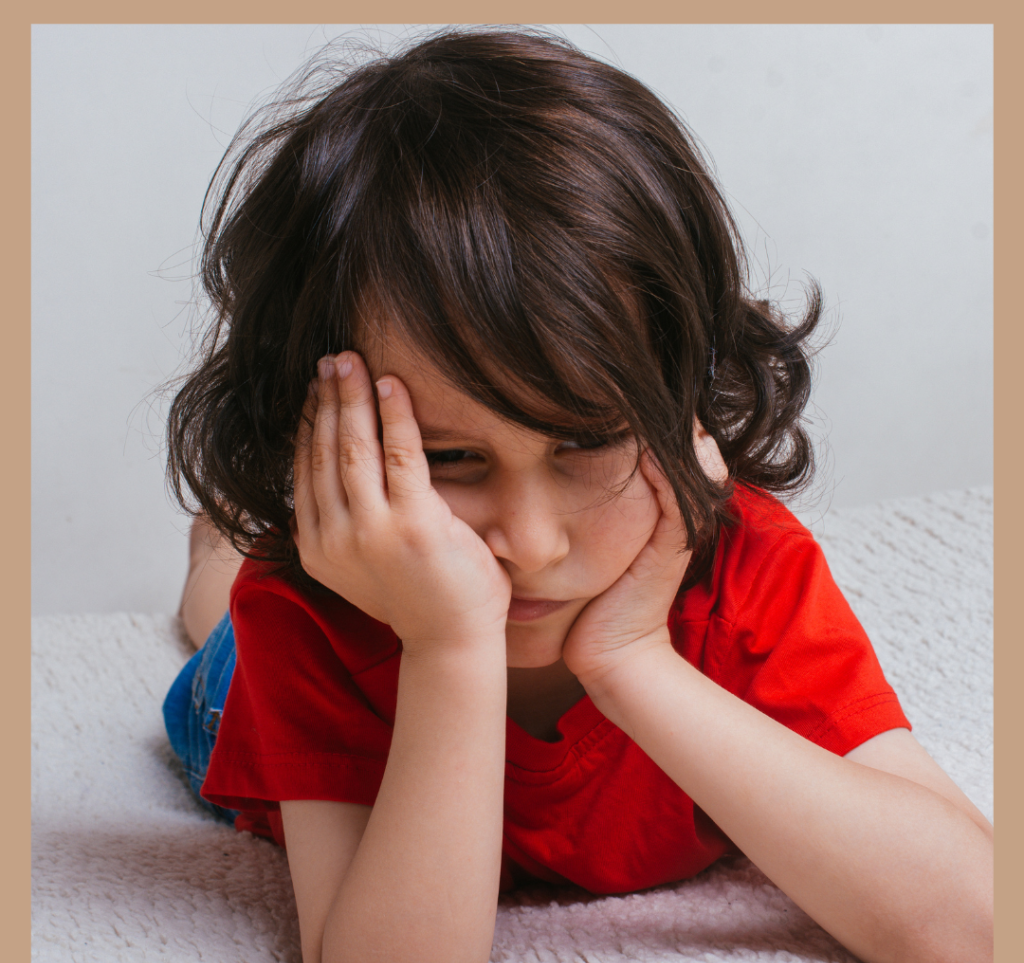
The arrival of a new baby brings a big change not only for parents but also for the older child. For them, this transition can be emotional and confusing. They have been used to receiving most of their parents’ attention, and suddenly they must adjust to sharing that attention with a newborn.
While many older children feel happy and curious about their new sibling, they may also experience feelings they do not fully understand. These emotions are a natural part of adapting to a new family dynamic. During this time, patience, understanding, and reassurance from parents become very important to help the older child feel secure and valued.
1. They may feel ignored or less important
When a new baby arrives, parents naturally spend a lot of time caring for the newborn. For the older child, this sudden shift in attention can sometimes make them feel overlooked or less important. They may not fully understand why things have changed, and this can lead to feelings of sadness or confusion.
2. They can experience jealousy toward the newborn
Jealousy is a very normal emotion for an older child after a new sibling is born. Seeing the baby receive constant attention, cuddles, and care can make them feel like they are competing for their parents’ love. This doesn’t mean they dislike the baby, it simply reflects their need for reassurance and emotional security.
They can experience jealousy toward the newborn, which is a very common reaction when an older child feels jealous of a new baby.
3. You might notice changes in their behavior
The older child may start behaving differently as they try to adjust to the new family dynamic. Some children may become quieter or more withdrawn, while others may act out, become more emotional, or even regress to younger behaviors. These changes are often their way of expressing feelings they may not yet know how to explain.
4. They may seek more attention, even in small ways
During this time, the older child might try different ways to get their parents’ attention. They may ask more questions, interrupt conversations, cling more closely, or want to be involved in everything you are doing. These small actions are often signs that they simply want to feel noticed and valued.
5. Most importantly, they need extra love, reassurance, and connection
More than anything, the older child needs to feel secure in your love. Spending small moments together, listening to them, praising them, and involving them in caring for the baby can help strengthen your bond. When they feel included and reassured, it becomes easier for them to accept and eventually build a loving relationship with their new sibling.
Remember:
For them, it’s not just a sibling, it’s a change in their entire world.

4. Mom’s Mental and Emotional State
Caring for a newborn while also looking after an older child can be one of the most emotionally demanding phases of motherhood. During this time, a mother is not only managing daily responsibilities but also processing many feelings internally. The constant need to respond to both children’s needs, combined with lack of rest and personal time, can make this period mentally and emotionally intense.
There are moments when both children need attention at the same time, the newborn might be crying while the older child wants to talk, play, or needs help with something. Situations like these can make a mother feel stretched in different directions, trying her best to support both children equally. Over time, this emotional pressure can become overwhelming, especially when there is little time to rest or recharge.
1. You may feel constant guilt
Many mothers experience guilt during this stage. When attention is given to the newborn, they may feel they are neglecting the older child. At the same time, if they focus on the older child, they may worry that the baby is not getting enough care. This internal conflict can make a mother question whether she is doing enough for both children.
2. You may feel emotionally and physically exhausted
Caring for two children requires continuous energy. The lack of sleep from nighttime feedings, combined with managing household tasks and caring for the older child, can lead to both physical fatigue and emotional burnout. Over time, this exhaustion can affect mood, patience, and overall well-being.
3. There can be stress, irritation, and anxiety
With so many responsibilities at once, it is natural for stress levels to rise. A mother may sometimes feel irritable or anxious when routines become difficult to manage or when both children need her attention at the same time. These emotions are a normal response to a demanding situation and do not mean she is failing as a parent.
4. Some days, it feels like you’re not doing enough for either child
Despite doing so much every day, some mothers still feel that they are falling short. They may feel that they are not giving enough time, care, or patience to either child. These thoughts often come from the high expectations mothers place on themselves.
5. And deep inside, you keep trying to be a “perfect mom” for both
Many mothers feel a strong desire to be perfect for their children, to always be patient, loving, and present. However, perfection is not realistic in parenting. What truly matters is the love, care, and effort a mother puts into raising her children each day.
This phase can feel mentally draining, and many mothers may not openly talk about these feelings. They may appear strong on the outside while quietly dealing with fatigue, frustration, or emotional stress. It is important to remember that these feelings are normal, and seeking support, rest, and understanding can make this journey easier.
What Can Help a Mom Feel Better
During this phase, family support can make a big difference in a mother’s well-being. Caring for a newborn and an older child at the same time can be physically and emotionally demanding, so it’s important that she does not feel like she has to manage everything alone.
- Family members should understand her situation and offer help.
Emotional support and small acts of help, like assisting with household tasks or watching the baby for a while, can reduce her stress. - Someone can help with the baby or spend time with the older child.
This not only gives the mother a short break but also helps the older child feel loved and included. - Even 30–60 minutes of free time can help her recharge.
A short break allows her to rest and regain energy.
During that time, a mom can:
- Rest quietly to recover from fatigue.
- Take a short walk to refresh her mind and body.
- Sit peacefully without interruptions to relax mentally.
- Do something she enjoys to improve her mood.
Even small breaks can help a mother feel calmer and more balanced, allowing her to care for both children with more patience and energy.
5. How to Manage a Newborn and an Older Child Together
Balancing the needs of a newborn and an older child can feel challenging, especially in the beginning. However, with small and thoughtful efforts, parents can create a more balanced environment where both children feel loved and valued.
- Spend one-on-one time with your older child.
Even a few minutes of focused time each day, talking, playing, or reading together, can help the older child feel important and emotionally connected. - Involve them in baby care (simple tasks).
Giving the older child small responsibilities, like bringing a diaper or helping choose the baby’s clothes, helps them feel included and proud of being the older sibling. - Appreciate and praise them often.
Positive words and encouragement help boost their confidence and reassure them that they are still special and valued. - Avoid comparisons between siblings.
Every child is unique. Comparing them can create feelings of insecurity or competition, so it’s important to appreciate each child for their own qualities. - Don’t hesitate to ask for help.
Parenting two children can be demanding. Accepting help from family or loved ones can reduce stress and make daily routines easier to manage. - Accept that everything won’t be perfect.
Parenting is not about perfection. Some days may feel messy or overwhelming, and that is completely normal. What matters most is the love, care, and effort given to both children.
These small steps help the older child feel secure, included, and loved while allowing parents to manage both children with greater balance and confidence.
6. Tips for Emotional Balance as a Mom
Taking care of yourself is just as important as taking care of your children. When a mother looks after her own mental and emotional well-being, she is better able to support and care for her family. This phase of parenting can be demanding, so it is important to give yourself patience and understanding.
Taking short breaks whenever possible can help you recharge, even if it is just a few quiet minutes during the day. It is also important not to ignore your own needs, whether that means resting, eating properly, or taking a moment to relax.
Sometimes, simply talking to someone you trust, a partner, family member, or friend, can help release stress and make you feel supported. Along the way, try to celebrate small wins, such as getting through a busy day or managing both children with patience.
Most importantly, be kind to yourself. Parenting does not have to be perfect. What truly matters is the love, care, and effort you continue to give every day. You don’t have to do everything perfectly, you just have to keep moving forward with patience and compassion for yourself.
Is it difficult to have a second baby after many years?
Yes, having a second baby after many years can be challenging because parents must balance the needs of a newborn and an older child at the same time. Parents often manage sleepless nights, baby care, and the emotional needs of the older child together. However, with planning, emotional support, and help from family members, this transition becomes easier over time.
Frequently Asked Questions
1. How can you manage a newborn and an older child together?
Start by creating a simple daily routine. Involve your older child in small baby-related tasks and try to spend individual time with both children. Even small moments of connection can make a big difference.
2. Do older children feel jealous of a new baby?
Yes, it is very common. Older children may sometimes feel insecure or left out, which can appear as jealousy or changes in behavior. Giving them extra reassurance, love, and one-on-one time can help them feel secure again.
3. How can you balance attention between two children?
Focus on quality rather than quantity. Spend dedicated one-on-one time with each child, avoid comparisons, and make sure your older child feels equally important and involved.
4. How do you prepare your older child for a new baby?
You can prepare them by talking about the baby before birth, involving them in baby-related activities, and constantly reassuring them that they are still loved and important.
5. Is a big age gap between siblings a good thing?
A larger age gap can actually be beneficial. The older child is usually more independent and mature, which can make it easier for them to understand and adjust to the new family change.
6. Is it hard to have a second baby after many years?
Yes, it can feel challenging at first because you are managing two very different parenting stages at the same time. However, with time, routine, and the right support, things gradually become easier and more balanced.
Conclusion
Having a second baby after a long gap is not easy, but it is also a deeply beautiful journey.
There will be days when you feel tired, emotional, and completely overwhelmed. But there will also be moments filled with love, bonding, and small joys that remind you why this journey is so special.
You are learning, growing, and doing your best every single day, and that is more than enough.
You don’t need to be a perfect mom.
You just need to be a loving, present, and patient one
About the Author
Geeta Yogi is a maternal wellness advocate and parenting content contributor at ProactiveBaby. She focuses on sharing practical, experience-based, and supportive guidance to help moms navigate pregnancy, postpartum recovery, and parenting challenges with confidence and emotional strength.
Geeta Yogi is a maternal wellness writer and parenting advocate who focuses on postpartum well-being, emotional health, and practical parenting guidance for mothers navigating early motherhood.