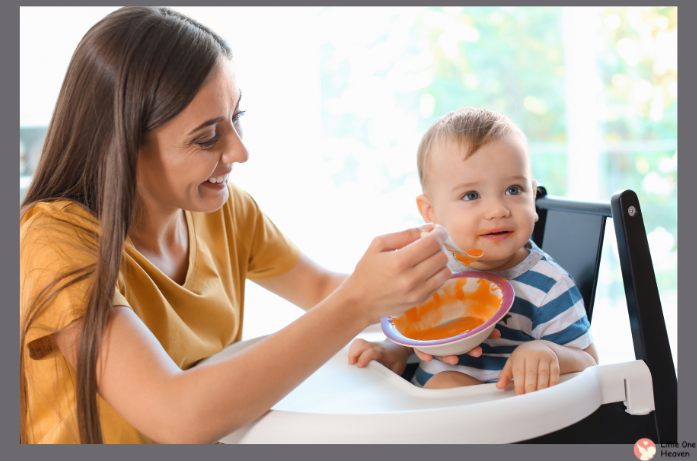
When a baby reaches around six months of age, parents often begin thinking about introducing solid foods. This stage is exciting and marks an important milestone in a baby’s growth. At the same time, it can also feel confusing for many new parents who want to make the best choices for their little one.
Questions like “What should be the first food for my baby?”, “How much should I feed?”, or “Is my baby ready for solids?” are very common. The good news is that starting solids does not have to be complicated. By understanding a few basic guidelines and choosing simple, nutritious foods, parents can make this transition smooth and enjoyable for both themselves and their baby.
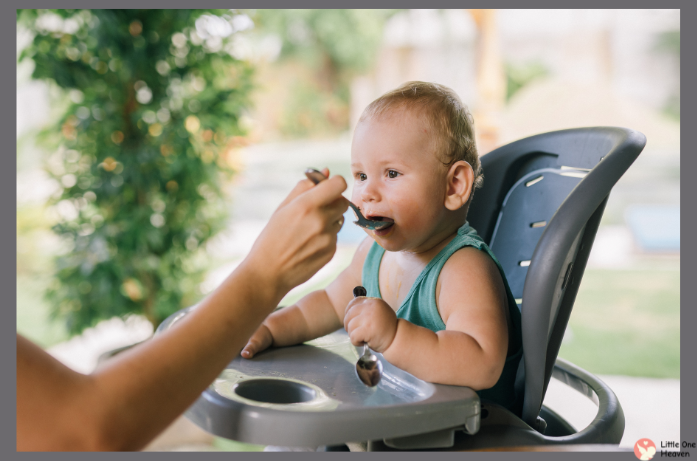
When Is Your Baby Ready for First Foods?
Most babies are ready to start baby food at 6 months of age. By this time, their digestive system becomes stronger and their bodies begin to require additional nutrients such as iron and zinc that milk alone may not fully provide.
However, every baby grows at their own pace. Instead of focusing only on age, parents should also look for some important developmental signs.
Signs Your Baby May Be Ready for Solid Foods
One important sign is when your baby is able to sit with a little support. This shows that their body is developing enough strength to handle feeding in a more upright position, which also helps in swallowing food safely.
Another sign is good head and neck control. When babies can hold their head steady without much support, it becomes easier for them to manage food in their mouth and swallow it properly.
Babies who are ready for solids often begin to show curiosity about food. They may watch closely when others are eating, look at the plate with interest, or seem excited when they see food around them.
You may also notice that your baby opens their mouth when food is offered. This is a simple but clear signal that they are willing to try something new.
Some babies even start to reach for food or try to grab it when they see it. This curiosity and eagerness to explore food is another natural sign that they may be ready to begin their journey with solid foods.
Even after solids are introduced, breast milk or formula should remain the main source of nutrition during the first year. Solid foods at this stage are meant to complement milk, not replace it.
Best First Foods for Babies
When introducing solid foods to your baby for the first time, it is important to choose foods that are soft, smooth, and easy to digest. At this stage, a baby’s digestive system is still developing, so gentle and simple foods help their body adjust more comfortably.
Starting with the best first foods for babies also allows babies to slowly explore new tastes and textures without overwhelming them.
Parents should try to offer healthy baby first foods that are nutrient-rich, containing important vitamins, minerals, and healthy energy needed for a baby’s growth and development. Soft mashed fruits, cooked vegetables, and simple cereals are often good choices because they are easy to swallow and usually well tolerated by babies.
Keeping the first food for baby simple and natural also helps parents observe how their baby reacts to each new food. This makes it easier to notice any allergies or sensitivities while gradually building a healthy and enjoyable eating routine.
1. Mashed Banana
Mashed banana is one of the best first foods for babies because it is soft and easy to digest. Bananas are naturally soft, so they can be easily mashed into a smooth texture that babies can swallow comfortably. They are also gentle on a baby’s stomach and usually well tolerated. In addition, bananas provide important nutrients like potassium and natural energy, which help support a baby’s healthy growth and daily activity.
2. Rice Cereal or Soft Rice
Rice cereal is a common first food for baby because it is mild in taste and easy to digest. When mixed with breast milk or formula, it becomes smooth and familiar for the baby, making the transition from milk to solids easier. Soft mashed rice can also be given as a simple and gentle option. Because it is light and easy on the stomach, many parents choose rice as one of the first solid foods for their baby.
3. Mashed Sweet Potato
Sweet potato is another excellent choice among the best first foods for babies. It has a naturally soft texture once cooked and can be easily mashed into a smooth consistency. Sweet potatoes are rich in vitamin A, fiber, and antioxidants that support a baby’s overall development and help strengthen their immune system. Their slightly sweet taste also makes them enjoyable for many babies who are trying solid foods for the first time.
4. Apple or Pear Puree
Apple or pear puree is a healthy and gentle fruit option for babies beginning solids. These fruits can be steamed until soft and then blended into a smooth puree, making them easy for babies to eat. Apples and pears contain important vitamins, natural fiber, and mild sweetness, which makes them both nutritious and appealing as healthy baby first foods.
5. Mashed Avocado
Mashed avocado is highly nutritious and a great food for early feeding. Avocados are rich in healthy fats that support brain development and overall growth in babies. Their naturally creamy texture makes them easy to mash and swallow, which is ideal for babies who are just starting to explore solid foods. Avocado also provides several essential nutrients that help support healthy development.
Helpful Tips for Introducing First Foods
Introducing solid foods is an exciting step in your baby’s development, but it should always be done slowly and patiently. At this stage, babies are learning completely new skills such as tasting different flavors, swallowing food, and getting used to new textures. Because everything is new for them, parents should keep the process calm, gentle, and gradual.
Start with one food at a time.
When beginning solids, it is best to introduce a single food instead of mixing several foods together. This helps your baby focus on one new taste and also makes it easier for parents to observe how the baby’s body reacts to that food.
Wait 3–4 days before introducing a new food.
Giving a few days between new foods allows parents to notice if the baby develops any signs of allergies or digestive discomfort. This simple step can help identify which food may be causing a reaction if one occurs.
Offer small spoonfuls at first.
In the beginning, babies do not need large amounts of food. A few small spoonfuls are enough because they are still getting most of their nutrition from breast milk or formula. Gradually, the quantity can increase as the baby becomes more comfortable with solids.
Make sure the food is soft and smooth.
The texture of the food is very important when starting solids. Foods should be mashed, pureed, or cooked until soft so they are easy for the baby to swallow and digest.
Avoid adding salt, sugar, or spices.
Babies do not need extra salt or sugar in their food. Their taste buds are still developing, and natural flavors from fruits and vegetables are enough. Keeping foods simple and natural is the healthiest choice.
Watch carefully for any reactions.
After introducing a new food, parents should observe their baby for signs like rashes, vomiting, diarrhea, or unusual discomfort. Paying attention to these reactions helps ensure that the baby’s diet remains safe and suitable for them.
Taking a slow and careful approach helps parents understand their baby’s needs better and makes the journey of introducing solid foods a safe and positive experience.
Make Mealtime a Positive Experience
In the early stages, the goal of introducing solid foods is not to replace milk but to help your baby explore new tastes, smells, and textures.
Some babies quickly accept new foods, while others may take time to adjust. It is completely normal if your baby refuses a new food at first. Sometimes babies need multiple attempts before they start liking a particular taste.
If your baby is not eating solids, understanding the possible reasons can help you respond with patience and confidence.
Parents should keep mealtime calm, relaxed, and enjoyable. Talking to your baby, smiling, and encouraging them during feeding helps create a positive emotional connection with food from an early age.
Remember, every baby learns at their own pace, and patience is the key.
Frequently Asked Questions
Can I start solids before 6 months?
Most pediatricians recommend waiting until around six months unless advised otherwise by a doctor.
How much food should a baby eat at first?
Start with one or two small spoonfuls and gradually increase as the baby becomes comfortable.
What if my baby refuses food?
This is normal. Try again after a few days. Babies often need multiple exposures before accepting a new taste.
Conclusion
Introducing solid foods is an exciting milestone for parents and babies. By starting with the best first foods for babies and introducing them slowly, parents can help their baby develop healthy eating habits from the beginning.
Choosing healthy baby first foods, observing your baby’s reactions, and being patient during the stage of baby starting solids will make the transition smoother and safer. Every baby develops at their own pace, so staying attentive and supportive helps build a positive relationship with food.
Want more helpful parenting tips and baby care guides?
Visit Little One Haven for expert advice, practical resources, and support for your parenting journey:
Safety Disclaimer
This article is for informational purposes only and should not replace professional medical advice. Every baby grows differently, so it is always best to consult a pediatrician before starting solid foods. If your baby shows signs of allergies, vomiting, rashes, or digestive discomfort after trying a new food, seek medical advice promptly.