Toddlerhood is an exciting stage because children are constantly discovering what their little bodies can do. Around age two, many toddlers become more confident with walking and running and may begin experimenting with skills such as kicking a ball or trying to jump with both feet.
Toddlers are generally considered children between the ages of 1 and 3 years, and physical skills can develop at different speeds during this stage.
As they move closer to age three, their balance and coordination often become stronger. You may notice your child attempting to stand briefly on one foot, throw a ball, catch larger balls, pedal a tricycle, or kick objects forward.
Every child develops at their own pace, so these milestones should never feel like a competition. Instead, use them as inspiration when choosing toddler exercise activities. Balls, push-and-pull toys, ride-on toys, climbing games, and simple movement challenges can all give toddlers opportunities to practice their growing motor skills through play.
If you are also looking for playful ways to support development during the earlier baby stage, explore our guide to activities for baby development, including simple ideas for movement, sensory play, learning, and bonding.
How Much Physical Activity Do Toddlers Need?
Toddlers do not need formal workouts or structured exercise sessions. They benefit from regular opportunities throughout the day to move, explore, climb, run, dance, and practice new skills through active play.
The American Academy of Pediatrics (AAP) recommends that toddlers get three or more hours of physical activity throughout the day, which can include activities such as neighborhood walks and outdoor free play.
At this age, movement is naturally built into everyday activities. Walking, playing at the playground, carrying toys, dancing to music, chasing bubbles, and trying new movement games all help toddlers develop strength, balance, coordination, and confidence.
The goal is not to make exercise feel like a task. Instead, create a safe environment where your toddler can move often and enjoy discovering what their body can do.
Create a Simple Toddler Obstacle Course
A homemade obstacle course is one of those activities that looks like pure fun to toddlers while secretly encouraging lots of different movements.
Obstacle courses can give young children opportunities to practice gross motor movements such as balancing, jumping, crawling, and navigating around objects. Penn State Extension’s Better Kid Care includes obstacle courses among its ideas for supporting children’s gross motor skills through active play.
And you do not need expensive equipment.
You can create a simple course using things you already have around your home.
For example, your toddler might:
- Step or jump over a line made with painter’s tape
- Crawl underneath a chair or table
- Walk carefully between two cushions
- Climb over a pile of soft pillows
- Move around toys placed like cones
- Crawl through a play tunnel or large cardboard box
- Finish by running toward you for a big hug
Try to include a few different types of movements instead of making every part of the course about running.
For younger toddlers, keep the course short with just two or three steps. As your child becomes more confident, you can add new challenges.
The important thing is to match the activity to what your toddler can safely do right now.
Pretend to Move Like Different Animals
If your toddler loves animals, turn that interest into movement.
Animal imitation games are especially fun because they combine exercise, imagination, sounds, and pretend play.
You might say:
“Can you hop like a frog?”
“Let’s waddle like penguins!”
“Can you crawl like a bear?”
“Now move slowly like a caterpillar.”
“Let’s walk sideways like little crabs!”
Your toddler will probably be much more interested in pretending to explore a jungle than hearing, “It’s time to exercise.”
Animal movements can encourage children to use their arms, legs, core, balance, and coordination in different ways.
You can even turn on music and call out a new animal every few minutes. There is no need to worry about whether your toddler copies the movement perfectly. The goal is simply to keep their body moving and imagination working.
Use Ball Play to Build Toddler Motor Skills
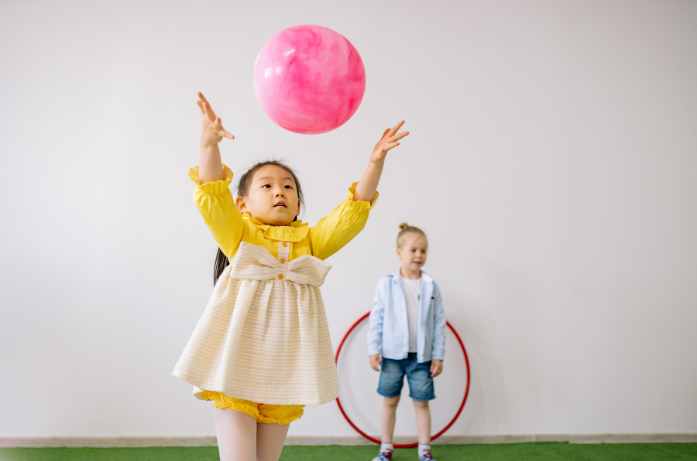
A simple ball can provide many opportunities for active play and motor skill development.
The CDC lists kicking a ball as one of the movement and physical development milestones most children reach by age two. Giving toddlers safe opportunities to roll, chase, throw, and kick soft balls can make practicing these movements fun.
Start with something easy, such as sitting across from your toddler and rolling a soft ball back and forth.
When they become more confident, encourage them to:
- Kick the ball toward you
- Throw it into a basket
- Chase a rolling ball
- Knock over soft blocks
- Roll it through a homemade goal
- Toss soft balls into different containers
You can even make an indoor basketball game using rolled-up paper and an empty laundry basket.
These simple games encourage toddlers to practice hand-eye coordination, balance, aiming, kicking, throwing, and whole-body movement without making the activity feel structured.
For toddlers, that playful approach is exactly what exercise should feel like.
Try Simple Yoga and Balance Games
Toddler yoga can be a lovely quieter activity for days when you want movement without lots of running around the house.
Keep the poses simple and playful.
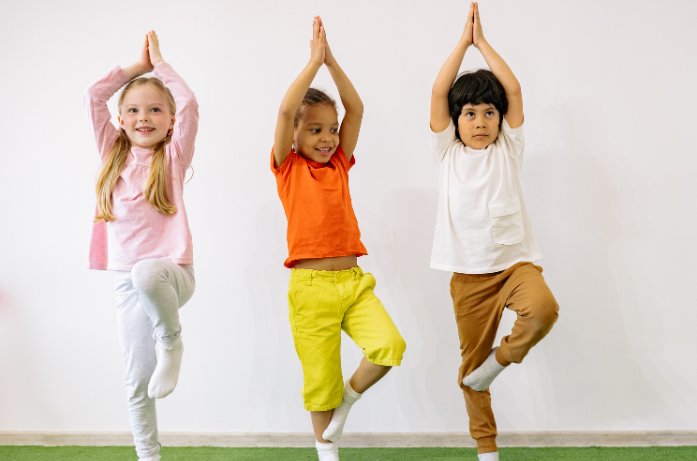
For example, you could try a basic tree pose. Stand beside your toddler and encourage them to balance on one foot while gently resting the other foot against their leg.
At first, they may need to hold your hand.
That is completely fine.
As their balance improves, they may enjoy trying it without support for a second or two.
You can also pretend to stretch like a tall tree, curl up like a tiny seed, move like a cat, flap like a butterfly, or stretch your arms wide like a star.
Avoid forcing your toddler into a particular position. Yoga at this age should be about copying, experimenting, laughing, and learning how their body moves.

Blow, Chase, and Pop Bubbles
There is something about bubbles that seems to make toddlers instantly want to move.
Take bubbles outside and let your child chase them around the garden or playground.
As they try to pop the bubbles, they naturally run, reach, bend, stretch, change direction, and sometimes even attempt little jumps.
You can make the game even more active by blowing bubbles in different directions.
Blow some low so your toddler has to crouch.
Send others slightly higher so they have to reach.
Blow several across the garden and watch them run after their favorite one.
It is one of the simplest outdoor activities for toddlers, yet it can encourage a surprising amount of movement.
Turn Everyday Play Into Toddler Exercise
You do not always need to plan a separate exercise session.
Some of the best toddler exercise activities can happen naturally during normal play.
Everyday play also creates natural opportunities for talking, listening, and connecting with your little one. For more ideas, explore our guide on how to improve your child’s communication skills.
Encourage your toddler to push a toy stroller, pull a wagon, carry lightweight toys to a basket, ride an age-appropriate ride-on toy, kick a ball in the garden, or walk beside you on a short family stroll.
Toddlers learn through repetition, so do not worry if they want to perform the same activity twenty times.
That repeated climbing, kicking, pushing, pulling, running, and balancing is helping them become more confident with their movements.
When physical activity feels like play rather than a task, toddlers are much more likely to enjoy it, and that can help build a positive relationship with movement from the very beginning.
Safety Tips for Toddler Exercise Activities
Toddlers learn through movement, but they still need a safe environment to explore new skills. A little preparation can help keep active play fun and age-appropriate.
- Always supervise climbing, jumping, and ball games.
- Use soft surfaces for activities that involve balance, jumping, or possible falls.
- Choose toys and equipment that are suitable for your child’s age and abilities.
- Avoid small objects that may create choking risks.
- Let your toddler take breaks or stop when they seem tired, overwhelmed, or frustrated.
Frequently Asked Questions
What are the best toddler exercise activities?
The best toddler exercise activities are simple, playful, and suitable for your child’s age and abilities. Dancing, obstacle courses, ball games, animal walks, bubble chasing, climbing, and simple yoga are all great ways to encourage movement.
How much exercise does a toddler need each day?
Toddlers benefit from being active throughout the day rather than doing one long exercise session. Active play can include walking, running, climbing, dancing, outdoor play, and movement games spread across their daily routine.
What exercises are good for a 2-year-old?
Good exercises for a 2-year-old include walking, running, kicking a soft ball, dancing, crawling through tunnels, stepping over low obstacles, chasing bubbles, and copying simple animal movements. Activities should always match your child’s current abilities.
Can toddlers do yoga?
Yes, toddlers can enjoy simple, playful yoga movements. Easy poses such as stretching like a tree, moving like a cat, or sitting like a butterfly can help them explore balance and body movement. Avoid forcing poses or expecting perfect form.
How can I encourage my toddler to be more active?
Make movement feel like play instead of exercise. Put on music, play chase, visit the playground, use balls, create a small obstacle course, or invite your toddler to copy your movements. Joining the activity yourself can also make it more exciting.
Are indoor exercise activities good for toddlers?
Yes. Indoor toddler exercise activities can be especially useful on rainy or very hot days. Dancing, balloon play, obstacle courses, follow-the-leader games, yoga, and ball rolling are easy ways to encourage movement indoors.
How do toddler exercise activities help development?
Active play gives toddlers opportunities to practice balance, coordination, strength, running, jumping, throwing, kicking, and other gross motor skills. It can also help children become more confident as they learn what their bodies can do.
What should I avoid during toddler exercise?
Avoid activities that are too difficult for your toddler’s age, unstable climbing equipment, slippery play areas, small choking hazards, and forced movements. Always supervise active play and let your toddler stop or rest when needed.
Final Thoughts
Keeping toddlers active does not have to mean planned workouts or complicated routines. Simple toddler exercise activities like dancing, chasing bubbles, kicking a ball, pretending to be animals, or completing a small obstacle course can give little ones plenty of opportunities to move, explore, and build confidence.
The most important thing is to keep movement fun, safe, and suited to your child’s abilities. Even a few playful moments throughout the day can help encourage healthy habits and make active play something your toddler genuinely enjoys.
Looking for more simple, practical ideas to support your little one’s growth, play, and everyday development? Visit Little One Haven for more parent-friendly tips, activities, and inspiration for every stage of your child’s early years.