When you first notice fist clenching in babies, it can feel both adorable and a little confusing. Those tiny, tightly curled fingers often make your baby look strong and determined, even in sleep! But as a parent, it’s natural to wonder what it really means. Is it normal? Is your baby trying to tell you something? Or should you be concerned?
Take a gentle breath; you’re not alone in this. Many parents notice their baby’s fist clenched and have the same questions. In most cases, it’s completely normal and part of healthy development. But understanding the reasons behind it can help you feel more confident and at ease.
Let’s walk through this together in a calm, reassuring way.
Understanding fist clenching in babies can help you feel more confident and reassured during your baby’s early development.
Understanding Fist Clenching in Babies
When you look at your newborn’s tiny hands and notice their little fists always curled up, it’s completely natural to wonder why. The truth is, this is one of those small, beautiful things that are simply part of how babies are born and grow.
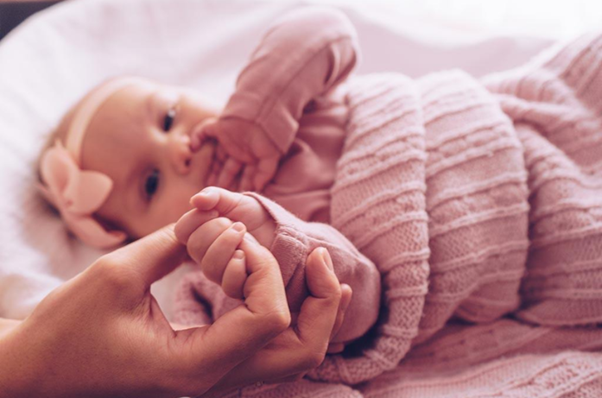
Newborns come into the world with several natural reflexes, and one of the most common is the palmar grasp reflex. Research published by the National Institutes of Health (NIH) explains that early reflexes,, such asuch ass the palmar grasp reflex,, are an important part of infant neurological and motor development during the first months of life. This is why you’ll often see your baby’s fist clenched in those early weeks. If you gently touch their palm, their fingers will automatically wrap around yours, almost like they’re holding on to you. It’s a simple reflex, but it feels incredibly special.
Your baby isn’t doing this on purpose. At this stage, they are still learning how to control their body. Their movements are guided by instinct rather than intention, and their nervous system is slowly figuring out how everything works.
In fact, fist clenching in babies is very common in the early months, during the first 2–3 months. Their muscles are still developing, and they are just beginning to learn how to relax and move their hands freely.
So if you often notice your baby’s hands tightly closed, there’s no need to worry. It’s a completely normal and healthy part of their early development, a gentle sign that their little body is growing just the way it should
Why Do Babies Keep Their Fists Clenched?
As a parent, it’s completely natural to notice every little detail about your baby, especially something like their tiny hands always curled into fists. The good news is that there are several gentle and perfectly normal reasons behind this. Let’s walk through them together in a calm and reassuring way
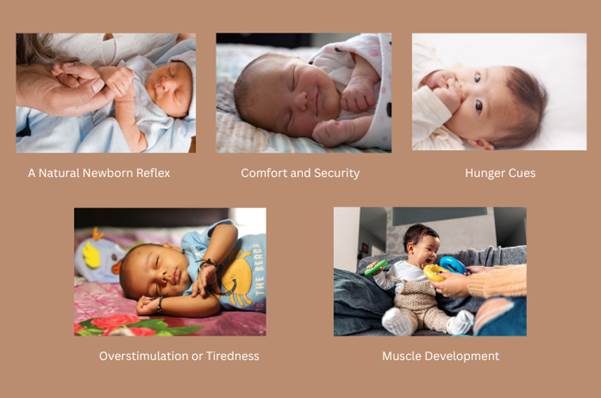
1. A Natural Newborn Reflex
In the early days, your baby’s body is guided mostly by reflexes. One of the most common is the palmar grasp reflex, which causes your baby’s fingers to automatically curl when something touches their palm.
You might notice that when you place your finger in their hand, they hold onto it tightly. It’s not just a reflex; it often feels like a sweet little connection, a moment where your baby seems to reach out to you in their own way.
This kind of baby clenching fist is actually a positive sign that your baby’s nervous system is developing just as it should.
2. Comfort and Security
Sometimes, a baby’s clenched fist position simply means they feel safe. After all, your baby has just come from the womb, a warm, snug space where they were curled up for months.
Keeping their hands closed can feel familiar and comforting in this new and sometimes overwhelming world. It’s like they’re holding onto that sense of security they’ve always known.
3. Hunger Cues
In the beginning, babies don’t always cry right away when they’re hungry. Instead, they give small, early signals, and one of them can be a baby clenching its fist.
You might also notice other signs like:
Turning their head side to side
Sucking motions or lip-smacking
Bringing hands toward their mouth
These gentle cues are your baby’s way of saying, “I’m getting hungry.” Over time, you’ll start picking up on these signals naturally, almost without thinking.
4. Overstimulation or Tiredness
Babies can get overwhelmed more easily than we realize. Too much noise, bright lights, or even a busy environment can make them feel unsettled.
When this happens, they may tighten their little bodies, and that includes their hands. A tightly clenched baby’s fist can sometimes be their way of coping with all the stimulation around them.
If you notice this, a few simple things can help:
Hold your baby close against your chest
Move to a quieter, calmer space
Gently rock or sway them
These small, soothing actions can quickly help your baby feel safe and relaxed again.
5. Muscle Development
In the early months, your baby is still learning how to control their muscles. At first, their hands tend to stay closed because their muscles naturally remain a bit tight.
This is why fist clenching in babies is so common in the beginning. But slowly, as their body grows stronger and more coordinated, those tiny fists will begin to open more often.
You’ll start to notice beautiful little milestones: your baby touching your face, reaching for a toy, or even discovering their own fingers for the first time.
Each of these reasons is a gentle reminder that your baby is growing, learning, and adjusting to the world in their own unique way. And through it all, your love and presence are what make them feel safest.
When Do Babies Start Opening Their Hands?
One of the sweetest little milestones you’ll notice as your baby grows is when those tiny clenched fists slowly begin to open. In the early weeks, it’s very common to see fist clenching in babies, but as time goes on, those little hands start to relax more naturally.
Most babies begin opening their hands around 2 to 3 months of age. It doesn’t happen all at once, it’s a gradual, gentle change. One day you might notice their fingers stretching out for a moment, and slowly, those moments become more frequent.
Around this stage, you may start to see:
- Their hands open more often instead of staying tightly closed
- Less frequent baby clenching fist behavior
- Small, intentional movements instead of just reflex actions
- Early attempts to touch or hold nearby objects
According to HealthyChildren’s movement milestones guide, babies gradually gain more control over their hand and arm movements during the first few months as their nervous system develops.
By the time your baby reaches 4 to 5 months, many babies begin reaching out on purpose. They might try to grab your finger, hold a soft toy, or even bring their hands together to explore. It’s such a beautiful phase, watching them discover the world through touch.
But here’s something important to remember: every baby grows at their own pace. Some may open their hands a little earlier, while others take a bit more time. If your baby still keeps a baby’s fist clenched longer than others, it doesn’t automatically mean something is wrong.
Try to focus less on timelines and more on your baby’s overall progress. With your love, patience, and gentle encouragement, they’ll get there in their own perfect time.
When Should You Pay Closer Attention?
Most of the time, fist clenching in babies is completely normal and nothing to worry about. But as a parent, it’s always helpful to stay a little aware, just so you can better understand your baby’s needs.
There are a few situations where it’s worth taking a closer look, not with fear, but with calm and gentle attention
1. Hands Always Tightly Clenched
If you notice that your baby’s fists remain tightly closed most of the time and rarely open, even while sleeping or fully relaxed- it may be a good idea to mention it during your next pediatric visit.In many cases, it turns out to be completely normal. However, persistent tight fist clenching can sometimes simply benefit from a quick developmental check to make sure everything is progressing smoothly.
2. Stiffness in the Body
If baby clenching fist is happening along with stiffness in the arms or legs, or if your baby feels unusually tense when you hold them, it’s worth paying attention.
Babies are usually soft and flexible, so if something feels different, trusting your instinct and seeking guidance is always the right step.
3. Delay in Development
By around 3 to 4 months, most babies begin opening their hands more often and start exploring the world by touching and grabbing.
If your baby is not showing these signs, like reaching out, trying to hold objects, or relaxing their hands, it’s perfectly okay to have a gentle conversation with your doctor.
This doesn’t mean something is wrong; it simply helps you stay informed and reassured.
4. One Hand Always Clenched
If you notice that one hand stays clenched most of the time while the other moves freely and opens normally, it’s something you shouldn’t ignore.
A quick check with a healthcare professional can help rule out any concerns and give you peace of mind.
Gentle Ways to Encourage Hand Opening
The beautiful thing is, you don’t need to “fix” anything. Your baby is already growing and learning in their own perfect way. But as a parent, there are a few gentle and loving ways you can support this journey and help those tiny hands slowly open up
1. Offer Finger Play
One of the simplest and most heartwarming activities is just letting your baby hold your finger. Gently place your finger in their palm and allow them to grasp it. After a moment, softly encourage them to release and hold again.
It may seem small, but this little game helps build strength and awareness in their hands, and it also creates such a sweet bonding moment between you and your baby.
2. Try Tummy Time
Tummy time is not just for strengthening the neck and back; it also plays a big role in developing your baby’s arms and hands.
Start with just a few minutes a day, especially when your baby is calm and alert. As they get more comfortable, you can slowly increase the time. Over time, you’ll notice better control in their movements and fewer baby clenching fist as they begin to explore more freely.
3. Use Soft Toys
Introducing soft, lightweight toys can gently encourage your baby to open their hands. Choose toys that are easy to hold, with soft textures and bright, soothing colors.
At first, your baby may just brush against them, but slowly you’ll notice a shift, from newborn clenched fists to more open hand movements to little attempts at reaching and holding. These tiny efforts are big milestones.
4. Gentle Massage
A soft hand massage can do wonders. Using light strokes, gently rub your baby’s palms and fingers. This helps relax their muscles and makes it easier for them to open their hands naturally.
You can talk or sing softly while doing this, turning it into a calm, loving moment that both of you enjoy.
5. Create Calm Moments
Sometimes, all your baby needs is a peaceful environment. When they feel relaxed, their body naturally loosens, including their hands.
Soft lighting, gentle music, and quiet cuddles can help your baby feel safe and calm. In these moments, you may notice their tiny fingers slowly uncurling, exploring the world in their own gentle way.
These little steps don’t rush your baby; they simply support them with love, patience, and care. And that’s truly all they need to grow beautifully.
Emotional Reassurance for Parents
When you’re caring for a baby, it’s so easy to overthink every little thing. You notice the smallest changes, the tiniest movements, and that’s not overthinking; that’s love. It just shows how deeply you care about your little one.
Seeing your baby’s fist clenched might make you pause and wonder if everything is okay. Those thoughts are completely natural. But in most cases, this is simply a normal part of your baby growing and adjusting to the world around them.
Your baby is learning something new every single day: how to move, how to relax, how to explore their own tiny hands. Even something like a baby clenching its fist is part of that learning process.
So be gentle with yourself.
Trust your instincts.
Trust your baby’s journey.
And always remember, you’re doing a beautiful job, even on the days when you’re unsur..
Parenting is a journey that’s often hard to put into words, and sometimes the best way to understand it is through the emotions it carries. Here are some words to describe parenting that beautifully express this experience.
Real-Life Mom Moment
I still remember those early days when I would notice my baby’s tiny fists always tightly closed. I’d gently try to open them, wondering quietly in my heart if I was doing everything right.
There was a mix of curiosity and a little worry, as many moms feel. I would watch those little hands so closely, waiting for a change.
And then one day, so naturally and unexpectedly, those tiny fingers slowly opened and reached out to hold my finger.
It was such a simple moment, but it meant everything. It reminded me that babies don’t rush; they grow in their own time, in their own beautiful way.
Sometimes, they don’t need us to fix anything. They just need our patience, our calm presence, and our love beside them
FAQs About Fist Clenching in Babies
1. Is fist clenching in babies normal?
Yes, it is completely normal in newborns and is usually linked to natural reflexes.
2. When do babies stop clenching their fists?
Most babies begin to open their hands around 2–3 months and gain better control by 4–5 months.
3. Why does my baby keep fists clenched?
It can be due to reflexes, comfort, hunger cues, or early muscle development.
4. Should I worry if my baby’s fists are always clenched?
If the hands rarely open or are stiff, along with other symptoms, consult a doctor.
5. How can I help my baby open their hands?
Gentle massage, tummy time, and soft toys can help encourage natural hand movement.
Final Thoughts: Trust the Journey
Fist clenching in babies is one of those tiny little things that can feel much bigger when you’re a parent. You notice it, think about it, and sometimes even worry about it. But in most cases, it’s simply a natural and healthy part of your baby’s early development.
As your baby grows, those small, tightly closed fists will slowly open into curious little hands, ready to explore, hold your finger, and discover the world around them. These moments don’t happen overnight, but when they do, they feel truly special.
All your baby really needs is your gentle presence, your love, patience, and a safe, comforting space to grow. Keep observing with calmness, not fear, and trust that your baby is developing in their own perfect way.
And if you ever feel unsure, it’s always okay to ask questions or seek guidance. That doesn’t mean you’re worried;, it means you care deeply.
If this guide helped you feel more at ease and understand your baby better, you can explore more gentle, real, and heartwarming parenting tips at Little One Haven.
Because every small step you take with love… becomes a beautiful part of your baby’s journey