
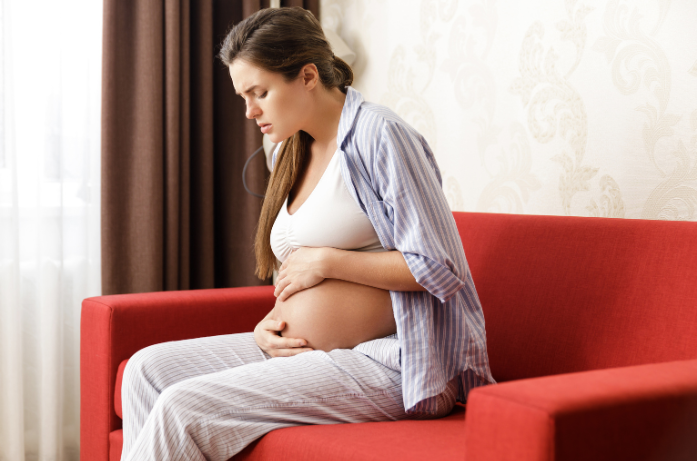
Pregnancy is a beautiful journey, but it also brings many unexpected changes. One of the most common and sometimes unsettling feelings many moms experience is dizziness during pregnancy. You might suddenly feel lightheaded while standing, walking, or even resting, and it can leave you wondering if everything is okay.
If you’ve ever asked yourself, “Is this normal?” or even “is dizziness a sign of pregnancy?”, you’re not alone. As a mom who has been through this phase, I understand how confusing and worrying these moments can feel. Let’s gently walk through what causes it, when it’s harmless, and when it’s important to pay closer attention.
Understanding dizziness during pregnancy can help you feel more confident and manage these moments with calm and care.
Understanding Dizziness During Pregnancy
Feeling dizzy during pregnancy can be a little surprising, especially if it happens out of nowhere. Many moms notice this in the first or second trimester, and it often comes from the body adjusting to all the changes happening inside.
As your hormones shift and blood flow increases to support your baby, you may feel lightheaded at times. It can happen if you stand up too quickly, skip a meal, or simply feel tired.
The comforting part is that this kind of dizziness is very common and usually nothing to worry about. With a little rest, regular meals, and staying hydrated, it often becomes much easier to manage.
Is Dizziness a Sign of Pregnancy?
Many women wonder if feeling dizzy early on could mean they’re pregnant. The answer is yes, it can be one of the early signs.
In early pregnancy, your body begins producing more progesterone, which relaxes your blood vessels. This helps improve blood flow to your baby but can also lower your blood pressure slightly, leading to that lightheaded feeling.
However, dizziness alone isn’t a definite sign. It usually comes along with other early symptoms like fatigue, nausea, or missed periods. If you suspect pregnancy, taking a test or speaking with your doctor is always the best step.
Common Causes of Pregnancy Dizziness
When you understand what’s happening inside your body, those dizzy moments can feel a lot less worrying. During pregnancy, your body is constantly adjusting to support your baby, and sometimes that can leave you feeling a little lightheaded. Here are some of the most common reasons behind it, explained in a simple, relatable way.
1. Hormonal Changes
Your hormones are changing quickly, especially in early pregnancy. One of them, progesterone, helps your body prepare for your baby but also relaxes your blood vessels. This can lower your blood pressure slightly, which may make you feel dizzy at times.
2. Low Blood Sugar
If you go too long without eating, your blood sugar can drop. This is very common in pregnancy, especially if you’re dealing with nausea or food aversions. That sudden dip can leave you feeling weak, shaky, or lightheaded.
3. Dehydration
It’s easy to forget to drink enough water, but your body actually needs more fluids now than usual. Even mild dehydration can make you feel tired and dizzy, so staying hydrated really makes a difference.
4. Standing Too Quickly
Have you ever stood up and suddenly felt your head spin? That happens because your blood doesn’t reach your brain quickly enough. During pregnancy, this feeling can be a bit stronger, so it helps to move slowly and gently.
5. Increased Blood Volume
Your body is producing extra blood to nourish your baby, which is a wonderful thing. But sometimes, your circulation takes a little time to adjust, and that can lead to occasional dizziness.
6. Lying on Your Back (Later Pregnancy)
As your baby grows, lying flat on your back can press on a major blood vessel. This can reduce blood flow and make you feel dizzy or uncomfortable. That’s why many doctors suggest lying on your side, especially in the later months.
These causes are all part of your body’s natural changes, and most of the time, they’re completely normal. Listening to your body and taking small steps to care for yourself can really help you feel more balanced and at ease.
When Does Dizziness Usually Happen?
Dizziness can show up at different stages of pregnancy, and each phase has its own reasons behind it. You might notice it more at certain times, depending on how your body is adjusting.
In the first trimester, it’s often linked to hormonal changes and shifts in blood pressure. Your body is just beginning to adapt, and that adjustment can sometimes make you feel lightheaded.
During the second trimester, your blood circulation continues to change as your body works harder to support your growing baby. This can still bring occasional dizzy spells, especially if you’re tired or haven’t eaten well.
By the third trimester, dizziness may happen because of the pressure your growing uterus puts on blood vessels, especially when you lie on your back.
Every pregnancy is different, though. Some moms feel dizzy often, while others hardly notice it at all, and both experiences are completely normal.
Gentle Signs That It’s Usually Normal
As a mom, it’s completely natural to feel a little worried when you experience dizziness. Your mind immediately goes to your baby and whether everything is okay. But the truth is, many of these moments are harmless and simply part of your body adjusting.
You might notice that the dizziness goes away quickly once you sit down or take a short rest. Sometimes, just pausing for a few minutes is enough to help your body feel balanced again.
It may also happen only once in a while, not all the time. Occasional dizziness, especially when you’re tired, hungry, or moving too quickly, is quite common during pregnancy.
Another reassuring sign is when you start to feel better after eating a small snack or drinking some water. This usually means your body just needed a little extra fuel or hydration.
And if you don’t have any other unusual symptoms along with it, that’s also a good sign. In most cases, these gentle, short-lived dizzy spells are simply a normal part of pregnancy and nothing to worry about.
When Should You Be Concerned?
While most dizziness during pregnancy is harmless, there are moments when it’s important to slow down and pay closer attention. As a mom, you know your body best, so if something doesn’t feel right, it’s always okay to reach out to your doctor for reassurance.
If your dizziness feels very strong, happens often, or doesn’t go away even after resting, it’s worth getting checked. Fainting or actually losing consciousness is another sign that shouldn’t be ignored.
You should also be mindful if dizziness comes along with blurred vision, a heavy headache, or a feeling of pressure in your chest. These aren’t typical symptoms and deserve medical attention.
Shortness of breath or unusual discomfort can also be a sign that your body needs extra care. And if you ever notice vaginal bleeding along with dizziness, it’s important to contact your doctor right away.
Sometimes, these symptoms could be linked to things like low blood pressure, anemia, or other conditions that need proper care. The key is not to panic, but also not to ignore what your body is trying to tell you.
Simple Ways to Prevent Dizziness
The comforting thing is that there are many small, gentle ways to reduce dizziness during pregnancy. You don’t need anything complicated; just a few mindful habits can make you feel much steadier and at ease.
1. Eat Small, Frequent Meals
Instead of waiting for big meals, try to eat a little every few hours. Even a small snack can help keep your blood sugar stable and prevent that sudden lightheaded feeling.
2. Stay Hydrated
Keep water close to you throughout the day. Taking small sips regularly can really help, because even slight dehydration can leave you feeling weak or dizzy.
3. Move Slowly
Try not to rush when getting up from bed or standing after sitting. Give your body a moment to adjust—those few extra seconds can prevent that spinning sensation.
4. Avoid Standing Too Long
If you find yourself standing for a while, take short breaks when you can. Sitting down or gently shifting your weight can help keep your circulation steady.
5. Rest When Needed
Listen to your body. If you feel even slightly dizzy, pause and rest. Lying down or sitting quietly for a few minutes can make a big difference.
6. Sleep on Your Side
As your pregnancy progresses, try to sleep on your side, especially the left side. It helps improve blood flow and can reduce those uncomfortable dizzy moments.
These simple, caring steps can help you feel more balanced and supported throughout your day.
Along with dizziness, many moms also experience other common pregnancy discomforts, such as swelling in the feet. Learning more about foot swelling in pregnancy causes and relief can help you manage these changes more comfortably.
What to Do When You Feel Dizzy
Sometimes dizziness can come out of nowhere, and in that moment, it can feel a little scary. The most important thing is to stay calm and listen to your body.
If you start feeling lightheaded, gently sit down or lie down right away. This helps prevent falls and gives your body a chance to recover. Take slow, deep breaths to help yourself relax and steady your balance.
If you haven’t had water in a while, take a few sips. Dehydration can often make dizziness worse. You can also try eating a small snack, especially if it’s been a while since your last meal, something simple can quickly boost your energy.
It also helps to loosen any tight clothing around your waist or chest so you can breathe comfortably.
These small, caring steps can help you feel better quickly and safely, and remind your body to slow down when it needs it most.
Emotional Side of Pregnancy Symptoms
Let’s talk honestly for a moment. Feeling dizzy can be scary, especially when you’re already adjusting to so many changes.
You might worry about your baby, your health, or whether you’re doing something wrong. Please know, you’re not alone in this. Many moms go through the same experience, and most of the time, it’s just your body adapting beautifully to support new life.
Be gentle with yourself. Rest when you need to. Ask for help when you need it. You don’t have to push through everything.
Supporting Your Body with Care
Taking care of yourself during pregnancy goes beyond just physical health, it’s also about feeling calm, supported, and in tune with your body. This is a time to slow down a little and treat yourself with extra kindness.
Try to begin your day gently instead of rushing into things. Even a few quiet moments in the morning can help you feel more balanced. Keeping small snacks nearby can also make a big difference, especially when your energy dips unexpectedly.
Make it a habit to sip water throughout the day, even when you don’t feel very thirsty. And most importantly, listen to your body. If it asks for rest, give yourself permission to pause without guilt.
These simple, comforting routines may seem small, but they can go a long way in easing both dizziness and those little waves of worry that sometimes come with it.
A Gentle Reminder for Moms
Every pregnancy is its own little journey, and no two experiences are ever exactly the same. What you’re feeling might be different from another mom’s story, and that’s completely okay.
If you’re experiencing dizziness during pregnancy, it’s often just your body adjusting and doing the important work of supporting your growing baby. These changes, though sometimes uncomfortable, are usually a natural part of the process.
At the same time, it’s always important to stay aware of how you feel. Trust yourself. If something seems unusual or more intense than expected, don’t hesitate to reach out for help.
You’re doing an amazing job, even on the days that feel a little uncertain.
FAQs
1. Is dizziness during pregnancy normal?
Yes, it is very common, especially in the first and second trimesters, due to hormonal and blood pressure changes.
2. When does dizziness usually start in pregnancy?
It often begins in the first trimester as your body adjusts to increased blood flow and hormonal changes.
3. How can I stop dizziness during pregnancy?
Eating regularly, staying hydrated, moving slowly, and getting enough rest can help reduce dizziness.
4. When should I worry about dizziness?
If dizziness is severe, frequent, or comes with symptoms like fainting, blurred vision, or bleeding, consult your doctor.
5. Can low blood sugar cause dizziness in pregnancy?
Yes, skipping meals or low blood sugar levels can make you feel weak and lightheaded.
Conclusion: You’re Doing Better Than You Think
If you’ve been feeling dizzy during pregnancy, take a slow, calming breath; you’re truly not alone in this. So many moms go through these moments, and in most cases, it’s simply your body adjusting in its own beautiful way.
Pregnancy asks a lot from your body, and sometimes all it needs is a little extra rest, a bit more nourishment, and gentle care. Try to listen closely to what your body is telling you, and trust those instincts. And if something ever doesn’t feel right, reaching out to your doctor is always the right and safe choice.
Most importantly, be kind to yourself. You don’t have to do everything perfectly. This journey is about caring for yourself just as much as you care for your little one, one small, loving step at a time.
If this guide helped you feel a little more at ease, you can explore more gentle, real, and supportive parenting tips at Little One Haven, a warm space created with love to support you through every step of motherhood.
Resources
• MedlinePlus – Pregnancy Care Instructions
• American Heart Association – Dizziness During Pregnancy: When to Be Concerned
• CDC – Pregnancy Health & Prenatal Care
• HealthyChildren.org – Pregnancy & Baby Health Resources