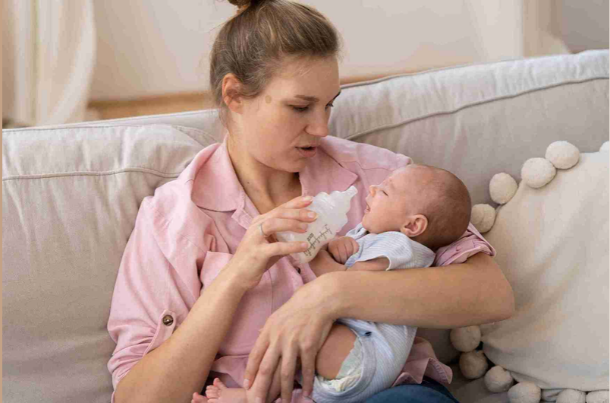
There are few things that tug at a parent’s heart quite like hearing a baby suddenly cry in the middle of the night.
You may rush into the room expecting hunger, a wet diaper, or a lost pacifier, only to find your little one still sleepy, unsettled, and difficult to comfort. In those moments, it is natural to wonder: can babies have nightmares, or is something else happening while they sleep?
As a caring mom, I know how quickly nighttime worries can fill your mind. One unexpected cry can have you standing beside the crib wondering whether your baby was frightened, dreaming, uncomfortable, or simply moving between sleep cycles.
Baby sleep is still developing during the first years of life, and nighttime crying does not always mean something is wrong. Understanding what may be happening can help you respond calmly while giving your baby the comfort and reassurance they need.
Can Babies Have Nightmares?
The honest answer is that we cannot know exactly what a baby experiences while dreaming.
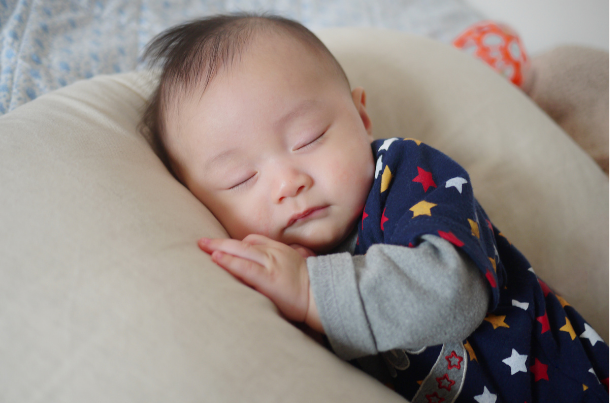
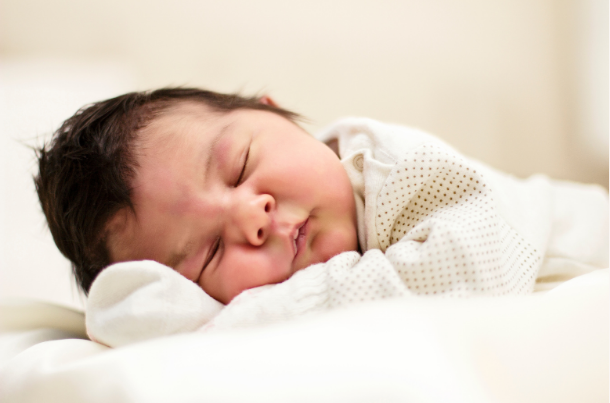
Babies do spend a significant amount of time in active sleep, a stage that shares some characteristics with REM sleep in adults. During this time, you may notice your baby smile, twitch, move their eyes beneath their eyelids, make tiny sounds, or briefly fuss.
But whether very young babies experience frightening dreams in the same way older children and adults do is much less clear.
Nightmares require more than simply dreaming. They usually involve frightening images, memories, ideas, or imagined situations. A young baby does not yet have the same emotional understanding, language, imagination, or memory development as an older child.
This is why many sleep experts believe true nightmares are more likely to appear as children grow older and their imaginations become more developed.
So when parents ask, do babies have nightmares, the answer is usually not a simple yes or no.
Your baby may certainly dream, but nighttime crying during infancy is often caused by normal sleep transitions, hunger, discomfort, developmental changes, or simply needing a little reassurance.

Why Does My Baby Suddenly Cry While Sleeping?
This is one of those parenting moments that can look much more dramatic than it actually is.
Babies move through different stages of sleep throughout the night. Their sleep cycles are shorter than an adult’s, which means they naturally move into lighter sleep more frequently.
During these transitions, your baby may briefly cry out, grunt, whimper, move their arms, or even open their eyes before settling again.
Sometimes the cry lasts only a few seconds.
If you immediately pick your baby up, you may accidentally wake them completely when they were actually on their way back to sleep.
Of course, there will also be times when your baby genuinely needs you.
The goal is not to ignore crying. It is simply to pause long enough to observe what is happening.
Your Baby May Be Moving Between Sleep Cycles
Young babies are noisy sleepers.
That was something I certainly did not understand before becoming a mom. I imagined babies sleeping peacefully and silently like they do in photographs.
Real baby sleep can involve squeaking, grunting, twitching, stretching, sudden cries, head movements, and surprisingly dramatic facial expressions.
A brief cry followed by quiet sleep may simply mean your baby moved through a lighter stage of sleep.
If your baby’s eyes remain closed and the crying stops quickly, giving them a few moments before intervening may be enough.
Hunger Can Wake Babies Suddenly
For young babies, especially newborns, nighttime waking is often connected to feeding.
Young babies need to feed frequently, so waking during the night for feeds is normal, particularly during the newborn months.
, and waking to eat is completely normal.
A hungry baby may begin with small restless movements before progressing to stronger crying.
If your baby has been asleep for several hours and seems fully awake, feeding may be the simple answer.
Gas or Digestive Discomfort Can Disturb Sleep
Gas has a frustrating way of appearing just when everyone finally settles down for the night.
Babies may pull their legs toward their tummy, squirm, grunt, arch their back, or wake crying if they are uncomfortable.
Gentle burping after feeds and keeping your baby upright for a short period after feeding may help some babies feel more comfortable.
If digestive discomfort happens frequently or your baby seems to be in significant pain, it is worth discussing with your pediatrician.
Your Baby May Simply Need Comfort
Babies are not being difficult when they want closeness.
They have spent months hearing your heartbeat, feeling warmth, and being constantly surrounded by movement and sound.
Being placed in a quiet sleep space is a very different experience.
Sometimes your baby wakes because they need reassurance that you are still close.
A gentle hand on the chest, quiet shushing, or calmly speaking to them may help without fully waking them.
Do Babies Have Nightmares as They Get Older?
Dreaming develops alongside the brain.
As babies grow into toddlers, they begin understanding much more about the world around them. Their memory becomes stronger, their imagination expands, and they begin processing emotions and experiences in more complicated ways.
At this stage, frightening dreams can become more believable.
A toddler who remembers seeing a barking dog, a loud vacuum cleaner, a shadow in the hallway, or a character in a story may later incorporate those experiences into dreams.
That is why nightmares tend to become more noticeable during toddlerhood and childhood.
Very young babies, on the other hand, are unlikely to experience nightmares in exactly the same way.
If your six-month-old suddenly cries during sleep, there are usually several more likely explanations before assuming they experienced a frightening dream.
What Does a Nightmare Look Like in a Child?
A nightmare usually causes a child to wake fully.
Older toddlers and children may cry, call for a parent, cling tightly, or seem frightened after waking.
They may remember at least part of the dream and sometimes describe what scared them.
They are usually receptive to comfort.
A cuddle, calm voice, familiar stuffed toy for children old enough to safely sleep with one, or a little reassurance can help them settle again.
This is different from another sleep experience parents sometimes confuse with nightmares: night terrors.
Nightmares and Night Terrors Are Not the Same Thing
Night terrors can be incredibly unsettling to witness.
A child experiencing one may scream, sit upright, sweat, breathe quickly, appear frightened, or have their eyes open while still being mostly asleep.
They may not recognize you or respond normally when you try to comfort them.
Unlike nightmares, night terrors generally happen during deeper non-REM sleep, and children often have no memory of the event the next morning.
Night terrors are more commonly described in toddlers and older children than in young infants.
If your child experiences repeated nighttime episodes that concern you, recording what happens and discussing it with your pediatrician can be helpful.
Why Baby Sleep Can Look So Restless
One thing I wish more new parents were told is that peaceful-looking baby sleep is not always actually peaceful-looking.
Babies can be incredibly active while sleeping.
You may notice:
- Fluttering eyelids
- Smiling or frowning
- Sudden arm movements
- Short cries or whimpers
- Sucking motions
- Grunting
- Small body twitches
- Brief stretches
- Changes in breathing rhythm
Many of these behaviors occur during normal active sleep.
Watching them on a baby monitor at 2 a.m. can make every little movement feel significant, especially when you are already tired.
Try to look at the bigger picture rather than one isolated sound or movement.
If your baby settles again, breathes comfortably, feeds normally, and behaves normally when awake, an occasional cry during sleep is usually far less alarming than it sounds.
Should I Wake My Baby If They Cry in Their Sleep?
Not necessarily.
If your baby lets out one short cry but remains asleep, consider waiting for a moment.
They may settle on their own.
You can quietly observe from beside the crib or through the monitor.
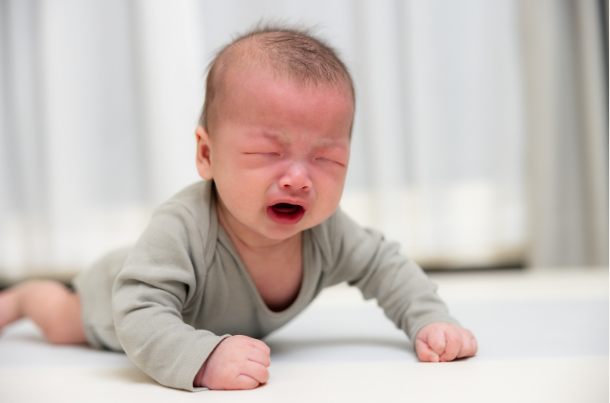
If the crying becomes stronger, continues, or your baby fully wakes, then respond as you normally would.
Check whether they need feeding, a diaper change, comfort, or help settling.
You know your baby’s normal behavior better than anyone else.
There is a difference between a sleepy little whimper and the cry your baby makes when something genuinely feels wrong.
Learning those differences takes time, and no parent gets it perfectly right from day one.
How to Comfort a Baby Who Wakes Crying
When your baby wakes suddenly, your calm presence can make a huge difference.
You do not need complicated sleep tricks.
Start with the simplest possibilities.
Keep the Environment Calm
Try using a quiet voice and keeping the room dim.
Bright lights can signal daytime and make it harder for your baby to return to sleep.
If you need to change a diaper or feed your baby, keeping things calm and boring can help preserve that sleepy nighttime feeling.
Offer Gentle Reassurance
Sometimes your voice is enough.
Place a hand gently on your baby’s chest or stomach while they remain safely on their back.
Soft shushing or speaking quietly may help them relax.
If they continue crying, pick them up and comfort them.
Responding to a baby who needs reassurance will not spoil them.
Check Basic Needs
Run through the simple possibilities.
Are they hungry?
Is the diaper uncomfortable?
Does the room feel too warm or cold?
Do they need burping?
Could clothing be twisted or irritating them?
Sometimes what appears to be mysterious nighttime distress has a very ordinary explanation.
Creating a Calm Bedtime Routine
A bedtime routine will not prevent every nighttime waking, and it certainly cannot guarantee your baby will never have a bad dream later in childhood.
But predictable evenings can help babies understand that sleep is coming.
The routine does not need to be complicated.
You might do a warm bath, fresh diaper, pajamas, feeding, short story, cuddle, and then bed.
Repeating the same gentle sequence each evening can become a reassuring signal.
Babies thrive on familiarity.
When the final part of the day feels calm and predictable, bedtime can gradually become less overwhelming for everyone.
Protecting Your Baby’s Sleep Environment
Whenever we talk about baby sleep, safe sleep matters more than creating the perfect sleep routine.
Place your baby on their back for every sleep on a firm, flat sleep surface designed for infants.
Keep pillows, loose blankets, soft toys, bumper pads, and other soft objects out of the baby’s sleep area.
Even if you believe your baby is having a frightening dream, avoid adding comfort items that are not considered safe for their age.
Your presence, voice, and touch are more than enough reassurance.
Can Overtiredness Cause More Nighttime Crying?
It can.
It sounds strange, but babies who become very overtired sometimes have more difficulty sleeping peacefully.
Instead of simply falling asleep immediately, they may become fussy, restless, or harder to settle.
An overtired baby may also wake more frequently.
Watching your baby’s sleepy cues can help.
Depending on age, you might notice yawning, staring into space, rubbing eyes, becoming unusually quiet, turning away from stimulation, or getting increasingly fussy.
Trying to start bedtime before your baby becomes completely exhausted may make evenings easier.
There is no need to chase a perfect schedule.
Babies are individuals, and sleep needs can vary widely.
Could Teething Cause Crying During Sleep?
Teething can occasionally make sleep more unsettled.
Some babies experience sore gums, extra drooling, chewing, and general fussiness when teeth are beginning to come through.
If your baby wakes crying and is showing other signs of teething during the day, discomfort may be contributing.
If teething seems to be changing your baby’s sleep more generally, this guide on whether babies sleep more when teething explains why some babies become more restless, wake more often, or seem extra tired during this stage.
However, not every difficult night should automatically be blamed on teething.
Babies wake for many different reasons.
If your baby appears unusually uncomfortable or you are unsure how to manage pain safely, speak with your pediatrician before giving medication.
What About Separation Anxiety?
As babies grow, separation anxiety can become another reason nighttime sleep changes.
Your baby may suddenly understand that you can leave the room while not yet fully understanding that you will always return.
That realization can feel enormous to a little person.
A baby who previously settled easily may begin crying when placed in the crib or calling out during the night.
This can sometimes be mistaken for fear from a dream.
Offering consistent reassurance while keeping bedtime predictable can help your baby gradually feel secure again.
When Nighttime Crying Deserves Medical Attention
Most occasional crying during sleep is part of normal baby life.
Still, parents should trust their instincts when something feels different.
Contact your child’s healthcare provider if nighttime crying is frequent, unusually intense, or accompanied by other symptoms such as fever, repeated vomiting, poor feeding, significant changes in behavior, unusual lethargy, persistent coughing, signs of pain, or difficulty breathing.
If your baby is younger than 3 months and has a rectal temperature of 100.4°F (38°C) or higher, contact a healthcare professional promptly.
Seek urgent medical help if your baby appears to be struggling to breathe, turns blue or unusually pale, becomes difficult to wake, has a seizure, or appears seriously unwell.
It is always appropriate to ask for medical guidance when you are worried.
Try Not to Diagnose Every Nighttime Sound
Babies can be noisy, restless sleepers, and one unusual night does not automatically mean there is a new sleep problem. Instead of trying to explain every grunt, cry, or movement, look at the bigger picture: how your baby is feeding, breathing, behaving when awake, and whether they settle again normally.
What Parents Should Remember About Baby Dreams
If you are wondering can babies have nightmares, remember that very young babies probably do not experience detailed, frightening dreams in the same way older children do. Sudden crying during infant sleep is often more likely to come from sleep transitions, hunger, discomfort, or a need for reassurance.
As your baby grows and their imagination develops, nightmares may become more recognisable. When that happens, your calm voice, familiar presence, and reassurance can help them feel safe again.
Frequently Asked Questions
Can newborn babies have nightmares?
Why does my baby suddenly cry while sleeping?
Should I wake my baby if they cry in their sleep?
What is the difference between a nightmare and a night terror?
When should I worry about my baby crying during sleep?
A Gentle Word From One Caring Mom to Another
The middle of the night has a funny way of making every parenting worry feel bigger.
When the house is quiet and your baby suddenly cries, it is easy to stand beside the crib wondering what happened inside that little dreaming mind.
But you do not need to understand every sound your baby makes while sleeping.
You only need to keep doing what loving parents have always done: notice, respond when needed, offer comfort, and keep their sleep environment safe.
Some nights your baby will settle before you even reach the doorway.
Other nights you may spend twenty minutes rocking them while wondering whether anyone in your house will ever sleep again.
Both kinds of nights are normal.
And if you still find yourself asking, do babies have nightmares, remember that while we cannot see exactly what babies dream about, most nighttime fussing during infancy is simply part of their still-developing sleep.
So tuck your little one in safely, give them that final gentle goodnight, and be kind to yourself too.
You are learning your baby’s rhythms one night at a time.
And even on the tired nights, your loving presence is already giving them one of the safest feelings they know.
Written with warmth and care by a caring mom at Little One Haven.
Trusted Resources
Disclaimer
This article is for general educational and informational purposes only and is not a substitute for personalised medical advice, diagnosis, or treatment from your pediatrician or another qualified healthcare professional. Contact your baby’s healthcare provider if nighttime crying is frequent, unusually intense, or occurs with fever, repeated vomiting, poor feeding, significant behaviour changes, unusual lethargy, persistent coughing, signs of pain, or breathing difficulty. If your baby is younger than 3 months and has a rectal temperature of 100.4°F (38°C) or higher, seek prompt medical advice. Seek urgent medical help if your baby struggles to breathe, turns blue or unusually pale, becomes difficult to wake, has a seizure, or appears seriously unwell.
About the Author
Geeta Yogi writes warm, practical, and supportive content about baby sleep, newborn care, feeding, development, and everyday parenting. She focuses on helping parents understand common baby behaviours, recognise important warning signs, and feel more confident while navigating the tired and often uncertain early months.