
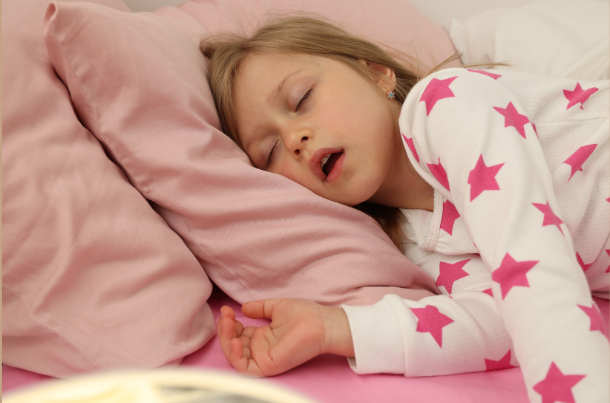
Why does my child drool while sleeping? This is a common question after parents notice a damp pillow or dried saliva near their child’s mouth. A small amount of nighttime drooling is often harmless, but other symptoms can help determine whether medical advice is needed.
A small amount of drooling during sleep is often harmless. When we sleep, we swallow less often, and saliva can escape if the mouth falls open. Babies and young children may drool more noticeably, especially during teething.
What matters is the whole picture. Occasional nighttime drooling in a child who is otherwise well is different from sudden heavy drooling with trouble swallowing, or drooling alongside loud snoring and breathing pauses. This guide explains the possible causes, what parents can look for, and when to seek medical care.
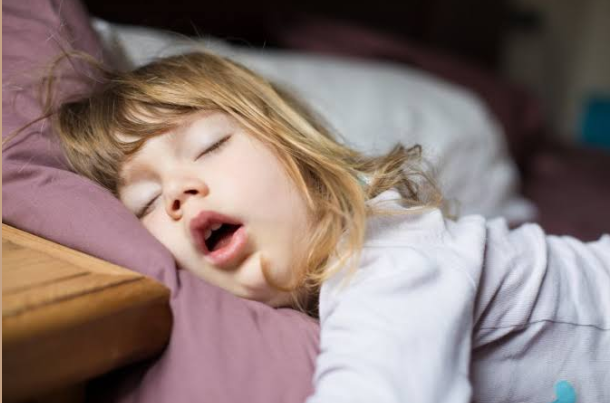
What Does Drooling During Sleep Mean?
Drooling is saliva flowing out of the mouth instead of being swallowed. Saliva is a normal and useful part of health: it moistens the mouth and helps with chewing and swallowing.
You make and swallow saliva throughout the day, usually without thinking about it. During sleep, swallowing happens less frequently. If your child’s lips are slightly open, some saliva may reach the pillow. This alone does not identify a disease.
Doctors may use the term sialorrhea for drooling that is persistent or troublesome. That is different from finding a small wet spot on a pillow now and then. To understand whether drooling needs attention, consider your child’s age, whether it happens during the day too, and whether they have other symptoms.
Is It Normal for a Child to Drool While Sleeping?
It often is. Drooling is particularly common in babies, who are still developing control over saliva and swallowing. Older children can occasionally drool during sleep as well, even if they never drool while awake.
Occasional child drooling while sleeping is generally less concerning when breathing, eating, and daytime activity remain normal.
A little nighttime drooling is generally less concerning when your child:
- Breathes comfortably during sleep
- Eats and drinks without coughing, choking, or pain
- Does not drool excessively during the day
- Seems well and active when awake
The amount may change from one night to another. For example, you might notice more drool when your child has a stuffy nose and sleeps with their mouth open.
You cannot diagnose the cause from the pillow alone. If the drooling is new, heavy, or accompanied by other symptoms, pay attention to those changes.
Why Does Saliva Come Out of the Mouth During Sleep?
The simplest explanation is that saliva has an easier path out when the mouth is open. A child may sleep with their mouth open because of their usual sleeping position or because their nose feels blocked.
Drooling can also happen when more saliva is produced or when a child has difficulty keeping it in the mouth or swallowing it. These possibilities are quite different from one another, which is why the accompanying symptoms matter.
Here are the causes parents most commonly ask about.
6 Reasons Why Your Child Drools While Sleeping
1. An Open Mouth During Sleep
If your child’s lips relax and open while they sleep, saliva can run out onto the pillow. You may notice it only on certain nights.
An open mouth does not automatically mean your child has a breathing disorder. However, regular mouth breathing, particularly with loud snoring or disturbed sleep, is worth discussing with their pediatrician.
2. A Blocked Nose
A cold or nasal congestion can make it harder to breathe comfortably through the nose. Your child may breathe through their mouth more often at night, allowing saliva to escape.
Look at whether the drooling appeared around the same time as a runny or stuffy nose and improves as your child recovers. If mouth breathing continues when they are otherwise well, ask their doctor about it.
3. Teething in Babies
If teething seems to be affecting your baby’s nights, read more about whether babies sleep more when teething.
Drooling is common in babies and can become more noticeable around teething. You might see damp clothing during the day as well as saliva near their mouth after sleep.
Drooling can increase around teething, but teething itself does not cause a true fever. If your baby has a fever, appears ill, or has trouble swallowing, contact their pediatrician rather than assuming teething is the cause.
For an infant, remove a bib before naps or nighttime sleep. A damp pillow is inconvenient, but sleep safety comes first.
4. Mouth or Throat Discomfort
A sore mouth or throat can make swallowing uncomfortable. Some children may let saliva collect or drool because swallowing hurts.
A child who suddenly begins drooling heavily and has difficulty swallowing needs prompt medical assessment. Seek emergency medical care if they cannot swallow, have trouble breathing, appear to be choking, cannot speak normally, or seem seriously ill.
5. Difficulty Swallowing
Persistent drooling can sometimes be related to dysphagia, or difficulty swallowing. Watch for problems during meals as well as sleep: coughing or choking when eating or drinking, food seeming hard to swallow, or saliva frequently escaping from the mouth.
Swallowing difficulties need a professional assessment because they can affect how safely a child eats and drinks. Do not try to manage persistent swallowing symptoms by simply changing your child’s sleep position.
6. Difficulty Controlling Saliva
Some children have difficulty moving saliva around the mouth and swallowing it regularly. This may be linked to differences in muscle control, sensation, or development. It is more likely to be noticeable during the day as well as at night.
Depending on what they find, they may suggest an assessment by a speech-language pathologist or another appropriate specialist.
Can Drooling While Sleeping Be a Sign of Sleep Apnea?
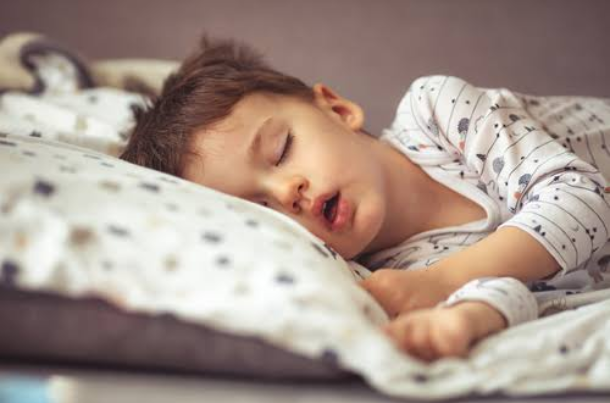
Drooling alone does not mean a child has sleep apnea. Sleep apnea is a condition in which breathing is repeatedly disrupted during sleep. In children, signs can include regular snoring and mouth breathing.
Pay closer attention if your child also has:
- Frequent, loud snoring
- Pauses in breathing
- Gasping or choking sounds during sleep
- Restless or disrupted sleep
- Daytime difficulties such as unusual tiredness or trouble paying attention
If you see these signs, speak with your child’s pediatrician. Describe the breathing and snoring, not just the drooling. The doctor can decide whether your child needs further evaluation.
Is Drooling While Sleeping a Sign of a Serious Disease?
Usually, a small amount of nighttime drooling is not a sign of a serious disease. It does not, by itself, show that your child has sleep apnea, a neurological condition, or a swallowing disorder.
Concern rises when drooling is sudden, persistent, excessive, or paired with other symptoms. For example, drooling that occurs day and night along with coughing during meals suggests a different issue from a little saliva on the pillow after a cold.
Try to avoid searching for one illness that “causes drooling.” Instead, notice when it happens and what else has changed. That information will be more useful if you need to speak with a healthcare professional.
What Can Parents Do at Home?
If your child is well and the drooling is mild, you may not need to do anything beyond keeping the sleep area clean and watching for a pattern.
Notice Whether the Nose Is Blocked
Has your child recently had a cold? Are they breathing through their mouth only while congested, or most nights? If the nose clears and the drooling settles, the pattern may have been temporary. Ongoing mouth breathing deserves a conversation with their doctor.
Pay Attention to Snoring and Sleep Quality
Occasional quiet sounds are different from frequent loud snoring, gasping, or breathing pauses. Note how often these occur and whether your child seems rested in the morning.
Check for Daytime Drooling or Eating Difficulties
A wet pillow is one observation. Drooling throughout the day, coughing with drinks, or difficulty handling food adds important information. Let your pediatrician know about any of these signs.
Care for Irritated Skin
Saliva can irritate the skin around the mouth and chin. Gently clean and dry the area when your child wakes. If the skin becomes persistently sore or develops a rash, ask your child’s clinician what is suitable for their age.
Keep Infant Sleep Safe
For babies under 1 year, place them on their backs at the start of every sleep and follow age-appropriate safe-sleep guidance.
and follow safe sleep guidance for their age. Remove bibs before sleep, and do not add loose cloths or pillows to a baby’s sleep space to absorb saliva.
When Should You Call a Doctor?
Arrange medical advice if your child has ongoing or worsening drooling, especially if it also happens while awake. Contact their pediatrician if they have trouble swallowing, cough or choke during meals, repeatedly drool through their clothes, or regularly breathe through their mouth and snore.
Seek emergency medical care if drooling begins suddenly and your child cannot swallow, has trouble breathing, appears to be choking, cannot speak normally, or seems seriously ill.
When you speak with a clinician, it may help to share:
- Your child’s age and when the drooling began
- Whether it happens only during sleep or also while awake
- Any snoring, mouth breathing, or breathing pauses
- Any fever, throat pain, or recent illness
- Whether eating or drinking has changed
These details help distinguish a common sleep observation from a symptom that needs further assessment.
FAQs About Drooling While Sleeping
Why does my child drool only while sleeping?
Is drooling on the pillow a sign of sleep apnea?
Can a blocked nose cause drooling during sleep?
Is nighttime drooling normal during teething?
What if an older child suddenly starts drooling in their sleep?
Does sleeping on one side cause drooling?
Can drooling mean my child has trouble swallowing?
Should I use medicine to stop my child’s drooling?
Final Thoughts
Occasional drooling while sleeping is often harmless, especially in babies or when a child’s mouth falls open during sleep. A little saliva on the pillow usually matters less than how your child breathes, swallows, sleeps, and feels during the day.
In most cases, child drooling while sleeping is a harmless observation rather than a sign of serious illness.
Notice the pattern without assuming the worst. If drooling becomes frequent or heavy, happens while your child is awake, or comes with snoring or difficulty swallowing, speak with their pediatrician. Sudden drooling with trouble breathing or an inability to swallow needs urgent care.
For more practical guidance on baby sleep, teething, and everyday care, explore Little One Haven.
Authoritative Sources
- MedlinePlus: Drooling medlineplus.gov
- American Academy of Pediatrics: Drooling and Your Baby
- National Heart, Lung, and Blood Institute: Sleep Apnea in Children NHLBI, NIH
- MedlinePlus: Swallowing Disorders MedlinePlus
- NHS Greater Glasgow and Clyde: Drooling in Childre
Disclaimer
This article is for general educational and parenting information only and does not replace medical advice from your child’s pediatrician or another qualified healthcare professional. Contact a healthcare professional if drooling is persistent, worsening, occurs while your child is awake, or happens with swallowing problems, frequent snoring, breathing changes, coughing, or choking. Seek emergency medical care if your child suddenly cannot swallow, has trouble breathing, appears to be choking, cannot speak normally, or seems seriously ill.
About the Author
Geeta Yogi writes practical and reassuring parenting content about children’s sleep, baby care, teething, development, feeding, and everyday health concerns. She focuses on clear, parent-friendly guidance that helps families understand common childhood changes and recognize when professional advice may be useful.
