

Welcoming a new baby into the family brings excitement, love, and many new responsibilities. One of the most important tasks for parents during the first year is ensuring their baby receives proper nutrition. A well-planned baby nutrition guide helps parents understand what to feed their baby, when to introduce new foods, and how to support healthy growth during the first 12 months of life.
During infancy, babies grow rapidly. Their brains develop quickly, their immune systems strengthen, and their bodies require the right nutrients to support this growth. Because of this, providing balanced and age-appropriate nutrition is essential.
For many new parents, feeding can feel confusing at first. Questions like when to start solid foods, what foods are safe, and how much to feed are very common. Fortunately, understanding a simple baby feeding guide 0–12 months can make feeding your baby easier and more enjoyable.
Why Nutrition Is Important in the First Year
The first year of life is a crucial period for physical and cognitive development. Proper infant nutrition helps babies grow strong and healthy while supporting brain development and immune function.
Good nutrition during infancy helps:
- Support healthy brain development
- Strengthen the immune system
- Promote healthy weight gain
- Build strong bones and muscles
- Develop healthy eating habits for life
For the first six months, most babies receive all the nutrition they need from breast milk or infant formula. These provide essential nutrients including protein, healthy fats, vitamins, and minerals.
Health organizations such as the World Health Organization recommend exclusive breastfeeding for the first six months whenever possible, as breast milk provides optimal nutrition and immune protection for babies.
Baby Feeding Guide 0–12 Months
Understanding how feeding changes as your baby grows can help parents plan meals and introduce foods at the right time.
| Here is a simple baby feeding guide 0–12 months to follow: |
| Age Feeding Recommendation |
| 0–6 months Breast milk or formula only |
| 6–8 months Pureed fruits, vegetables, baby cereal |
| 8–10 months Mashed foods and soft finger foods |
| 10–12 months Soft family foods and varied textures |
| Every baby develops at their own pace, so parents should also watch for signs of readiness when introducing solid foods. |
When to Start Solid Foods for Baby
One of the most common questions parents ask is when to start solid foods for baby. Most babies are ready around six months of age.
At this stage, babies begin to develop the motor skills needed to swallow food and explore new tastes and textures. Breast milk or formula still remains the main source of nutrition, but solid foods help provide additional nutrients, especially iron.
Experts from the American Academy of Pediatrics recommend waiting until around six months before introducing solids.
Signs Your Baby Is Ready for Solid Foods
Parents should look for developmental signs rather than focusing only on age.
Common signs include:
1. Baby Can Sit With Support
When babies can sit upright with some support and hold their head steady, it becomes easier and safer for them to swallow food.
2. Shows Interest in Food
Babies may watch family members eat, reach for food, or appear curious about what others are eating.
3. Opens Mouth When Offered a Spoon
Some babies naturally open their mouth when they see a spoon approaching.
4. Can Swallow Soft Foods
Instead of pushing food out with their tongue, babies begin learning how to swallow pureed foods.
Best First Foods for Babies
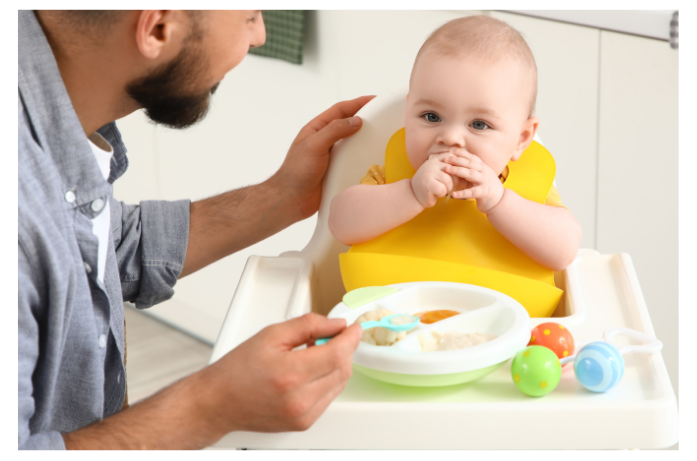
When introducing solids, parents should start with soft, simple foods that are easy to digest. These gentle foods allow the baby’s digestive system to gradually adjust.
Introducing one food at a time helps parents notice potential allergies and allows babies to explore new tastes slowly.
Below are some of the best first foods for babies.
Mashed Banana
Banana is one of the most popular first foods for babies. It is naturally sweet, soft, and easy to mash. Bananas also provide potassium and energy that growing babies need.
Apple or Pear Puree
Steamed apples or pears blended into a smooth puree make a gentle and nutritious baby food. These fruits contain fiber and vitamins that support digestion.
Soft Mashed Rice
Rice is mild and easy to digest. When cooked well and mashed into a soft texture, it becomes a simple starter food for babies beginning solids.
Carrot or Pumpkin Puree
Carrots and pumpkin are rich in vitamins such as vitamin A. When cooked until soft and blended into puree, they provide nutritious options for babies.
Iron-Fortified Baby Cereal
After six months, babies need more iron to support brain development. Iron-fortified baby cereals are often introduced early to help meet this nutritional need.
Tips for Introducing Solid Foods to Your Baby
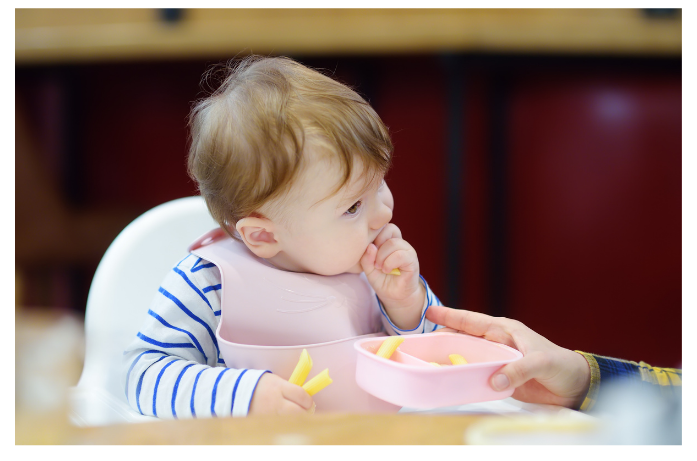
Introducing solid foods is an exciting milestone for both babies and parents. This stage allows babies to explore new tastes, textures, and nutrients beyond breast milk or formula. However, the transition should be gradual and gentle. Following a few simple baby feeding tips can make introducing solids to your baby easier and safer.
Introduce One Food at a Time
When starting solids, offer one new food at a time and wait about 3–4 days before introducing another. This approach helps parents identify possible food allergies or sensitivities and ensures that babies adjust comfortably to each new taste.
Keep Feeding Times Relaxed
Creating a calm and positive environment during meals helps babies develop a healthy relationship with food. Avoid rushing feeding time, and allow your baby to explore food at their own pace. A relaxed atmosphere can make feeding enjoyable for both baby and parent.
Watch Your Baby’s Hunger Cues
Babies communicate hunger and fullness through their behavior. Signs of hunger may include opening their mouth for food, reaching for the spoon, or showing excitement during feeding. When babies turn their head away or refuse the spoon, they may already be full.
Offer Foods More Than Once
It is normal for babies to reject a new food the first time they try it. In fact, babies sometimes need 8–10 attempts before accepting a new flavor. Parents should stay patient and continue offering healthy foods without pressure.
Avoid Honey and Hard Foods
Certain foods should be avoided during the first year of life. Honey can cause infant botulism, and hard foods such as whole nuts or raw vegetables may pose a choking risk. Always choose foods that are soft, mashed, or pureed when introducing solids.
Building Healthy Eating Habits Early
Healthy eating habits begin during infancy. When parents introduce a variety of nutritious foods early, babies gradually learn to enjoy different tastes and textures.
Parents can encourage healthy habits by:
- Offering fruits and vegetables regularly
- Avoiding added sugar or salt
- Allowing babies to explore food textures
- Eating together as a family when possible
Creating a positive feeding environment helps babies develop a lifelong healthy relationship with food.
A Special Feeding Journey for Parents and Babies
Every baby is unique, and feeding experiences can vary widely. Some babies eagerly try new foods, while others may take more time to accept unfamiliar tastes.
Parents should remain patient and follow their baby’s cues. Feeding is not only about nutrition, it is also an opportunity to bond and build trust.
With patience and the right baby nutrition guide, parents can support their baby’s healthy development throughout the first year.
Frequently Asked Questions
When should babies start eating solid foods?
Most babies begin solid foods around six months of age, although parents should also watch for developmental readiness.
What are the best first foods for babies?
Soft foods such as mashed banana, apple puree, carrot puree, and baby cereal are commonly recommended.
Can I introduce multiple foods at once?
It is better to introduce one new food at a time and wait several days before introducing another.
What if my baby refuses new food?
This is very common. Babies sometimes need several attempts before accepting a new taste.
Should babies drink water before six months?
Breast milk or formula usually provides enough hydration during the first six months.
Final Thoughts
The first year of your baby’s life is full of growth, discovery, and exciting milestones. Providing proper nutrition during this stage supports healthy development, strong immunity, and brain growth.
Although feeding may feel overwhelming for new parents, following a simple baby feeding guide 0–12 months can make the process easier. By introducing first foods for babies gradually and paying attention to your baby’s signals, you can build a strong nutritional foundation for life.
Remember that every baby develops differently. With patience, encouragement, and a variety of healthy foods, parents can help their babies develop healthy eating habits that last a lifetime.
Parenting often comes with many questions, especially during the first year. From feeding guidance to sleep routines and baby development tips, having reliable information can make the journey easier and more enjoyable.
If you found this baby nutrition guide helpful, explore more expert-backed parenting tips and baby care resources at Little One Haven.
Disclaimer
This article is for informational purposes only and does not replace professional medical advice. Every baby has unique nutritional needs, so parents should consult a pediatrician or qualified healthcare professional before making decisions about their baby’s diet or health.
| Sources |
| World Health Organization (WHO) – Infant Nutrition |
| HealthyChildren.org – Feeding & Nutrition (American Academy of Pediatrics) |