
Pregnancy changes almost everything, your body, your emotions, your daily routine, and yes… even the way you sleep. If you’ve been tossing and turning at night trying to find a comfortable sleeping position during pregnancy, you are absolutely not alone. Many moms-to-be struggle with sore hips, back pain, heartburn, shortness of breath, and a growing belly that suddenly makes sleep feel impossible.
As moms ourselves, we also know how important rest is during pregnancy, not just for your body, but for your emotional well-being too. The good news is that a few gentle changes in your pregnancy sleeping posture can make a huge difference in your comfort and safety.
So let’s talk honestly, mom to mom, about the best way to sleep while pregnant, what positions to avoid, and simple pregnancy sleep tips that can help you finally get the restful sleep your body needs.
Why Sleep Becomes So Difficult During Pregnancy
In the early months, many women feel unusually sleepy because of hormonal changes. But as pregnancy progresses, sleep often becomes more interrupted and uncomfortable.
Your growing belly changes your center of gravity, your bladder seems to wake you every hour, and your baby may suddenly decide nighttime is the perfect time for gymnastics.
Some common reasons sleep becomes harder during pregnancy include Comfort matters too, and the best sleeping position is often the one that helps you rest peacefully while supporting both you and your baby.
- Back and hip pain
- Leg cramps
- Heartburn
- Frequent urination
- Anxiety or racing thoughts
- Difficulty finding a comfortable position
- Shortness of breath
Sometimes it’s simply because your body is working so hard growing a tiny human.
Please remember this: struggling with sleep during pregnancy does not mean you’re doing anything wrong. Your body is adapting in incredible ways.
Finding a supportive sleeping position during pregnancy can help reduce pressure on your back, hips, and growing belly.
The Best Sleeping Position During Pregnancy
When it comes to the safest and most comfortable sleeping position during pregnancy, doctors and pregnancy experts generally recommend sleeping on your side, especially during the second and third trimesters.
More specifically, many healthcare providers encourage left side sleeping during pregnancy because it may improve blood flow to both you and your baby.
Sleeping on your side helps:
- Improve circulation
- Reduce pressure on major blood vessels
- Support healthy blood flow to the placenta
- Decrease swelling in the legs and feet
- Reduce strain on your back
That said, don’t panic if you wake up on your back occasionally. Most moms naturally shift positions throughout the night. What matters most is gently returning to a comfortable side position when you notice it.
Your body is smarter than you think.
Why Left Side Sleeping During Pregnancy Is Often Recommended
You’ve probably heard countless people say, “Sleep on your left side!”, but no one always explains why.
The reason is simple: your inferior vena cava, a large vein responsible for carrying blood back to your heart, runs slightly on the right side of your body. Sleeping on your left side may reduce pressure on this vein and support better circulation.
Benefits of left side sleeping during pregnancy may include:
- Better nutrient flow to your baby
- Reduced swelling
- Improved kidney function
- Less pressure on the liver
- Better overall comfort for many women
Swelling in the feet and ankles is also common during pregnancy, especially as your due date gets closer. If puffiness is making you uncomfortable, explore these gentle tips for understanding and managing foot swelling in pregnancy.
But here’s something important we want every mom to hear:
If sleeping only on your left side feels uncomfortable, it is perfectly okay to switch sides. The goal is restful sleep, not perfection.
Many women also wonder whether sleeping on the right side during pregnancy is safe. In most cases, both the left and right side are considered safe if they feel comfortable.
Stress about sleeping positions can sometimes become more exhausting than the position itself.
Is Sleeping on Your Back Safe During Pregnancy?
During early pregnancy, sleeping on your back is usually not a major concern. But later in pregnancy, especially after around 20 weeks, back sleeping may become uncomfortable and less ideal.
When you lie flat on your back, the growing uterus can place pressure on important blood vessels and organs.
This may lead to:
- Dizziness
- Lower circulation
- Back pain
- Shortness of breath
- Increased discomfort
Many pregnant women naturally stop sleeping on their backs because their bodies simply don’t feel comfortable that way anymore.
If you wake up on your back, try not to worry. Just gently roll back onto your side and settle in again.
Pregnancy is not about being perfect every second. It’s about caring for yourself with gentleness.
Is Sleeping on Your Stomach Harmful?
In early pregnancy, many women still sleep comfortably on their stomachs. Your baby is well protected by the uterus and amniotic fluid.
But as your belly grows, stomach sleeping naturally becomes difficult and uncomfortable.
Most moms transition away from stomach sleeping on their own somewhere during the second trimester.
If you miss stomach sleeping, pregnancy pillows can sometimes help recreate a cozy supported feeling without putting pressure on your belly.
How to Sleep During Pregnancy More Comfortably
A proper sleeping position during pregnancy combined with pillow support can improve sleep quality.
Finding comfort during pregnancy often takes a little creativity. What worked one week may suddenly stop working the next.
Here are some gentle and practical ways to improve sleep comfort during pregnancy.
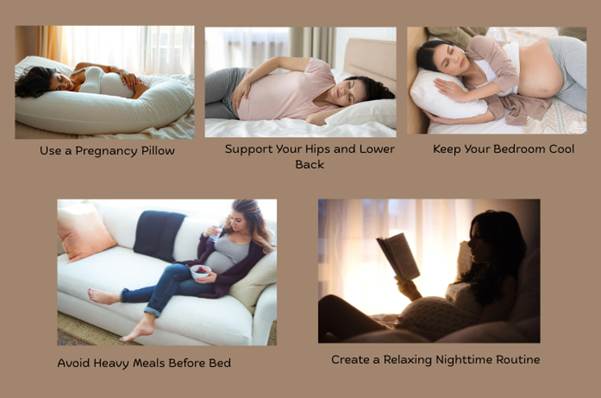
Use a Pregnancy Pillow
A supportive pregnancy pillow can truly feel life-changing.
You can place pillows:
- Between your knees
- Under your belly
- Behind your back
- Under your feet
These small adjustments help reduce pressure on your hips and spine.
Many moms find that hugging a pillow also provides emotional comfort and helps them relax faster.
Support Your Hips and Lower Back
Hip pain is one of the biggest sleep struggles during pregnancy.
Try placing a soft pillow between your knees while sleeping on your side during pregnancy. This helps align your hips and can reduce lower back strain.
If your mattress feels too firm, adding a soft mattress topper may also help.
Experimenting with pillow placement can help you find a sleeping position during pregnancy that supports both your hips and lower back.
Keep Your Bedroom Cool
Pregnancy can make your body feel warmer than usual.
A cool room, breathable cotton sheets, and lightweight pajamas can make sleep much more comfortable.
Even a small fan beside the bed can help restless nights feel more manageable.
Avoid Heavy Meals Before Bed
Heartburn during pregnancy is incredibly common, especially later in pregnancy.
Try to avoid large or spicy meals right before bedtime. Eating smaller evening meals and staying upright for a little while after dinner may help reduce discomfort.
Choosing balanced foods throughout the day can also support your energy, digestion, and overall well-being. For practical food ideas, explore this healthy pregnancy diet and meal plan designed to make everyday pregnancy nutrition feel simpler.
Some moms also find relief by slightly elevating their upper body with pillows.
Create a Relaxing Nighttime Routine
Your mind needs comfort too.
A calming bedtime routine can help signal to your body that it’s time to rest.
Simple relaxing ideas include:
- Warm showers
- Gentle stretching
- Soft music
- Reading
- Deep breathing
- Drinking warm milk or caffeine-free tea
Pregnancy can bring emotional ups and downs, and giving yourself peaceful moments before sleep truly matters.
Pregnancy Sleep Tips for Better Rest
Sometimes, small bedtime habits can make a big difference during pregnancy. If sleep has been feeling uncomfortable lately, these simple tips may help your body relax more easily at night.
Maintaining a comfortable sleeping position during pregnancy is just as important as following healthy bedtime habits.
Stay Hydrated During the Day
Drink plenty of water throughout the day, but try to reduce fluids close to bedtime. This may help minimize frequent nighttime bathroom trips while still keeping your body hydrated.
Stretch Gently Before Bed
Light stretching before sleep can help relax tight muscles and reduce leg cramps. Focus on gentle movements for your hips, calves, and lower back to ease tension after a long day.
Don’t Stress Over Every Wake-Up
Waking up during pregnancy is very common. Instead of getting frustrated, try adjusting your pillows, changing positions, or taking a few slow breaths to help your body settle back down naturally.
Rest Without Guilt
If nighttime sleep feels difficult, short daytime naps can help restore your energy. Your body is working incredibly hard right now, and extra rest is sometimes exactly what you need.
Even when finding the right sleeping position during pregnancy feels difficult, giving your body extra opportunities to rest can make a meaningful difference.
Safe Sleeping Positions for Pregnant Women
As your pregnancy progresses, finding a comfortable sleeping position can start to feel a little challenging. The good news is that you don’t need to overthink every movement at night. What matters most is choosing positions that help your body feel supported, relaxed, and safe.
For most moms-to-be, sleeping on the side is considered the most comfortable and recommended option during pregnancy. Both the left and right side can work well, especially when you use pillows to support your belly, back, or knees. Many women find that side sleeping with soft pillow support helps reduce pressure on the hips and lower back.
As your belly grows, lying flat on your back for long periods may become uncomfortable and can sometimes cause dizziness or back strain. Sleeping on your stomach also naturally becomes difficult later in pregnancy once your bump gets bigger.
Most importantly, listen to your body. If a position feels uncomfortable, your body will usually encourage you to adjust naturally during sleep. Comfort matters too, and the best sleeping position is often the one that helps you rest peacefully while supporting both you and your baby.
Choosing a safe sleeping position during pregnancy becomes especially important as your belly grows during the second and third trimesters.
Pregnancy Sleep Discomfort Solutions That Actually Help
Pregnancy discomfort can feel especially overwhelming during the later months, when your growing belly makes it harder to relax and sleep comfortably. The good news is that a few small changes can often bring real relief and help your body feel more supported at night.
For Back Pain
Back pain is one of the most common pregnancy sleep struggles. Many moms find relief by placing a soft pillow under the belly or between the knees while sleeping on the side. Warm compresses before bed can also help relax sore muscles and ease tension in the lower back.
For Heartburn
Heartburn tends to become more noticeable as pregnancy progresses, especially after large evening meals. Sleeping with your head slightly elevated and avoiding spicy or heavy nighttime snacks may help reduce discomfort. Eating smaller dinners can also make bedtime feel much more comfortable.
A slightly elevated sleeping position during pregnancy may also provide relief when nighttime heartburn makes it difficult to rest.
For Leg Cramps
Those sudden nighttime leg cramps can be so frustrating. Gentle calf stretches before bed, staying hydrated throughout the day, and keeping your legs relaxed while sleeping may help reduce cramps during the night.
For Anxiety or Restlessness
Pregnancy can bring emotional ups and downs too, and sometimes a busy mind makes sleep even harder. Simple calming habits like slow breathing, soft music, dim lighting, or quiet moments before bed can help your body and mind feel more settled.
And mama, one more important reminder, you do not have to do everything alone. Whether it’s asking your partner for a back rub, extra pillow support, or simply someone to sit beside you during emotional moments, support and comfort truly matter during pregnancy.
Listening to Your Body Matters Most
One thing many moms don’t hear enough during pregnancy is this:
Your comfort matters too.
There’s so much pressure online about “perfect” pregnancy habits that many women end up anxious about every little thing, including sleep.
But your body constantly communicates with you.
If a position feels uncomfortable, dizzying, or painful, your body will usually encourage you to move naturally.
Trust yourself more than the internet noise.
You do not need to spend every night worrying about whether your elbow is at the perfect angle or whether you rolled onto your back for ten minutes.
You are already doing an amazing job.
If no sleeping position during pregnancy feels comfortable or you experience dizziness, pain, or breathing difficulty, speak with your healthcare provider.
When to Talk to Your Doctor About Pregnancy Sleep Problems
It’s completely normal to experience some sleep discomfort during pregnancy, especially as your body changes and your belly grows. But sometimes, sleep problems can become more serious and deserve extra attention from your healthcare provider.
You should reach out to your doctor if you notice severe insomnia, loud snoring, breathing pauses during sleep, ongoing dizziness, extreme swelling, or pain that makes it difficult to rest comfortably. It’s also important to speak up if anxiety or racing thoughts are regularly keeping you awake at night.
Please remember, you never have to “just deal with it” alone. Your comfort, sleep, and emotional well-being matter during pregnancy too. Asking questions and seeking support is part of taking care of yourself and your baby, and there is absolutely no shame in that.
By following the recommended sleeping position during pregnancy, many moms experience better comfort and safer rest.
FAQs About Sleeping During Pregnancy
1. What is the best sleeping position during pregnancy?
Sleeping on your side, especially the left side, is commonly recommended during the second and third trimesters because it may support better circulation and comfort.
2. Is it bad to sleep on your back while pregnant?
Sleeping on your back later in pregnancy may sometimes cause discomfort, dizziness, or pressure on blood vessels. If you wake up on your back occasionally, gently shift back onto your side.
3. Can I sleep on my stomach during pregnancy?
Stomach sleeping is usually safe during early pregnancy, but it naturally becomes uncomfortable as the belly grows.
4. Why is left side sleeping during pregnancy recommended?
Left side sleeping may help improve blood flow, reduce swelling, and decrease pressure on important blood vessels during pregnancy.
5. How can I sleep more comfortably during pregnancy?
Using pregnancy pillows, sleeping on your side, stretching gently, staying cool, and following a calming bedtime routine may help improve sleep comfort.
6. Are pregnancy pillows really helpful?
Yes, many pregnant women find pregnancy pillows helpful for supporting the belly, hips, knees, and lower back during sleep.
7. Why do pregnant women wake up so often at night?
Hormonal changes, frequent urination, heartburn, anxiety, leg cramps, and discomfort from a growing belly can all interrupt sleep during pregnancy.
8. When should I talk to my doctor about pregnancy sleep problems?
You should speak with your healthcare provider if you experience severe insomnia, breathing problems during sleep, ongoing dizziness, or anxiety that regularly affects your rest.
Final Thoughts
Mama, if sleep feels hard right now, please know you are not alone.
Pregnancy can be beautiful and exhausting at the same time. Some nights you may feel cozy and rested, while other nights you may spend hours adjusting pillows, walking the hallway, or wondering if you’ll ever sleep comfortably again.
Be gentle with yourself during this season.
The best sleeping position during pregnancy is ultimately the one that helps you feel safe, supported, and rested while caring for your growing baby. Side sleeping, especially left side sleeping during pregnancy, can support comfort and circulation, but perfection is never the goal.
Rest when you can. Ask for help when you need it. And remember that every stage of pregnancy is temporary, even the sleepless nights.
From one caring mom to another, you are doing better than you think.
At Tales of Tots, we’re here to walk beside you through every step of motherhood with caring advice, pregnancy support, and heartfelt parenting guidance made for real moms. If this article helped you feel a little more comforted today, explore more helpful pregnancy and baby care tips on Tales of Tots and continue this beautiful journey with us.
resources