
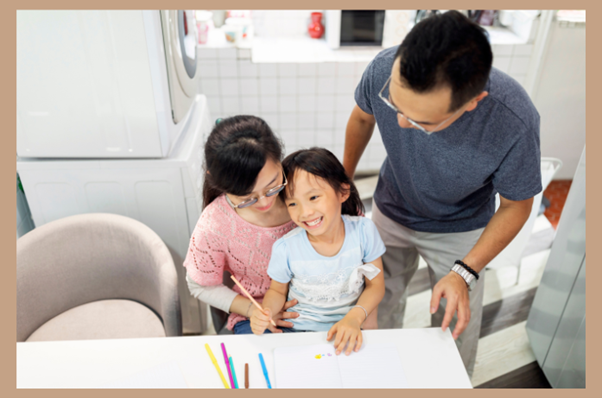
There’s a moment every parent experiences…
You watch your child hesitate before trying something new.
Maybe it’s answering a question, making a friend, or even just climbing a little higher at the park.
And quietly, you wonder…
“How can I help them believe in themselves?”
If you’ve been thinking about how to raise confident kids, I want to tell you something comforting right away, you’re already on the right path just by caring about it.
Confidence doesn’t come from big achievements or perfect parenting.
It grows slowly, in everyday moments, through your love, your patience, and the way you guide your child.
That’s why understanding how to raise confident kids in a gentle and practical way really matters for every parent.
Let’s talk about how you can gently nurture that confidence, without pressure, without stress, and without feeling like you have to “get everything right.”
How to Raise Confident Kids Without Pressure
One thing I’ve slowly realized as a parent is that confidence doesn’t look the way we often imagine it.
It’s not always the loud child in the room, or the one who answers every question, or performs perfectly. Real confidence is much quieter. It lives inside your child, in the way they think, the way they talk to themselves when no one is watching.
Learning how to raise confident kids without pressure starts with giving them love, patience, and space to grow at their own pace.
It’s that soft little voice that says, “I can try.”Or, “Maybe I can do this.”Or even, “It’s okay… I’ll try again.”
And honestly, that voice doesn’t just appear on its own. It’s shaped at home, in the small, everyday moments we often don’t even notice.
It grows in the way you respond when your child is struggling with something. When they’re frustrated, stuck, or about to give up, and you choose patience instead of pressure. When you sit beside them instead of rushing to fix everything, you’re quietly teaching them, “You’re capable. I believe in you.”
It also grows in the moments when they fail.
Because they will fail, every child does. But what matters is what they feel in that moment. If they feel judged or compared, they may start doubting themselves. But if they feel safe, understood, and supported, they learn something much more important than success… they learn resilience.
And then there’s how we praise them.
It’s so easy to say, “Good job” only when they win or achieve something. But when you notice their effort, the way they kept trying, the way they didn’t give up, the way they showed courage, you’re helping them build real, lasting confidence. The kind that doesn’t depend on results.
At the end of the day, raising a confident child isn’t about pushing them to be the best.
It’s about helping them feel safe enough to try, to fail, and to grow.
And most of the time, it’s not the big lessons that shape them…
It’s these small, loving moments with you.
Those everyday interactions may seem small, but they often leave the biggest impression on a child’s heart and mind. Over time, these quiet moments help shape their confidence, emotional security, and the way they see themselves. That’s why the small moments in parenting that matter are often the ones children remember the most.
It All Starts with Feeling Loved and Safe
Before a child can feel confident in the outside world, they first need to feel safe in their own little world, your home.
And this kind of safety doesn’t come from having perfect routines, perfect parenting, or always saying the right thing. It comes from emotional security. From the feeling that no matter what happens, my parent is here for me.
When a child truly feels this, something beautiful starts to happen.
They begin to take small risks without fear.
They try new things, even if they’re unsure.
They start speaking up instead of staying quiet.
And when things don’t go their way, they bounce back a little faster, because deep down, they know they’re not alone.
This sense of safety becomes their foundation for confidence.
As parents, it’s not about doing big, extraordinary things every day. It’s about showing up in small, consistent ways that make your child feel seen, heard, and accepted.
You can start with simple things:
• Hug them often, not just when they’re happy, but especially when they’ve had a hard day
• Truly listen when they talk, even if their story feels small or unimportant to you
• Be mindful of labels like “shy,” “stubborn,” or “lazy,” because children slowly start believing what they hear about themselves
These little moments may seem ordinary, but they quietly shape how your child sees themselves.
And sometimes, the most powerful thing you can offer isn’t advice, correction, or a long explanation.
It’s just your presence.
Saying something as simple as, “I’m here. I understand,” can mean everything to a child. It tells them they are safe, they are accepted, and they don’t have to face things alone.
And honestly, that feeling builds more confidence than any lecture ever could.
This is one of the most important parts of how to raise confident kids, because emotional safety becomes the foundation of self-belief.
Let Them Try, Even If It’s Messy
As parents, it’s so natural to want to protect our children.
We step in quickly when they struggle…
We fix things before they get too hard…
We try to make everything smoother and easier for them.
It comes from love, of course. But sometimes, without realizing it, we take away something very important, their chance to feel capable on their own.
I’ve learned this slowly, and honestly, a little the hard way.
Confidence doesn’t grow when everything is done fora child. It grows when they get the space to try… to struggle a bit… and then figure things out in their own way. Even if the result isn’t perfect, the experience itself builds something strong inside them.
When a child finally manages to do something on their own, no matter how small, it gives them a quiet sense of pride. That feeling stays with them.
So instead of jumping in right away, try pausing for a moment.
Give them a little extra time.
Let them think.
Let them attempt.
It might feel uncomfortable at first, especially when you know you could do it faster or better. But that small pause creates room for growth.
You can support them in simple, everyday ways:
• Let them try tying their shoes, even if it takes longer than usual
• Allow them to solve small problems on their own instead of immediately stepping in
• Give them time to finish tasks without rushing or correcting every step
And while they’re trying, your words matter more than you think.
Instead of correcting or taking over, gently say, “Take your time… I know you can do this.”
That one sentence carries so much power.
Because when your child sees that you believe in them, they slowly begin to believe in themselves too.
And that belief, that quiet confidence, is something they’ll carry far beyond childhood.
When you understand how to raise confident kids, you begin to see that small chances to try independently can build big confidence over time.
The Way You Praise Matters More Than You Think
Praising our kids comes so naturally to us, doesn’t it?
When they do something well, our first instinct is to smile and say things like, “You’re so smart!”or “You’re amazing!” And of course, it comes from love. We want them to feel good about themselves.
But something I’ve come to understand is this, the waywe praise our children actually shapes how they see themselves over time.
A big part of how to raise confident kids is praising their effort, courage, and persistence instead of only focusing on results.
When praise is only focused on results or labels like “smart” or “talented,” children can slowly start believing that they always need to live up to that image. And because of that, they may begin to avoid challenges. They might hesitate to try new things, simply because they’re afraid of failing and not being seen as “smart” anymore.
But when we shift our focus to their effort, something changes.
Instead of saying, “You’re so smart,” you can say,
“You worked really hard on this.”Or, “I saw how you didn’t give up, that was amazing.”
Now the message becomes very different.
Your child starts understanding that what truly matters is not being perfect, but trying. They begin to see mistakes as part of the process, not something to fear.
And this makes them braver.
They become more willing to take risks, to explore, to learn, because they know their effort is valued, not just the outcome.
Over time, this simple shift in your words builds a strong, healthy kind of confidence. The kind that doesn’t break when things don’t go perfectly.
In fact, this is one of the most effective confidence-building habits you can practice every single day, and it doesn’t require extra time, activities, or planning.
Just a small change in how you speak…
And a big change in how your child believes in themselves.
Give Them Small Responsibilities
One thing many parents don’t realize is that confidence doesn’t just come from encouragement, it also grows from feeling capableand trusted.
Children naturally feel proud when they know, “I can do things on my own.” And the good news is, you don’t need to give them big or difficult tasks to build this feeling.
Even the smallest responsibilities can make a big difference.
When you start trusting your child with little things, you’re sending a powerful message: “I believe in you. You are capable.” And children hold onto that feeling.
You can begin with simple, everyday tasks:
• Asking them to put away their toys after playing
• Letting them help you in the kitchen, like washing vegetables or stirring something
• Giving them small daily responsibilities, like arranging their books or filling their water bottle
These may seem like tiny tasks to us, but for a child, they are meaningful. They feel included, important, and responsible.
Of course, in the beginning, things won’t be perfect.
Toys may not be arranged neatly.
Water might spill.
Tasks may take longer than expected.
And that’s completely okay.
This is where your response matters most. Instead of correcting every small mistake or redoing the task yourself, try to focus on their effort.
You can say something simple like, “You did that all by yourself, that’s amazing.”
That one sentence can light up their face.
Because in that moment, they’re not being judged, they’re being appreciated.
Over time, these small responsibilities quietly build independence. Your child starts trusting their own abilities, making decisions, and taking initiative.
And when a child feels independent, confidence naturally follows.
It’s not about perfection…
It’s about giving them chances to grow, one small step at a time.
Let Them Make Choices (Even Small Ones)
One of the simplest ways to build confidence in children is something we often overlook, giving them a chance to choose.
It may not seem like a big deal to us, but for a child, being able to make even small decisions helps them feel seen, heard, and respected. It tells them that their thoughts matter, and that they have a voice.
And confidence begins right there.
You don’t have to start with big or complicated decisions. In fact, small, everyday choices are the best place to begin.
You can offer simple options like:
• “Do you want the red shirt or the blue one?”
• “Which story should we read tonight?”
• “Would you like apples or bananas?”
These little moments may seem ordinary, but they carry a deeper message.
Your child starts learning, “I can make decisions.”They begin to feel, “What I think matters.”
And slowly, this builds self-trust.
Of course, it’s important to keep the choices limited and age-appropriate. Too many options can feel overwhelming. But when you offer two or three simple choices, it gives them just enough freedom while still feeling safe and guided.
Over time, these small decisions help your child become more confident in expressing themselves. They learn to trust their preferences, speak up about what they want, and feel comfortable making choices.
And that’s a powerful skill, not just for childhood, but for life.
Because when a child grows up believing their voice matters
They carry that confidence with them wherever they go.
Create a Safe Space for Their Feelings
When we talk about confidence, we often think about skills, achievements, or independence. But there’s another important part that many of us overlook, emotions.
True confidence isn’t just about what a child can do. It’s also about how well they understand and handle what they feel inside.
Children who feel safe expressing their emotions grow into emotionally strong and secure individuals. They don’t feel the need to hide their feelings or pretend everything is okay. Instead, they learn to understand themselves, and that builds a very deep, lasting kind of confidence.
Think about those moments when your child is upset.
Maybe they’re crying over something small…
Maybe they’re frustrated or overwhelmed…
Our first instinct is often to fix it quickly or say things like, “Stop crying,” or “It’s not a big deal.”
But in that moment, your child isn’t just reacting to the situation, they’re trying to process a feeling they don’t fully understand yet.
And this is where your response matters so much.
Instead of shutting the emotion down, you can gently open a space for it.
You might say, “I see you’re upset. Do you want to talk about it?”
This simple shift does something powerful.
It tells your child: “Your feelings are okay. You don’t have to hide them.”
Over time, they begin to understand that emotions, whether happy, sad, angry, or frustrated, are all normal. They stop seeing their feelings as something “wrong” or something to be ashamed of.
And when children learn to accept and understand their emotions, they become more balanced, more self-aware, and more confident in who they are.
Because real confidence isn’t about never feeling upset
It’s about knowing that whatever you feel, you can handle it, and you’re not alone.
Emotional support plays a powerful role in how to raise confident kids, because children feel stronger when their feelings are accepted.
Avoid Comparisons (Even Unintentional Ones)
As parents, we don’t usually compare our children on purpose. It often slips out in everyday moments, sometimes out of concern, sometimes out of habit.
We might say things like, “Look how well your friend did…” or “Why can’t you do it like them?”
It may seem harmless, even motivating. But over time, these small comparisons can quietly affect how a child sees themselves.
Instead of feeling encouraged, they may start feeling less than.
They begin to think, “Maybe I’m not good enough.”Or, “I’ll never be as good as others.”
And slowly, this chips away at their confidence.
The truth is, every child is different.
Some learn quickly, some take more time.
Some are naturally outgoing, others are more quiet and observant.
Some excel in academics, others shine in creativity or kindness.
There is no single “right” way to grow.
When we compare, we shift their focus away from their own journey. But when we focus on theirprogress, something much healthier begins to build.
You can say things like:
• “You’ve improved so much.”
• “I can see how hard you’re trying.”
• “I’m really proud of your effort.”
These words help your child look inward instead of outward. They start measuring themselves not against others, but against who they were yesterday.
And that’s where real confidence grows.
Because your child doesn’t need to be better than anyone else.
They just need to feel proud of who they are becoming.
Use Play as a Confidence Tool
Sometimes, we think of play as just a way for children to pass time or stay entertained. But the truth is, play is one of the most powerful ways children learn about themselves and the world around them.
Through play, children are not just having fun… they are exploring, experimenting, and growing in ways we often don’t even notice.
And the most beautiful part? Confidence builds naturally during these moments.
When children play, there’s no pressure to be perfect. No fear of getting things “wrong.” They feel free to try, imagine, and express themselves, and that freedom is where confidence begins.
You can support this by encouraging different types of play in simple, everyday ways:
• Pretend play like playing teacher, doctor, or shopkeeper helps them step into new roles. It allows them to express ideas, use their imagination, and feel a sense of control and creativity.
• Outdoor play like running, climbing, or balancing helps them trust their bodies. They take small physical risks, test their limits, and feel proud of what they can do.
• Creative play like drawing, building, or storytelling gives them space to create something of their own. There’s no “right” or “wrong,” which helps them feel confident in their unique ideas.
During play, something important is happening quietly in the background.
Children are making decisions on their own.
They’re solving little problems.
They’re trying new things, sometimes failing, and trying again.
And each of these small moments sends a message to their mind: “I can do this.”
As parents, we don’t need to control or direct every part of their play. Sometimes, the best thing we can do is simply step back, watch, and let them lead.
Because in those playful, unstructured moments…
Your child is not just playing.
They’re building confidence that will stay with them for life..
Be Their Support System, Not Their Critic
Children are learning every single day.
They’re figuring out how to speak, how to behave, how to solve problems, and even how to understand themselves. And in this process, mistakes are not just normal, they’re necessary.
What they don’t need is perfection.
What they truly need is gentle guidance.
And the way we respond in those moments matters more than we often realize.
It’s easy, especially on busy or stressful days, to say something like, “Why can’t you do this right?” But words like these can make a child feel discouraged or unsure of themselves. Instead of learning, they may start doubting their abilities or becoming afraid of making mistakes.
But when we shift our approach, everything changes.
You can say something like, “Let’s try this together again.”
This simple sentence feels completely different to a child.
It tells them: “You’re not alone. It’s okay to get it wrong. We can figure it out together.”
Your tone, your words, and your reactions quietly shape how your child sees themselves. They can either build confidence… or slowly break it down.
When children feel supported instead of criticized, they become more open to trying again. They don’t fear mistakes as much, because they know they won’t be judged harshly for them.
And that willingness to try again, without fear, is at the very heart of confidence.
In the end, your child doesn’t need a perfect teacher.
They need a parent who stands beside them, especially when things don’t go right.
Teach Them That Mistakes Are Okay
If there’s one lesson that truly shapes a child’s confidence, it’s this, mistakes are not something to fear.
They are a natural and important part of learning.
But children aren’t born knowing this. They learn it by watching us, how we react when theymake a mistake, and even more importantly, how we handle our own mistakes.
When a child spills something, gets an answer wrong, or struggles to do a task, they often look at us to understand what that moment means. Is it something bad? Something embarrassing? Or just a normal part of trying?
That’s where your response becomes so powerful.
Instead of reacting with frustration or disappointment, you can show them a different way to see mistakes.
You can calmly say, “That didn’t work… but we learned something new.”
In that moment, you’re teaching them that mistakes are not the end, they’re just a step in the process.
You can also model this in your everyday life:
• Let them see that it’s okay when you make a mistake
• Laugh at small errors instead of getting upset
• Show them how you try again instead of giving up
These small actions send a strong message: “It’s safe to try. It’s okay to get it wrong.”
And when children start believing this, something shifts inside them.
The fear of failure slowly fades.
They become more willing to try new things.
They stop worrying so much about being perfect.
And in that safe space, where mistakes are allowed, confidence begins to grow naturally.
Because a confident child isn’t one who never fails…
It’s one who knows they can try again, no matter what.
Support Their Social Confidence Gently
Not every child is naturally outgoing, and that’s perfectly okay.
Some children walk into a room and start talking right away. Others take their time. They observe first, stay close to you, and slowly warm up. Neither is wrong. It’s simply their personality.
And it’s important to remember, confidence doesn’t mean being loud, talkative, or the center of attention. True confidence is feeling comfortable in your own way, at your own pace.
As parents, our role isn’t to change who our child is… but to support them as they grow.
You can gently help build their social confidence in simple ways at home:
• Practice small conversations in a relaxed setting, like saying hello, introducing themselves, or asking simple questions
• Encourage social interaction, but avoid forcing them into situations they’re not ready for
• Be patient with their pace, even if it feels slow compared to other children
When children feel pressured to “open up” quickly, they may become more anxious or withdrawn. But when they feel accepted as they are, they slowly gain the courage to step forward on their own.
You can also reassure them with small, comforting words like, “It’s okay to take your time. I’m right here.”
That sense of safety helps them build confidence from within, not from pressure, but from trust.
And the most beautiful thing is, when confidence grows naturally like this, it becomes strong and lasting.
Because your child isn’t trying to be like someone else
They’re learning to be comfortable being themselves. Top of Form
Bottom of Form
Be the Example They Learn From
Children don’t just listen, they observe.
They watch how you handle challenges, stress, and even your own self-talk.
If they see you:
- Trying new things
- Staying calm during difficulties
- Speaking kindly about yourself
They learn to do the same.
Even saying something simple like:
“I’m nervous, but I’ll give it a try”
can teach them courage.

Celebrate Small Wins Every Day
YYou don’t have to wait for big achievements to feel proud of your child.
Confidence isn’t built in grand moments, it grows quietly, in the small, everyday things your child does. The little efforts, the tiny steps forward, the moments that might seem ordinary… but are actually everything.
Celebrate when your child:
- Tries something new, even if they’re unsure
- Speaks up, even if their voice is soft
- Finishes a small task, even if it took effort
These moments may look small from the outside, but for your child, they can feel big and meaningful.
Sometimes, all it takes is a gentle acknowledgment:
“I noticed that… you did really well.”
That one sentence can light up their confidence more than we realize. It tells them they are seen, appreciated, and capable.
Over time, these small celebrations become the foundation of strong self-belief.
So don’t wait for big milestones.
Notice the little things.
Celebrate them with love.
Because in those small wins… confidence quietly grows.

When Confidence Takes Time… Be Patient
Some children step forward boldly, while others move more quietly, taking their time to feel safe and sure. Neither path is better. They’re just different.
If your child seems shy, hesitant, or unsure, it doesn’t mean they’re lacking something. It often means they’re observing, processing, and building their confidence in their own way. They may need a little more reassurance, a little more space, and a lot of gentle encouragement.
What matters most is your presence.
Your patience tells them they’re not being rushed.
Your support shows them they’re not alone.
Confidence doesn’t always appear in big, obvious moments. Sometimes it grows softly, in small efforts, in quiet courage, in the tiny steps we might almost miss.
And one day, you’ll notice it…
in the way they speak up,
try something new,
or simply believe in themselves a little more.
So stay patient. Stay present.
Because confidence, when nurtured with love, always finds its way.
FAQs: How to Raise Confident Kids
1. How can I raise confident kids at home?
By giving emotional support, encouraging effort, allowing independence, and creating a safe space for your child to express themselves.
2. What helps raise confident kids the most?
Consistent love, patience, positive communication, and opportunities to try things independently help build confidence.
3. Can praise help raise confident kids?
Yes, but praising effort instead of results helps children develop real confidence and resilience.
4. What activities help raise confident kids?
Pretend play, problem-solving tasks, small responsibilities, and creative activities all help build confidence naturally.
5. How to raise confident kids in everyday life?
You can raise confident kids by showing consistent love, praising effort, allowing small choices, encouraging independence, and creating a safe space for their feelings.
Final Thoughts
If you’ve been thinking about how to raise confident kids, I want you to pause for a moment…
You don’t need to be perfect.
You don’t need to have all the answers.
Your love…
Your patience…
Your presence…
That’s what truly shapes your child.
Some days will feel smooth.
Some days will feel overwhelming.
But every time you:
- Listen to them
- Encourage them
- Believe in them
You are helping them believe in themselves too.
And that’s the kind of confidence that lasts a lifetime.
If this guide helped you feel more confident as a parent, you can explore more gentle and practical parenting tips here: littleonehaven
Helpful Parenting Resources
Research also shows that emotional connection and early experiences play a powerful role in building a child’s confidence:
• Insights from the Harvard Center on the Developing Child research on early childhood development show that early experiences shape brain development and long-term confidence
• According to the UNICEF parenting guidance on child well-being and emotional development, children thrive in safe, supportive, and nurturing environments