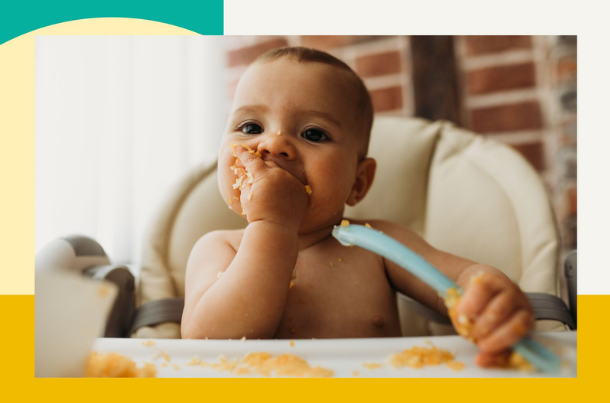
When your toddler refuses lunch, it can feel surprisingly discouraging. You’ve prepared something they usually enjoy, brought them to the table, and barely sat down before hearing, “No.” Perhaps they eat two bites and ask to leave. Perhaps the lunchbox comes home looking almost exactly as it did that morning.
An untouched meal can understandably bring many questions. Are they getting enough? Was the snack too close to lunchtime? Should you offer something else?
One refused meal doesn’t tell the whole story. Looking at your child’s routine, comfort, and eating across the day can help you respond without turning lunch into a daily struggle.
Why Your Toddler Refuses Lunch
Toddlers don’t necessarily arrive at every meal with the same appetite. The CDC explains that growth slows after the first year and that children may eat different amounts from day to day.
That can be reassuring when your child is otherwise well and growing as expected. However, persistent refusal or a sudden change deserves a closer look.
Begin by looking at what happened before lunch, alongside any signs of discomfort, rather than immediately changing the menu.
Breakfast or a Snack May Still Be Keeping Them Full
A substantial breakfast, a late snack, or frequent drinks may leave little interest in lunch.
Sometimes the pattern becomes clear only when you look at the morning as a whole: toast, milk, a few crackers, fruit, and another drink.
None of those foods needs to be treated as the problem. The timing and frequency may simply need adjusting.
They May Be Too Tired to Eat Comfortably
If lunch falls close to a nap, your toddler may have little patience for sitting, handling food, or trying a less familiar meal.
You might notice rubbing eyes, frustration, or wanting to be carried before food reaches the table.
The NHS advises avoiding meals when a child is already excessively hungry or tired.
A small shift in timing may be worth trying.
The Setting May Be Distracting
Other children playing, a television, or a busy room can compete for attention.
At home, your toddler may want to return to a toy. At childcare, unfamiliar routines or a lively table may affect how they approach the meal.
Notice whether they manage better in certain settings. That information can help you make a practical change.
Something May Feel Uncomfortable
A sore mouth, illness, constipation, or difficulty chewing can affect eating.
If lunch refusal is new, check whether your child seems uncomfortable at other times too. Are they avoiding particular textures, crying when swallowing, or eating much less overall?
Don’t assume a sudden change is stubbornness. Ask your clinician about persistent symptoms or pain.
Look at the Pattern Beyond One Plate
An untouched lunch is easier to understand when you know what happens across the day.
Does your toddler eat breakfast and dinner comfortably? Are they drinking normally, playing, and maintaining their expected growth?
You don’t need to count every mouthful. A brief note of meals, snacks, drinks, and any symptoms may help if you’re concerned.
The American Academy of Pediatrics recognizes variation between meals and recommends regular eating opportunities rather than battles over individual portions.
Avoid relying on “they’ll eat eventually” when intake is consistently limited, growth is affected, or your child appears unwell.
A Quick Guide to What the Pattern May Tell You
| What you notice | A useful next step |
|---|---|
| Lunch is occasionally small, but other meals and wellbeing are usual | Keep offering regular food and watch the broader pattern. |
| Food or filling drinks are available all morning | Review timing while protecting adequate nutrition and fluids. |
| Refusal happens when your child is tired or absorbed in play | Try a small timing adjustment and a familiar transition. |
| Particular textures cause coughing, pain, or distress | Ask for assessment instead of treating it as ordinary fussiness. |
| Refusal spreads across meals, foods disappear from the diet, or growth concerns arise | Contact the clinician or a pediatric dietitian. |
The pattern can help you explain the concern, but it cannot rule out illness. A sudden change or an unwell child deserves attention even if lunch has been difficult before.
Gentle Ways to Make Lunch Easier
1. Create Predictable Eating Opportunities
Try a familiar rhythm of meals and snacks rather than continuous grazing.
The CDC describes roughly three meals and two to three snacks as a common pattern for young children, with eating opportunities generally spaced through the day.
Treat this as a flexible framework. Your child’s age, medical needs, sleep, and childcare routine may require adjustments.
Predictability should help you offer food regularly, while still allowing you to respond when your child needs something sooner. Water should remain available; do not use thirst or deliberately prolonged hunger to make lunch more appealing.
Try changing one part of the morning and seeing whether it helps over several ordinary days. For example, move a late snack earlier rather than removing all snacks. If your child has a feeding or medical plan, follow that plan and discuss changes with their care team.
2. Begin With a Small Portion
A large plate can look like a lot to manage.
Offer a modest amount and make more available if your toddler wants it. You can serve a little of the family meal, adapted safely, rather than preparing an elaborate separate lunch.
You can add another spoonful if they want more; the starting portion does not need to become an amount they must finish.
3. Include Something Familiar
Offer at least one food your child usually accepts alongside the other foods.
For example, you might serve a little rice with lentils and soft vegetables, or familiar bread beside egg and fruit.
AAP guidance recommends including an accepted food while continuing to offer variety.
The familiar item doesn’t guarantee eating. It simply gives your child a comfortable place to begin.
Keep it available without making the new food a requirement for access. “You must try the vegetables before the bread” can add pressure. Instead, serve small portions together and allow your child to choose what to approach.
4. Sit Together When Possible
Even a short shared lunch can make the setting feel less like an examination.
Eat your own food, talk about ordinary things, and let your toddler see how you manage the meal.
Try not to watch every bite or repeatedly ask whether something tastes good. Sometimes a little less attention on the plate gives everyone breathing room.
5. Give a Warning Before Ending Play
If your toddler struggles to stop an activity, help with that transition before expecting them to eat.
“One more turn, then we wash our hands for lunch.”
Let them do a small job, such as carrying a spoon or choosing between two suitable cups.
This won’t create hunger, but it may make arriving at the table less frustrating.
6. Let Them Participate
Offer manageable choices: “Would you like yogurt or soft fruit with this?” rather than asking them to design the entire meal.
Let them use their fingers or an appropriate utensil, depending on the food and their abilities.
You can help responsively without taking over every bite. If handling food seems consistently difficult, ask for advice rather than assuming independence is the only goal.
7. Respect the End of the Meal
If your child remains uninterested, end calmly.
You might say, “You’re finished. We’ll put this away now.”
Avoid repeated bargaining, punishment, or requiring a certain number of bites. The AAP advises against pressure and using treats to persuade children to eat other foods.
A calm ending doesn’t mean withholding food afterward. Continue offering regular meals and snacks, adjusting if your child is hungry sooner.
You do not need to bring the same plate back repeatedly as a consequence. Equally, there is no requirement to keep producing a different preferred meal until one is accepted. Offer a clear, kind response and return to the next suitable eating opportunity.
What If They Ask for Snacks Immediately Afterward?
This can feel confusing: lunch was rejected, but crackers sound appealing.
A preferred snack may feel familiar and easy to eat. That doesn’t tell you exactly how hungry your toddler is.
Try offering a planned snack with a useful mix of foods rather than opening an endless stream of choices. Familiar lunch foods can also appear at snack time; food doesn’t have to belong to one category.
You might offer plain yogurt with soft fruit, or bread with a suitable protein food.
Avoid making snack access a reward for eating lunch. At the same time, you don’t need to prepare several replacement meals in quick succession.
If your toddler repeatedly eats only a narrow range of snack foods, discuss the overall pattern with their clinician or a pediatric dietitian.
Avoid describing snacks as “bad” or lunch as something they must earn the snack by finishing. The aim is enough variety and nutrition across the day, offered in a rhythm your child can manage. A snack can include filling foods usually served at meals, in a smaller portion.
If Lunch Is Difficult at Daycare
Start by asking for observations rather than assuming your child behaves the same way there as at home.
Find out:
- What time lunch and the morning snack are served.
- Whether milk or other drinks are offered beforehand.
- Which foods your child accepts.
- Whether they appear tired, upset, distracted, or uncomfortable.
- How much assistance they receive.
- Whether they have enough time and an appropriate place to sit.
A lunchbox coming home full may not tell you whether your child ate food supplied by the setting.
Agree on a consistent, pressure-free response. Ask staff not to compare children’s appetites or require a clean plate.
If you pack lunch, choose containers your child can manage with suitable help and include familiar foods. Follow the setting’s allergy rules and food-storage requirements.
Ask whether the lunchbox is easy to open, the food stays at a comfortable temperature, and your child can manage the texture with the help available. A meal that works at home may be harder in a busy setting. Agree on one practical adjustment and a time to compare observations rather than changing the entire lunchbox every day.
Simple Lunches Worth Trying
You don’t need a new recipe every day. Begin with foods your family already eats and adapt texture, shape, and portion size for your child.
Possibilities include:
- Soft rice and lentils with well-cooked vegetables.
- Omelet strips with bread and soft fruit.
- Small, soft pasta shapes with a suitable sauce.
- Soft roti pieces with mashed beans or another manageable filling.
- Plain yogurt, a small sandwich, and appropriately prepared fruit.
These are starting points, not complete individualized meal plans. Consider allergies, dietary needs, and your child’s eating skills.
Sometimes serving components separately makes a meal more approachable. Other children prefer familiar foods mixed together. Notice your toddler’s response without changing everything after one refusal.
Build Variety Across the Day
Consider whether the day includes suitable sources of protein and iron, fruit or vegetables, and energy-rich foods your child can manage. A refused lunch does not need to be “made up” with a forced dinner portion.
Keep examples flexible for your family’s culture, budget, allergies, and dietary choices. If the accepted range is narrowing, ask for nutritional advice rather than relying on supplements or a growing collection of substitute foods without a plan.
Keep Mealtimes Safe
Seat your child securely upright and supervise throughout eating.
The CDC recommends a safe highchair or booster setup, close supervision, and fewer distractions during meals.
Prepare foods to reduce choking risk. Whole grapes, whole nuts, popcorn, hard raw vegetables, and thick spoonfuls of nut butter are unsuitable hazards for young children.
Don’t chase your child around offering bites or feed them while they’re running and playing.
Repeated coughing, choking, difficulty swallowing, or distress with textures needs assessment. Don’t keep pushing the same food to encourage practice.
When Refusal Needs Medical Advice
Contact your child’s clinician if refusal continues across meals, accepted foods steadily disappear, or you’re concerned about weight or growth.
Also mention persistent pain, constipation, vomiting, low energy, or meals that regularly cause significant distress.
If your child refuses drinks too, seek advice promptly. Reduced urination, dark urine, few tears, and unusual drowsiness can indicate dehydration and need urgent attention.
Get emergency help for breathing difficulty, inability to swallow with significant drooling, or difficulty waking your child. If choking means your child cannot breathe, cry, or cough effectively, start age-appropriate first aid and call emergency services immediately.
A child may need assessment before visible weight loss occurs. Feeding pain, repeated coughing, or a steadily shrinking range of accepted foods should not be dismissed simply because a recent weight was reassuring.
You don’t need to wait for weight loss before discussing a feeding problem. Your observations and the effect on family life are worth bringing up.
Frequently Asked Questions
What if my toddler refuses lunch at daycare?
Ask staff about timing, drinks, food choices, fatigue, and the mealtime environment. Compare patterns with home and agree on a calm approach. Persistent low intake or signs of discomfort deserve professional advice.
What should I do if my toddler refuses all food?
Refusal across meals is different from skipping lunch. Contact their clinician, particularly if it is sudden or persistent. Seek urgent help for poor fluid intake, reduced urination, unusual sleepiness, or other signs of illness.
Where should I start with toddler lunch ideas for picky eaters?
Use a familiar food alongside small portions of other suitable foods. Simple family meals often work better than constantly preparing something new. Adapt ingredients and textures to your child’s needs.
What if my toddler only wants snacks?
Look at timing, drinks, and which foods feel manageable. Offer predictable meals and substantial snacks without pressure. Get advice if their diet remains very restricted or growth and wellbeing are affected.
Should I offer dessert after an uneaten lunch?
Avoid using dessert as payment for bites. If it is part of the planned meal, keep your approach neutral rather than making it dependent on finishing other food.
Should I reduce milk to make them hungry?
Review milk intake with your clinician if you suspect it is crowding out food. Don’t abruptly restrict nutrition or fluids. The appropriate amount depends on age, diet, and individual needs.
How long should lunch last?
There is no need to prolong an uninterested child’s meal indefinitely. The CDC notes that a meal may last 10 to 15 minutes or as long as a child can comfortably pay attention. This is not a strict cutoff: allow an interested child time to eat and offer help if the task is difficult.
Should I make my toddler take one bite before leaving?
Avoid requiring bites as a condition for ending the meal. Offer suitable food, help when needed, and keep the atmosphere calm. If refusal is persistent or eating seems painful or difficult, investigate the cause rather than increasing pressure.
Can I move lunch earlier if it clashes with the nap?
A small adjustment may help if your toddler is regularly too tired to eat comfortably. Check the morning snack and the rest of the day so they still have enough eating opportunities. A short-term change is something to observe, not a guarantee that lunch will improve immediately.
What should I record before asking for feeding advice?
A short account of meal and snack timing, drinks, accepted foods, and any pain, coughing, vomiting, or bowel symptoms can help. Mention whether the pattern occurs at home and childcare. You do not need a perfect diary or calorie count before contacting a professional.
A Gentle Reminder for the Parent Facing Another Untouched Plate
When your toddler refuses lunch, it’s easy to feel responsible for every bite they don’t take.
Offer suitable food, make the setting comfortable, and leave room for their appetite. Look for patterns, make one manageable adjustment, and ask for help when the concern extends beyond an occasional meal.
You don’t need a perfect lunchbox or a persuasive speech. Your child needs regular opportunities to eat safely—and you both deserve a calmer experience at the table.
For the next lunch, try one manageable change: a smaller portion, an earlier transition from play, or a familiar food beside the family meal. Notice what helps, keep regular eating opportunities available, and ask for guidance if the concern persists.
Resources
American Academy of Pediatrics: Signs of Dehydration in Infants and Children
CDC: Tips for Mealtime Routines
CDC: How Much and How Often to Feed
American Academy of Pediatrics: 10 Tips for Parents of Picky Eaters