
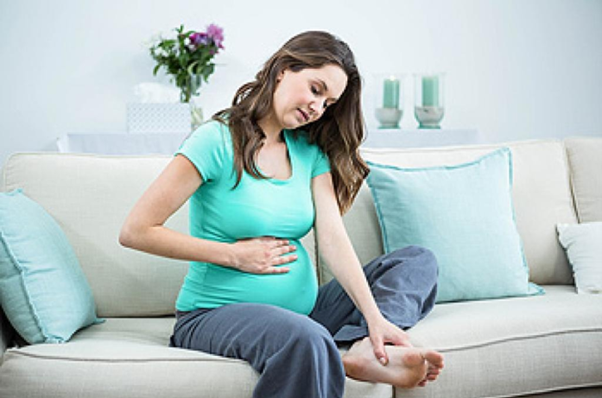
Pregnancy is a beautiful journey, but it also brings along many small changes that can feel uncomfortable at times. One of the most common experiences many moms notice is foot swelling in pregnancy. You may suddenly find your favorite shoes feeling tight or your feet looking puffier by the evening. It can be surprising, especially if it’s your first pregnancy, but the good news is that this is usually a normal part of your body adjusting to support your growing baby.
Let’s walk through why it happens, what you can do to feel better, and when you might need a little extra care.
What Causes Foot Swelling in Pregnancy?
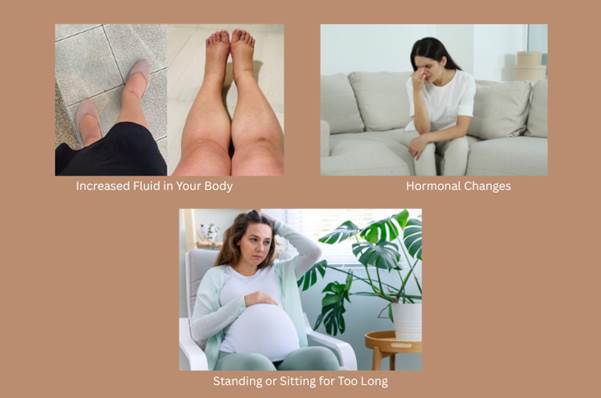
Your body goes through so many quiet, powerful changes during pregnancy, and swelling is one of those things that can catch you by surprise. It might feel uncomfortable at times, but in most cases, it’s simply your body adjusting and doing exactly what it needs to support your growing baby. According to Mayo Clinic’s pregnancy swelling guide, mild swelling in the feet and ankles is very common during pregnancy because the body naturally retains more fluid while supporting the growing baby. This kind of swelling, often called edema, usually happens for a few natural reasons.
Increased Fluid in Your Body
During pregnancy, your body holds on to more fluids than usual. This extra fluid plays an important role, it helps protect your baby, supports healthy growth, and prepares your body for labor. Sometimes, though, this fluid tends to settle in your lower body, especially around your feet and ankles. That’s why by the end of the day, your feet may feel heavier or look a bit puffy.
Pressure from Your Growing Baby
As your baby grows, your uterus gently presses against the veins that carry blood back up from your legs to your heart. This pressure can slow down circulation a little, making it easier for fluid to collect in your feet. It’s a small side effect of your baby growing stronger and bigger each day.
Hormonal Changes
Pregnancy hormones are doing a lot of behind-the-scenes work. They help your body adjust in many beautiful ways, but they also relax your blood vessels. While this is helpful overall, it can allow fluid to move more easily into nearby tissues, especially in your feet and ankles, leading to that soft swelling you might notice.
Standing or Sitting for Too Long
If you’ve been on your feet for a long time or sitting without much movement, you may notice your swelling getting worse. Gravity naturally pulls fluid downward, which is why your feet often feel more swollen in the evening. Taking small breaks to move or rest can really help ease foot swelling during pregnancy.
All of this may feel a little uncomfortable, but it’s your body’s way of adapting and supporting the life growing inside you. And with a few gentle habits, you can make yourself feel much more comfortable along the way.
When Does Foot Swelling Usually Start?
For many moms, foot swelling doesn’t show up right away. In the early months, your body is still quietly adjusting, and you may not notice much change. But as you move into the second trimester, you might begin to see a little puffiness around your feet and ankles. It’s usually mild at first, something you notice more in the evening than in the morning.
By the time you reach the third trimester, the swelling often becomes more noticeable. This is simply because your body is now holding more fluid, and your growing baby is putting extra pressure on your lower body. It’s all part of your body preparing and supporting your little one.
You may start to feel that your feet are a bit heavier by the end of the day, or your favorite shoes suddenly feel tighter than usual. Your ankles might look less defined, especially after a long day of standing or sitting.
One thing many moms notice is that mornings feel better. After a night of rest, the swelling usually goes down. But as the day goes on, especially if you’ve been active, it can slowly build up again.
It can feel a little uncomfortable, but knowing that this is a normal part of pregnancy can bring some peace of mind. Your body is simply adapting, step by step, as your baby grows.
Is Foot Swelling in Pregnancy Normal?
es, in most cases, foot swelling in pregnancy is completely normal Yes, in most cases, foot swelling in pregnancy is completely normal and nothing to worry about. It’s simply your body adjusting to all the beautiful changes happening inside you as your baby grows. The extra fluid, the shifting hormones, and the pressure on your body all come together to cause this kind of swelling.
That said, it’s always important to stay gently aware of what your body is telling you. Most swelling is mild and comes and goes, especially depending on your activity during the day. But if you ever notice it becoming sudden, very severe, or paired with other symptoms, it’s always a good idea to check in with your doctor.
Think of it as listening to your body with care, not worry. You know your body best, and it’s okay to ask for reassurance whenever something doesn’t feel quite right.
Simple Relief Tips for Foot Swelling
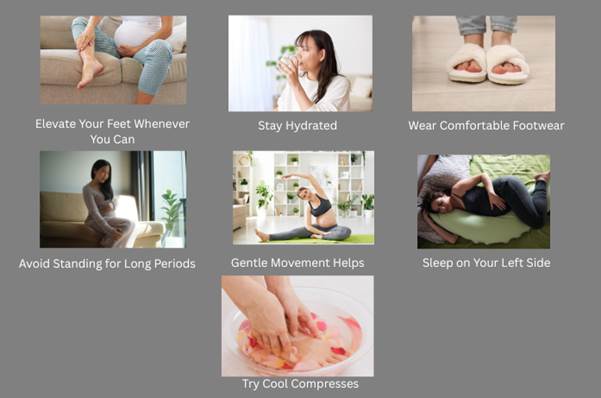
As a mom who has gone through this phase, I truly understand how uncomfortable swollen feet can feel by the end of the day. The good part is, you don’t have to just accept it and move on. With a few small, gentle changes in your routine, you can ease the discomfort and feel a lot more relaxed.
1. Elevate Your Feet Whenever You Can
Whenever you get a chance, try to put your feet up and let them rest. Raising your feet slightly above your heart level, even for 15–20 minutes, can help reduce the swelling. A simple pillow under your feet while lying down can make a noticeable difference.
2. Stay Hydrated
It might feel a little surprising, but drinking enough water actually helps your body release extra fluid. When you stay well-hydrated, your body doesn’t feel the need to hold onto water, which can gently reduce swelling. Keep a water bottle nearby and take small sips throughout the day.
3. Wear Comfortable Footwear
This is the time to choose comfort over everything else. Tight or narrow shoes can make your feet feel worse. Go for soft, breathable, and supportive footwear that gives your feet enough space. Many moms find slip-ons or open sandals much more comfortable during this stage.
4. Avoid Standing for Long Periods
If your daily routine involves a lot of standing, try to pause and rest in between. Even sitting down for a few minutes, stretching your legs, or taking a short walk can help improve circulation and ease the heaviness in your feet.
5. Gentle Movement Helps
You don’t need intense exercise, just gentle movement can do wonders. A short walk, a bit of prenatal yoga, or even rotating your ankles while sitting can help keep your blood flowing and reduce that tight, swollen feeling.
6. Sleep on Your Left Side
This small habit can really support your body. Sleeping on your left side improves blood circulation and reduces pressure on important veins. Over time, it can help ease foot swelling during pregnancy and make you feel more comfortable overall.
7. Try Cool Compresses
By evening, when your feet feel tired and swollen, a cool compress can feel incredibly soothing. You can use a cool cloth or even soak your feet in slightly cool water for a few minutes. It’s a simple way to relax and give your feet the care they deserve.
Remember, these little steps may seem simple, but together they can bring real comfort. Listen to your body, take things slowly, and care for yourself with the same love you’re giving your baby.
Foods That May Help Reduce Swelling
What you eat during pregnancy doesn’t just nourish your baby, it also supports how your body feels day to day. When it comes to swelling, your diet can quietly make a difference. With a few mindful choices, you can help your body manage fluids more comfortably.
Stay Balanced with Salt
You don’t have to completely cut out salt, and honestly, there’s no need to stress about it. Your body still needs a small amount. But having too much salty food can make your body hold onto extra fluid, which may increase swelling. Try to keep your meals simple and balanced, and avoid overly processed or packaged foods when you can.
Add Potassium-Rich Foods
Potassium is one of those nutrients that works gently behind the scenes. It helps your body maintain a healthy fluid balance. Including foods like bananas, sweet potatoes, spinach, and even coconut water can support your body in reducing that puffy feeling in your feet.
Focus on Fresh, Whole Foods
There’s something comforting about fresh, home-cooked meals during pregnancy. Fruits, vegetables, whole grains, and simple, nourishing foods not only support your baby’s growth but also help your body function smoothly. When your body is well-nourished, it naturally manages fluids better, which can ease swelling over time.
You don’t need a strict diet, just small, thoughtful choices. Eating with care and balance can go a long way in helping you feel lighter, more comfortable, and supported during this beautiful journey.
When Should You Be Concerned?
Most of the time, swelling during pregnancy is completely normal and nothing to worry about. The experts at Mayo Clinic recommend contacting your healthcare provider if swelling becomes sudden, severe, or is paired with symptoms like headaches, vision changes, or dizziness. But as a mom, it’s always important to stay gently aware of your body and notice when something feels different than usual.
If you ever notice swelling that feels sudden, intense, or unusual, it’s okay to pause and check in with your doctor. For example, if your feet, hands, or even your face suddenly become very swollen, it’s worth getting it looked at.
You might also want to seek advice if the swelling doesn’t go down even after resting or elevating your feet. Normally, a bit of rest brings some relief, so if it doesn’t, your body could be asking for a little extra attention.
Another thing to watch for is discomfort in one leg, like pain, redness, or warmth. This isn’t typical swelling and should always be checked. And if you notice symptoms like headaches, blurry vision, or dizziness along with swelling, it’s important not to ignore them.
These signs don’t always mean something serious, but they can sometimes be linked to conditions like high blood pressure that need proper care. Reaching out to your doctor is simply a way of taking care of yourself and your baby.
Trust yourself; you know your body best. If something doesn’t feel right, it’s always okay to ask for reassurance.
Emotional Side of Physical Changes
Let’s be honest for a moment: these physical changes can feel a little overwhelming. There may be days when you look at your swollen feet and quietly think, “These don’t even feel like mine anymore.” And that feeling? It’s completely real and valid.
Pregnancy is not just a physical journey; it’s an emotional one too. Your body is stretching, growing, and adjusting in ways you’ve never experienced before. Some days you may feel strong and glowing, and other days a bit uncomfortable or unsure, and both are perfectly okay.
Along with physical changes like swelling, many moms also experience emotional stress during pregnancy. Learning how to manage stress during pregnancy can help you feel more calm, balanced, and supported during this phase.
Feeling a little frustrated with these changes doesn’t take away from the love you already have for your baby. It simply means you’re human, going through something new and deeply transformative.
On those tougher days, try to gently remind yourself, this phase won’t last forever. The swelling, the discomfort, the unfamiliar changes… they are all temporary.
And more importantly, your body is doing something truly incredible. It’s creating, nurturing, and protecting a whole new life. That’s something worth being proud of, even on the days that feel a little harder.
Small Daily Habits That Make a Big Difference
Sometimes, it’s not the big changes but the small, everyday habits that bring the most comfort. During pregnancy, even a few gentle adjustments in your routine can help you feel lighter and more at ease.
Taking short breaks throughout the day to rest your feet can really help. Even a few quiet minutes with your feet up can ease that heavy, tired feeling. Keeping a water bottle nearby and sipping regularly is another simple habit that supports your body more than you might realize.
When it comes to shoes, this is your time to choose comfort without guilt. Soft, roomy footwear can make your day so much easier. And most importantly, try to listen to your body. If it’s asking for rest, slow down and give yourself that pause, you truly deserve it.
You don’t need a perfect routine or strict rules. Just a few mindful choices each day can gently reduce foot swelling in pregnancy and help you move through your day with a little more comfort and ease.
A Gentle Reminder for Moms
Every pregnancy has its own rhythm. Some moms may hardly notice any swelling, while others experience it more often, and both are completely normal. There’s no “right” or “wrong” way for your body to go through this journey.
It’s easy to look around or scroll through others’ experiences and start comparing, but your body is following its own unique path. What matters most is how you feel and what your body needs right now.
Instead of comparing, try to gently tune into yourself. Rest when you feel tired, move when it feels good, and give your body the care and patience it deserves. You’re doing something truly special, and your journey is just as meaningful in its own way.
FAQs
1. Is foot swelling in pregnancy normal?
Yes, it is very common, especially in the second and third trimesters, and is usually harmless.
2. When does swelling start during pregnancy?
Swelling often begins in the second trimester and may increase in the third trimester.
3. How can I reduce foot swelling during pregnancy?
Elevating your feet, staying hydrated, gentle movement, and wearing comfortable shoes can help reduce swelling.
4. When should I worry about swelling?
If swelling is sudden, severe, or comes with symptoms like headache or dizziness, consult your doctor.
5. Does swelling go away after pregnancy?
Yes, swelling usually reduces gradually after delivery as your body returns to normal.
Conclusion: You’re Doing Better Than You Think
Foot swelling can definitely feel uncomfortable at times, but in most cases, it’s just a small part of a much bigger and beautiful journey. Your body is working quietly, day and night, to nurture and protect your baby, and these little changes are simply signs of that effort.
Try to take things one day at a time. Rest whenever you can, move gently, and care for your body with kindness. And if something ever feels uncertain, don’t hesitate to reach out for support. You deserve to feel reassured and cared for too.
Most importantly, be gentle with yourself. You’re doing something truly incredible, even on the days that feel a little harder.
If this guide brought you comfort or helped you understand your body a little better, you can explore more simple, real, and heartwarming pregnancy and parenting tips at Little One Haven. Because taking care of yourself is the very first step in taking care of your little one.