
You have breakfast ready, the bag packed, and just enough time to leave the house. Then your toddler pulls at their socks and starts crying.
You straighten the socks. They still feel wrong. You offer another pair, but now the shirt is bothering them too.
When getting dressed becomes a daily struggle, it can leave both of you exhausted before the morning has properly started.
Toddler clothing sensitivity describes discomfort with the feel of certain clothes, including their fabric, seams, labels, or fit. Understanding what bothers your child can help you make dressing more comfortable and less stressful.
Sometimes, a small change makes a difference. Other times, persistent discomfort needs professional attention.
What Is Toddler Clothing Sensitivity?
Some toddlers find particular sensations against their skin difficult to tolerate. A label at the back of a shirt, a sock seam across the toes, or an elastic waistband may bother them much more than you expect.
Clothing textures, tags, and seams can feel irritating or even painful to some children with heightened sensitivity to touch.
Your toddler may not have the words to explain the sensation. Instead, they might pull at the clothing, refuse to put it on, or ask you to take it off.
Clothing sensitivity is a description of an experience. It does not, by itself, tell you why that discomfort is happening or establish a diagnosis.
Signs Your Toddler May Be Sensitive to Clothing
Look for patterns rather than judging one difficult morning.
You might notice that your toddler:
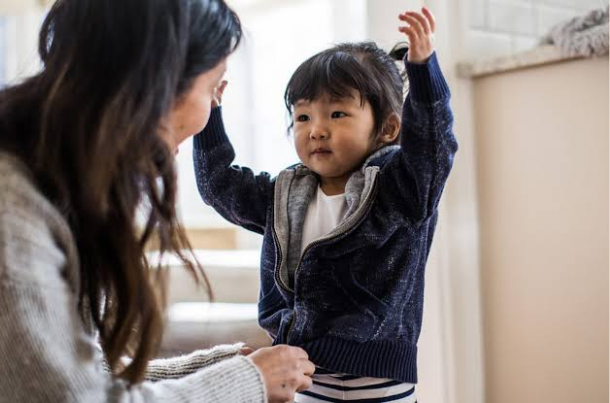
- Repeatedly pulls at a neckline, waistband, or sleeve.
- Refuses clothes with particular textures.
- Becomes upset when wearing socks with noticeable seams.
- Wants the same familiar outfit whenever they get dressed.
- Tries to remove certain clothes soon after putting them on.
- Complains that an item feels scratchy, tight, or uncomfortable.
These reactions can give you clues about what needs adjusting. For example, a toddler who happily wears one pair of trousers but immediately removes another may be reacting to differences in texture or fit.
Labels, seams, and rough fabrics are worth checking when particular outfits consistently cause distress.
Why Does My Toddler Hate Certain Clothes?
There are several possibilities, and more than one may apply. Your toddler may dislike how an item feels, find it difficult to put on, or feel upset about stopping play to get dressed. Their reaction can give you clues, even when they cannot explain it clearly.
Sensitivity to touch
Some children experience the feeling of fabric or stitching more intensely. What feels barely noticeable to you may be difficult for your child to ignore.
Uncomfortable fit
Check the clothing while your toddler sits, bends, and moves. An item may fit when they stand still but dig into their skin when they squat down to play.
Skin irritation
A child who dislikes clothing may also have itchy or irritated skin. Look for dryness, a rash, or sore areas rather than assuming every reaction is sensory.
Contact dermatitis can cause itchy, dry, cracked, or blistered skin. Soaps and detergents are among the possible irritants. Persistent, recurring, or severe symptoms should be assessed by a healthcare professional.
Difficulty with getting dressed
Sometimes, the clothing itself is only part of the problem. Guiding an arm through a sleeve, balancing while stepping into trousers, or tolerating a busy dressing environment may also be challenging.
Dressing involves touch, movement, balance, coordination, and awareness of body position. A child who finds standing on one leg difficult may need help with trousers even when the fabric is comfortable.
If the dressing steps themselves seem difficult, our guide to encouraging independent dressing at home offers ways to break the task into manageable parts while giving your child the help they need.
Gentle Ways to Help With Toddler Clothing Sensitivity
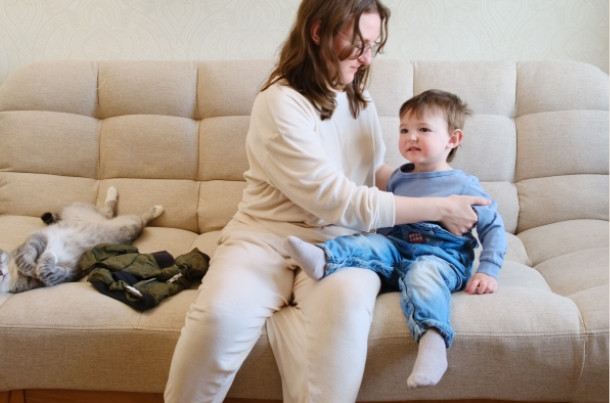
Start with the problem you can see. You do not need to replace your toddler’s entire wardrobe at once. Notice where they pull, rub, or try to remove clothing. A twisted sock, stiff label, or tight waistband gives you something specific to check.
1. Listen before changing the outfit
Try a simple question:
“Is the sock bothering your toes?”
If your toddler cannot explain, offer one adjustment and watch their response. Changing several things at once can make it harder to identify what helped.
You can acknowledge their discomfort without knowing the exact cause: “That feels uncomfortable. Let’s check it.”
2. Check labels, seams, and waistbands
Run your fingers along the inside of the garment. Look for stiff labels, raised stitching, rough decorations, or tight elastic.
Removing a bothersome label, trying flatter seams, or checking the waistband during movement may improve comfort. Inspect any cut label for a remaining scratchy edge, and keep a record of washing and safety instructions. Do not alter fastenings in a way that creates sharp edges or loose small parts.
3. Use familiar fabrics as your starting point
Notice the clothes your toddler already accepts. Are they soft, stretchy, lightweight, or loose around the neck?
Preferences differ: some children dislike loose fabric moving against the skin, while others dislike close-fitting clothing. Start with the clothes you already have where possible, rather than assuming a special product is required.
Use those features to guide your next purchase. A fabric description on a label cannot tell you exactly how a finished garment will feel to your child.
4. Wash new clothes before wearing them
Wash a new garment according to its care instructions before use. If fragrance or eczema is a concern, choose a fragrance-free laundry product. “Unscented” does not necessarily mean fragrance-free, as masking fragrances may still be present. Avoid assuming a detergent is the cause of every rash; persistent skin symptoms need assessment.
5. Try a simple sock adjustment
If the toe seam is the problem, try turning the socks inside out or offering a pair with flatter seams. Check shoe fit too, since discomfort may come from the combination of socks and shoes.
6. Introduce new clothes gradually
Let your toddler touch or examine a new item before wearing it. Offer a short, calm trial when you have time to respond to their discomfort.
Keep a familiar alternative available. A gradual introduction should be a comfortable invitation, not a requirement to endure pain or intense distress.
A Quick Comfort Check Before Trying Again
Check the whole outfit while your toddler sits, bends, and plays. A garment that feels fine alone may bunch beneath another layer or become uncomfortable inside shoes.
| What to check | What may help |
|---|---|
| Sock toes and heels | Straighten twists and check the position of seams. |
| Waistbands and cuffs | Check for pinching during movement, including over a nappy. |
| Labels and decoration | Feel the inside surface rather than judging the outside. |
| Skin beneath the clothing | Look for dryness, irritation, tenderness, or a recurring rash. |
| Dressing position | Try a secure seated position if balancing is difficult. |
If changing the outfit does not ease discomfort, consider another cause rather than repeatedly changing clothes. Pain, swelling, or skin problems may need medical advice.
Keep Safety Labels and Sleepwear Fit in Mind
Comfort adjustments for daytime clothes should not override sleepwear safety instructions. For example, US sleepwear labeled for snug fit should not deliberately be made loose by oversizing. If a pair pinches, use the correct size or a different suitable cut rather than keeping your child in painful clothing.
Avoid introducing compression garments, weighted clothing, or specialized sensory programs on your own. Ask a qualified professional whether an approach is appropriate for your child’s needs.
Make Getting Dressed More Predictable
Alongside clothing adjustments, try making the routine easier to follow.
For example, prepare two comfortable outfits the night before. In the morning, let your toddler choose between them.
“Would you like the blue shirt or the green shirt?”
Both choices should be clothes they can reasonably tolerate. This gives them a small amount of control without turning the whole wardrobe into a decision.
Other practical options include:
- Dressing in the same quiet place each morning.
- Leaving a little extra time when possible.
- Keeping an accepted backup outfit ready.
- Using a familiar order, such as trousers, shirt, then socks.
- Pausing briefly when your child becomes overwhelmed.
These are adjustments to try, rather than a guaranteed solution. Keep what helps your family and change what does not.
What Should You Avoid?
When you are running late, it is understandable to feel frustrated. Still, phrases such as “There’s nothing wrong with those socks” can make it harder to understand what your child is experiencing.
Try describing what you notice instead:
“You keep pulling at the toes. Let’s see whether the seam is bothering you.”
Avoid turning every new garment into a test your toddler must complete. If an item repeatedly causes distress, reconsider its comfort and fit before trying again.
Praise useful communication and participation: “You showed me where it was scratchy,” or “You helped choose your clothes.”
When Should You Seek Professional Help?
You do not need to wait until dressing becomes unmanageable.
Speak with your toddler’s pediatrician if discomfort repeatedly disrupts daily routines, limits outings, or leaves your child very distressed. Mention any skin symptoms and difficulties with other activities, such as bathing, eating, or hair brushing. Seek prompt medical advice for painful, spreading, weeping, or possibly infected skin. Sudden severe pain, marked swelling, an unusually pale or blue limb, or a child who seems seriously unwell needs urgent assessment.
Depending on what is happening, the clinician may recommend skin treatment, a developmental assessment, or support from a pediatric occupational therapist. Children’s occupational therapy services provide strategies for clothing and dressing sensitivities.
Bring a few concrete examples:
- Which clothes your toddler accepts.
- Which features seem uncomfortable.
- Whether there is visible skin irritation.
- What you have tried and what happened.
This is more useful than simply saying, “My toddler hates getting dressed.”
Frequently Asked Questions
Does toddler clothing sensitivity mean autism?
What clothes should I try for a sensitive toddler?
Should I make my toddler wear clothes they dislike?
Will my toddler grow out of clothing sensitivity?
Can Clothing Sensitivity Happen Without a Developmental Diagnosis?
Why Does My Toddler Reject an Outfit They Previously Liked?
Is Fragrance-Free Detergent the Same as Unscented?
Can I Turn My Toddler’s Socks Inside Out?
Should I Buy a Whole New Wardrobe?
What Can an Occupational Therapist Help With?
Final Thoughts
A difficult morning with socks and shirts can feel surprisingly overwhelming. You may be trying to leave on time while your toddler is struggling to explain what feels wrong.
Start with one small observation. Check the seam, adjust the waistband, or offer the familiar shirt. Let their response guide your next step.
Helping your toddler feel comfortable does not require a perfectly coordinated outfit. It requires listening, a little experimentation, and support when you need it.
Tomorrow’s progress might simply be finding a pair of socks they can wear comfortably. That is a useful place to begin.
Choose one manageable check for tomorrow’s outfit, and notice what your toddler tells you through words or actions. If discomfort continues, take those observations to their healthcare professional rather than expecting either of you to manage it alone.
For more gentle parenting tips and practical ideas for everyday toddler challenges, explore Little One Haven.
Resources
Children and Family Health Devon: Dressing Techniques for Sensory Differences
American Academy of Pediatrics: Occupational Therapy
New Mexico State University: Clothing Hints for Young Children
Disclaimer
This article is for general educational and parenting information only and does not replace individualized medical, developmental, dermatological, or occupational therapy advice. Speak with your child’s pediatrician if clothing discomfort repeatedly disrupts daily routines, limits activities, causes significant distress, or occurs alongside persistent skin symptoms or difficulties with other everyday tasks. Seek prompt medical advice for painful, spreading, weeping, or possibly infected skin. Sudden severe pain, marked swelling, an unusually pale or blue limb, or a child who seems seriously unwell needs urgent medical assessment.
About the Author
Geeta Yogi writes warm, practical parenting content about toddler behavior, clothing sensitivity, sensory preferences, dressing skills, child development, and everyday family routines. She focuses on clear, supportive guidance that helps parents understand their child’s comfort needs, make practical adjustments, and recognize when medical, developmental, or occupational therapy support may be helpful.