There are moments in parenting when exhaustion takes over before we even realize it. The dishes are piled up, the baby has barely slept, the toddler is melting down again, and suddenly our voice becomes louder than we ever intended. Many loving parents later sit quietly with guilt, wondering about what yelling does to a child’s brain and whether those difficult moments leave lasting scars.
If you have ever raised your voice at your child, you are not a bad parent. You are human. Parenting is emotional, overwhelming, and deeply demanding. But understanding the long-term effects of yelling can help us respond differently moving forward, not from shame, but from awareness and love.
Children’s brains are still developing. The way they experience stress, comfort, safety, and emotional connection shapes how they see themselves and the world around them. Words spoken in anger may fade quickly for adults, but for children, repeated yelling can quietly affect their emotional well-being, confidence, and behavior over time.
Written by a caring mom at Little One Haven.
What Yelling Does to a Child’s Brain
When a child is yelled at regularly, their brain often reacts as though they are facing danger. Even when there is no physical harm, loud angry voices can trigger the body’s stress response system.
A child’s brain is still learning how to regulate emotions, process fear, and feel safe. During yelling, stress hormones like cortisol increase. Over time, frequent exposure to intense verbal reactions may affect emotional regulation, memory, and even confidence.
Many experts discussing the effects of yelling at children explain that repeated verbal aggression can place children in a constant state of emotional alertness. Instead of calmly learning from mistakes, they may focus on avoiding fear or punishment.
This does not mean one frustrated moment ruins a child forever. Loving connection, repair, and emotional safety matter deeply. But consistent shouting patterns can slowly shape how children feel about themselves.
Why Children React So Strongly to Yelling
Adults sometimes assume yelling is simply “discipline.” But for young children, yelling often feels much bigger emotionally.
Children depend on parents for safety and comfort. When that same safe person suddenly becomes loud, angry, or emotionally intense, the child’s nervous system becomes overwhelmed.
Child development educators also note that frequent yelling can leave children feeling emotionally unsafe, making it harder for them to process feelings and respond calmly during stressful situations.
Some children cry immediately. Others freeze, become anxious, or act out later. A few may even seem unaffected on the surface while quietly absorbing stress internally.
The emotional impact of yelling on kids can include:
- Feeling scared or emotionally unsafe
- Lower self-esteem
- Increased anxiety
- Difficulty expressing emotions calmly
- Trouble trusting their own feelings
- Emotional withdrawal
Children do not always remember the exact words. But they often remember how they felt.
How Shouting Affects Child Development
Early childhood is a critical time for brain development. During these years, children learn emotional regulation largely through the adults around them.
When parents consistently respond with calm guidance, children slowly develop emotional security. But when yelling becomes frequent, children may struggle to manage emotions in healthy ways.
Research on how shouting affects child development suggests repeated verbal aggression may contribute to:
Increased Anxiety and Stress
Children living around constant yelling often remain emotionally tense. Their bodies may stay in “fight or flight” mode more often than necessary.
This ongoing stress can make it harder for children to relax, focus, or feel emotionally secure.
Difficulty Regulating Emotions
Children learn emotional responses by watching adults. If yelling becomes the main response to frustration, children may begin copying that behavior themselves.
Some become aggressive.
Others become emotionally shut down.
Both reactions are signs that the child is struggling emotionally.
Lower Confidence
Children naturally believe what parents repeatedly communicate — even indirectly.
Frequent yelling can make children think:
- “I’m always doing things wrong.”
- “I’m bad.”
- “I’m a problem.”
Over time, this may affect confidence, school performance, friendships, and self-worth.
Parent Yelling and Child Behavior
Ironically, yelling often creates more of the behaviors parents are trying to stop.
Many parents notice that after frequent shouting:
- Children yell back more
- Tantrums increase
- Sibling fights worsen
- Listening decreases
- Defiance grows stronger
This happens because fear-based discipline does not teach emotional skills. It mainly teaches avoidance, anxiety, or reactive behavior.
The connection between parent yelling and child behavior becomes a difficult cycle:
Child misbehaves → parent yells → child feels overwhelmed → child acts out more → parent becomes more frustrated.
Breaking this cycle begins with emotional awareness, not perfection.
In everyday parenting situations, especially in public spaces, it can also help to learn how to handle toddler tantrums in public. These moments can feel overwhelming, but calm strategies can make them much easier to manage.
Verbal Aggression and Child Brain Development
The phrase verbal aggression and child brain development may sound extreme at first, but emotional experiences truly influence developing brains.
Children who experience chronic yelling may become more sensitive to stress and criticism. Some studies suggest that repeated harsh verbal discipline can affect areas of the brain linked to emotional processing.
However, this does not mean that occasional frustration permanently damages a child.
What matters most is the overall emotional environment:
- Is the child usually safe and loved?
- Are parents willing to reconnect after difficult moments?
- Is yelling rare or constant?
- Does the child feel emotionally secure overall?
Repair matters more than perfection.
A sincere apology from a parent can actually teach children emotional responsibility, empathy, and healthy relationship skills.
👉 For parents looking to build healthier emotional habits at home, learning how to support child brain development can provide helpful, science-backed guidance on nurturing emotional safety and cognitive growth.ldren emotional responsibility and healthy relationships.
The Negative Effects of Shouting at Kids Over Time
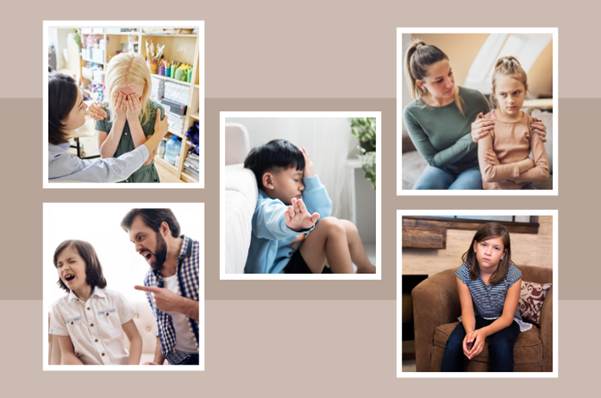
Many child psychologists and parenting experts explain that the psychological effects of yelling at children can slowly affect a child’s emotional well-being, confidence, and sense of safety over time. While occasional frustration happens in almost every home, repeated shouting can sometimes leave children feeling anxious, emotionally overwhelmed, or disconnected.
The negative effects of shouting at kids do not always appear right away. Sometimes the impact builds quietly over time through repeated stressful experiences.
A child who experiences frequent yelling may slowly become:
More Anxious
They may begin worrying constantly about making mistakes or disappointing adults, even during small everyday situations.
More Aggressive
Children often learn emotional reactions from the environment around them. When yelling becomes common, some children may begin expressing frustration the same way.
Emotionally Withdrawn
Some children become quieter and stop openly sharing feelings because they fear criticism, anger, or emotional reactions.
Less Emotionally Connected to Parents
Strong parent-child connection grows through safety, trust, and calm communication. Frequent shouting can sometimes create emotional distance over time.
More Sensitive to Criticism
Children exposed to repeated yelling may struggle with self-confidence and become more fearful of judgment or failure as they grow older.
Reading this can feel emotional for many loving parents, especially those who are already exhausted, overwhelmed, or trying their best during stressful seasons of parenting. But awareness is not about guilt. It simply gives parents the opportunity to pause, reflect, and slowly build healthier communication patterns with their children moving forward.
Child Stress From Yelling Is Real
Children feel emotional tension more deeply than many adults realize. Even babies and toddlers can sense anger, stress, and loud reactions in the home. While they may not understand every word, they understand the feeling behind it.
Ongoing yelling can sometimes show up through behavior changes like frequent crying, trouble sleeping, clinginess, stomachaches, fearfulness, or increased tantrums. Some children may also become emotionally sensitive or develop nervous habits like nail biting.
Children often cannot explain their stress with words, so their emotions come out through behavior instead.
The comforting part is that children also respond beautifully to calm, love, and emotional safety. Gentle communication, connection, and peaceful moments at home can help them feel secure again over time.
Why Parents Yell in the First Place
Many parents today are becoming more aware of toxic yelling parenting patterns and are actively searching for calmer, healthier ways to guide children emotionally.
Most parents do not yell because they want to hurt their child. Usually, it happens during moments of stress, exhaustion, or emotional overload. Parenting is hard, and when emotions pile up, patience can feel difficult to hold onto.
Common reasons parents yell include:
- Exhaustion and lack of sleep
- Feeling overstimulated
- Daily stress and pressure
- Lack of emotional support
- Unrealistic parenting expectations
- Emotional burnout
- Growing up in homes where yelling was normal
Many parents repeat patterns they experienced in childhood without even realizing it. The good news is that these patterns can change with awareness, patience, and self-compassion.
A calmer parent does not come from perfection, it comes from feeling supported, rested, and emotionally cared for too.
Gentle Parenting Alternatives to Yelling
Choosing calmer parenting does not mean being permissive or allowing harmful behavior.
Children still need boundaries, guidance, and accountability. The difference is how those boundaries are communicated. For parents who want to replace shouting with more effective strategies, it helps to understand how to discipline a child without shouting. Gentle discipline focuses on teaching behavior through calm communication rather than fear or yelling.
Here are some realistic gentle parenting alternatives to yelling that many parents find helpful.
Pause Before Reacting
If you feel yourself reaching a breaking point, pause for a few seconds before speaking.
Even one deep breath can reduce emotional intensity.
Lower Your Voice Instead of Raising It
Children often listen more closely when adults speak calmly but firmly.
A soft, serious tone can feel more powerful than shouting.
Get Physically Close
Instead of yelling across the room, move closer to your child.
Eye contact and calm connection help children regulate emotions better.
Use Short, Clear Instructions
Children respond better to simple guidance like:
- “Toys stay on the floor.”
- “Hands are not for hitting.”
- “I won’t let you throw that.”
Long emotional lectures often overwhelm young children.
Validate Feelings While Holding Boundaries
You can acknowledge emotions without allowing harmful behavior.
Example:
“I know you’re angry, but I won’t let you hit.”
This teaches emotional safety and healthy limits at the same time.
Repair After Difficult Moments
Every parent loses patience sometimes.
What matters is reconnecting afterward.
You can say:
“I’m sorry I yelled earlier. I was frustrated, but I should have spoken more calmly.”
These moments teach children accountability, empathy, and emotional repair.
Healing After Yelling Happens
Many parents carry quiet guilt after yelling at their children. They replay the moment in their mind and wonder if they have caused damage. If you have felt that way, you are not alone.
The truth is, children do not need perfect parents all the time. They need parents who are willing to reconnect, repair, and keep trying with love.
Small moments after conflict can make a big difference, such as:
- One calmer response next time
- One sincere apology
- One extra hug
- One quiet moment of connection
These simple actions help children feel safe, loved, and emotionally secure again. What matters most is not never making mistakes, it is showing your child that love and connection always come back after hard moments.
Creating a Calmer Home Environment
A calm home does not have to be perfectly quiet or organized all the time. Children are naturally loud, emotional, playful, and sometimes chaotic. That is part of childhood. But when the overall environment feels less stressful, both parents and children usually feel more emotionally balanced and connected.
Small changes in daily life can help create a more peaceful atmosphere at home, such as:
Simplifying Routines
Busy schedules and constant rushing can leave everyone feeling overwhelmed. Slowing down where possible often brings more calm into the home.
Prioritizing Sleep
Tired children struggle with emotions, and exhausted parents lose patience more easily too. Better rest can make a huge difference for the whole family.
Taking Breaks When Needed
Walking away for a few minutes to breathe and reset is healthier than reacting in anger. A short pause can prevent emotional outbursts.
Asking for Support
Parenting is emotionally demanding, and no one is meant to handle everything alone. Accepting help from family, friends, or loved ones can ease stress.
Regulating Yourself First
Children learn emotional regulation from the adults around them. When parents respond calmly, children often begin to feel safer and calmer too.
A peaceful home is not about perfection. It is about creating an environment where love, safety, and connection feel stronger than stress most of the time.
You Can Change the Pattern
One of the most beautiful and hopeful parts of parenting is that it is never too late to grow and make positive changes. No parent handles every moment perfectly, and one difficult day does not define the kind of parent you are.
What truly matters is becoming aware of unhealthy patterns and choosing to respond differently little by little. Awareness helps us grow, connection helps heal emotional wounds, and consistency helps children feel safe again.
Even if yelling has happened often in the past, children benefit deeply when parents begin creating calmer, more loving interactions moving forward. Small changes in tone, patience, and emotional connection can slowly rebuild trust and strengthen the parent-child bond.
Every gentle response, every apology, and every moment of understanding sends your child an important message:
“You are safe, loved, and important to me.”
And over time, those moments matter more than perfection ever will.
Frequently Asked Questions
1. Does yelling affect a child’s brain?
Frequent yelling can increase stress hormones in children and may affect emotional regulation, confidence, and feelings of emotional safety over time.
2. Can yelling cause anxiety in children?
Yes, repeated yelling may contribute to anxiety, emotional stress, fearfulness, and difficulty expressing emotions calmly in some children.
3. Is occasional yelling harmful to children?
Occasional frustration happens in parenting. What matters most is creating a loving environment overall and repairing connection after difficult moments.
4. What are healthier alternatives to yelling at children?
Calm communication, gentle boundaries, emotional validation, short instructions, and taking pauses before reacting are healthier discipline approaches.
5. Can parents repair the relationship after yelling?
Yes. Apologizing, reconnecting emotionally, and responding more calmly over time can help children continue feeling safe and loved.
Final Thoughts
Understanding what yelling does to a child’s brain can feel emotional for many parents because none of us want to hurt the children we love most.
But this conversation is not about guilt.
It is about growth.
The truth is, parenting is incredibly hard. There will be stressful days, messy moments, and times when emotions spill over. That does not make you a failure.
Children do not need a perfectly calm parent every second of the day. They need love, safety, repair, and the reassurance that difficult moments can always be followed by connection.
If you are trying to break unhealthy patterns, speak more gently, and create a calmer home for your child, you are already moving in a beautiful direction.
One soft response at a time, you are helping your child feel safe, valued, and deeply loved.
Explore more gentle parenting tips and child development resources on Little One Haven